
- Département
- Marne (Grand Est region)
- Site
- Vallée de la Marne, about 26 km south-west of Reims
- Inhabitants
- 166 (2020)
- Source
- Wikipedia, eigene Zusammenfassung
Binson-et-Orquigny is a small wine village in the Marne valley south-west of Reims, part of Cœur-de-la-Vallée since 2023. Known for its vine-covered slopes, 15 bridges over the Ru de Camp and Roman traces.
Location
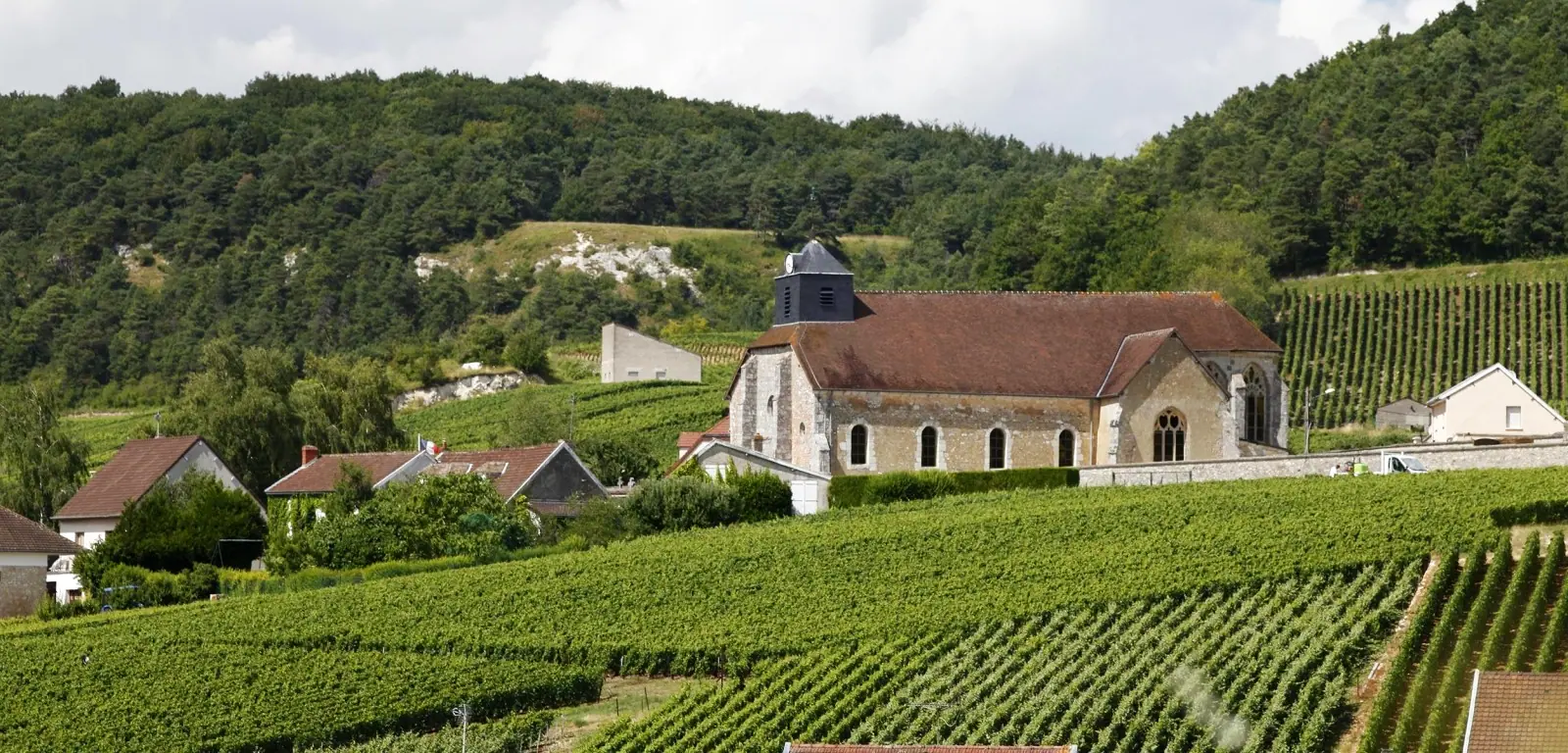
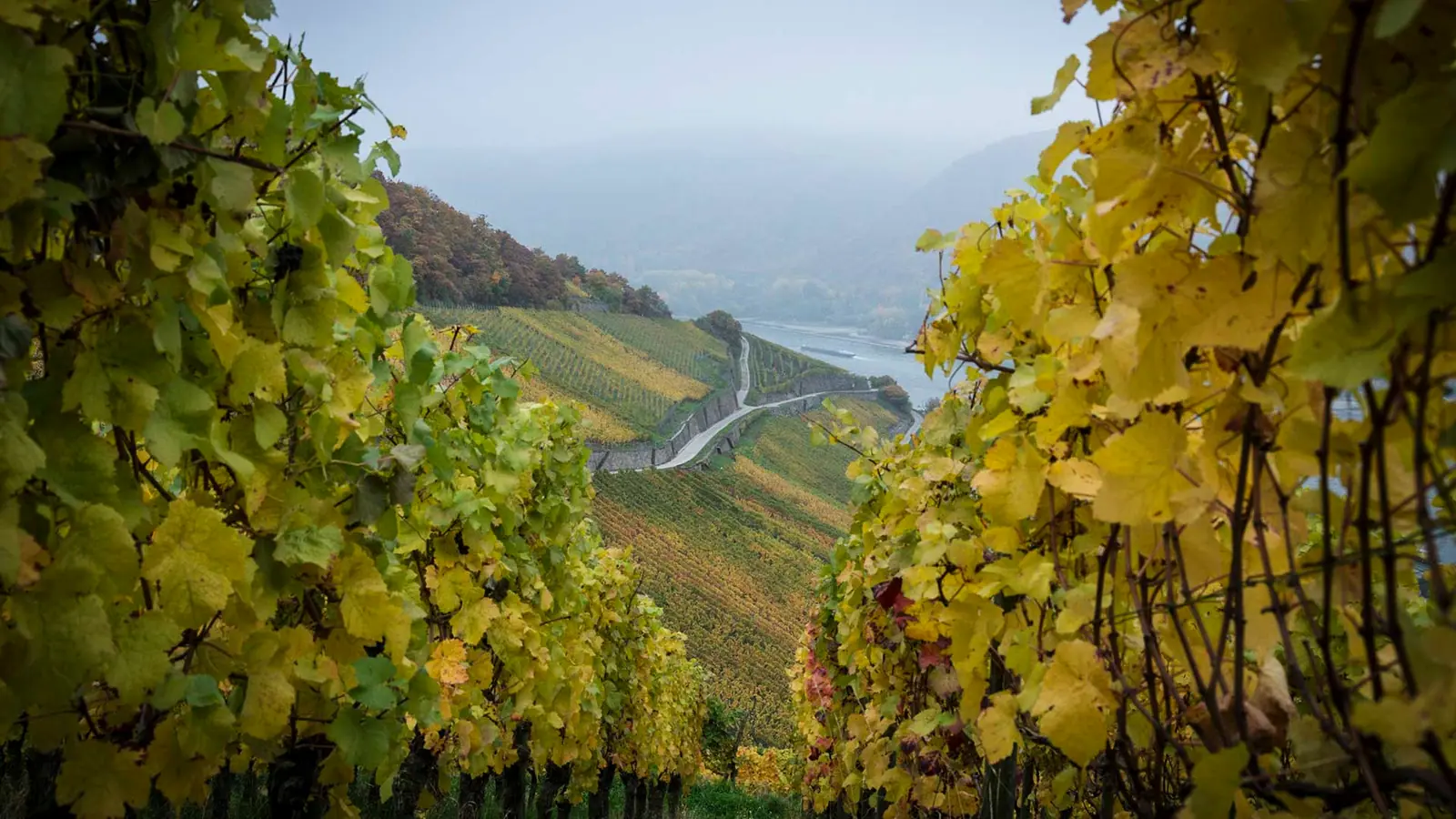
Binson-et-Orquigny lies in the Marne valley, around 26 kilometres south-west of Reims. The river Marne forms the southern boundary of the commune. The village sits tucked between two ranges of hills, their flanks planted with vines and their ridges crowned with woodland. The stream known as the Ru de Camp runs through the whole length of the village, and 15 bridges cross it. Economically, the commune looks towards Épernay, within whose catchment area it falls.
Since 1 January 2023, Binson-et-Orquigny is no longer an independent commune. As a commune déléguée, it forms the new commune nouvelle of Cœur-de-la-Vallée together with Reuil and Villers-sous-Châtillon. In 2020 it had 166 inhabitants.
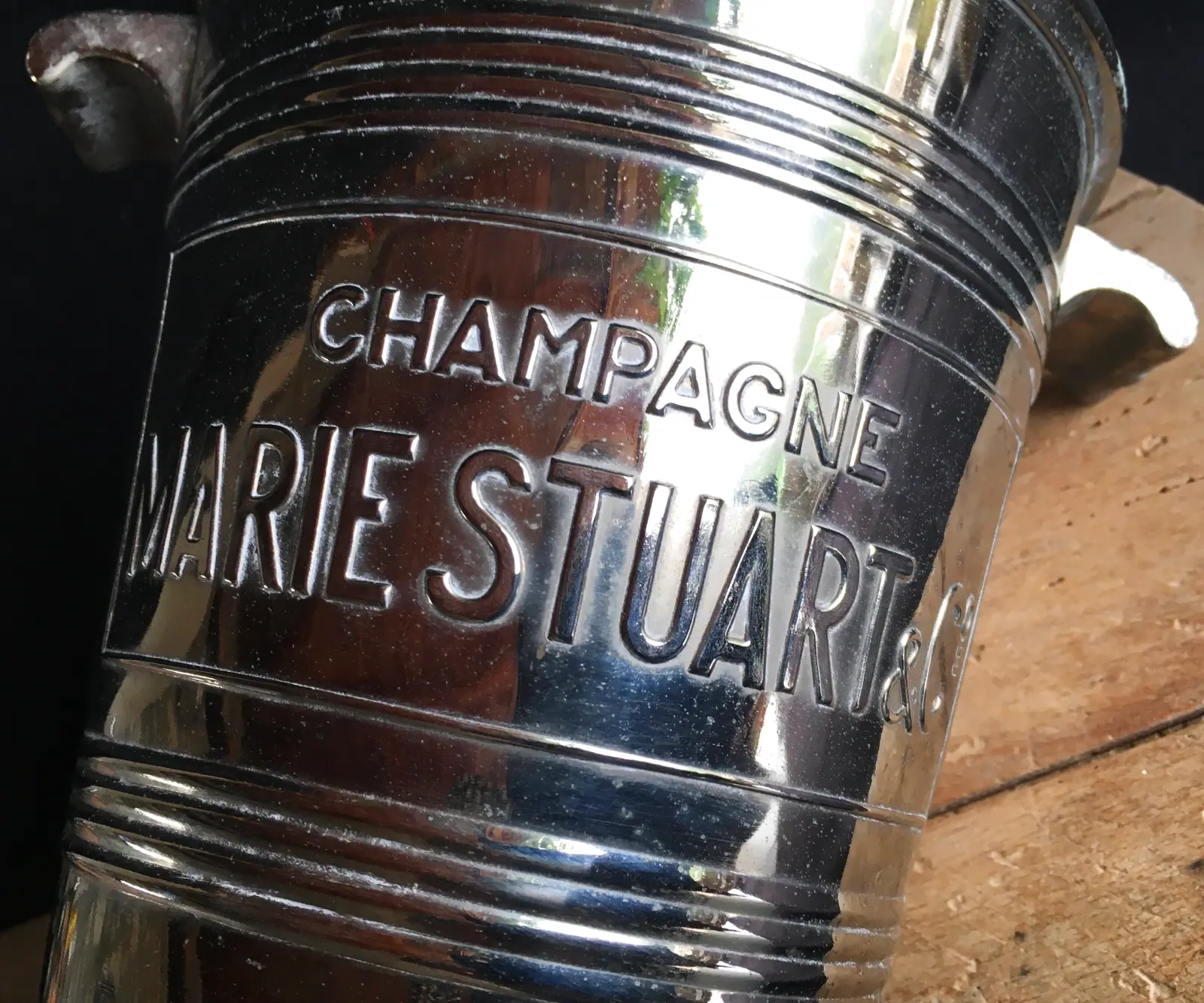
Viticulture
Binson-et-Orquigny is classified neither as grand cru nor as premier cru. It is a rural growers' village in the Marne valley, and the landscape shows how strongly viticulture shapes the area: according to Corine Land Cover data, almost 48 per cent of the commune's land was given over to permanent crops in 2018. Arable land accounts for just over 19 per cent and woodland for 19 per cent. Built-up land makes up only around 8 per cent. Anyone who wants to get to know champagne beyond the big names and cities will find a typical village of the Vallée de la Marne here.
In 2020 it had 166 inhabitants.ViticultureBinson-et-Orquigny is classified neither as grand cru nor as premier cru.
History
Binson was already an important place in Roman times. A stone bridge crossed the Marne here, on the road linking Reims with Orléans. There was also an important port on the river. Excavations have uncovered traces of pottery and bronze workshops. In 2001, a hoard of around 50,000 coins was found, almost all of them dating from the time of Tetricus I and Tetricus II.
In 853, a charter of Charles the Bald mentions the region around Binson in connection with the Count of Reims. In 1228, the Count of Rethel destroyed the bridge during fighting with the Count of Champagne. It is last mentioned in 1437. On 10 October 1575, a skirmish took place near Binson between Henri, Duke of Guise, and German troops. According to tradition, this is where he received his famous scar, which earned him the nickname "Le Balafré" (the Scarred One). In the 19th century, the Ru de Camp still drove five mills. In 1921, the commune was awarded the Croix de guerre 1914-1918.
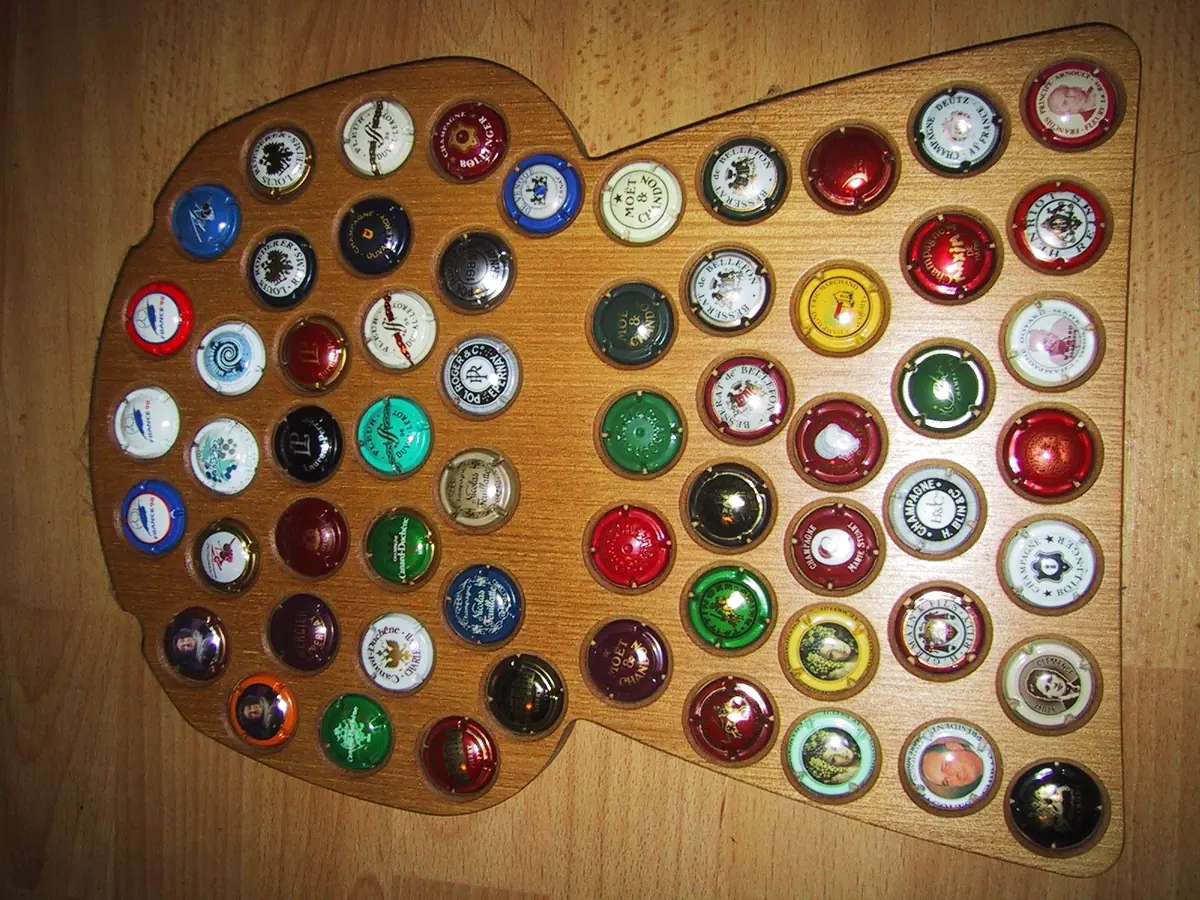 Capsules, Muselets, Plaque
What to see
- The flower-decked bridges over the Ru de Camp
- The Prieuré de Binson
- The village itself: in 1998, after 25 years of floral displays, it won its third flower in the villages fleuris competition
One curiosity: at the beginning of 2017, the commune was considered "réputée sans clochers", in other words a village without a church steeple. Among the notable figures associated with the village is Louis Marie Gaussart (1773 to 1838), a general in the armies of the Republic and the Empire. Incidentally, until 1793 the commune's name was simply Orquigny. Binson and Montigny were added between 1790 and 1794.
Pictures



 0 %
