
01Storing Champagne: A Complete Guide
Champagne is more than a drink, it is a symbol of celebration and luxury. To keep its distinctive aromas and fine mousse intact, storing champagne properly is of vital importance.
 Paul Goerg Champagner Kellerei
02Introduction to Storing Champagne
Champagne, the sparkling wine from the Champagne region of France, is known for its complexity and finesse. Whether you are saving a bottle for a special occasion or building a collection, how you store it is a decisive factor in preserving its quality and helping it develop. The right handling can make the difference between an average and an exceptional tasting experience.
 Krug Champagner Keller
03Why Does Proper Champagne Storage Matter?
The Effects of Light and Temperature
Champagne is sensitive to both light and temperature. Direct sunlight or strong light sources can alter the chemical compounds in the wine, leading to rapid ageing and a loss of freshness. The ideal is a constant temperature that is not too extreme.
The Influence of Humidity
Humidity also plays an important role. Too much moisture can damage the bottle labels or cause mould to grow on the cork. Humidity that is too low can dry out the cork and let air into the bottle, which causes the champagne to oxidise.
The Importance of Bottle Position
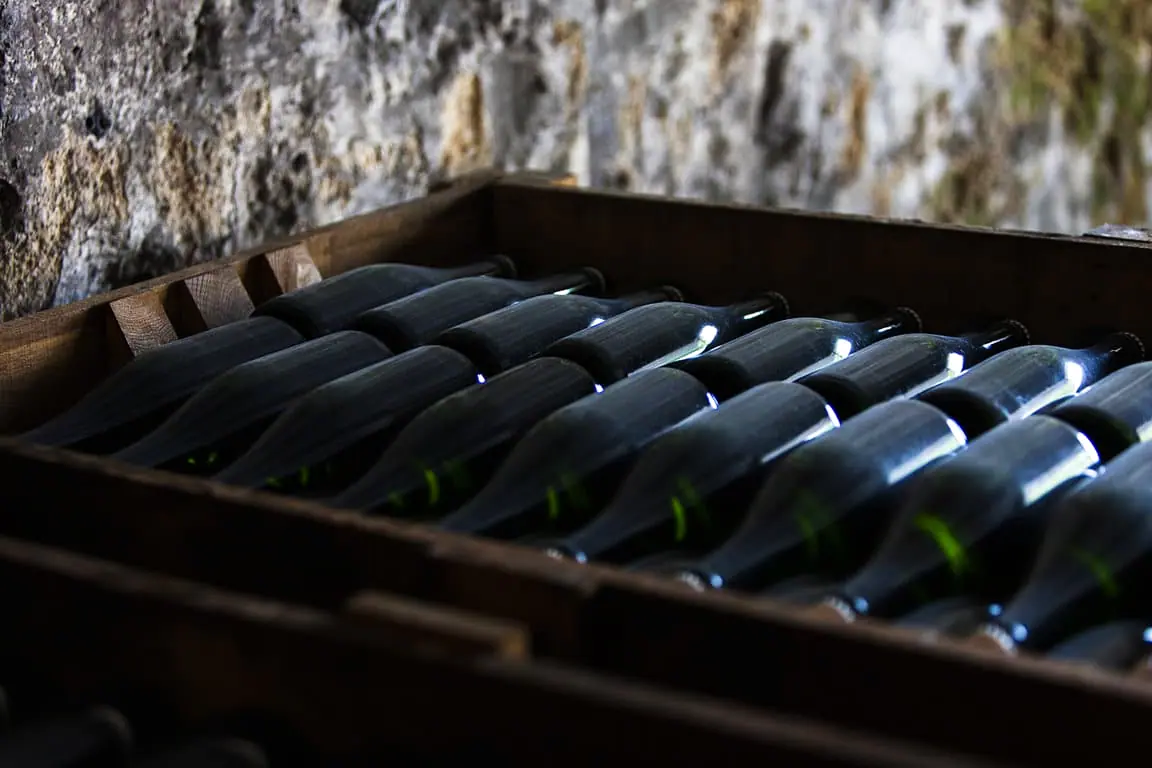
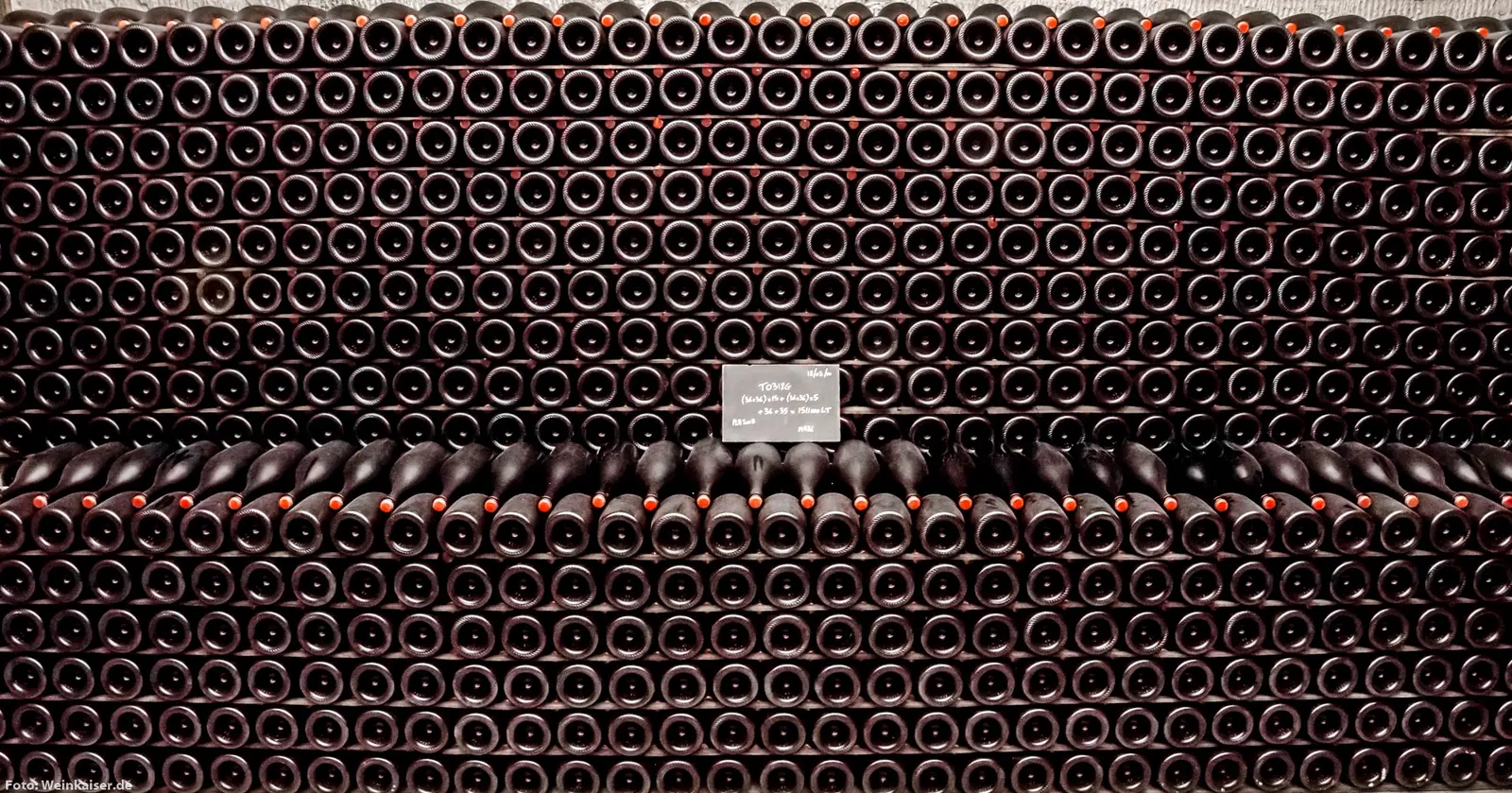
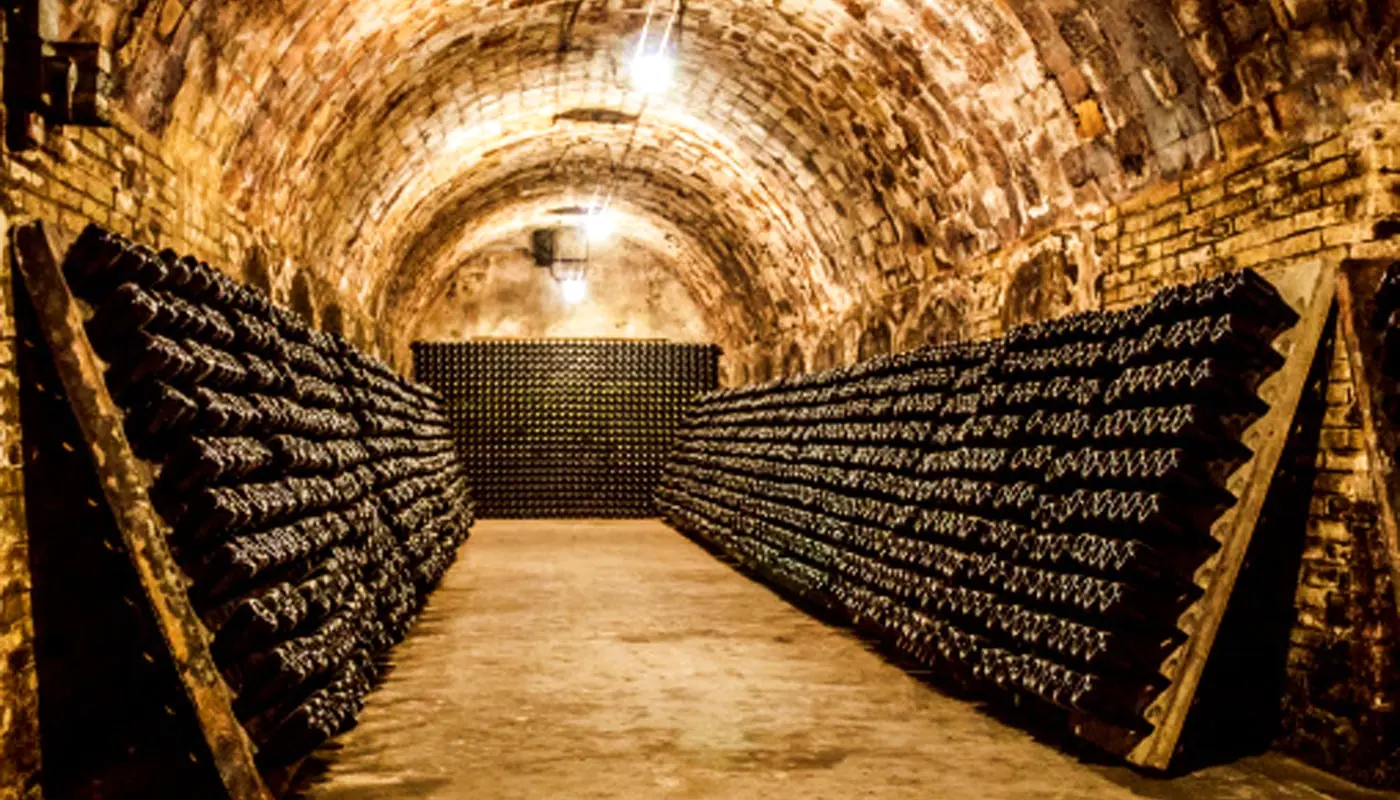
The way a bottle is stored also affects the quality of the champagne. Bottles stored on their side have the advantage that the cork stays moist, which gives a better seal.
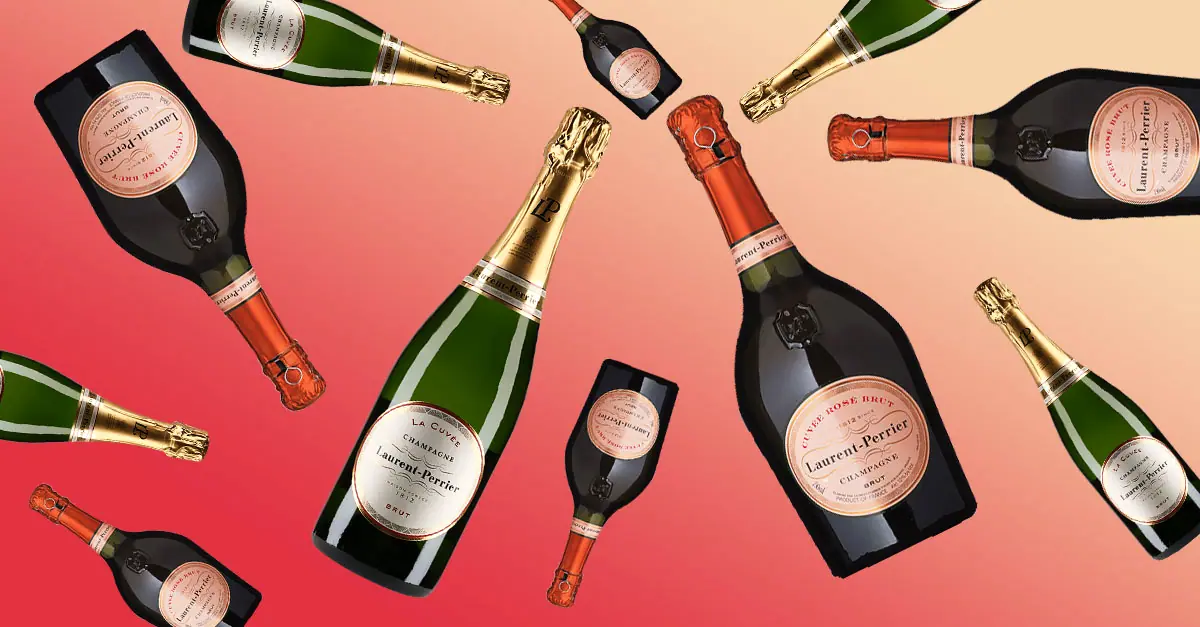
From piccolo to Melchisedech
Move the slider and see how big champagne bottles can get, and how many glasses fit inside.
04Tips for Storing Champagne
The Ideal Storage Temperature
The perfect temperature for storing champagne is between 8 and 12 degrees Celsius. At this temperature the champagne matures slowly and its aromas develop at their best. Extreme temperature swings should be avoided, as they can harm the quality of the wine.
The Right Place to Store It
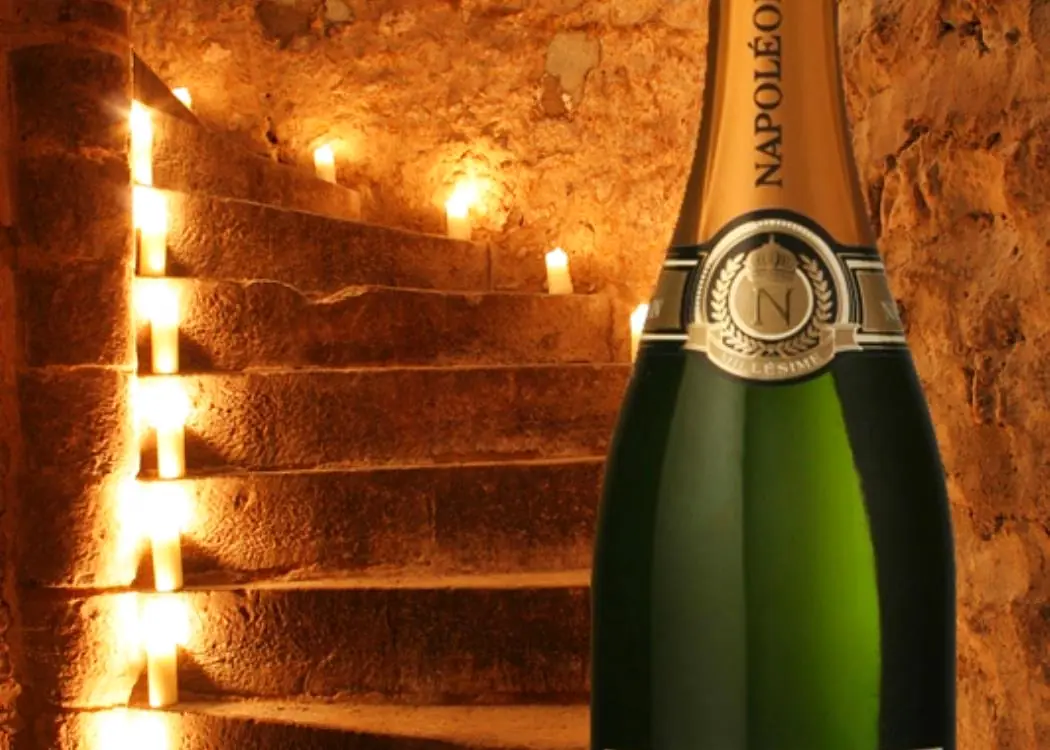
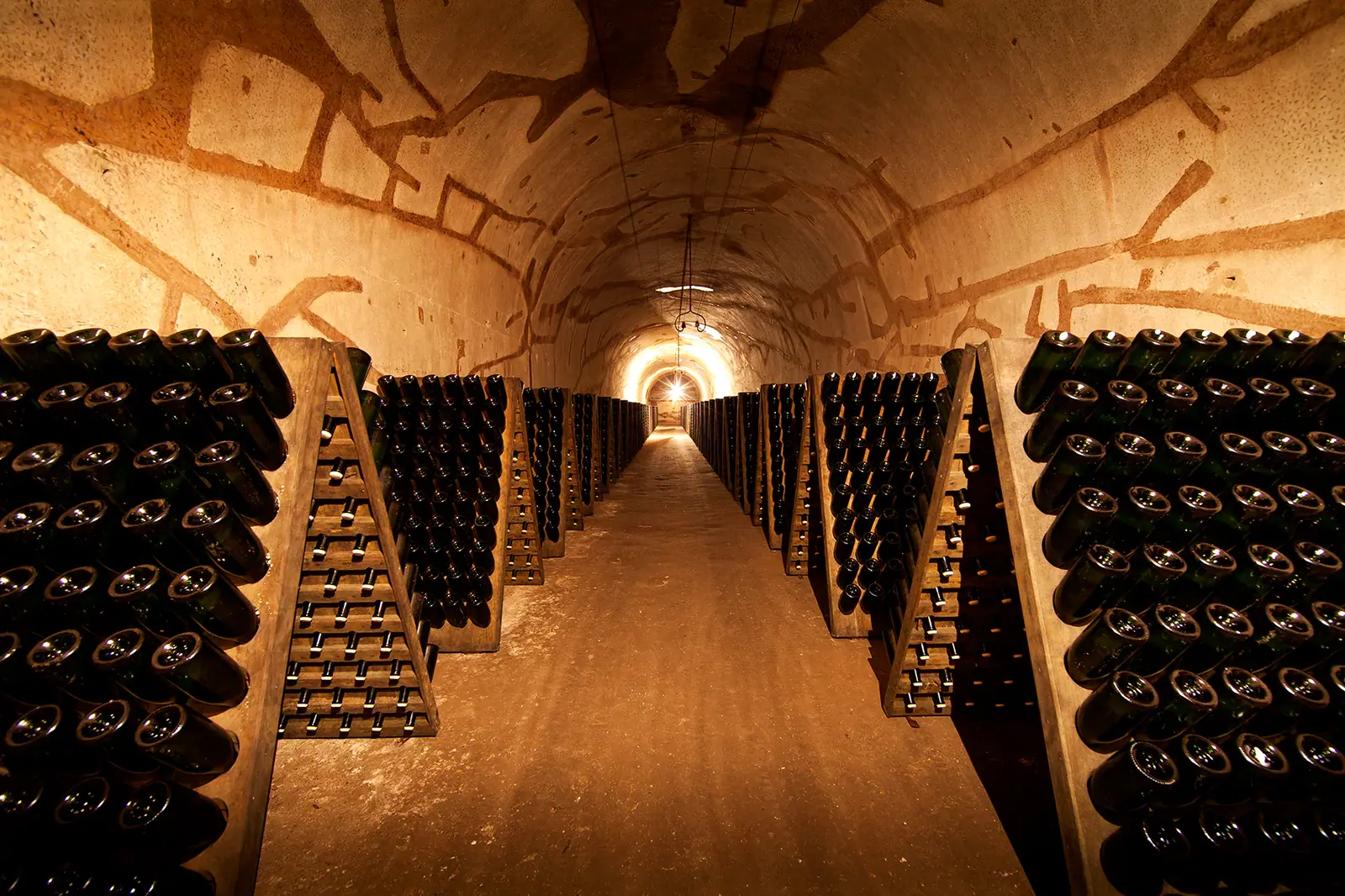
Choose a cool, dark place for storing champagne. A wine cellar or a dedicated champagne fridge is ideal. Avoid places exposed to strong smells, as champagne can easily pick up foreign odours.
Bottle Position
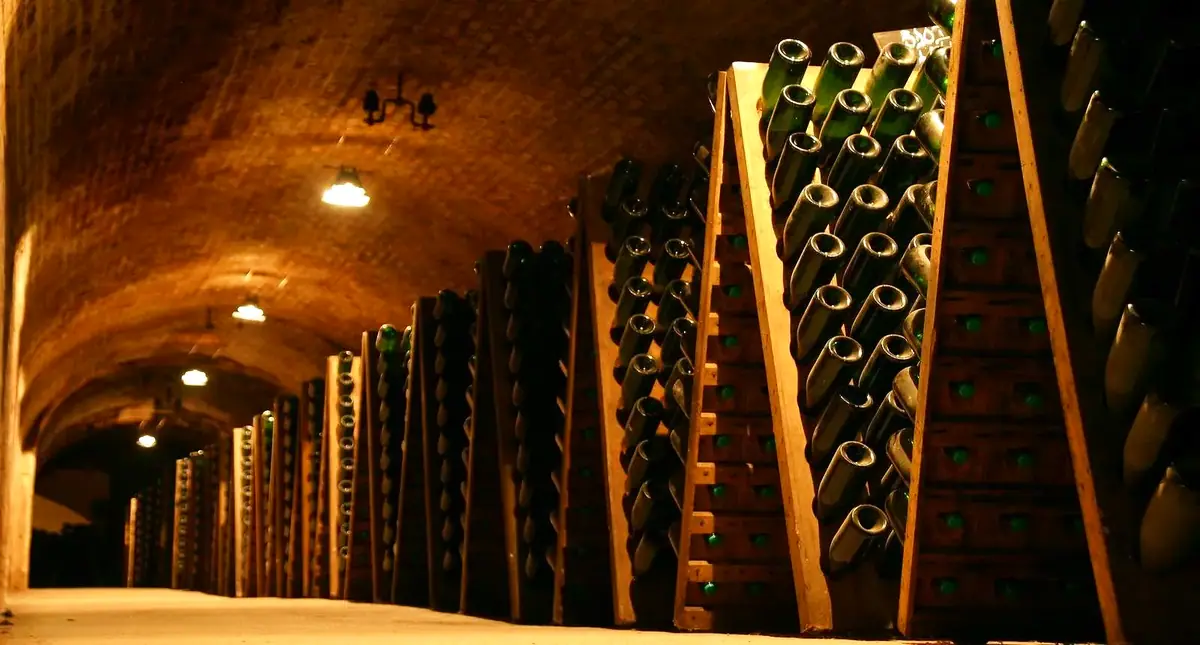
Champagne bottles are ideally stored lying down. This keeps the cork moist, which in turn reduces the risk of oxidation. With sparkling wines such as champagne this matters all the more, because the pressure in the bottle affects how well the cork seals.
Avoiding Vibrations
Champagne should be kept somewhere free of vibrations and knocks. These can disturb the fine bubbles and have a negative effect on the wine's structure. A quiet, stable spot is therefore essential.
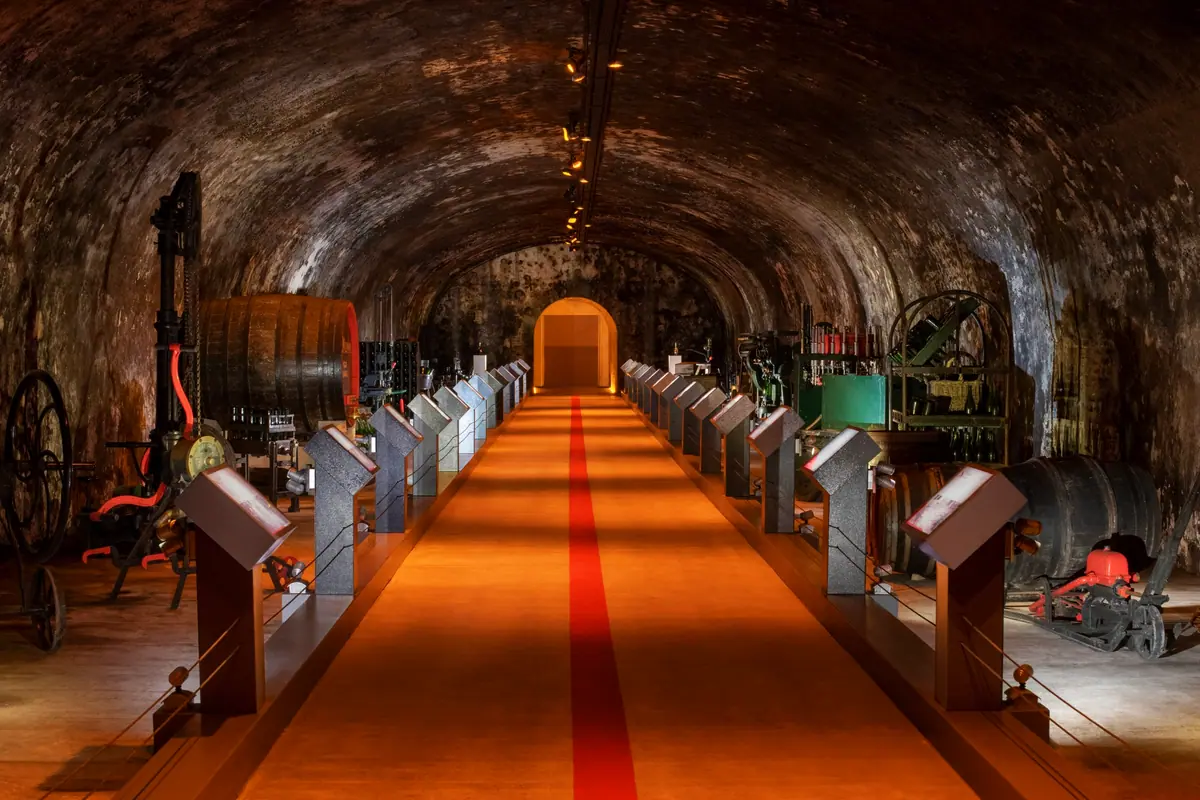 Mumm Champagner Keller
05Long-Term Storage of Champagne
Ageing Potential
Not all champagnes are suited to long-term storage. While some styles benefit from extended ageing, others are best enjoyed young and fresh. Vintage champagnes and certain prestige cuvées often have the potential to age for years and keep developing their aromas.
The Effect of Bottle Ageing
Over time, champagne changes in the bottle. The aromas evolve and the wine can become more complex. This is especially true of high-quality vintage champagnes. Be careful not to keep a bottle for too long, though, because even the best ones eventually pass their peak.
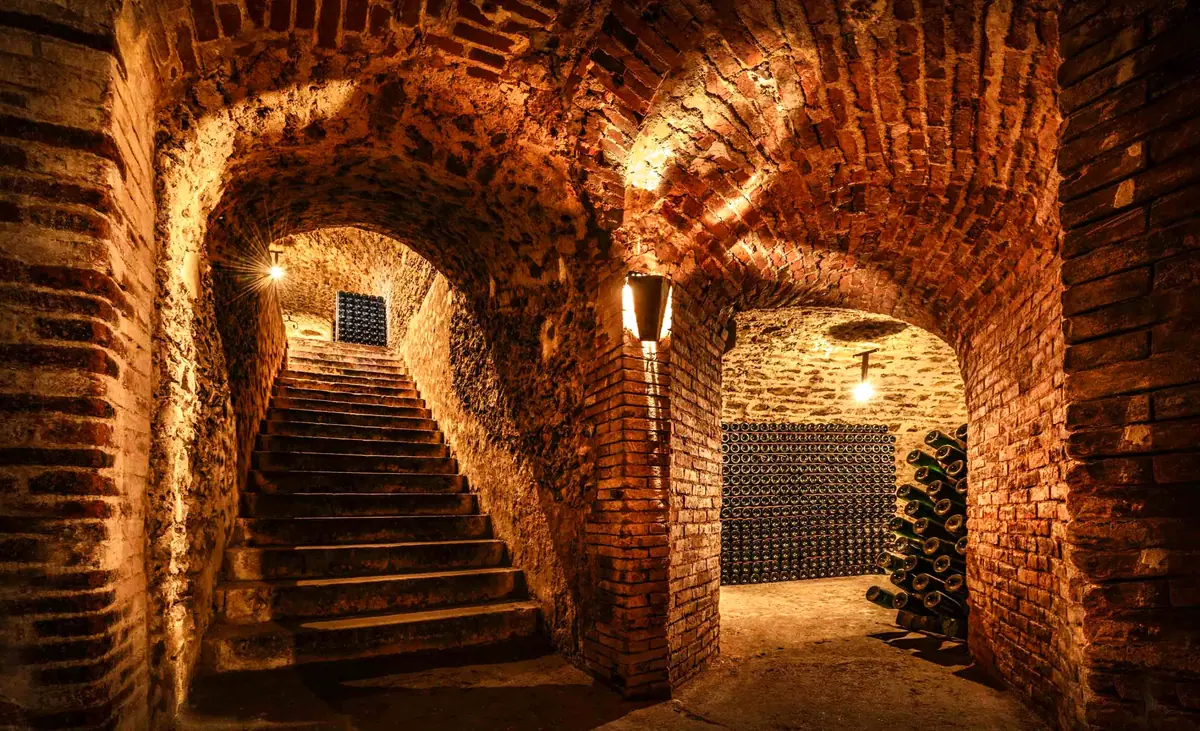 Salon Champagner Keller
06Short-Term Storage and Serving Temperature
Preparing Before Serving
If you are storing champagne for a short time, make sure the bottle is well chilled before you open it. A serving temperature of around 6 to 8 degrees Celsius is ideal for bringing out the aromas at their best. If it is too warm, the champagne can lose its freshness too quickly.
The Right Way to Chill It
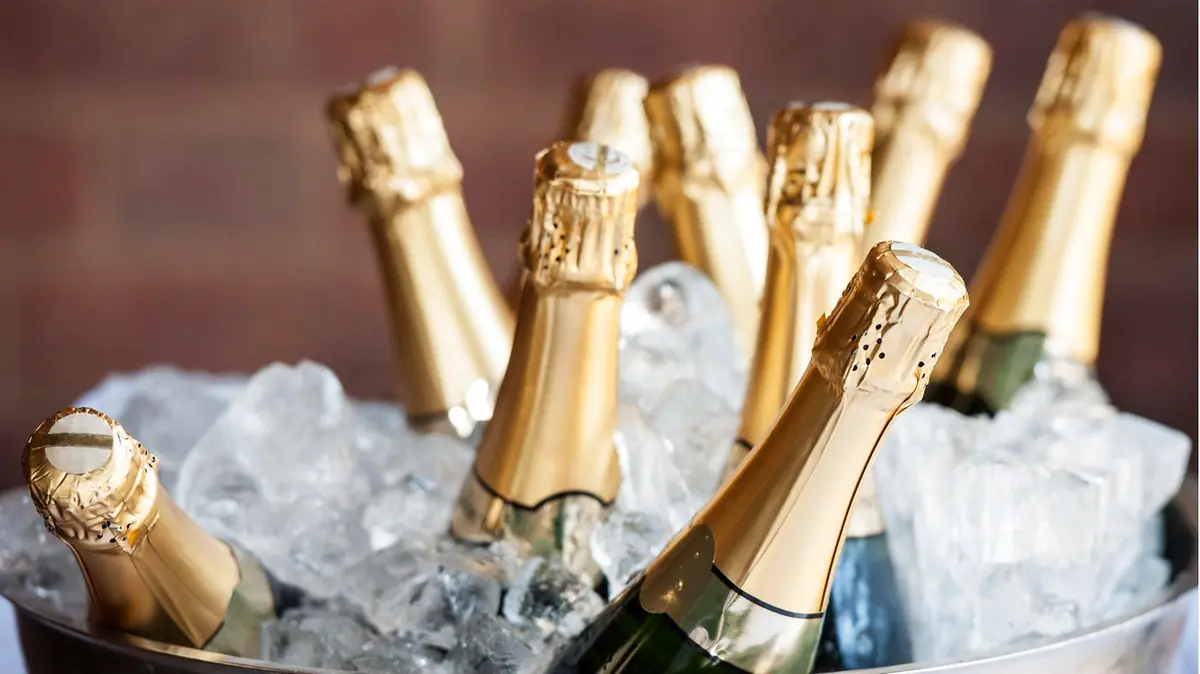
For short-term chilling you can keep champagne in the fridge. Alternatively, you can put it in an ice bucket filled with ice and water. This chills the bottle evenly and quickly, without needlessly shocking the wine.
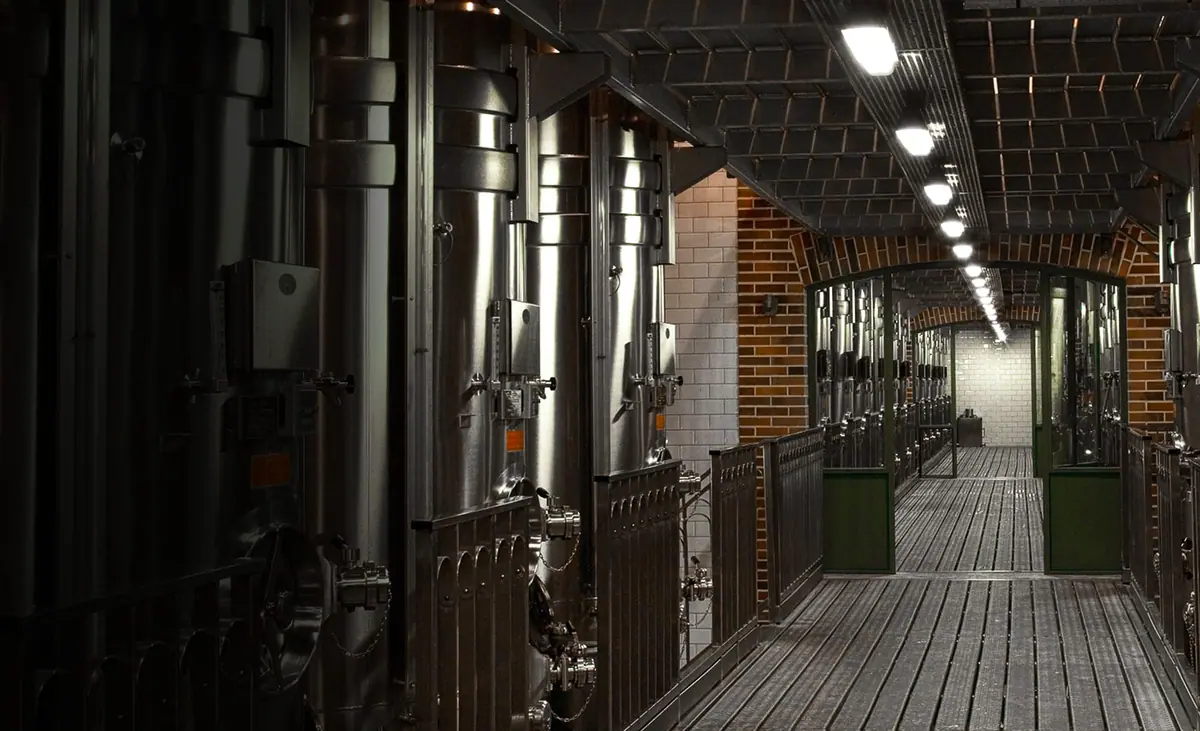 Billecart-Salmon Champagner-Keller
07Mistakes to Avoid When Storing Champagne
Storing It Near Heat Sources
Avoid keeping champagne near heat sources such as radiators or in the sun. Heat can quickly damage the quality of the wine.
Neglecting Bottle Position
Make sure champagne bottles are stored lying down to keep the cork moist. Avoiding vibrations and knocks is equally important for the quality of the champagne.
Insufficient Humidity
Humidity that is too low can dry out the cork and let air into the bottle. Make sure the humidity in your storage area stays constant.
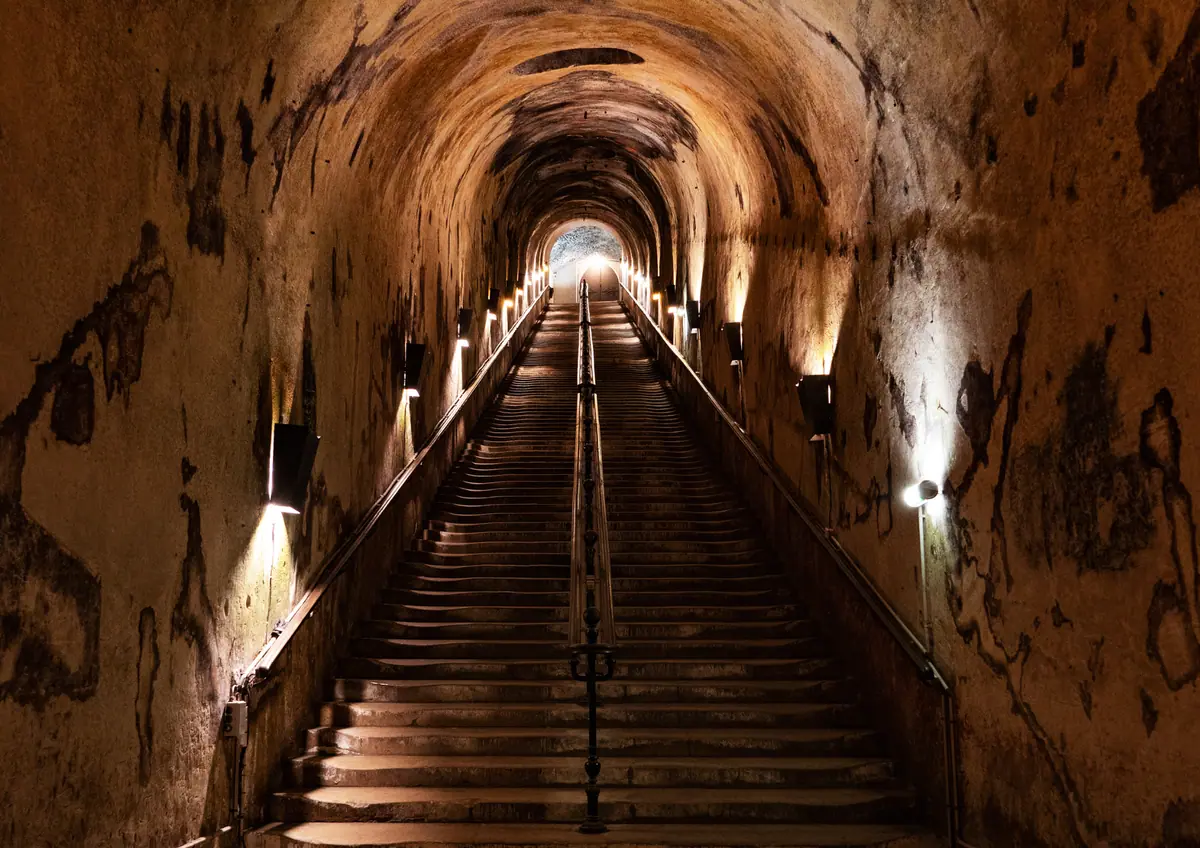 Vranken Champagner Keller
08Special Storage Options
Champagne Fridges
There are fridges designed specifically for champagne that offer ideal storage conditions. They are built around the needs of champagne and provide the right temperature, humidity and protection from light.
Wine Cellars and Storage Rooms
A well-planned wine cellar can also provide an excellent storage environment. It should be cool, dark and quiet to give the best conditions for storing champagne.
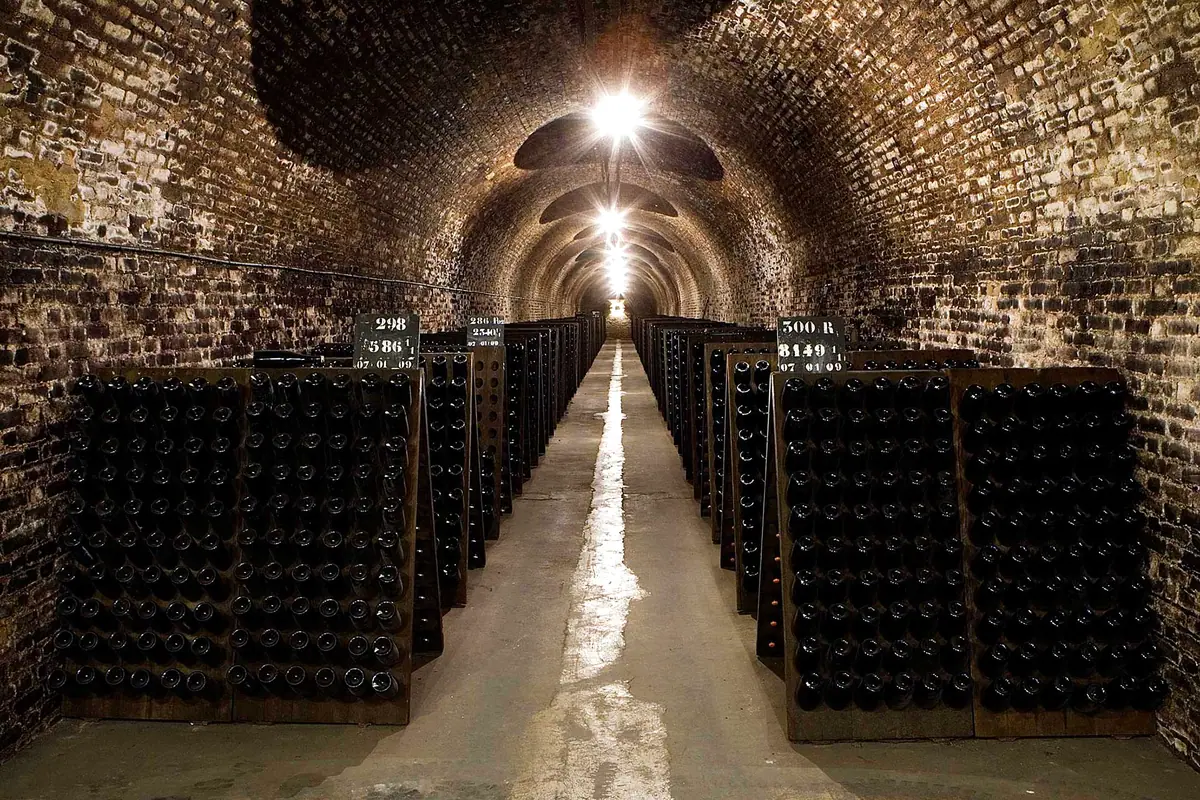 Ayala Champagner-Keller
09Frequently Asked Questions About Storing Champagne
How Long Can Champagne Be Stored?
How long you can keep champagne depends on the style. Vintage champagne can often be kept for many years, while non-vintage champagne is best enjoyed within one to two years of purchase.
Can You Let Champagne Age in the Bottle?
Yes, champagne can age in the bottle, particularly high-quality vintage champagne. Ageing can lead to a more complex and better balanced aromatic profile.
How Can I Tell if Champagne Has Gone Off?
Champagne that has gone off can develop an unpleasant smell and lose its bubbles. If it smells flat or oxidised, it is probably no longer fit to drink.
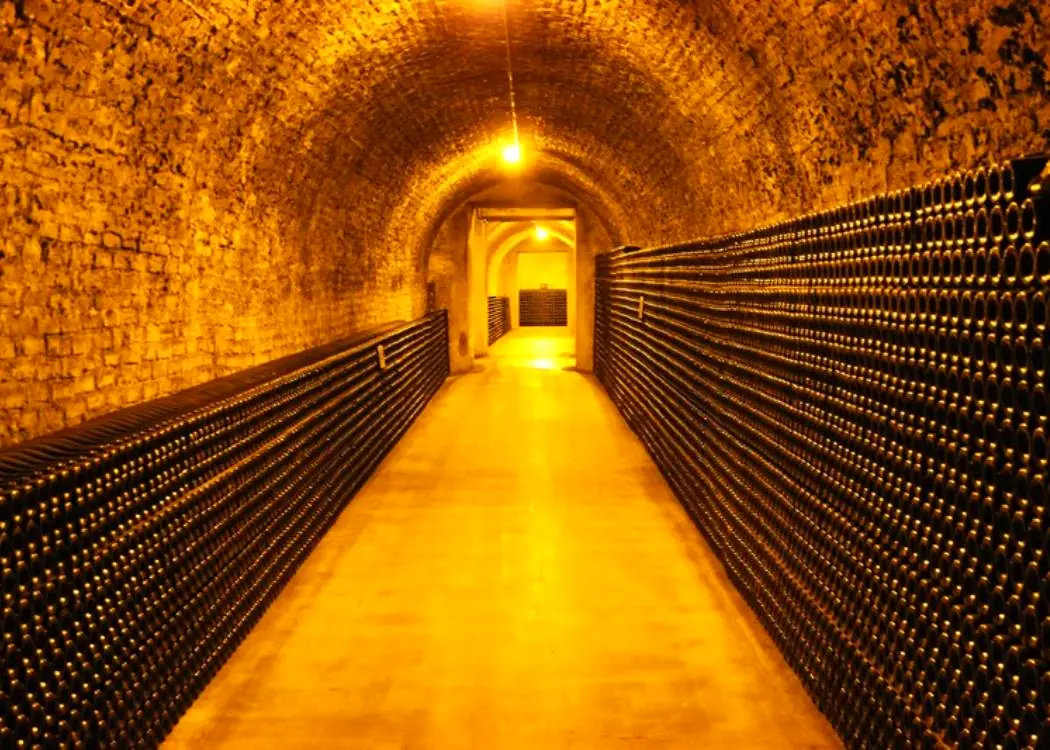
The Importance of Vintage and Champagne House
The value of a vintage champagne is not only a question of age, but also of the name of the champagne house and of the vintage itself. Some vintages are especially sought after because of their exceptional quality and rarity. Champagne houses such as Veuve Clicquot, Dom Pérignon and Krug have made a name for themselves through their quality and history. A vintage champagne from a renowned house can fetch considerable sums on the market, especially if it comes from an outstanding year.
At the famous auction house Christie's, for example, a number of exceptional champagnes have been sold for high prices. Six magnums of Veuve Clicquot Brut 1949 were sold shortly before the year 2000 for US $9,200 each. Three bottles of Dom Pérignon 1964 fetched US $1,139 per bottle, while a bottle of Heidsieck Monopole Goût Américain 1907, salvaged from the wreck of a Swedish ship, brought in US $4,068. These examples show that the combination of vintage, house and proper storage is decisive for the value of a champagne.
The Role of Storage in Increasing Value
Storage is a critical factor that affects taste, quality and ultimately value. Champagne kept under optimal conditions can hold on to its qualities for many years, or even improve. Proper storage can make the difference between an average and an exceptional vintage champagne.
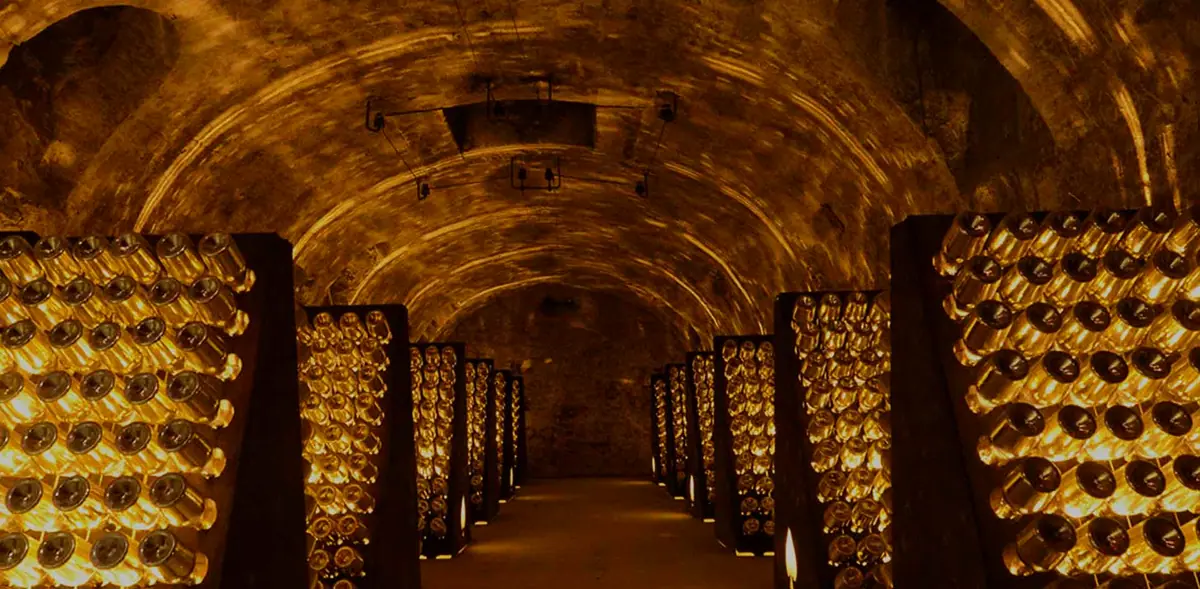 Cattier Champagner Keller
How Storage Affects Taste
Storage influences the aromas and the development of the champagne. In the first years after bottling, champagne develops its typical fruity and fresh aromas. Over time these change into complex notes of nuts, honey and pastry. This depends on how long the champagne has aged on the lees before disgorgement.
Six magnums of Veuve Clicquot Brut 1949 were sold shortly before the year 2000 for US $9,200 each.
A well-stored vintage champagne can improve considerably in aroma and flavour. A champagne that matures in the right conditions can develop an exceptional flavour profile that connoisseurs and collectors prize highly.
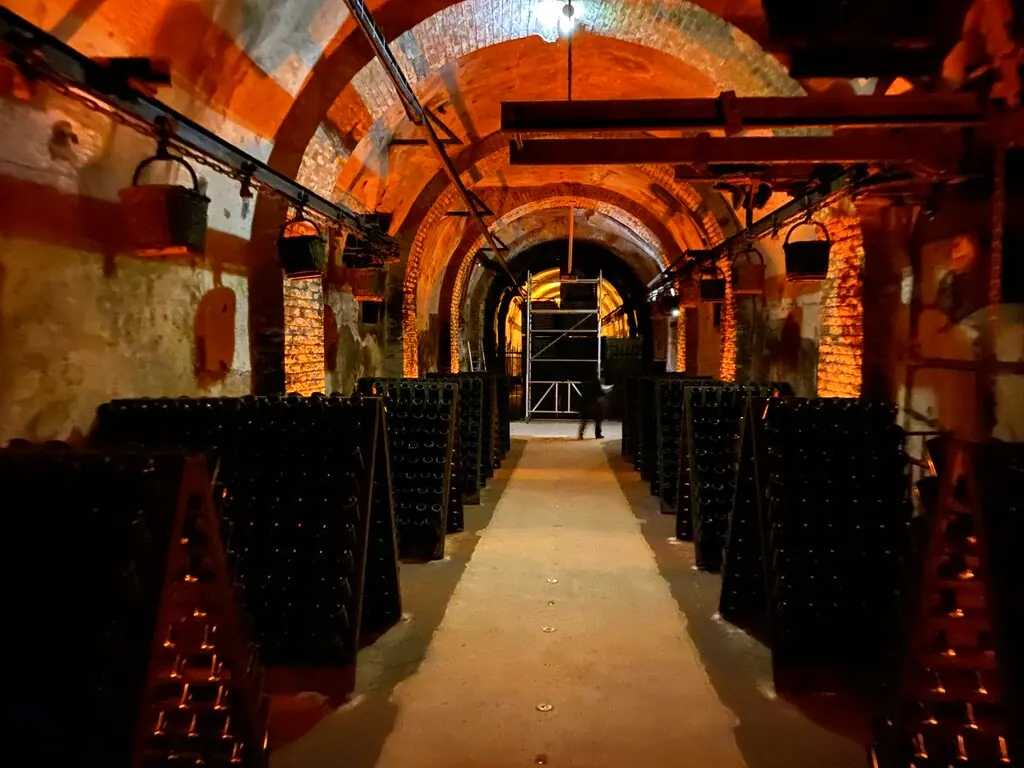
The Value of Old Vintage Champagnes
The value of old vintage champagnes can rise considerably, especially if they have been stored under optimal conditions. The price of such bottles can depend on several factors, such as age, the condition of the bottle and its storage history. Some champagnes kept in exceptional conditions achieve impressive prices at auction. Proper storage matters!
Historic Auction Prices
The auction prices mentioned above give an idea of how high the market value of rare, well-stored champagnes can be. The bottle of Heidsieck Monopole Goût Américain 1907 is an example of a champagne that sold at a high price because of its storage conditions and historic value. It was recovered from a shipwreck and had been kept under constant conditions for over 80 years. The price of US $4,068 shows how much storage can matter to the value of a champagne.
Current Market Conditions
In recent years champagne prices have settled at a more realistic level. Even so, three-figure sums can still be the norm for particularly rare or high-quality bottles. The champagne market remains dynamic, and value can be influenced by factors such as demand for particular vintages and the condition of the bottles.
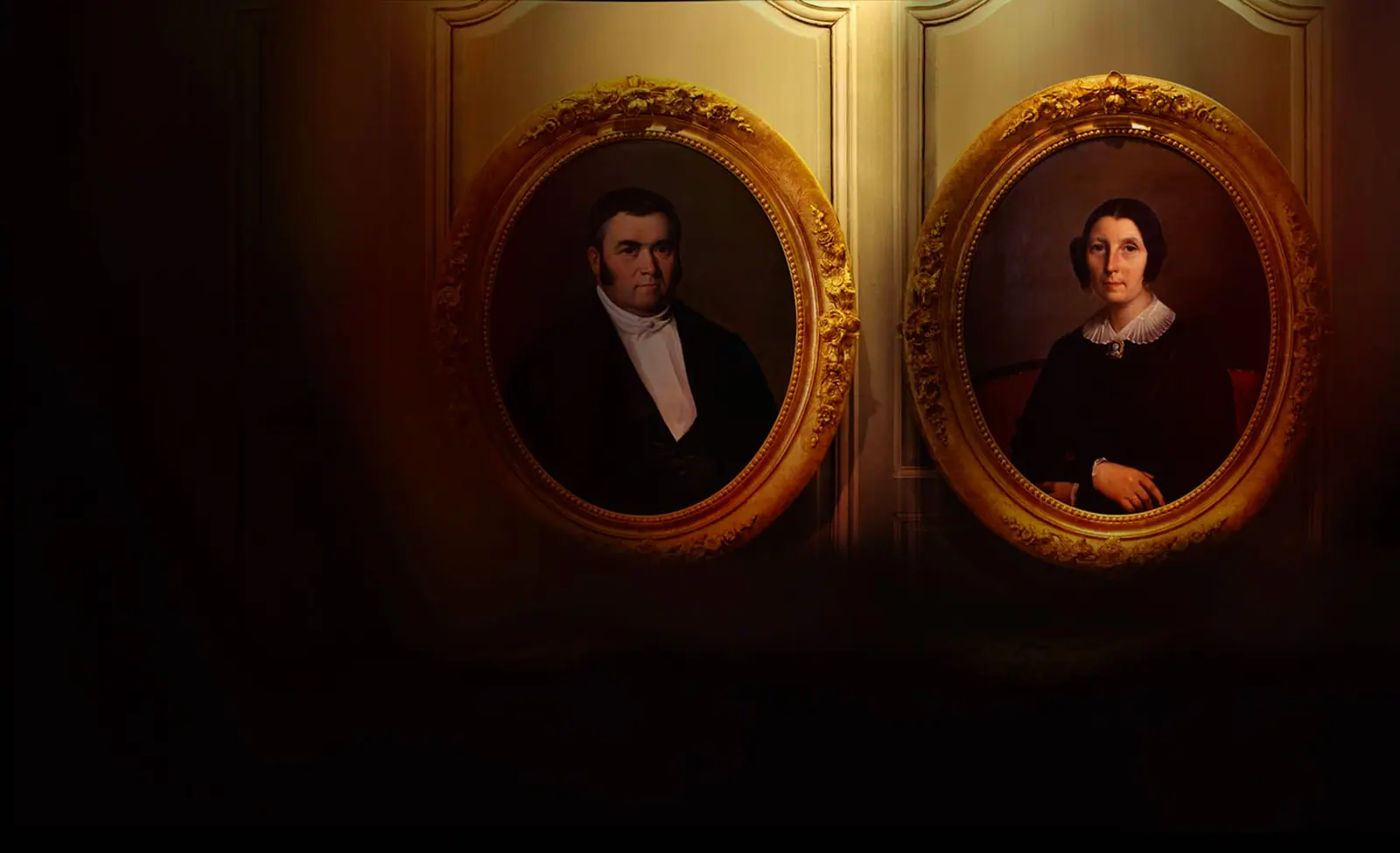
The Cellar Book: An Indispensable Tool for Champagne Collectors
A cellar book is an essential tool for anyone who keeps a collection of champagne. It helps you keep track of the different bottles and record important information. A well-kept cellar book lets you monitor the condition of the bottles and how they are stored, check the storage conditions and follow the value of the collection.
Key Information for the Cellar Book
A thorough cellar book should include the following details:
- Total number of bottles: The number of bottles gives an overview of the size of the champagne collection.
- Number of bottles per cuvée: It is important to record how many bottles of each cuvée you hold, to keep track of availability and the value of each one.
- Date and place of purchase: The date and place of purchase help you trace where the bottles came from and document the history of the collection.
- Purchase price and possible resale price: This information is important for valuing the collection and for future decisions about selling.
- Total price of all bottles: The total value of the collection gives an overview of the financial worth of the champagnes.
- Tasting dates and impressions: Notes on tastings and your impressions of each champagne are valuable for future decisions.
- Friends and occasions: A record of which friends you drank the champagnes with, and on which occasions, preserves personal memories.
- Ageing potential: The estimated ageing potential of each cuvée tells you the best storage period and the best moment to enjoy it.
- Rack or shelf: The exact position of each bottle in the cellar makes it easy to find and organise your bottles.
The Importance of Confidentiality
The cellar book should always be kept somewhere safe to ensure confidentiality. Much of the recorded data is private and can include confidential information about the value and origin of the champagnes. It is sensible to limit access to the book to trusted people, to keep the information secure.
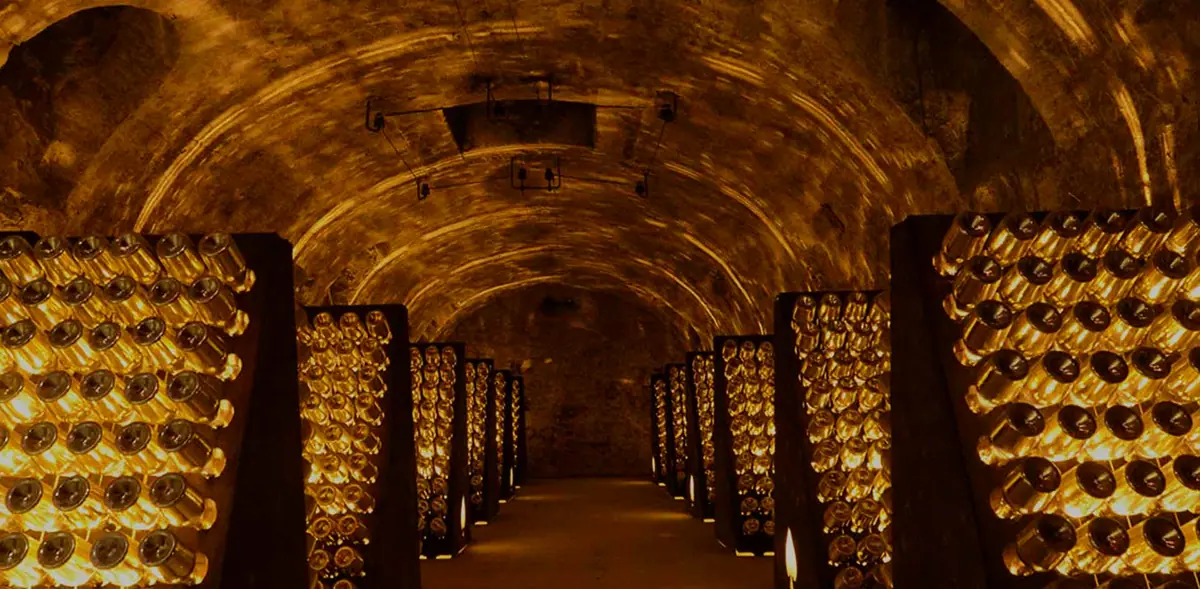 Cattier Champagner Keller
10Conclusion
Storing champagne properly is essential to preserve its quality and flavour. By following the tips above and creating the best storage conditions, you can make sure your champagne is always in the best possible shape. Remember that good storage not only protects the champagne, it also supports its development and maturation. Enjoy your sparkling wine in the knowledge that it has been kept under the best conditions.
Pictures
 0 %
