
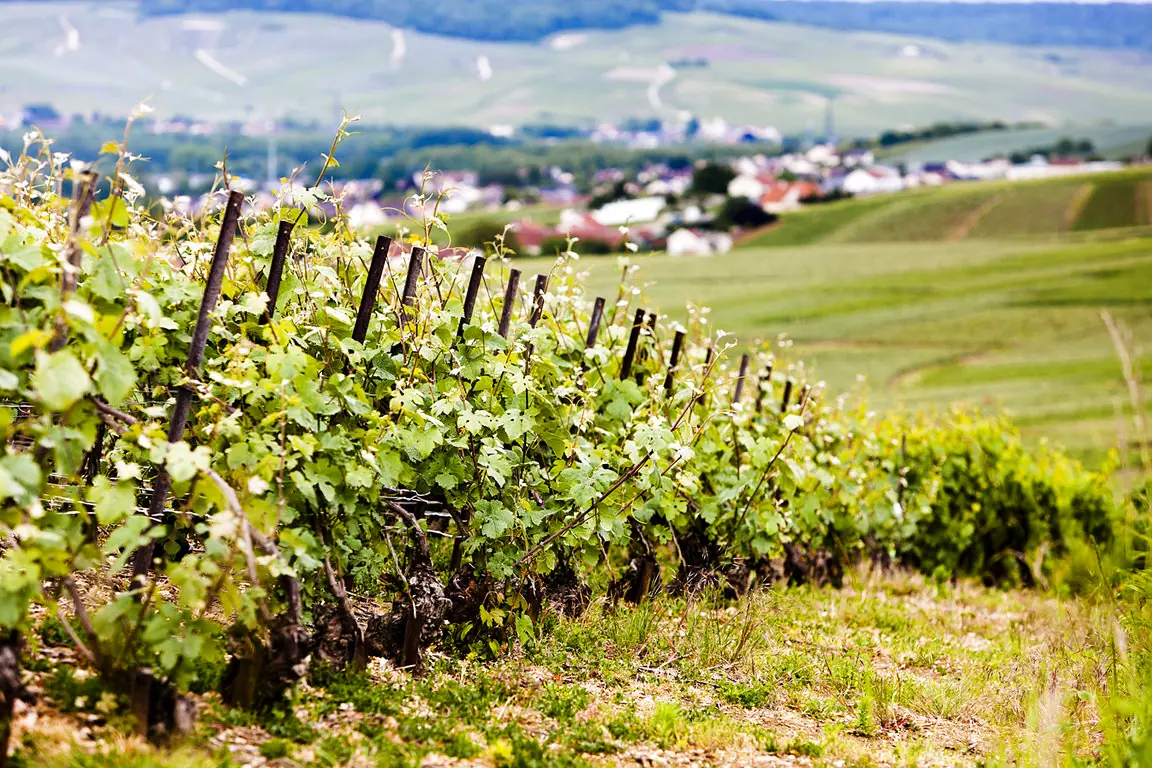
The Champagne region lies in the heart of France, about 130 km east of Paris, and is home to the noble vines and the vineyard area.
A key criterion in drawing the boundaries of the wine region was the nature of the soil. The belemnite chalk from the Secondary era and its trace elements are unique. The chalk is covered by a layer of humus and clay roughly 20-50 cm thick, which the roots of the vines penetrate deep into the chalk. A precious balance results: besides the nutrients in the humus, the chalk not only holds the ideal amount of moisture but also stores the warmth of the day and slowly gives it back to the vines at night: a natural air conditioning system!
The tall forests protect the vines from harsh winds. The weather in Champagne is changeable and, depending on the season, can sometimes be very hard. Over the centuries, though, champagne has developed very happily here, because it is generally neither too cold nor too hot. Every year, shortly before the harvest, the quantity of grapes per hectare that may be used to make champagne is set by law: in 1996, for example, a maximum of 10,400 kg of grapes per hectare was entitled to the AOC designations Champagne and Coteaux Champenois (still wine from Champagne).
The total area agreed at the time is now completely planted with vines, so the vineyard area has since been extended by a further 150 km.
One advantage worth mentioning is that, thanks to the different soil types and microclimates, champagne is no longer homogeneous and can therefore vary greatly in taste and appearance from region to region.
The most important regions are therefore the Vallée de la Marne, the Montagne de Reims, the Côte des Bar and the Côte des Blancs.
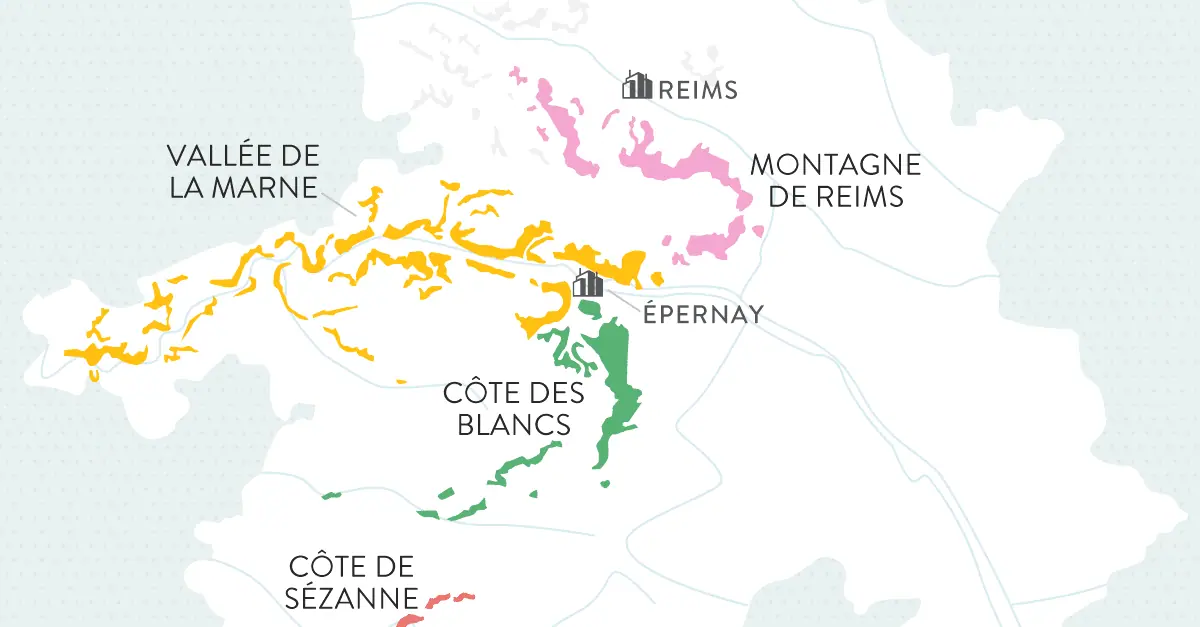 Landkarte der Champagne, Lexikon
01The delimited vineyard area of 1927
The area in which the champagne vines grow is unique in the world, because on 22 July 1927 it was laid down that the grapes for champagne may only be grown on an area of 33,500 hectares. In passing this rule (Appellation d′Origine Contrôlée), people looked a long way ahead and decisively shaped the quality of the drink right up to the present day. Around 30,700 ha are productive (3% of France's vineyard area). Within this Zone délimitée there are four main areas:
- Montagne de Reims | The Reims mountains
- Vallée de la Marne | The Marne valley
- Côte des Blancs | The white slope
- Côte des Bar / Sézanne | The southern vineyard area
No champagne may be produced outside these areas.
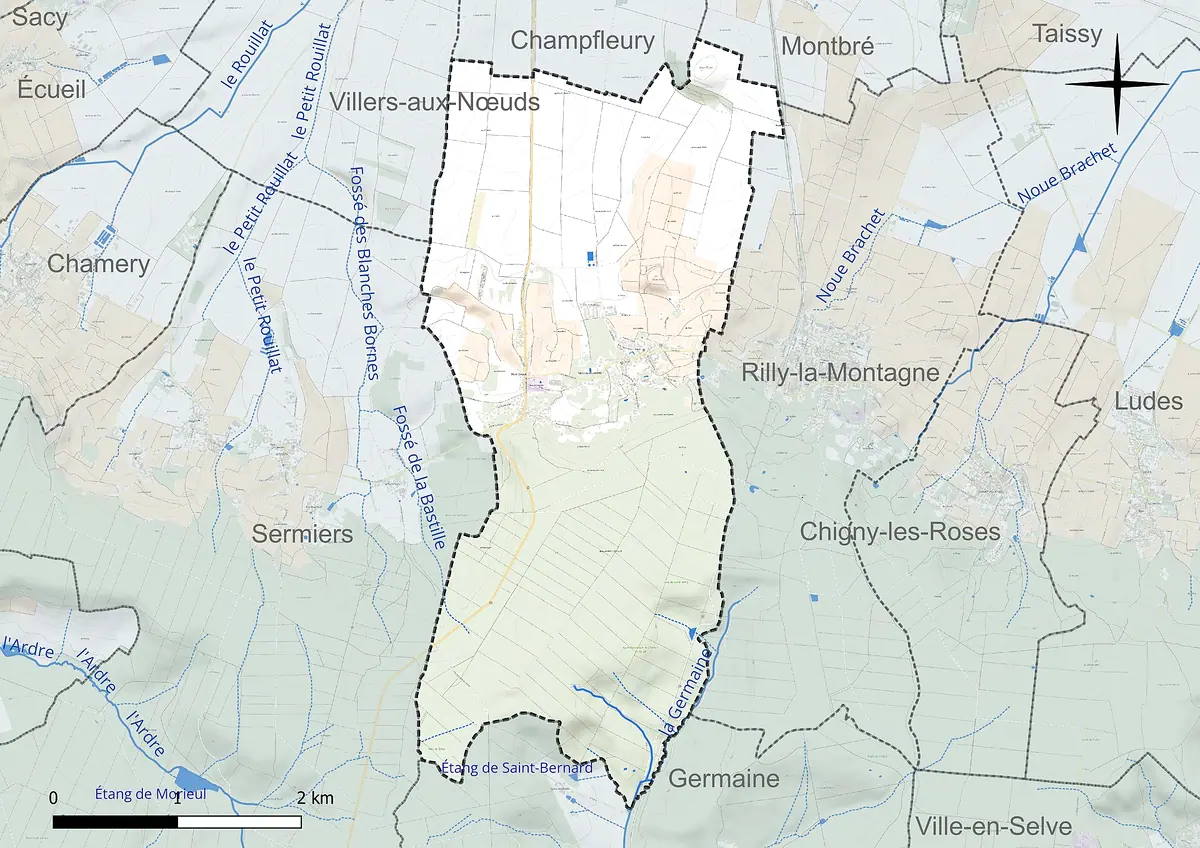
02Champagne
In Champagne, a famous wine region in France, there are numerous vineyard areas, villages and towns, all of which play their part in producing this prized sparkling wine. Here is a complete list of the main vineyard areas and the villages and towns that belong to them:
Vineyard areas (cru and sub-cru regions)
- Montagne de Reims
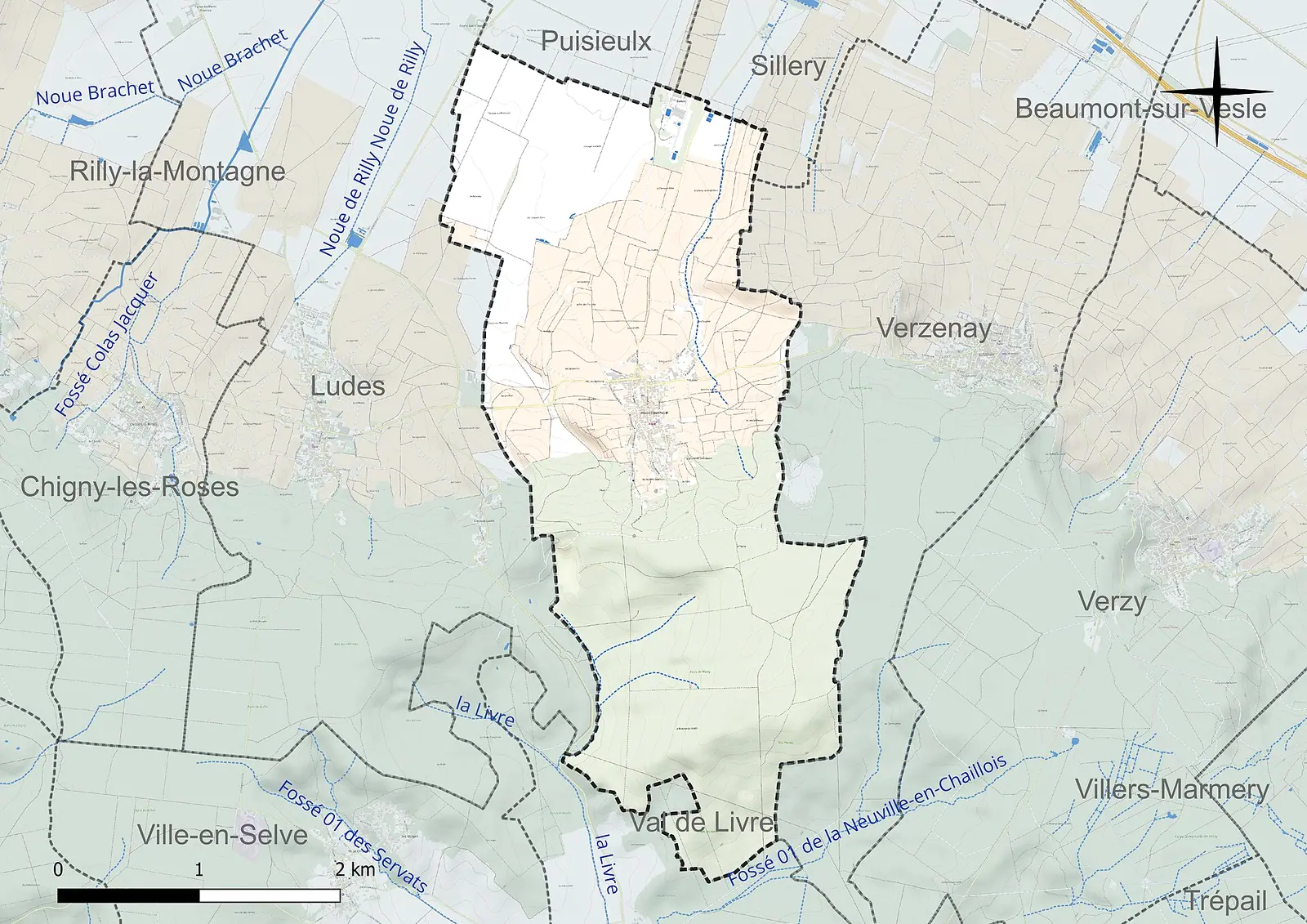
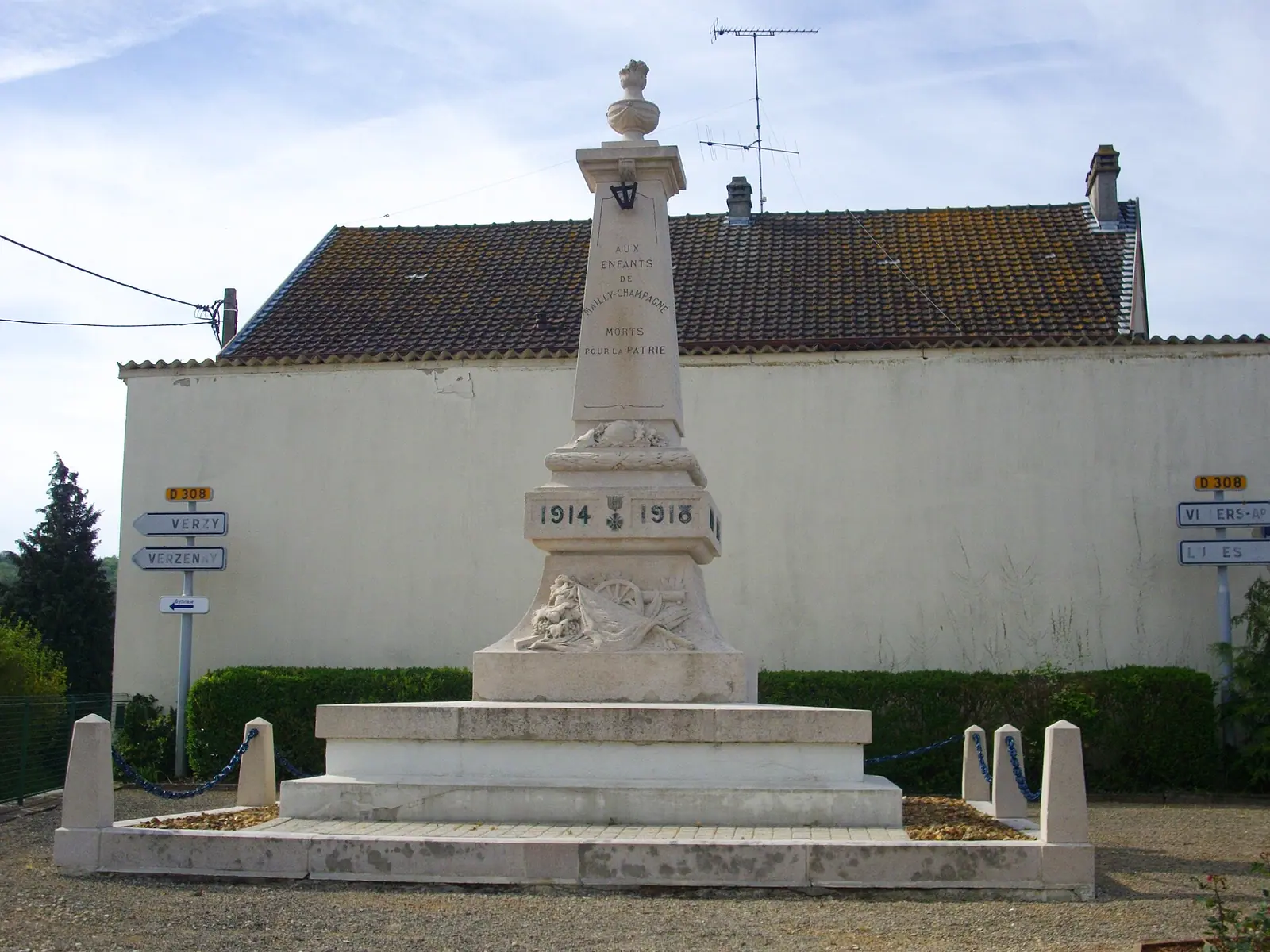
- Villages/towns: Verzy, Verzenay, Bouzy, Ambonnay, Mailly-Champagne, Ludes, Puisieulx, Sacy, Rilly-la-Montagne, Tauxières-Mutry, Ludes, Villers-Marmery
- Vallée de la Marne
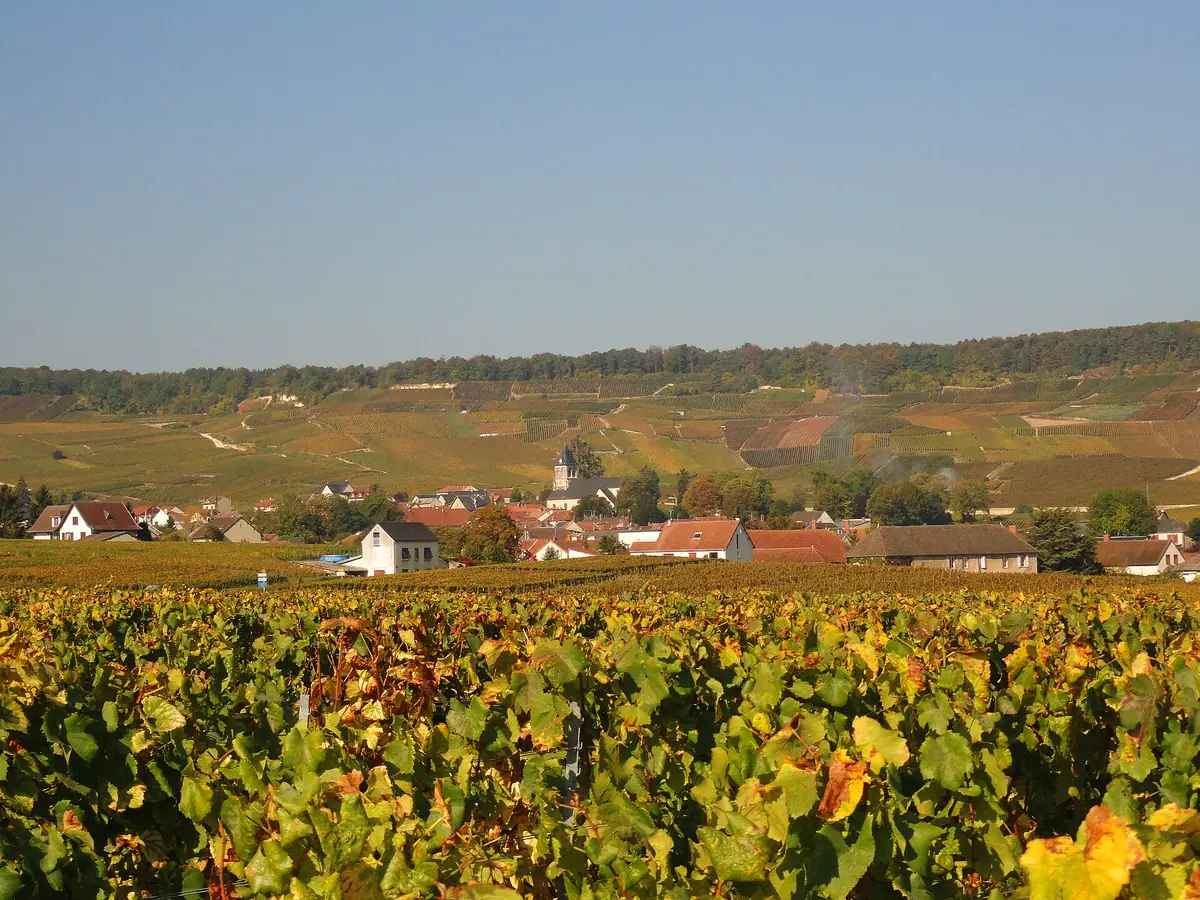
Foto: October Ends, CC BY-SA 3.0, Wikimedia Commons - Villages/towns: Épernay, Dizy, Hautvillers, Mardeuil, Cumières, Damery, Festigny, Aÿ, Chouilly, Le Breuil, Oiry, Venteuil
- Côte des Blancs
- Villages/towns: Le Mesnil-sur-Oger, Avize, Cramant, Oger, Chouilly, Vertus, Bergères-les-Vertus
- Côte de Sézanne
- Villages/towns: Sézanne, Montgenost, Verdelot, Broyes
- Côte des Bar
- Villages/towns: Bar-sur-Aube, Bar-sur-Seine, Montgueux, Essoyes, Polisy, Marnay-sur-Seine
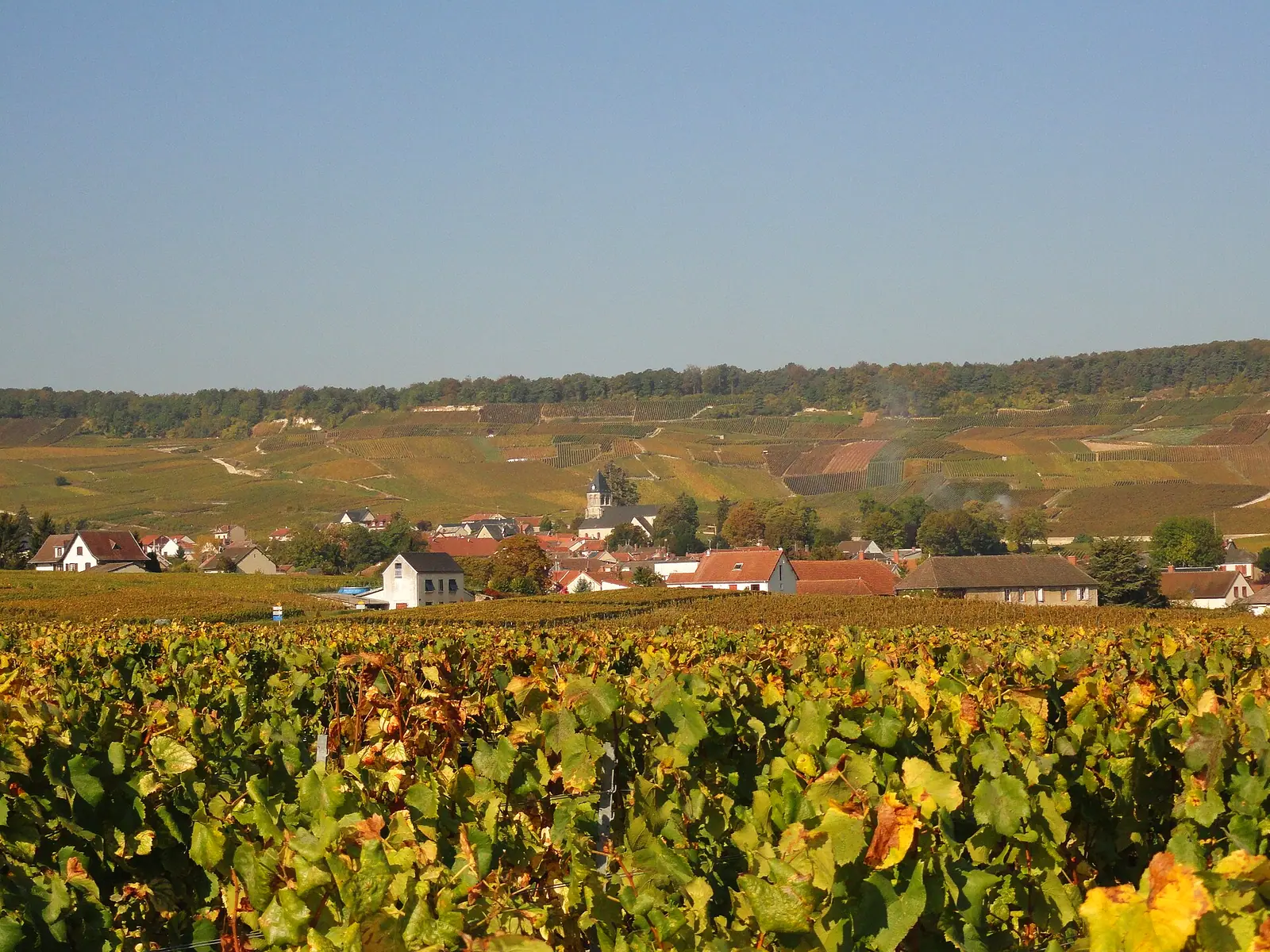
Notable villages and towns
- Épernay: One of the most important towns for champagne production, often called the "capital of champagne".
- Hautvillers: Known as the place where Dom Pérignon, the famous champagne monk, lived and worked.
- Aÿ-Champagne: A well-known vineyard area in the Vallée de la Marne, famous for its high-quality champagnes.
This list gives an overview of the main vineyard areas and villages that matter for champagne production.
An overview of almost all the places, villages and communes in Champagne
The Champagne region is dotted with small villages and communes, many of them closely tied to viticulture and champagne production. Here is a list of around 300 of these places, known for their vineyards and champagne houses:
This list covers a wide selection of small villages and communes, all of them in Champagne and connected to the making of champagne. Some of the places are better known, others much less so, but each of them adds to the region's rich champagne culture.
Pictures
 0 %
