
- Département
- Aube (Grand Est region)
- Site
- Champagne crayeuse (dry Champagne), on the Huîtrelle, about 35 km north-north-east of Troyes
- Inhabitants
- 268 (2023)
- Source
- Wikipedia, eigene Zusammenfassung
Lhuître is a small village in the Aube département, in the Champagne crayeuse (dry Champagne) on the Huîtrelle. It is known not for champagne but for arable farming and the pilgrimage church of Sainte-Tanche.
Location
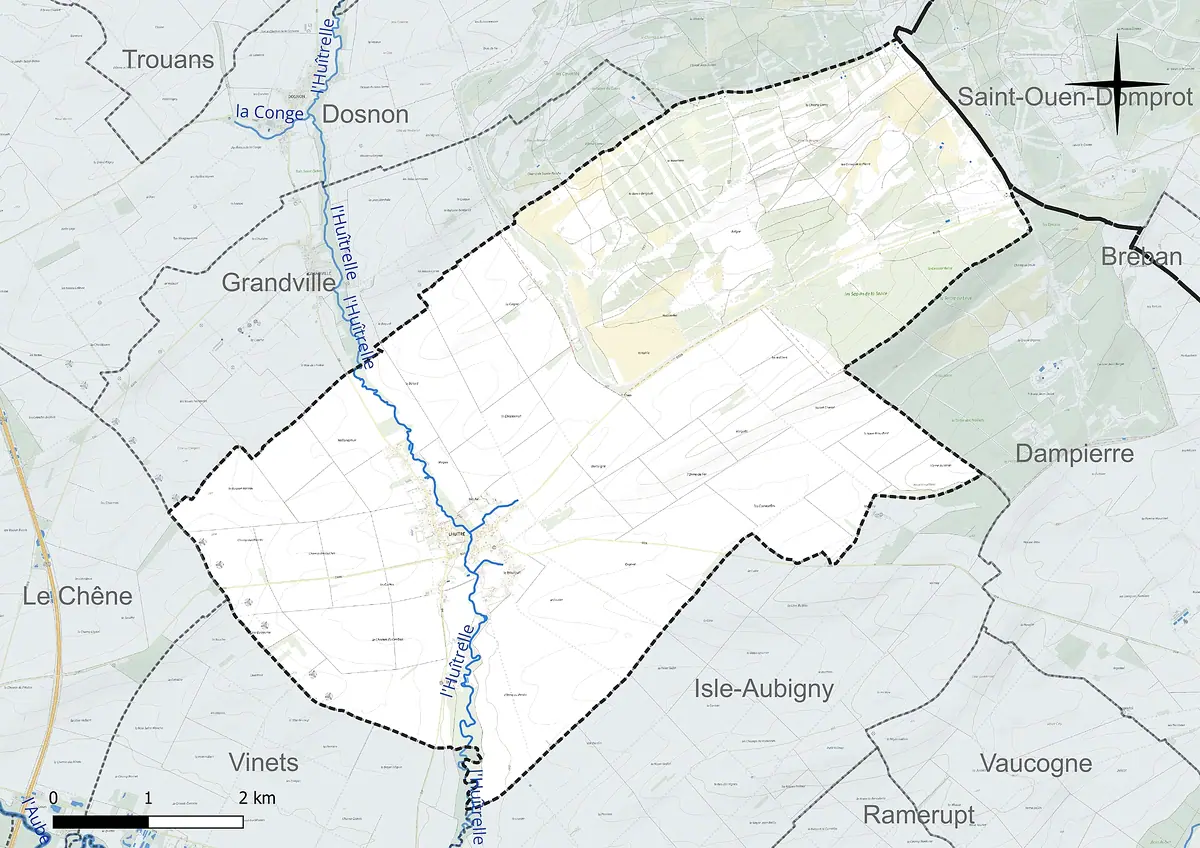
Lhuître lies in the Aube département in the Grand Est region, about 35 kilometres north-north-east of Troyes. The village sits on the little river Huîtrelle, which flows through the Champagne crayeuse, the chalky or dry Champagne (Champagne sèche). The Huîtrelle is 23 kilometres long, rises at Mailly-le-Camp and joins the Aube near Vinets. Administratively, Lhuître belongs to the arrondissement of Troyes and the Région d'Arcis-sur-Aube community of communes. Neighbouring villages include Trouans, Dampierre, Vinets and Grandville.

Landscape and farming
At 36 square kilometres, the commune is fairly large and the terrain is almost flat. Around 62 per cent of the land is arable, and a good fifth is woodland, mostly in the north-east. That is also where part of the Mailly military camp lies. Mainly cereals are grown, along with some vegetables. Fourteen farms operate in the commune. The climate is oceanic: the nearest weather station, at Dosnon five kilometres away, records an average of 11.0 °C and just under 700 millimetres of rain a year (1991 to 2020).
In 1578 a blaze destroyed 19 houses, and in 1560 every house in the Rue de la Forge burned down.
History
The lordship of Lhuître was once split in two: the side to the left of the Huîtrelle belonged to Rosnay, the other to Ramerupt. Early lords may have included Garnier de Luistre, between 1145 and 1147, or Helvise de Lhuitre, who is mentioned in 1200. For 1663 there is a record of a château owned by François Picot, with eight heated rooms, a dovecote, a dairy, a stable, barns and gardens.
The village suffered repeated fires. In 1578 a blaze destroyed 19 houses, and in 1560 every house in the Rue de la Forge burned down. In 1874 lightning struck the church, and in 1886 a fire in the Rue Sainte-Tanche destroyed 19 houses and 15 barns. The population peaked in 1806 at 720. In 2023 only 268 people lived here.
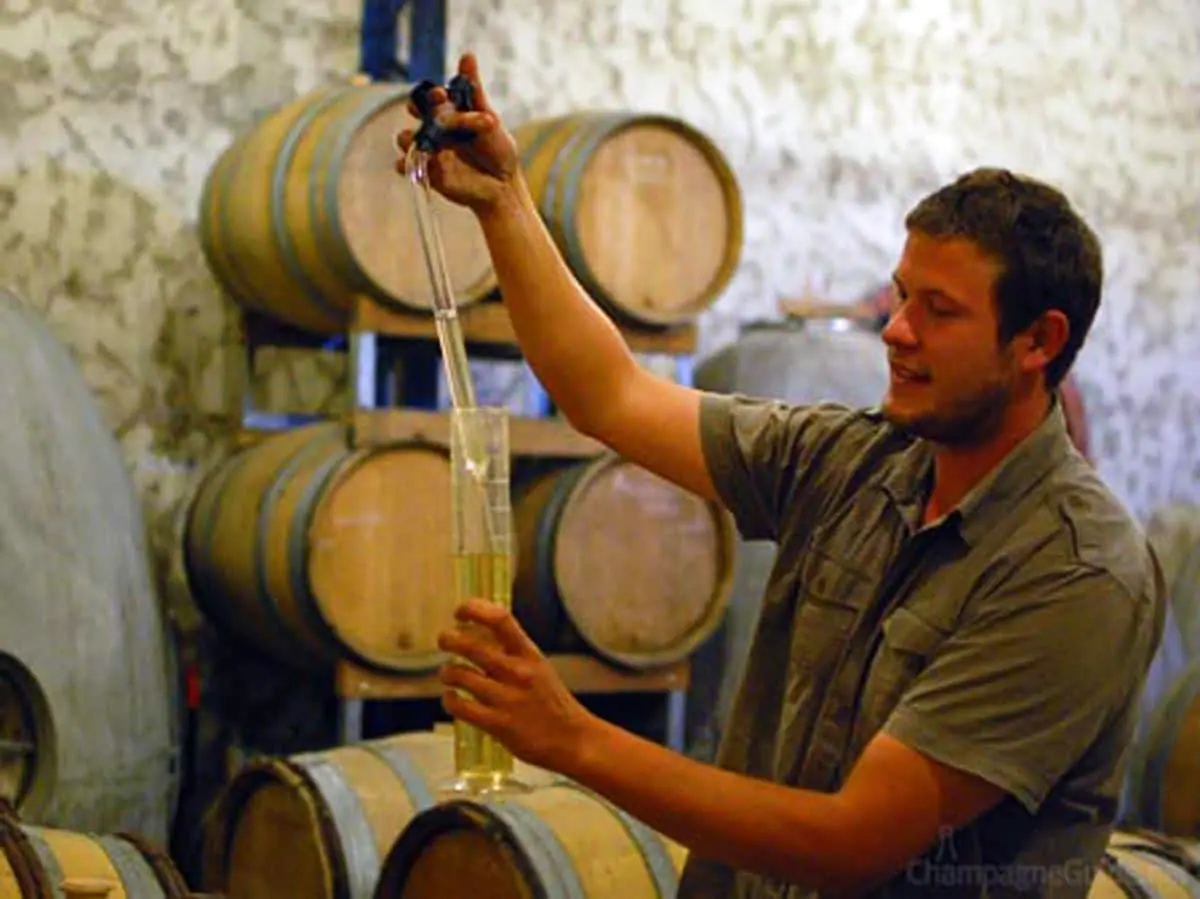 Chartogne Taillet Champagne
What to see
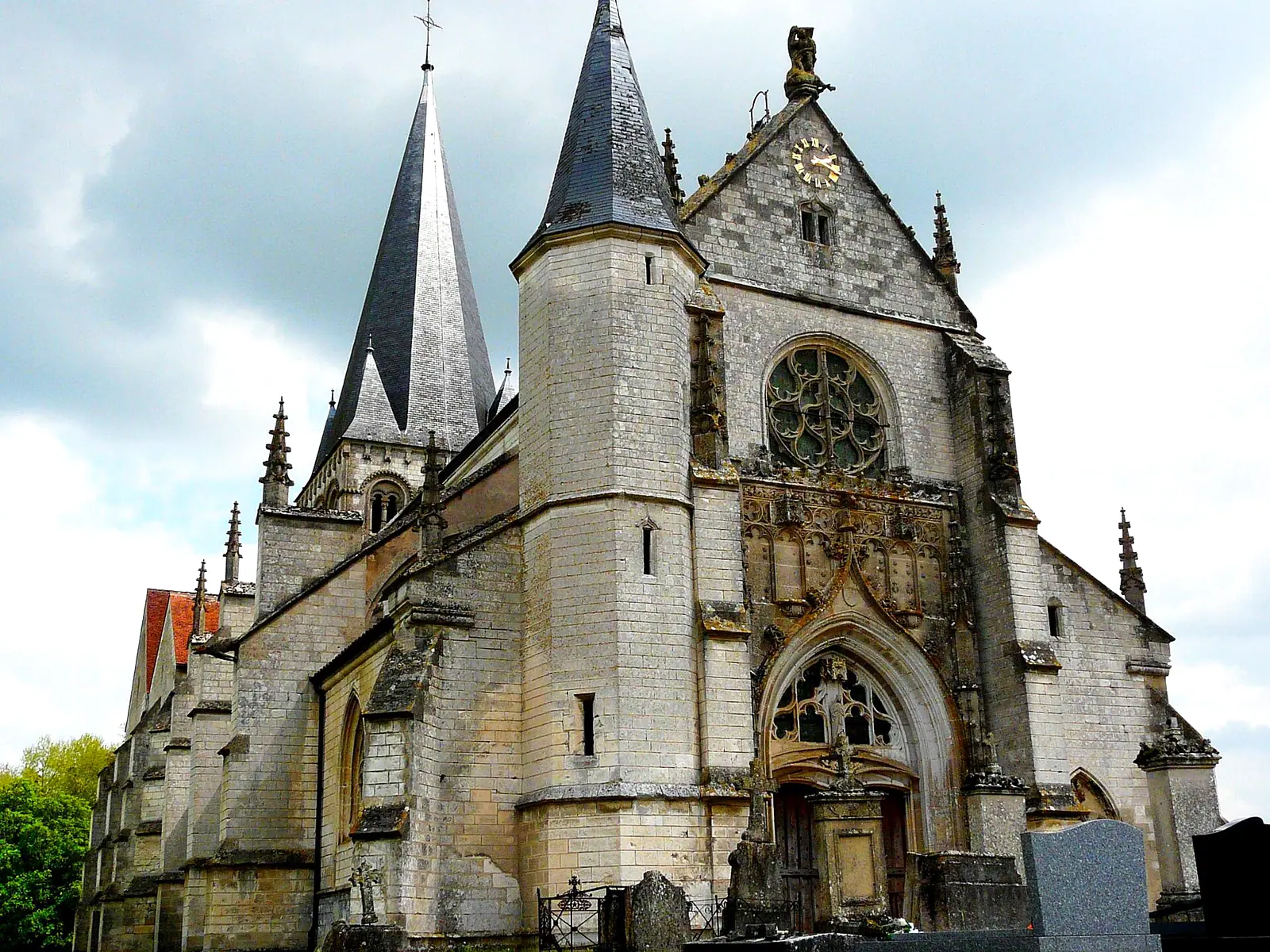
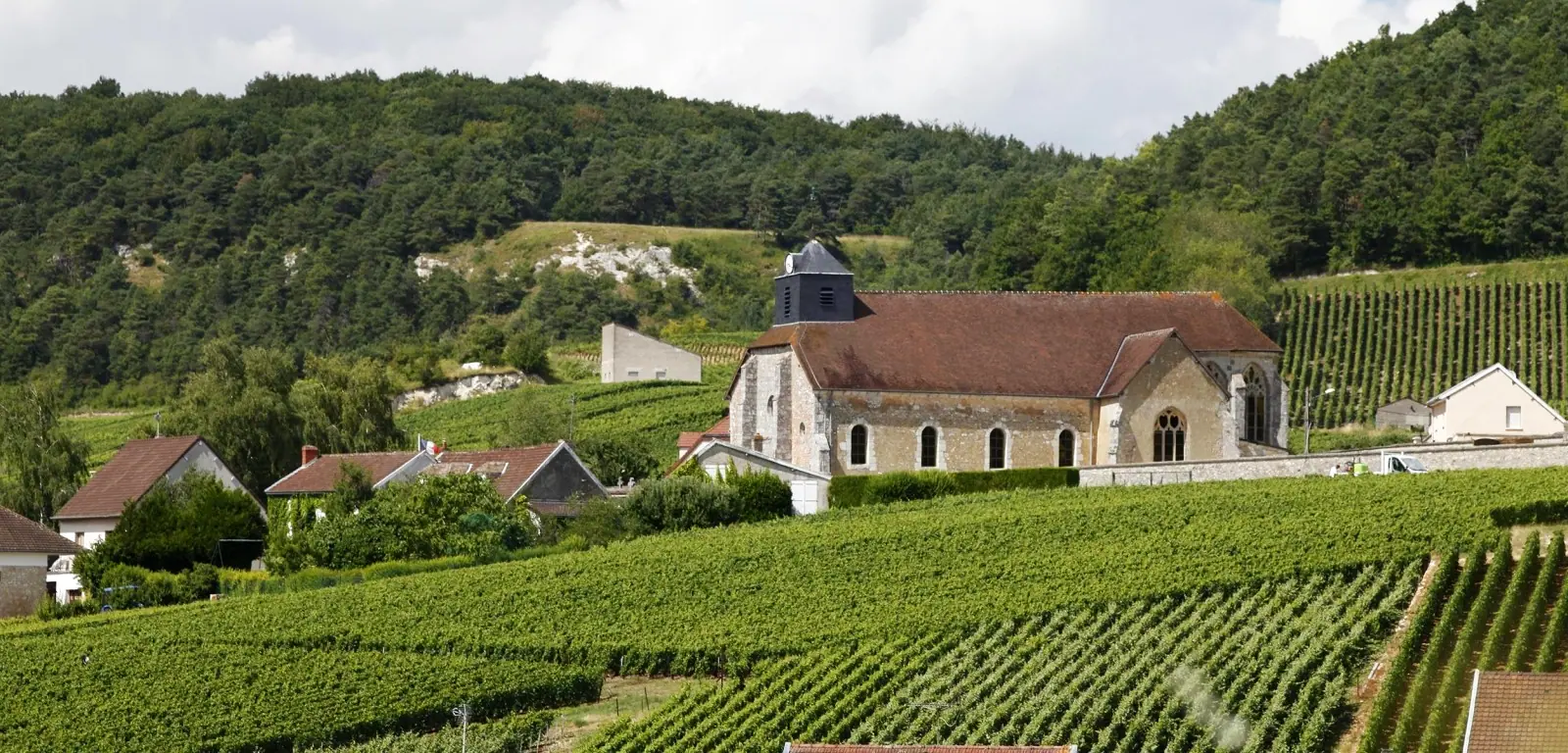
- The church of Sainte-Tanche, built in the 12th and 16th centuries and protected as a monument historique since 1862, serves as a pilgrimage church.
- The chapel of Sainte-Tanche stands at a fork in the road about 1.5 kilometres north-east of the village.
Lhuître and champagne
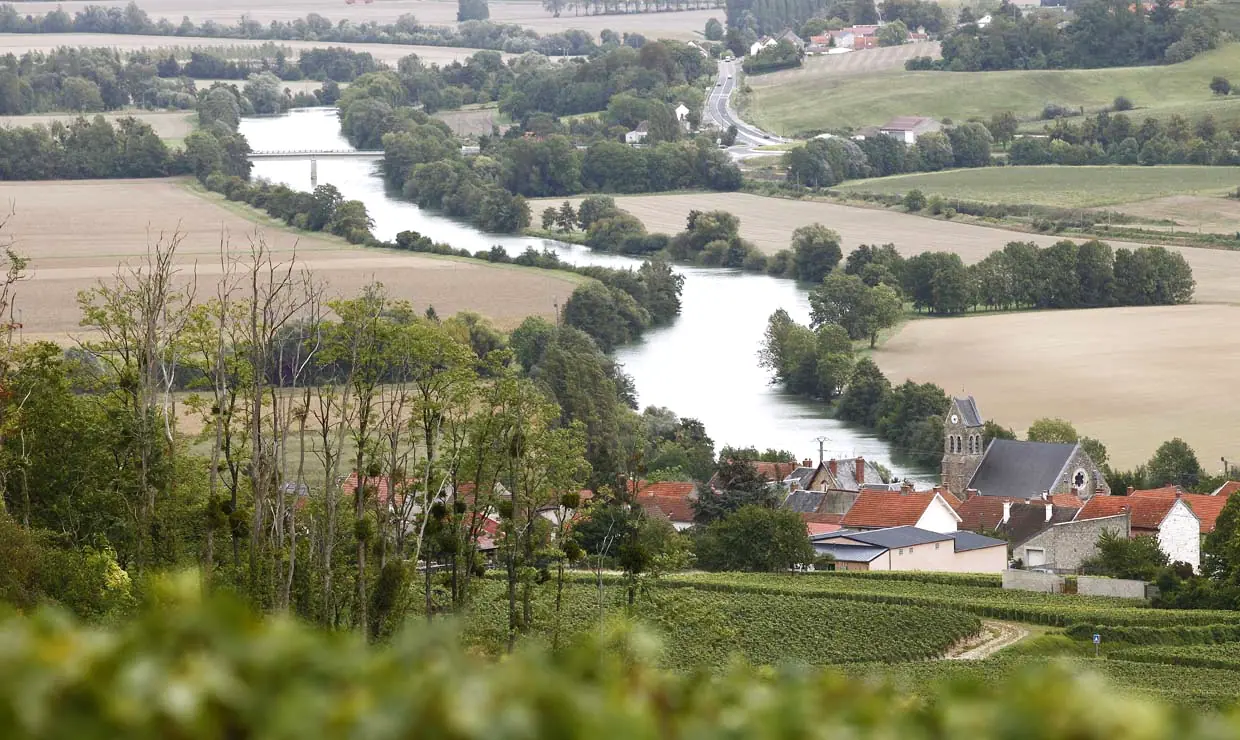
Lhuître does not figure as a wine village. It is neither a grand cru nor a premier cru, and the sources available mention no vineyard area and no champagne houses. Anyone stopping here sees the rural side of Champagne: wide fields on chalky soil instead of rows of vines. Getting here is easy, as the A26 motorway has a junction at Torcy-le-Petit, eight kilometres away. For wine lovers, Lhuître makes a handy stop on the way to the wine villages of the Aube.
Pictures


 0 %
