
- Département
- Marne
- Site
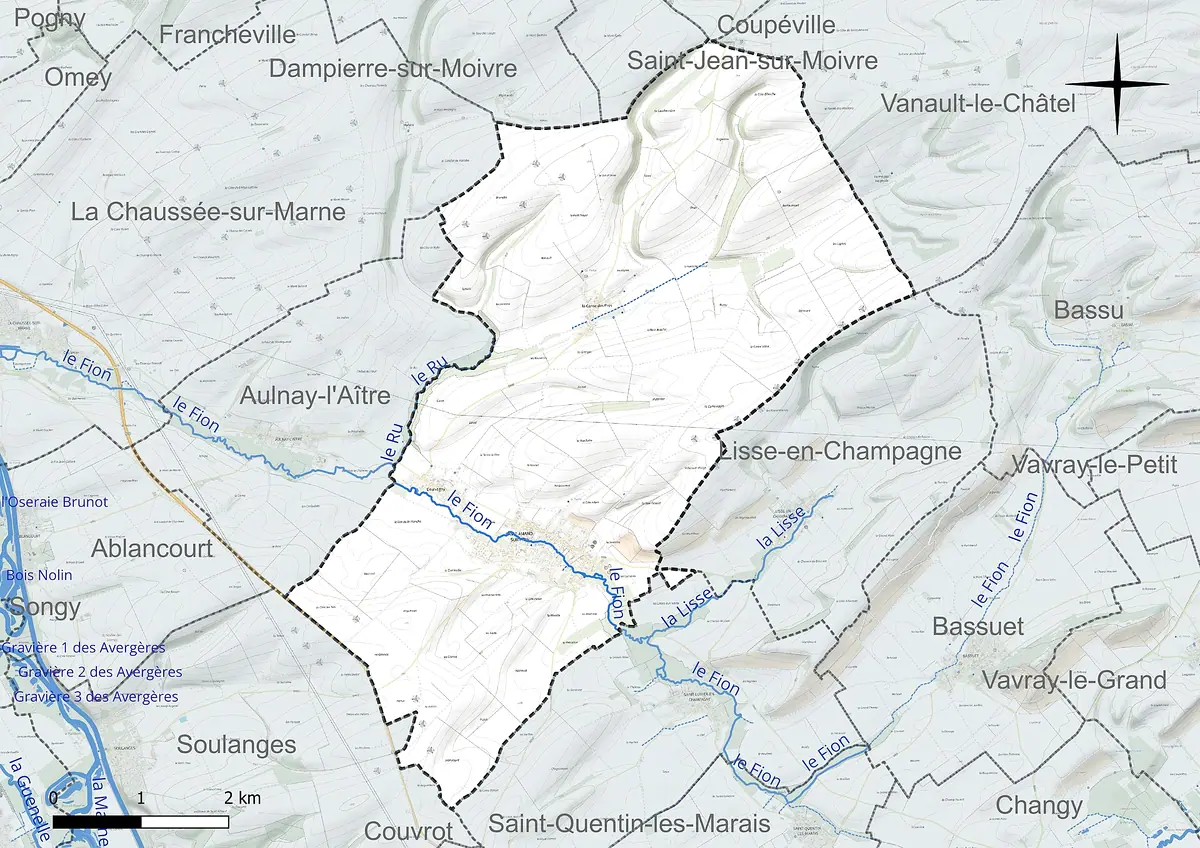
- South-east of the Marne, in the Fion valley near Vitry-le-François
- Inhabitants
- 1,015 (as of 1 January 2023)
- Source
- Wikipedia, eigene Zusammenfassung
A village of just over 1,000 inhabitants in the Marne département, close to Vitry-le-François. Not a cru village, but known for its half-timbered farmsteads, mills on the Fion and a 12th-century church.
Location
Saint-Amand-sur-Fion lies in the Marne département, in the arrondissement of Vitry-le-François and the canton of Sermaize-les-Bains. As of 1 January 2023 the commune had 1,015 inhabitants. The village stretches along both banks of the River Fion, and the commune also includes the hamlets of Coulvagny and La Cense des Prés. It has little in common with the famous wine villages of Champagne: it is classified neither as grand cru nor as premier cru.
The Fion and its mills
The Fion rises at Bassu and, after 21 kilometres, flows into the Marne at La Chaussée-sur-Marne. Its particular feature is that it never dries up. That is why mills line its course: Saint-Amand-sur-Fion alone has four of them, plus two ruins. The name of the river goes back to the Latin flumen, which also underlies the Italian fiume.
Landscape and climate
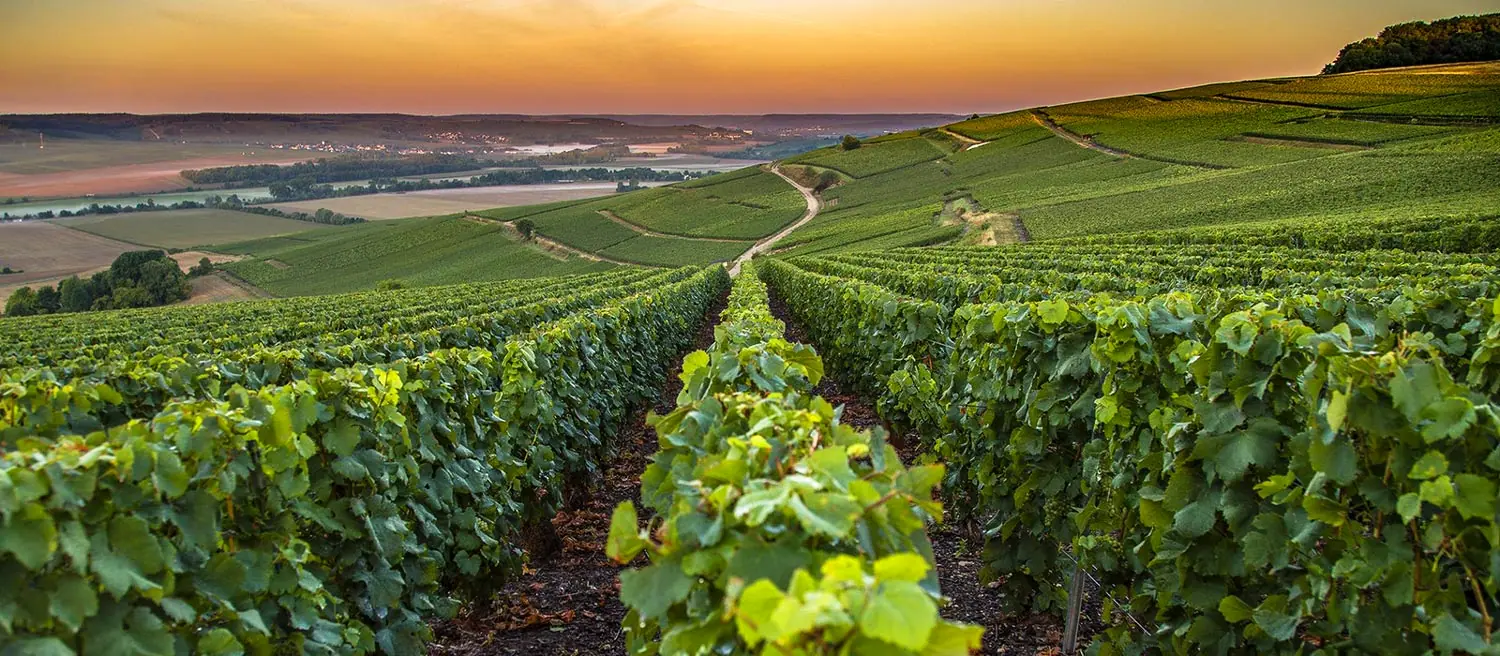
The commune is rural in character. Around 94 per cent of the land is used for agriculture, and almost 90 per cent is arable. Permanent crops, which can include vineyards, account for only about 0.5 per cent. So anyone expecting vineyards here will not find them. The climate is temperate oceanic. The nearest Météo-France weather station, at Frignicourt, 12 kilometres away, recorded an average of 11.5 °C and 694.6 mm of rainfall a year for 1991 to 2020.
Around 94 per cent of the land is used for agriculture, and almost 90 per cent is arable.
History
The village was an important seigneury of the cathedral chapter of Châlons. It is presumably the same place as the Liffion mentioned in a Carolingian charter. From 1189 a commandery of the Knights Hospitaller settled here. The Moulin de l'Hôpité takes its name from the fact that a lord sold it to the Hospitallers that same year, before setting out on the Third Crusade. The village is recorded in 1399 as «Sainct-Amand en Pertoix», named after a saint whose Latin name, Amandus, means «lovable». During the Revolution the commune was briefly called Montfion.
What to see
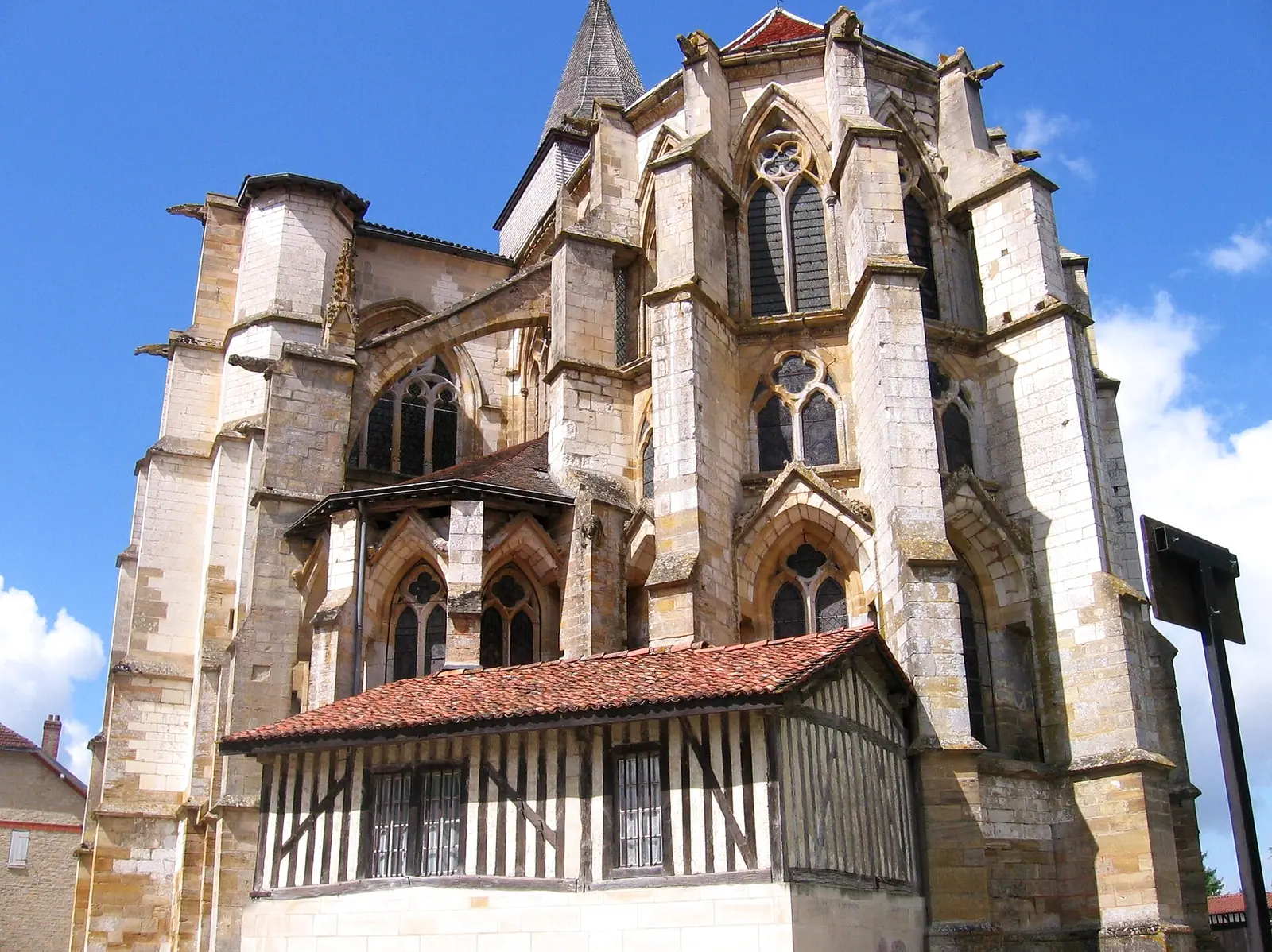
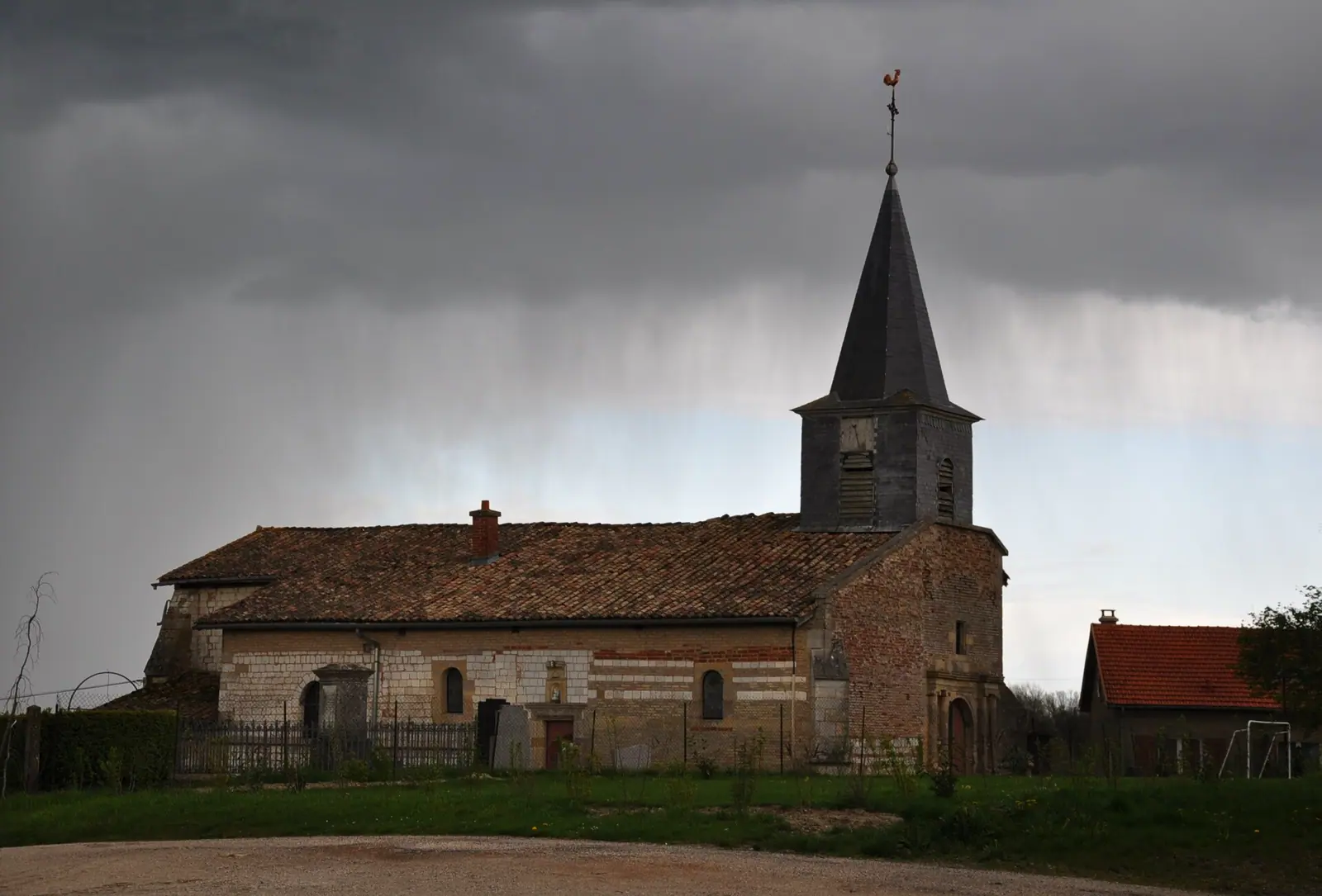
- The church of Saint-Amand, dating from the 12th century, part Romanesque, part Gothic
- Half-timbered houses of wooden beams and clay, typical of the region
- Former farmsteads with an enclosed courtyard and a large gateway, the «porte-rue»
- Wash-houses and small lanes along the Fion, visible from the bridges
The old farms were built to be self-sufficient, with a bread oven, barn, cellar, granary and stables. Several generations lived there under one roof, and most of the buildings served for work and for storing provisions. If you are looking for a detour away from the vine slopes on a trip through Champagne, this gives you a feel for the region's rural everyday life.
Pictures
 0 %
