
Sekt is the German word for sparkling wine. It is usually made by the traditional method or the Charmat method, with a second fermentation, whereas champagne can only be made in Champagne.
Sekt and champagne are both sparkling wines, but they differ in many ways, from the grapes used and the way they are made to the regional rules that govern them.
Sekt:
Sekt is the German word for sparkling wine, and it is made in a way that is similar to champagne, though not identical. The term "Sekt" is used in Germany and other German-speaking countries, where sparkling wines come from a range of grape varieties and regions. The key requirement for Sekt is that it is made from good-quality base wine, which produces carbon dioxide in a second fermentation to create the sparkling texture.
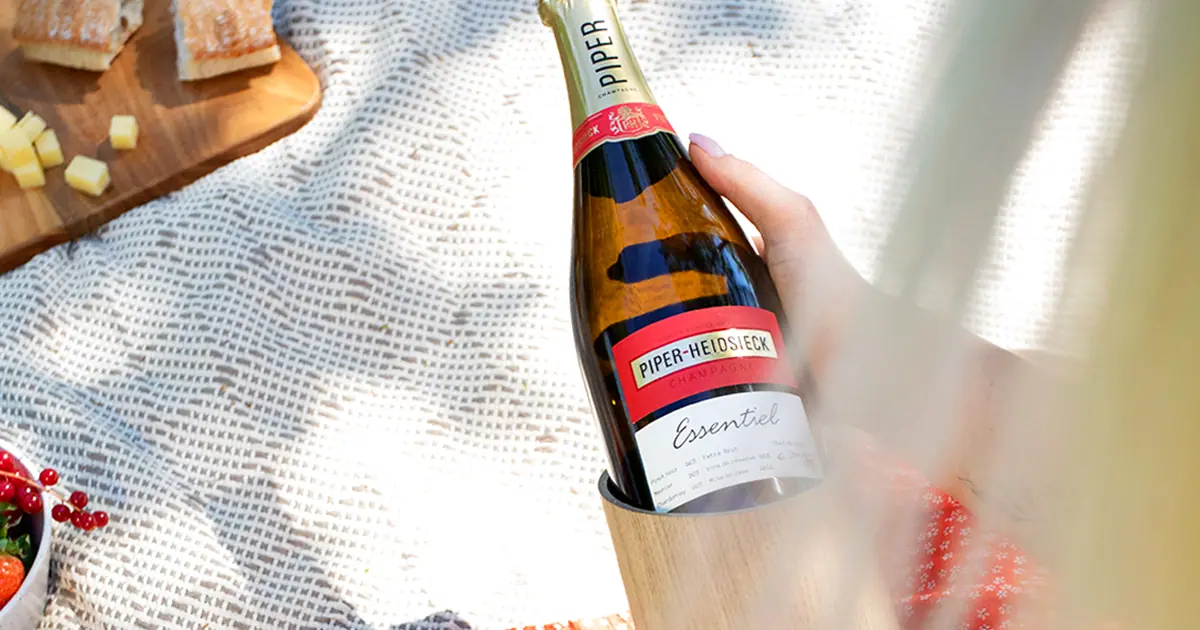
The best-known way of making Sekt is the traditional method (méthode traditionnelle), which is similar to how champagne is produced. Here the Sekt is made through a second fermentation in the bottle, which creates the characteristic bubbles. The Sekt then ages in the bottle on the lees, which gives it added complexity.
There is also the "Charmat method" (also called "méthode Charmat"), in which the second fermentation takes place in large pressure tanks. This method is quicker and cheaper and is often used for fresher, fruitier Sekts that are less complex than those made by the traditional method.
Germany has numerous Sekt producers known for their excellent products. Regions such as the Pfalz and the Mosel are particularly noteworthy, and are prized for the quality of their Sekt. Sekt can be made from many grape varieties, including Riesling, Pinot Blanc (Weissburgunder) and Pinot Noir (Spätburgunder). This variety of grapes contributes to the different flavour profiles of Sekt, from fruity and lively to creamy and complex.
Champagne
Champagne is the king of sparkling wines and comes from the Champagne region of France. To carry the name "champagne", a sparkling wine must meet strict regulations and come from the Champagne region. The region is divided into several sub-regions, including the Montagne de Reims, the Vallée de la Marne and the Côte des Blancs, each with its own characteristic grape varieties and styles.
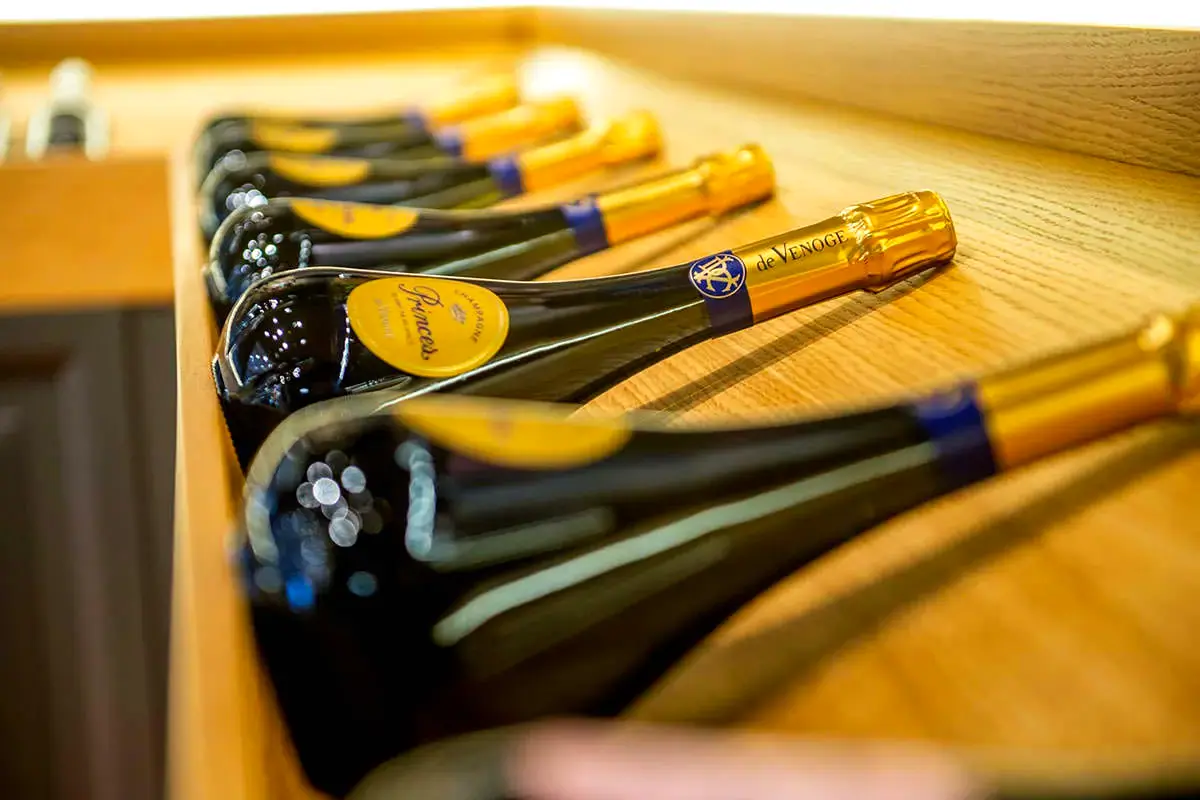 De Venoge Champagner
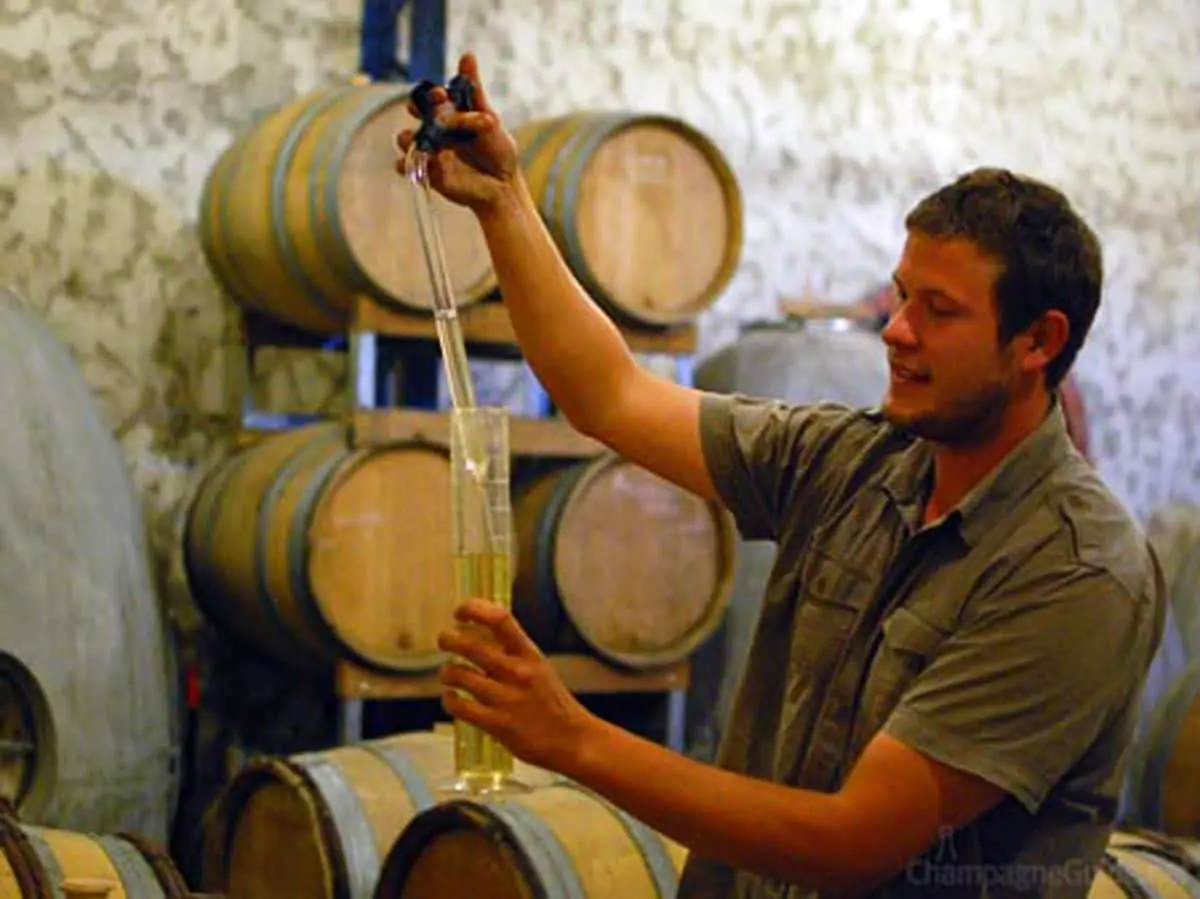
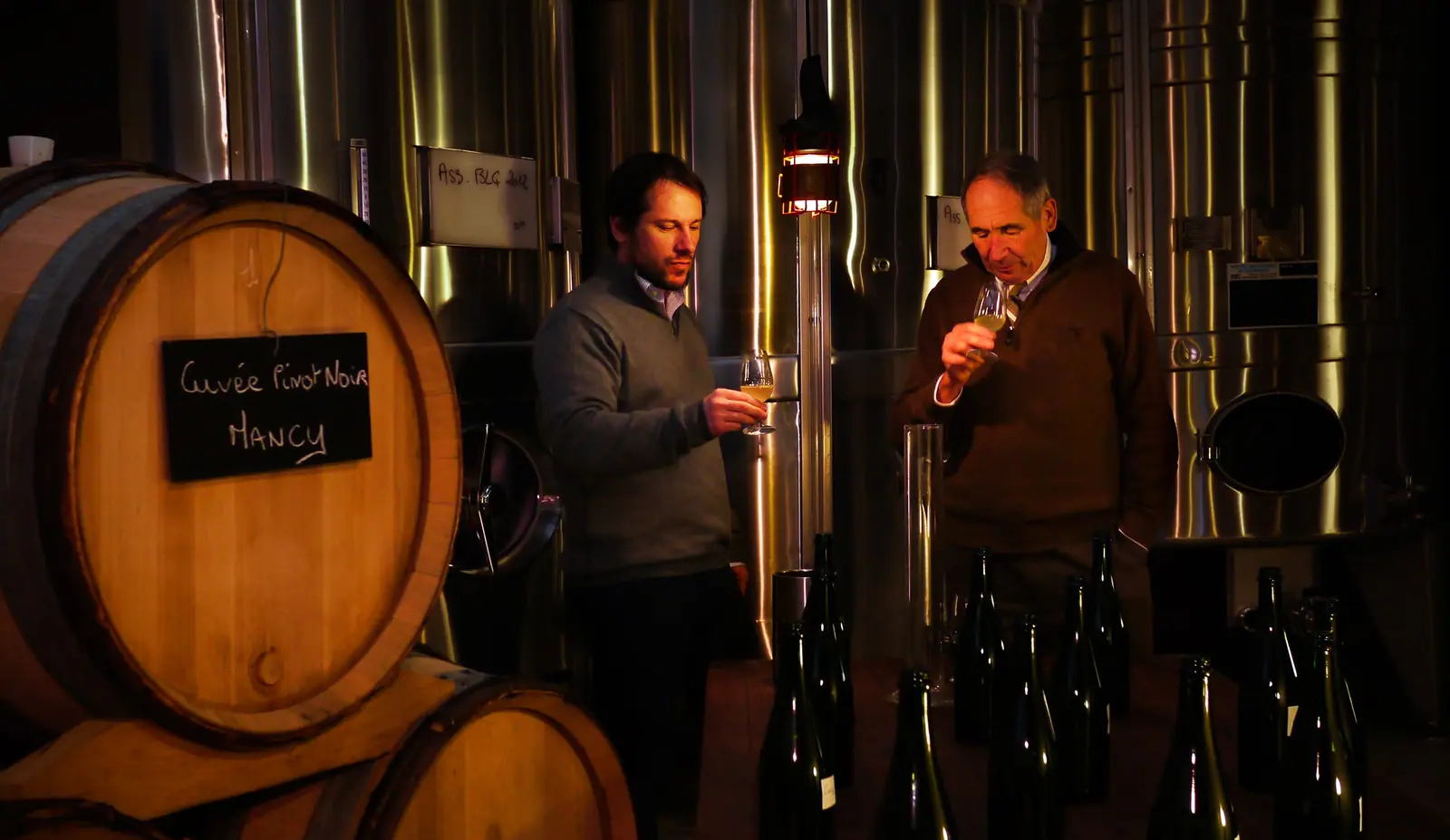
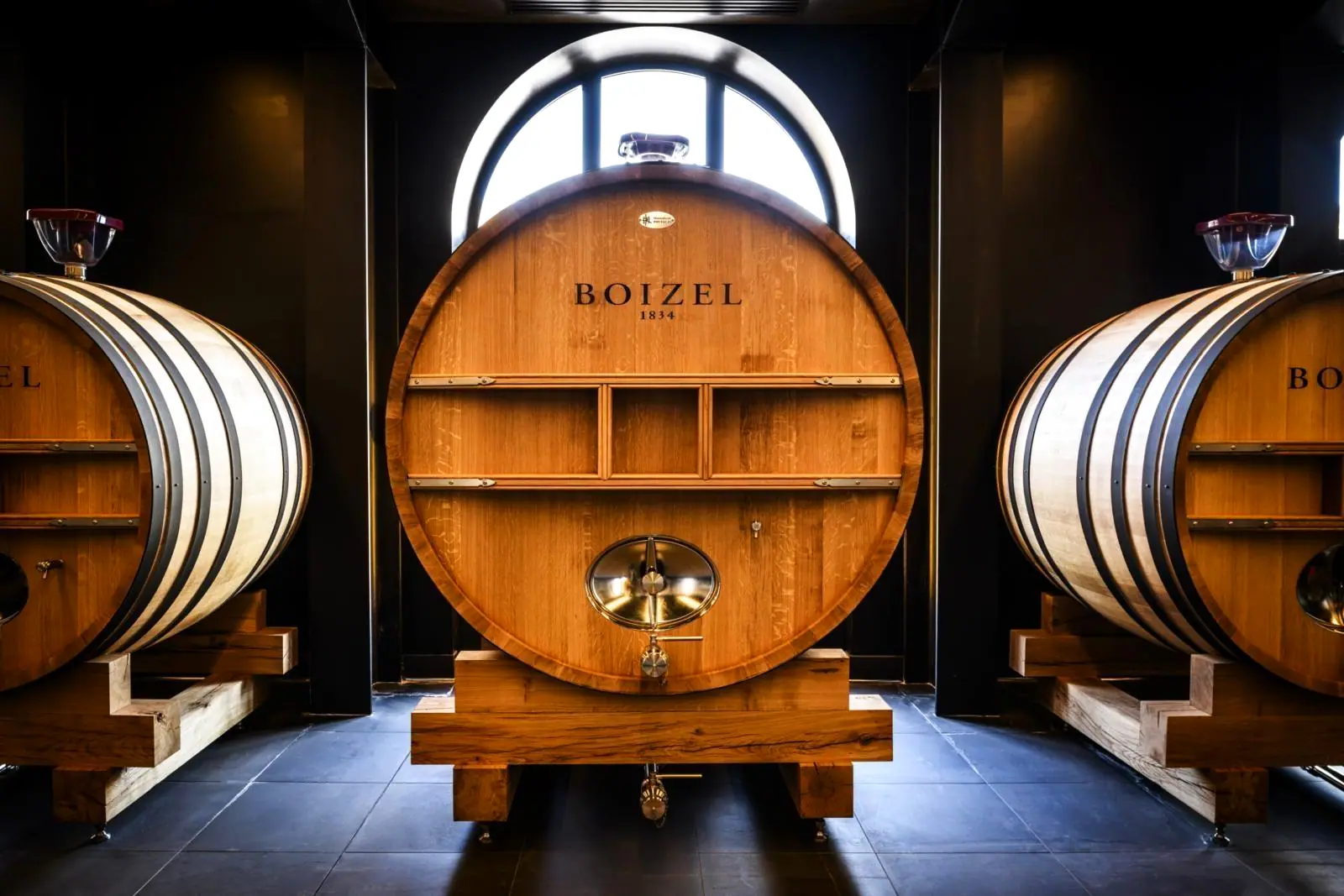
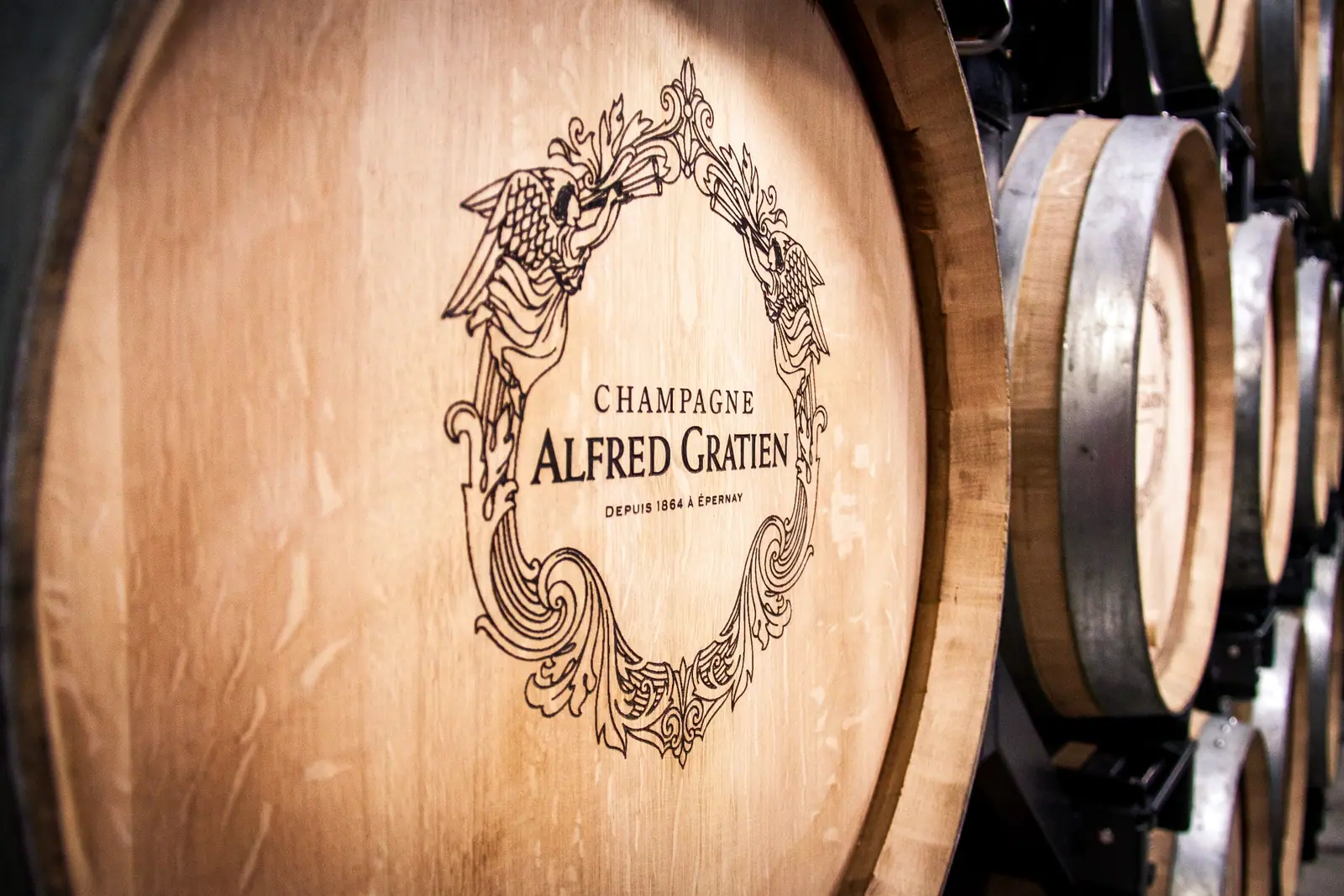
Champagne is made exclusively by the traditional method, known in France as the "méthode champenoise". The process begins with the fermentation of the base wine in large oak barrels or stainless steel tanks. After the first fermentation, the wine is blended to create a particular mix (the cuvée). The cuvée is then bottled, and the second fermentation takes place in those bottles, which produces the fine bubbles.
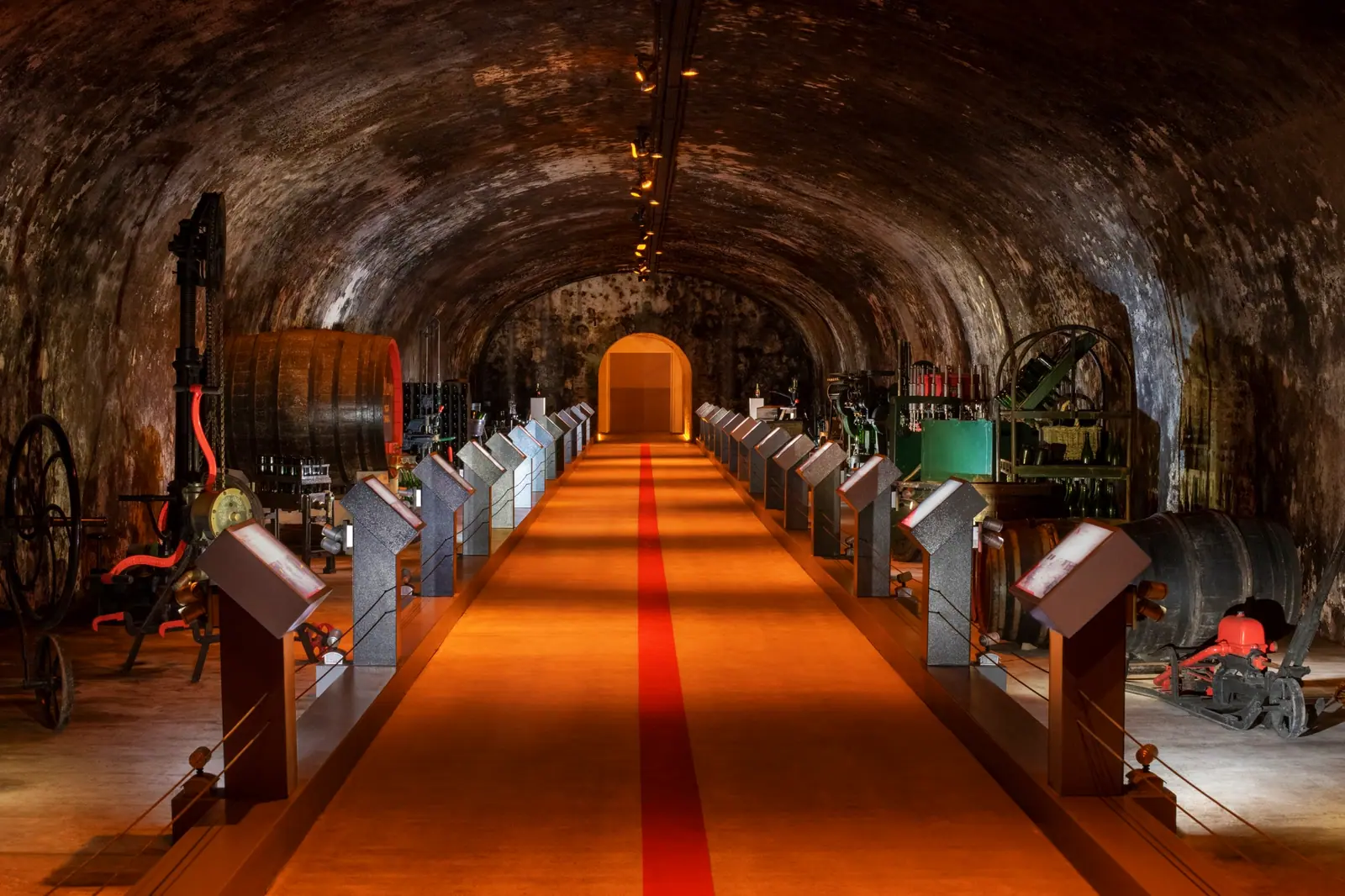
Champagne ages on the lees, and this contact with the yeast gives it its characteristic complexity and depth. Depending on the length of ageing and the time spent on the lees, champagne can develop different flavour profiles, from fresh and fruity to nutty and brioche-like. Ageing on the lees can last several years, which has a great influence on the quality and price of the champagne.
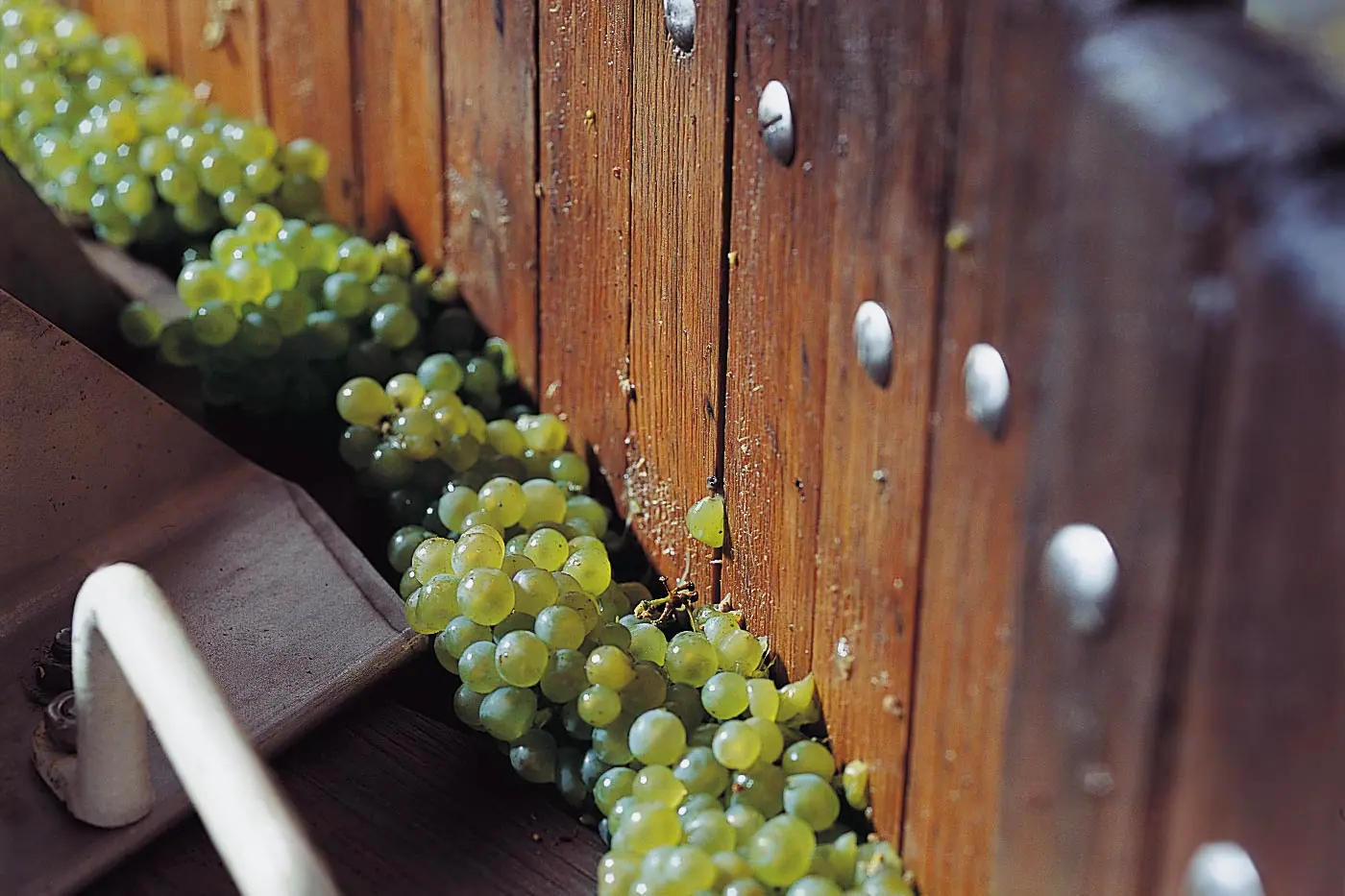
The most important grape varieties for champagne are Chardonnay, Pinot Noir and Pinot Meunier. Chardonnay brings freshness and elegance, Pinot Noir adds structure and body, and Pinot Meunier contributes fruity notes and approachability. The different combinations and cuvées made from these grapes offer a wide range of flavours and styles.
In summary, both Sekt and champagne have their own character and qualities. Sekt offers a wide range of styles and price points and is much appreciated in Germany and elsewhere, while champagne stands for the highest quality and tradition, bound up with strict rules and a long history. Both sparkling wines have their place in the world of drinks and offer something distinctive for connoisseurs and enthusiasts alike.
Pictures
 0 %
