
- Département
- Haute-Marne
- Site
- Side valley of the Marne, arrondissement of Chaumont
- Inhabitants
- 215 (as of 1 January 2023)
- Source
- Wikipedia, eigene Zusammenfassung
In the Middle Ages, Vignory in the Haute-Marne belonged to the County of Champagne. Today it is known for its Romanesque church of Saint-Étienne and its ruined castle, not for champagne.
Location
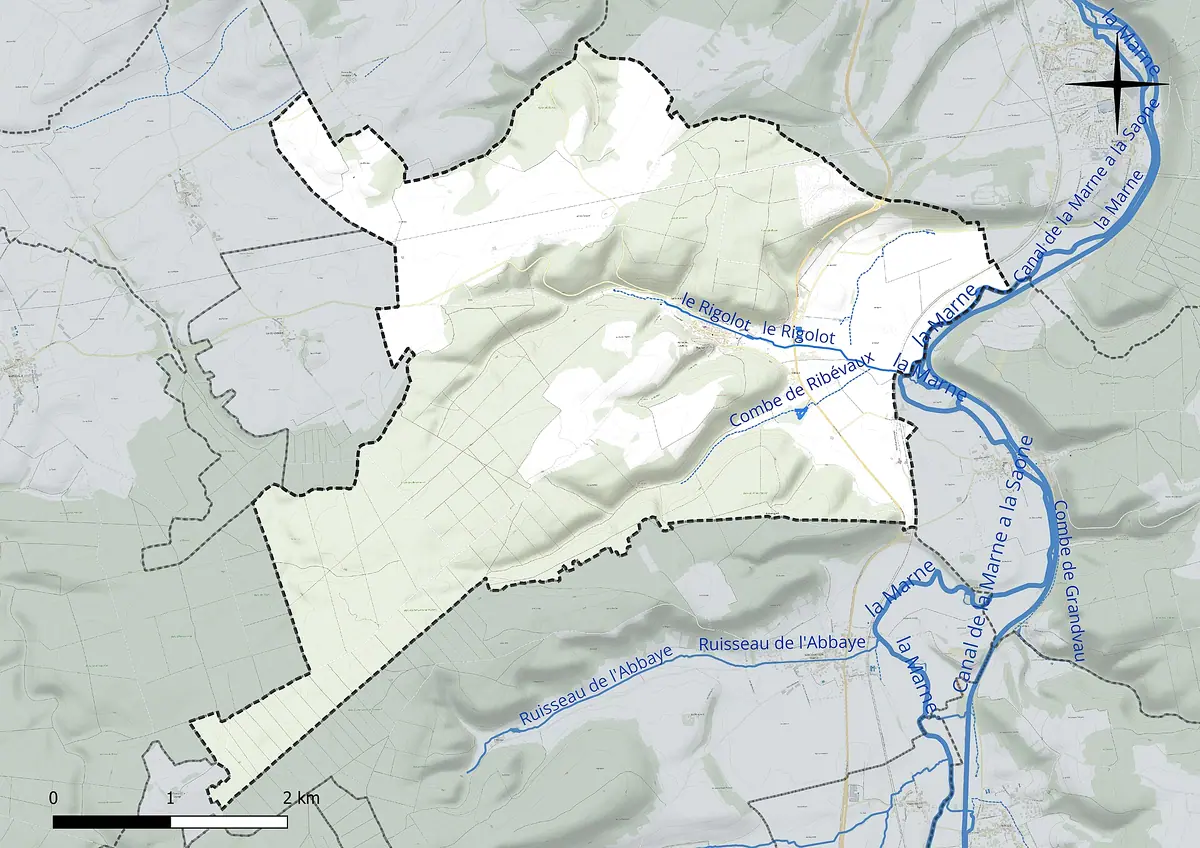
Vignory lies in the Haute-Marne département in the Grand Est region, in a small side valley of the Marne. Administratively, the commune belongs to the arrondissement of Chaumont and the canton of Bologne. On 1 January 2023 it had 215 inhabitants. The village is rural in character and sits within the catchment area of Chaumont. Well over 62 per cent of the commune's land is forest, and just under 30 per cent is arable.
The Marne rises on the Plateau de Langres and later joins the Seine near Paris. Within the commune, smaller streams such as the Rigolot and the Combe de Ribévaux add to the picture. The climate is harsh: according to data from the nearest weather station at Blécourt, about twelve kilometres away, the average annual temperature is 10.8 °C and rainfall is around 880 millimetres. Cold winters and frequent fog in autumn and winter are typical.

History
The name Vignory first appears in the year 815, when Charlemagne is said to have given the land to the Abbey of Luxeuil. In the early 11th century, Guy I, the first documented lord of Vignory, had the church and castle built. He is thought to have been the son of the Norman Raoul Barbeta. His son Roger completed the church and around 1049 founded the Benedictine priory of Saint-Étienne.
In the early 11th century, Guy I, the first documented lord of Vignory, had the church and castle built.
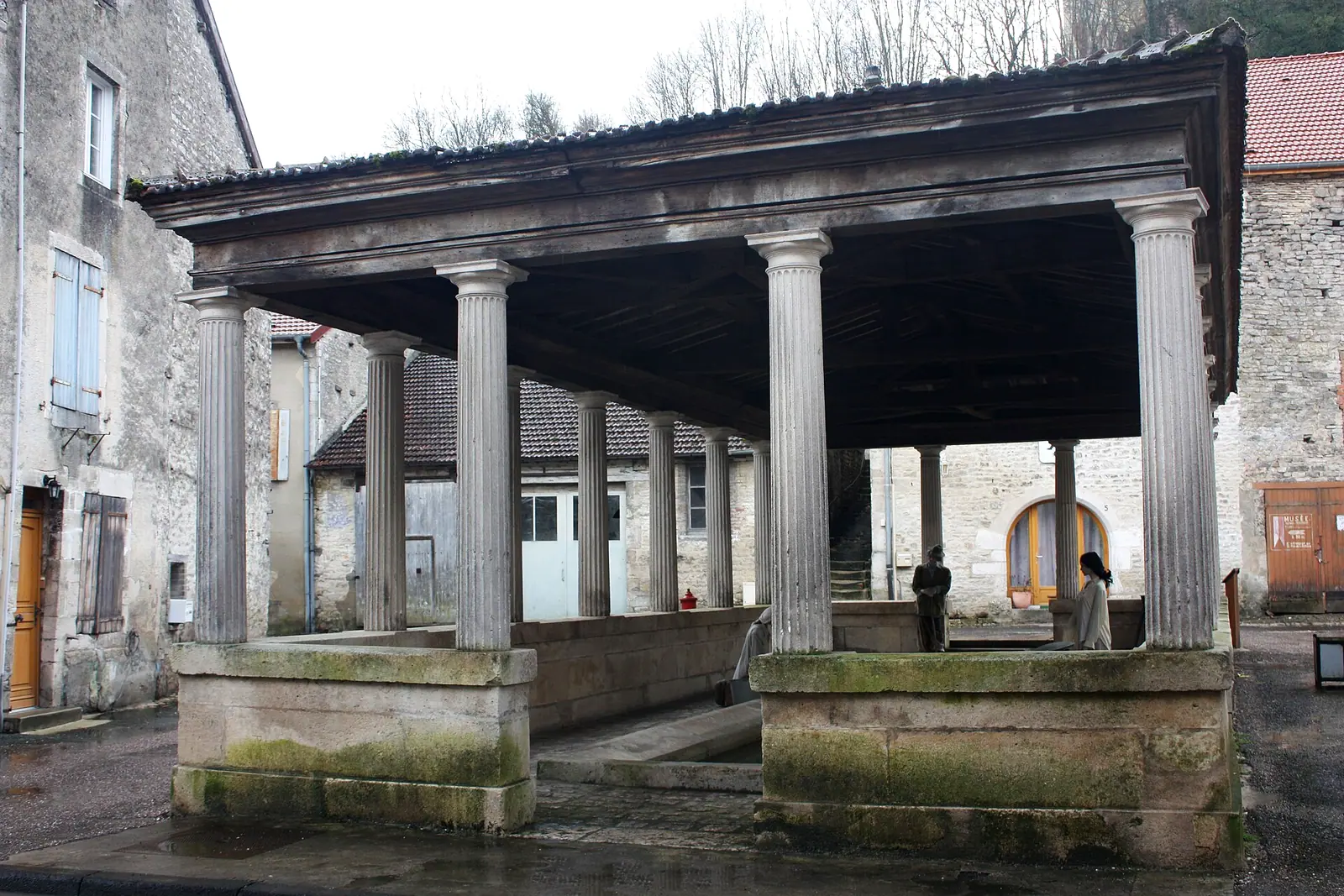
Until the end of the 12th century the town was under the overlordship of the Counts of Burgundy, after which it passed to the County of Champagne. In the 13th century Gautier I had walls built around the village. In 1319, following the charter of freedom granted by the lord Jean de Dampierre, Vignory became an independent commune. In the Middle Ages it was the most important place in the area, with its own administration, three hospitals, mills, bakehouses and covered market halls.
 Épernay
In the 17th and 18th centuries people lived mainly from the textile and leather trades and from inns on the old route between Chaumont and Joinville. In 1773 Vignory had almost a thousand inhabitants. Two cholera epidemics (1832 and 1854) and the rerouting of the road caused the population to shrink, and by 1892 there were only 552.
Sights
- Church of Saint-Étienne: The foundation stone was laid in 1032. It is considered a rare example of the transition from Carolingian to Romanesque architecture. The square bell tower carries an octagonal spire and twin arches on its upper storeys.
- Castle ruins: The remains of the 11th-century castle rise above the village and the valley.
Vignory and Champagne
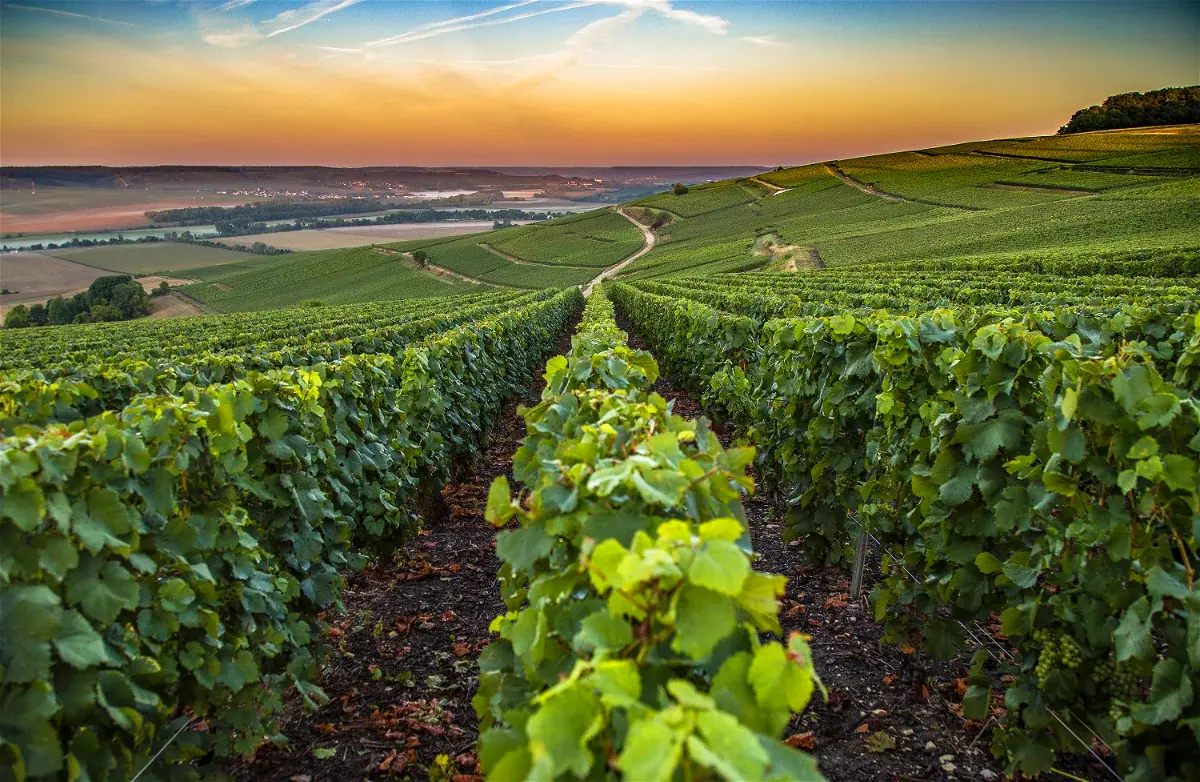
Vignory is neither grand cru nor premier cru, and the sources available name neither vineyards nor champagne houses in the village. The link to Champagne is above all historical: the town belonged to the medieval County of Champagne, and a charter of 1416 mentions a levy on wine, the "ban du vin". Anyone travelling through the Haute-Marne will therefore find architecture and history here rather than tastings. As a day trip, Vignory combines well with a visit to Chaumont.
Pictures



 0 %
