
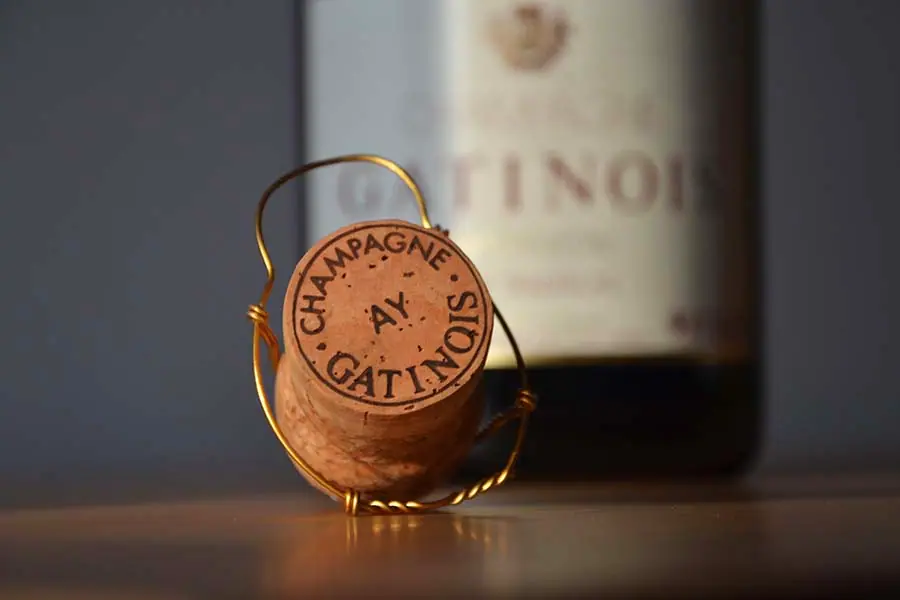
The agrafe is the wire cage that secures the cork on bottles of champagne and other sparkling wine and stops it from popping out prematurely. The wire is wound several times around the neck of the bottle and pulled tight.
The agrafe is a small but remarkably important component in the world of champagne. It is the little wire cage that secures the cork on bottles of champagne and other sparkling wine and stops it from popping out prematurely. This unassuming piece of wire has an interesting history and plays a decisive role in the storage and transport of sparkling wines. In English you will also hear it called the wire cage or the muselet, the French term for the wire hood itself.
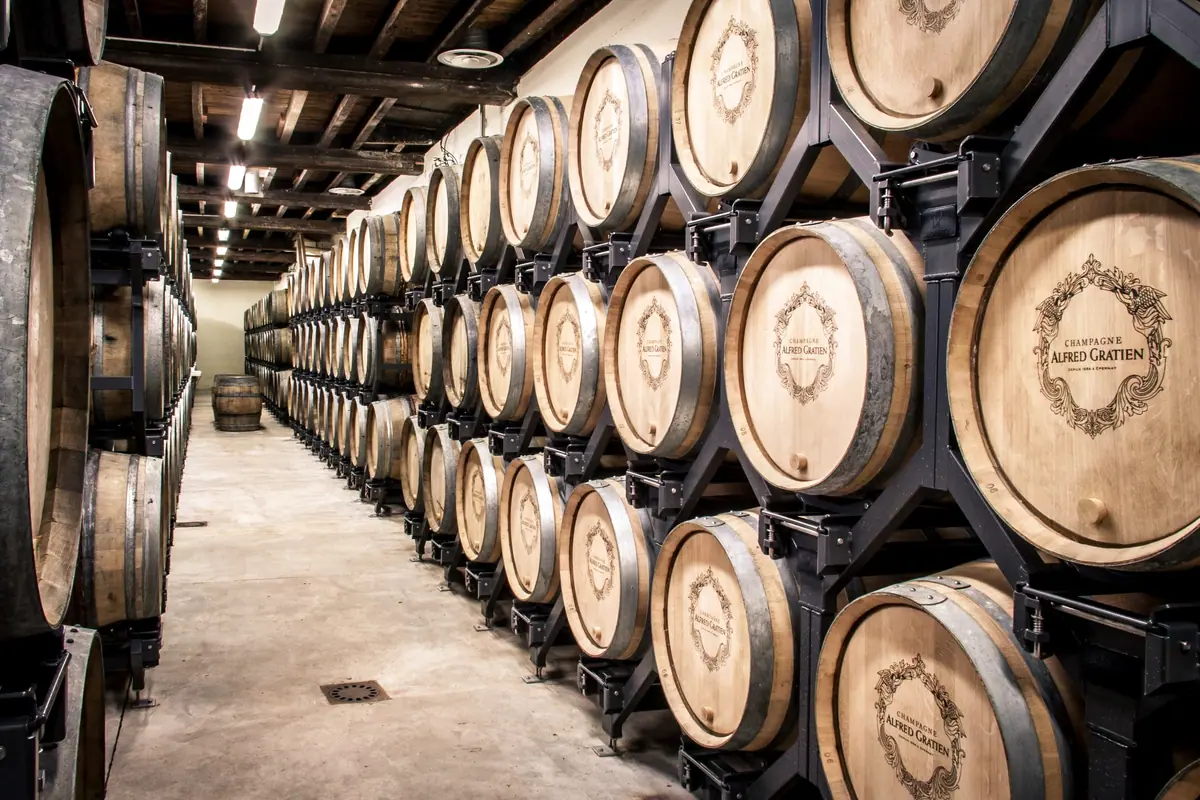 Alfred Gratien Champagner
01History of the agrafe
The agrafe, also known as the wire basket, was invented in the 19th century, when the production of sparkling wine was growing in popularity. Before that, corks were often secured with nothing more than string, which was not always reliable. Rising demand for sparkling wine and the need to fix the cork firmly in place led to the development of the agrafe. This invention revolutionised the storage and transport of champagne and other sparkling wines.
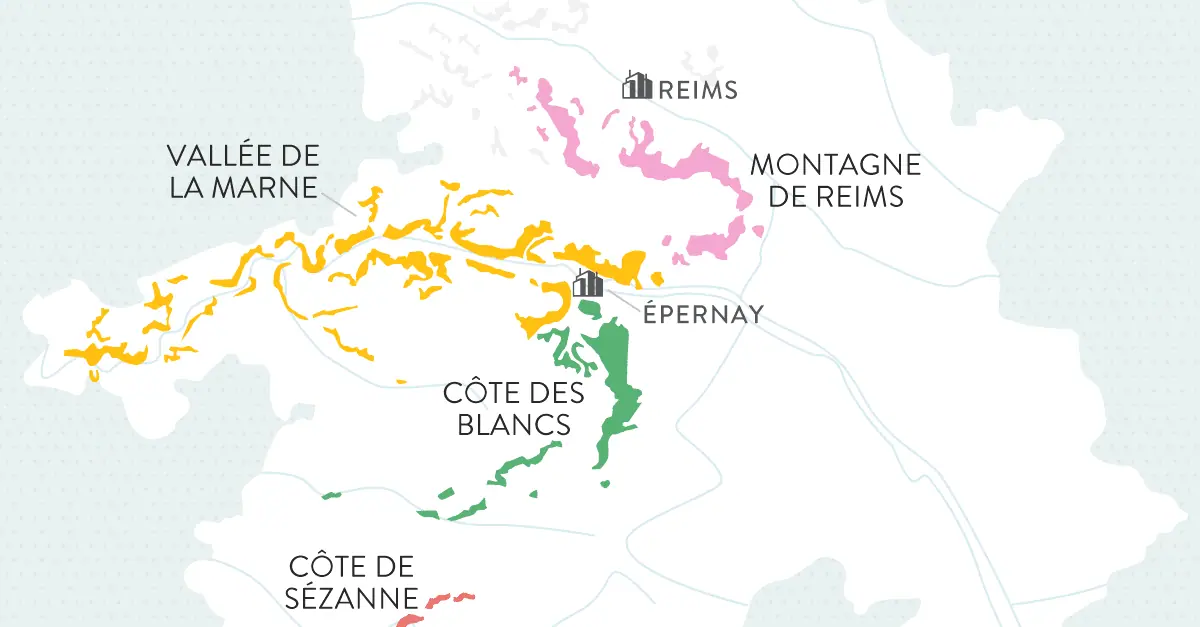 Landkarte der Champagne, Lexikon
02How the agrafe works
The main job of the agrafe is to hold the cork firmly in place and stop it from shooting out under the pressure of the carbon dioxide inside the bottle. A standard bottle of champagne holds around 5 to 6 atmospheres of pressure, roughly the same as the tyre of a lorry. Without a reliable fastening, the cork could easily fly out and spill the precious contents.
The agrafe consists of a thin wire that is wound several times around the neck of the bottle and then pulled tight. At the top, the wire forms a small "cap" over the cork, which gives additional hold. Modern agrafes often have a small loop or tab that makes them easier to remove.
 Boizel Champagne
03How the agrafe is made
Making an agrafe is a precise process that demands great accuracy. The wire, usually made of galvanised steel, is cut to specific lengths and then shaped by machine. The pieces of wire are bent and wound so that they fit the neck of the bottle exactly and hold the cork securely. Most agrafes come in standardised sizes, although there are variations to suit different bottle shapes.
An important aspect of production is controlling the tension. If the wire is too loose, the cork can slip out under pressure. If it is too tight, the wire could damage the cork or even break the neck of the bottle. The right tension is therefore crucial to how well the agrafe works.
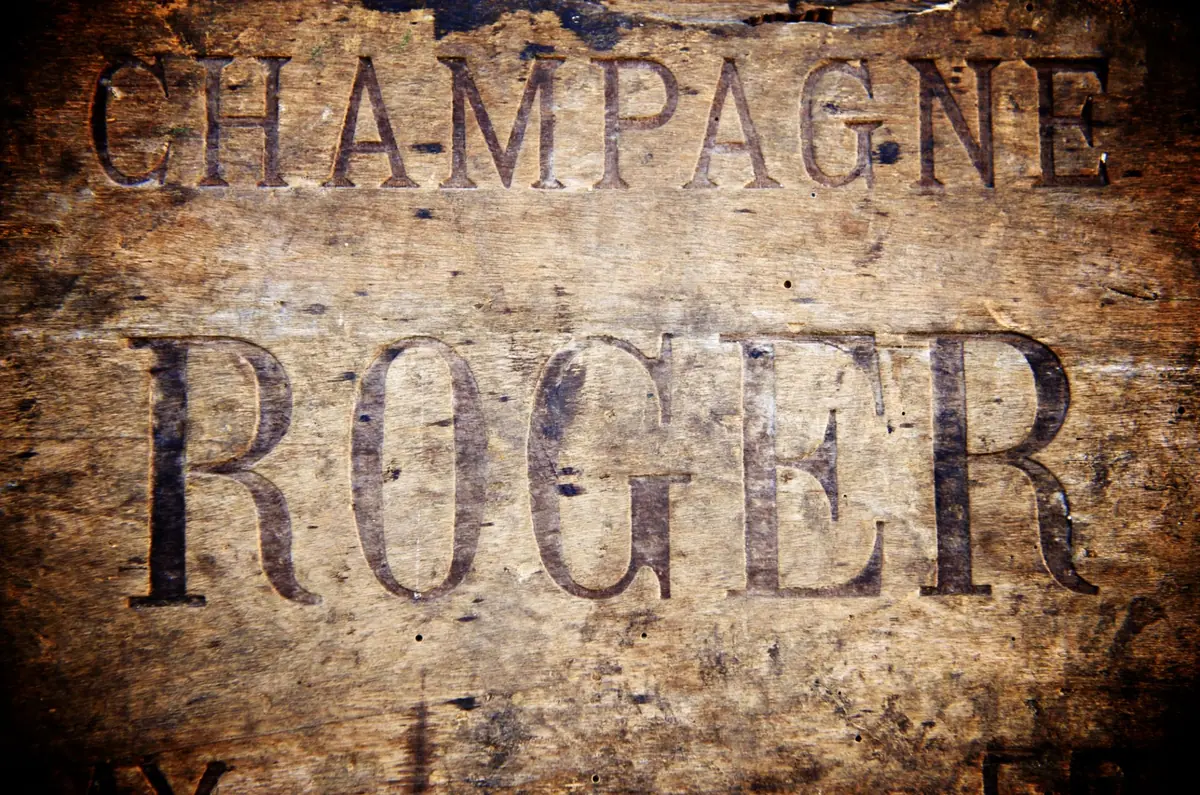 Pol Roger Champagner
04Why the agrafe matters for champagne quality
The agrafe plays a key part in preserving the quality of champagne. By holding the cork firmly, it prevents carbon dioxide from escaping, which is essential for the freshness and taste of the wine. A well-sealed champagne keeps its characteristic sparkle and the fine bubbles that make it so special.
The agrafe also protects the champagne during storage and transport. Without it, vibrations or changes in temperature could loosen the cork and spoil the wine. So the agrafe contributes greatly to champagne keeping its full flavour and quality until the moment it is served.
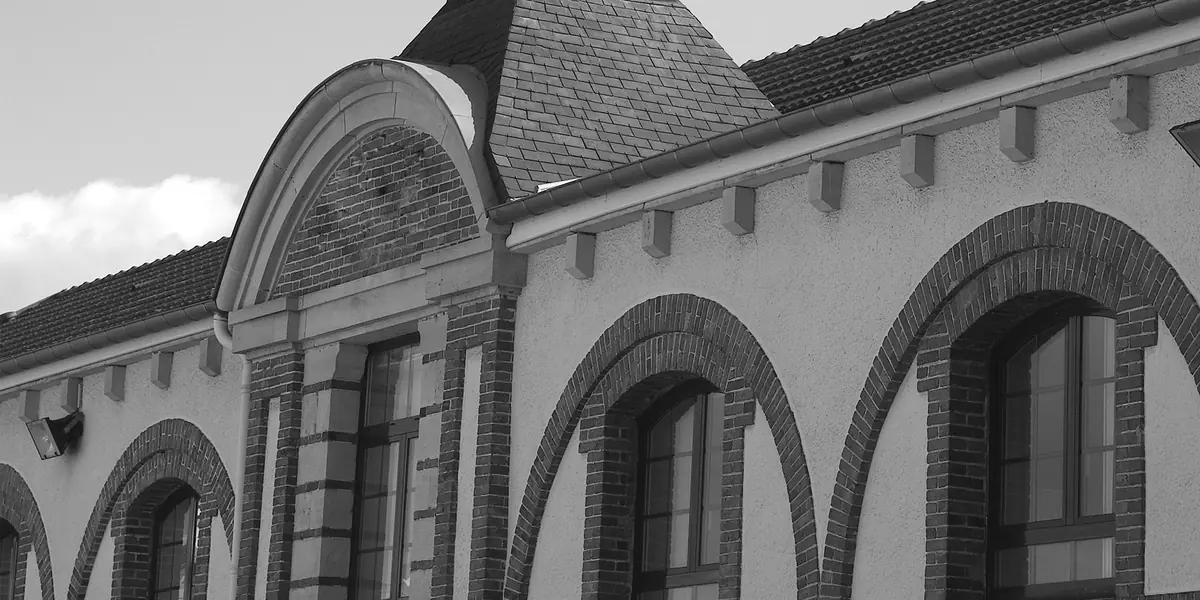 Besserat de Bellefon Champagner Gebäude
05The agrafe and opening champagne
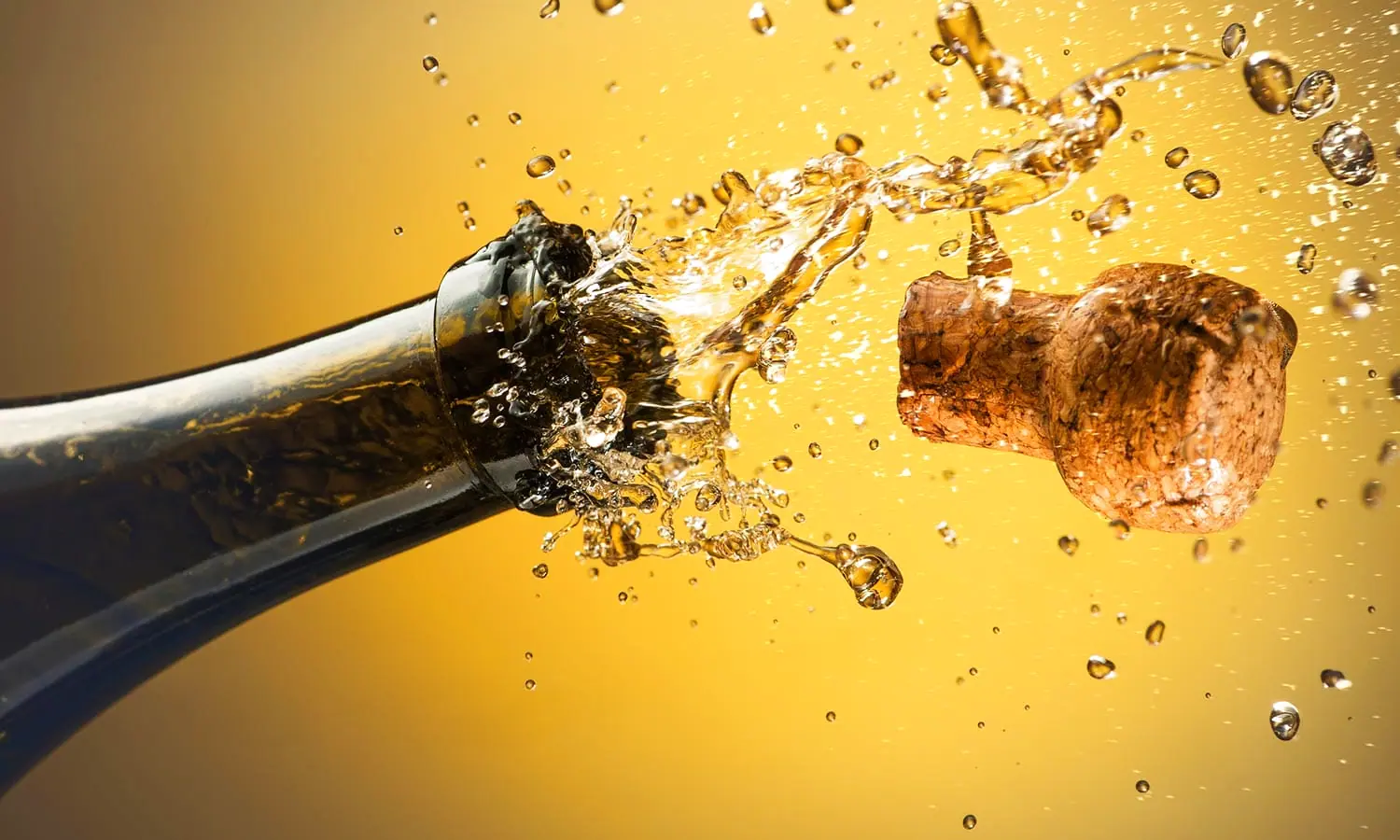
Opening a bottle of champagne is a ritual that is often tied to celebrations and special occasions, and the agrafe has an important role in it. First, the foil covering the neck of the bottle is removed. Then the small tab on the agrafe is loosened and the wire is carefully taken off. It is important to keep one hand firmly on the cork while you do this, to prevent it from suddenly popping out.
The bottle should be opened slowly and with control, so that the pressure is released evenly and the wine does not foam over. This is not just a matter of etiquette but also of safety, since a cork flying out suddenly can cause injury.
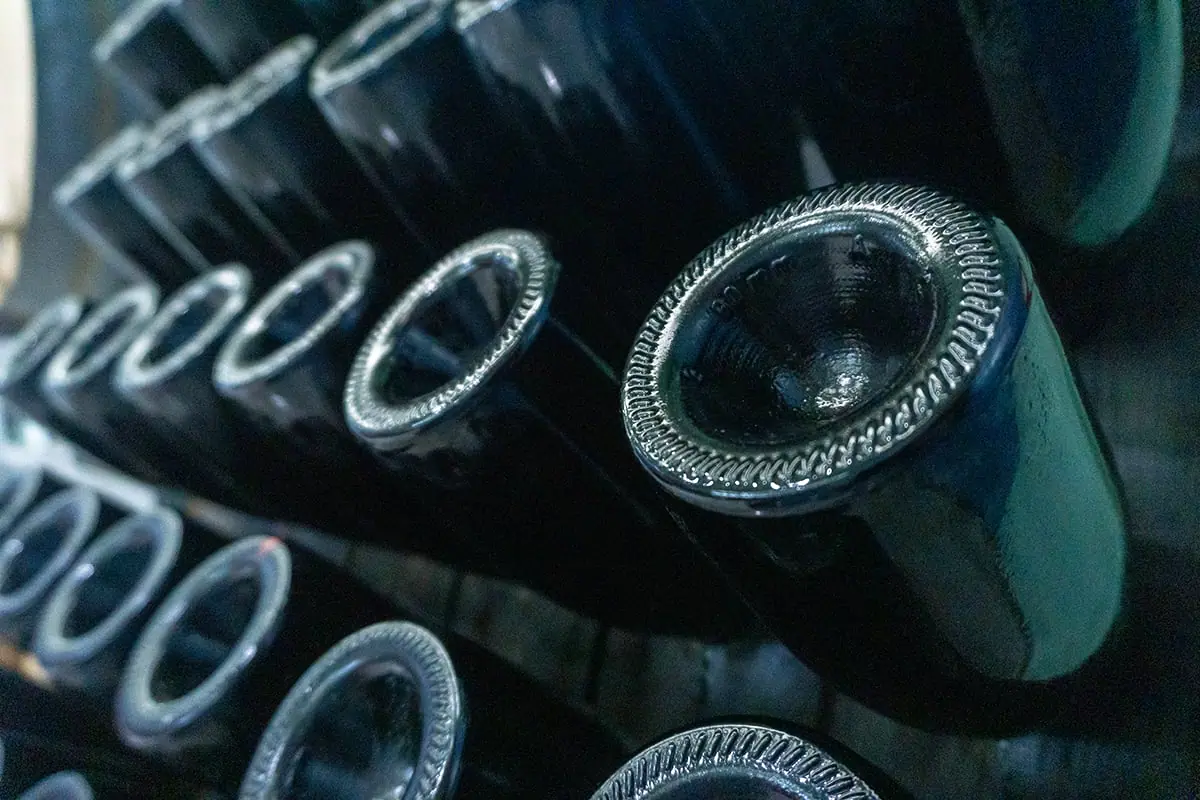 Flaschengärung
06Modern developments and sustainability
In recent years there have been some developments in the production of agrafes aimed at sustainability and environmental friendliness. Some manufacturers are experimenting with alternative materials such as recycled wire or biodegradable plastics. These efforts reflect the wine industry's growing awareness of its ecological responsibility.
There are also innovations in the design and manufacture of agrafes to improve their efficiency and ease of use. Modern machines allow more precise production and consistently high quality, which in turn helps to preserve the quality of the champagne.
 Deutz Champagner Kübel
07In conclusion
The agrafe may look unremarkable at first glance, but it is an essential part of making and storing champagne. Its invention in the 19th century marked an important step in the development of sparkling wine and contributed to the popularity of champagne. By holding the cork securely, the agrafe safeguards the quality and taste of the wine right up to the moment you enjoy it. Modern manufacturing methods and sustainable approaches will help ensure that the agrafe keeps its central place in the world of champagne in the future.
Pictures



 0 %
