
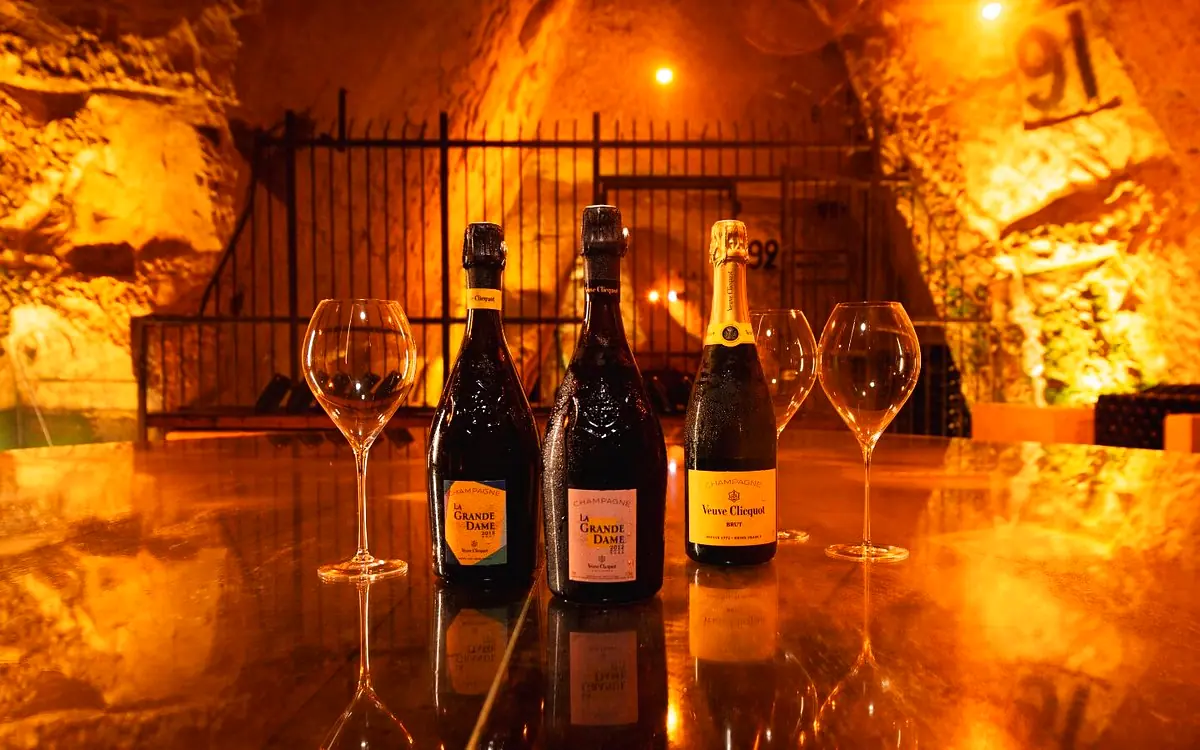
Champagne is a byword for luxury and celebration. Its unique character is shaped by a wide range of aromas that develop from the grape all the way to the bottle.
Aroma
Champagne is a byword for luxury and celebration. Its unique character is shaped by a wide range of aromas that develop from the grape all the way to the bottle. The complexity of aroma in champagne is the result of a careful interplay of climate, soil, grape varieties, winemaking and ageing. Let us explore the world of aromas and discover the magic of champagne.
The basic aromas of champagne
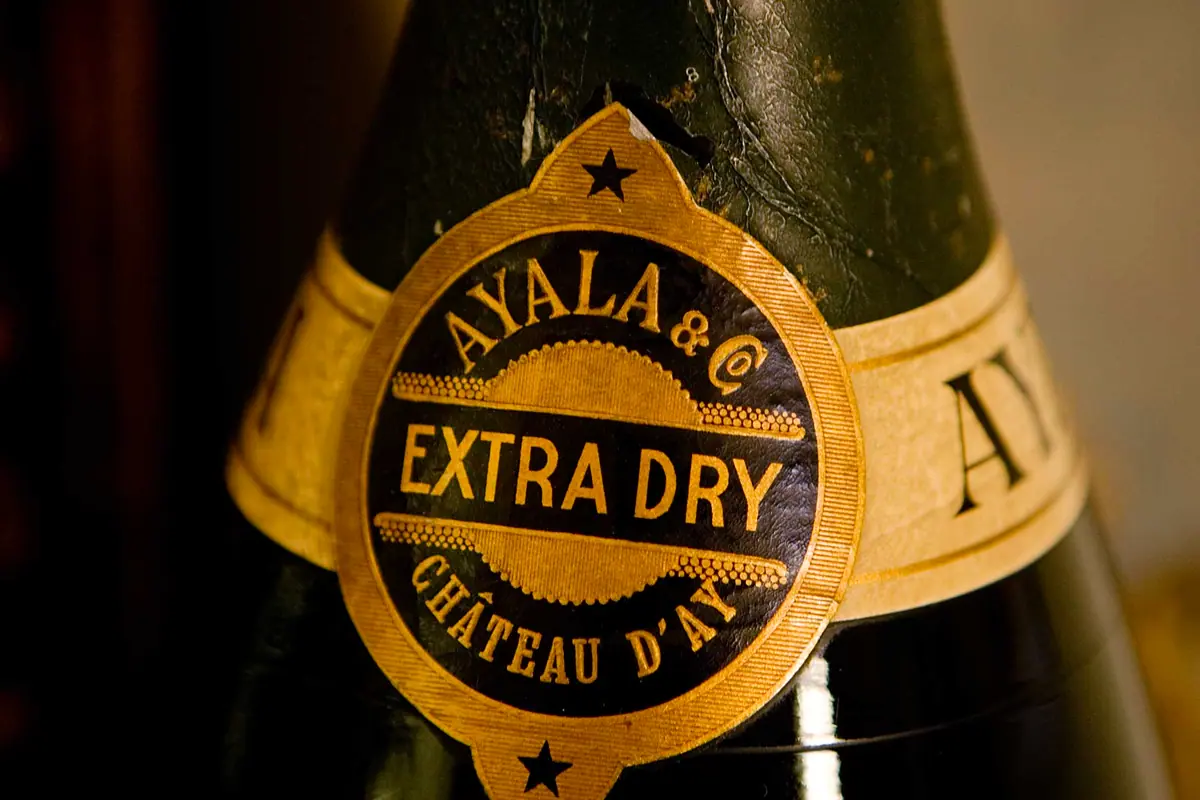 Ayala Champagner Historie
01Primary aromas
Primary aromas come directly from the grapes used in the champagne. In France's Champagne region, three grape varieties dominate: Chardonnay, Pinot Noir and Pinot Meunier. Each of them brings its own aromas.
- Chardonnay: This white grape gives champagne notes of citrus fruit, green apple, pear and sometimes peach. Floral notes such as white blossom are also common, along with the occasional hint of minerality.
- Pinot Noir: This red grape brings more powerful aromas of red fruit such as cherry, strawberry and raspberry. Spicy and at times earthy notes can also be detected.
- Pinot Meunier: Also a red grape, but less intense than Pinot Noir. It adds aromas of riper fruit such as plum and apricot to the champagne and contributes an extra dimension of fruitiness.
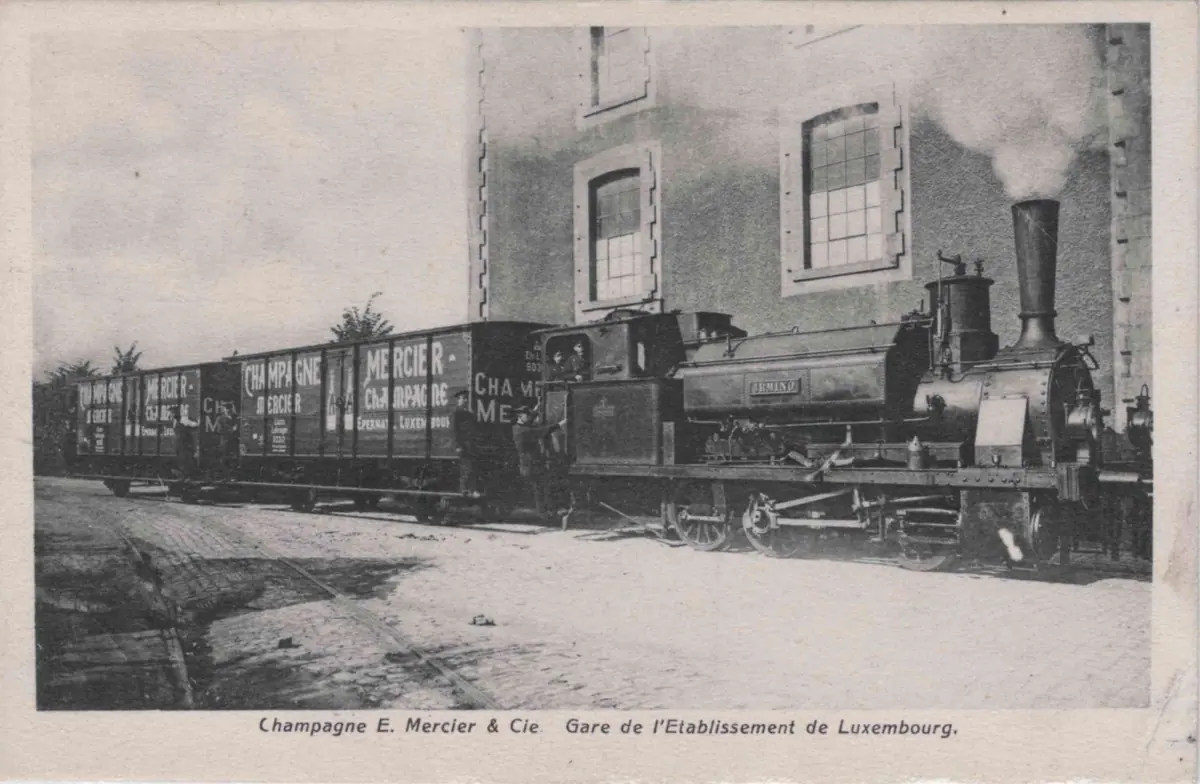 Mercier Champagner History
02Secondary aromas
Secondary aromas arise during the winemaking process, in particular during fermentation and maturation. A defining feature of champagne is the traditional method (méthode champenoise), in which the second fermentation takes place in the bottle. This method brings out a variety of aromas:
- Yeasty notes: During the second fermentation the yeasts come into play, giving champagne aromas of freshly baked bread, brioche and pastry. These aromas are often described as "biscuity" or "yeasty".
- Creamy notes: Contact with the yeasts can also create creamy aromas reminiscent of butter or yoghurt.
 Moët & Chandon Champagner Label
03Tertiary aromas
Tertiary aromas develop during the storage and ageing of champagne, both on the lees (sur lie) and after disgorgement (dégorgement). These aromas are often complex and deep, and add to the layered character of the champagne:
- Nutty notes: Over time champagne can develop aromas of almonds, hazelnuts and sometimes marzipan. These notes are found above all in vintage champagnes that have had a long time to age.
- Honey and spice: Older champagnes can show aromas of honey, dried fruit and spices such as cinnamon and nutmeg.
- Ripe fruit: The fruit aromas change over time and take on riper, dried and candied characteristics. Figs, dates and dried apricots are typical examples.
How the aromas work together
The true art of champagne lies in the interplay of its different aromas, which come together as a harmonious whole. A well-made champagne shows a balance between fruitiness, freshness, complexity and depth.
 Boizel Champagner Schild
04Blanc de blancs and blanc de noirs
The distinction between blanc de blancs and blanc de noirs is one example of the variety of aromas in champagne. Blanc de blancs is made exclusively from Chardonnay and is marked by an elegant, fresh aromatic profile that emphasises citrus and floral notes. Blanc de noirs, on the other hand, is made from Pinot Noir and/or Pinot Meunier and offers more intense fruit as well as more complex, earthier aromas.
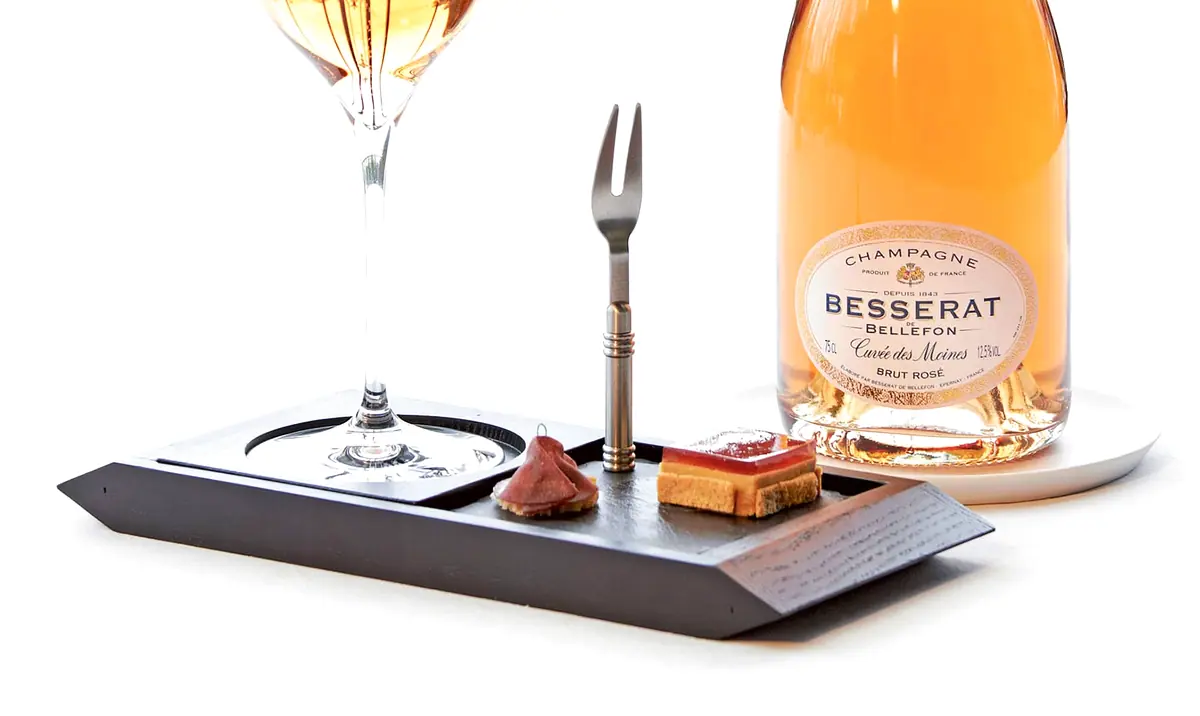 Besserat de Bellefon Champagner, rose Champagner Rezepte & Kochen
05Rosé champagne
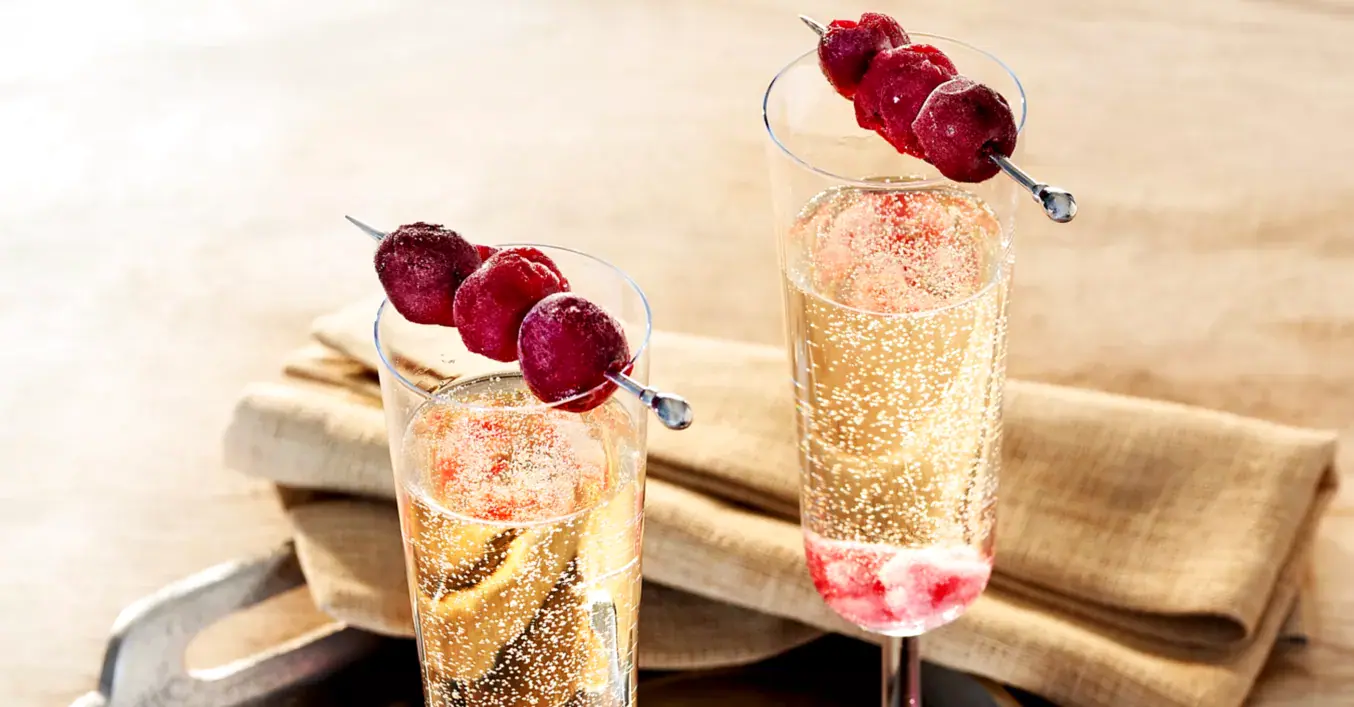
Rosé champagne, made either by blending red and white wines or by macerating red grapes, adds aromas of red berries and sometimes floral notes. This style of champagne is often lively and versatile.
Storage and ageing
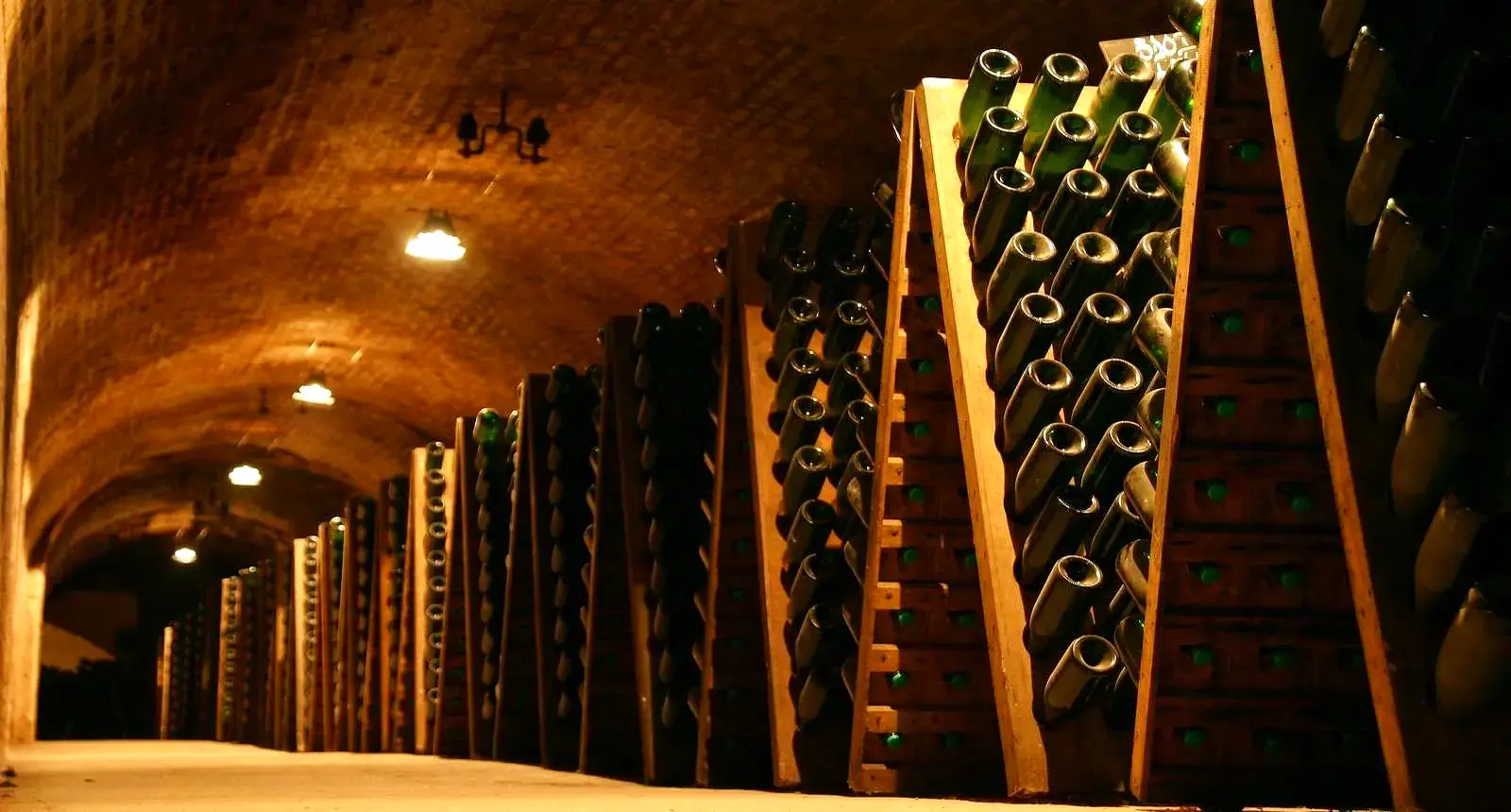
How champagne is stored plays a decisive role in how its aromas develop. Ageing on the lees (sur lie) brings greater complexity and gives the champagne additional yeasty and nutty notes. The longer a champagne rests on the lees, the more intense these aromas become.
After disgorgement, champagne continues to develop tertiary aromas. It is important to keep champagne at a constant, cool temperature and in the dark, to preserve the aromas at their best and let the wine age evenly.
In conclusion
Champagne is a masterpiece of winemaking, impressive for its layered aromatic character. From the fresh primary aromas of the grapes, through the yeasty secondary aromas of fermentation, to the complex tertiary aromas of ageing, champagne offers a unique and fascinating tasting experience. Every bottle tells a story of craft, tradition and terroir, which comes through in every sip.
Pictures
 0 %
