

The crown cap is the metal closure that seals a bottle of champagne during the second fermentation and the ageing on the lees. Before sale it is removed at disgorgement and replaced by the familiar champagne cork.
The crown cap is the plain metal closure under which almost every champagne spends its first years in the cellar. It was invented by William Painter in Baltimore in 1892, at first for fizzy lemonade and beer. In Champagne it is now the standard closure for ageing in bottle. The drinker never sees it, because it disappears before the bottle goes on sale.
Its job during the second fermentation
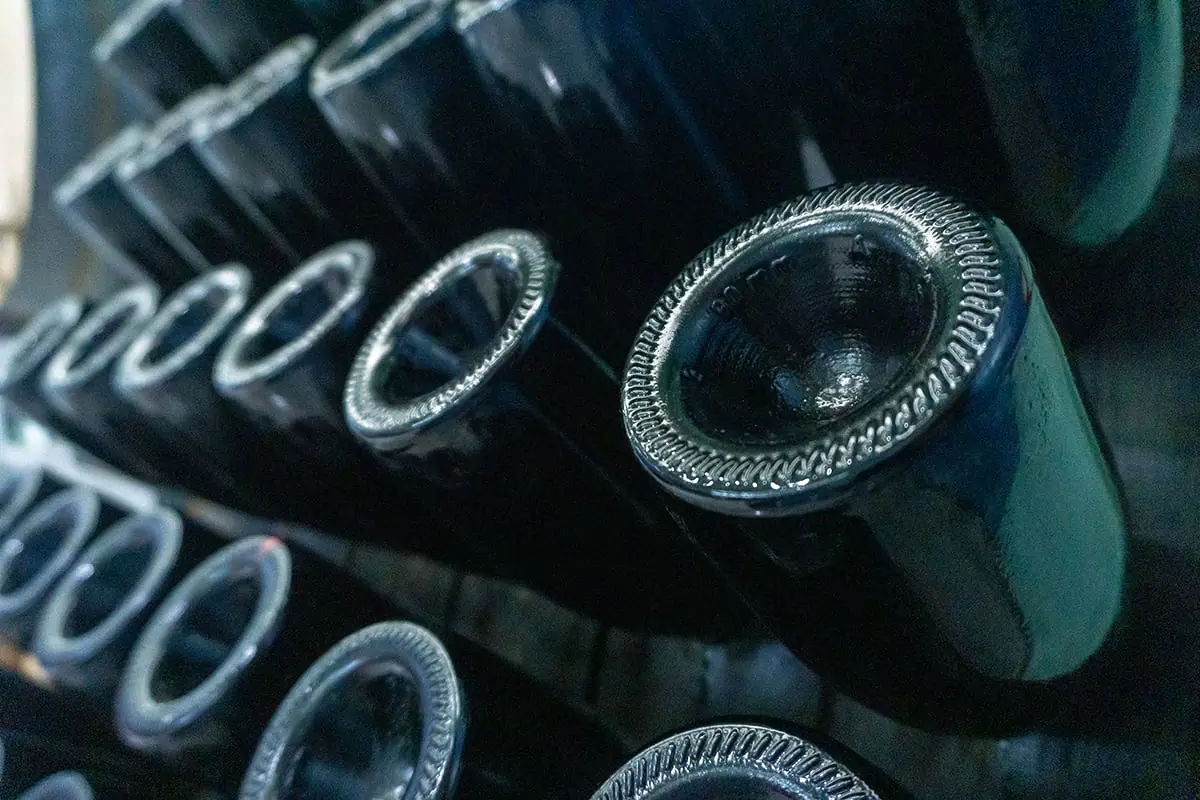
After the assemblage, the base wine is bottled with the liqueur de tirage, a mixture of sugar and yeast. This step is called the tirage. The bottle is then sealed with the crown cap and laid on its side. The yeast ferments the sugar, and the carbon dioxide it produces cannot escape, so it dissolves into the wine. Inside the bottle the pressure builds to around five to six bar, considerably more than in a car tyre. The closure has to withstand that pressure for the whole period of lees ageing, which at the large houses often lasts many years.
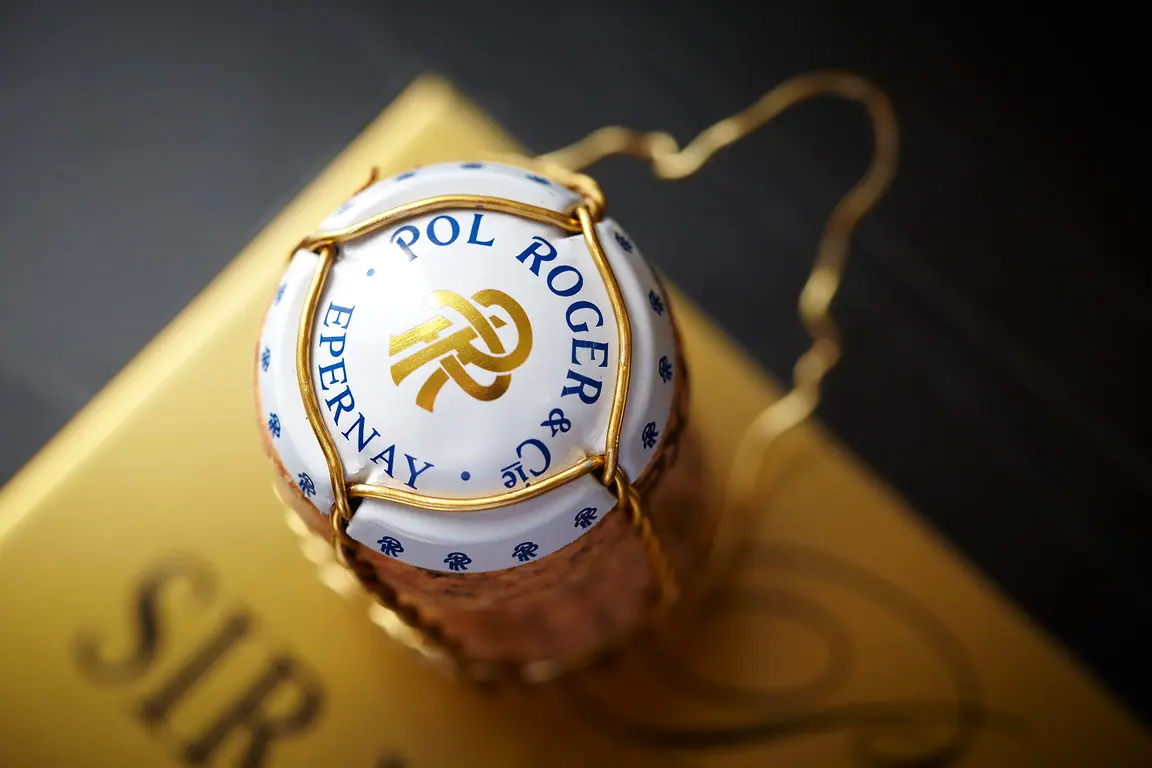
Construction and the bidule
The crown is made of metal and carries a plastic sealing liner on the inside. Often a small plastic cup, the bidule, is fitted inside as well. It catches the deposit of yeast that collects in the neck of the bottle during remuage. This keeps the sediment gathered in one spot, so it can be removed cleanly later.
It was invented by William Painter in Baltimore in 1892, at first for fizzy lemonade and beer.
Crown cap or natural cork
In the past, bottles were also sealed with a natural cork and an agrafe (a metal clip) during ageing. This method still exists, mainly for individual cuvées or large formats, but it is the exception. The crown cap scores with consistent quality, machine handling and a lower risk of cork taint. How much oxygen the sealing liner lets through, and what effect that has on the ageing, is debated among specialists. The answer depends on the material of the liner.
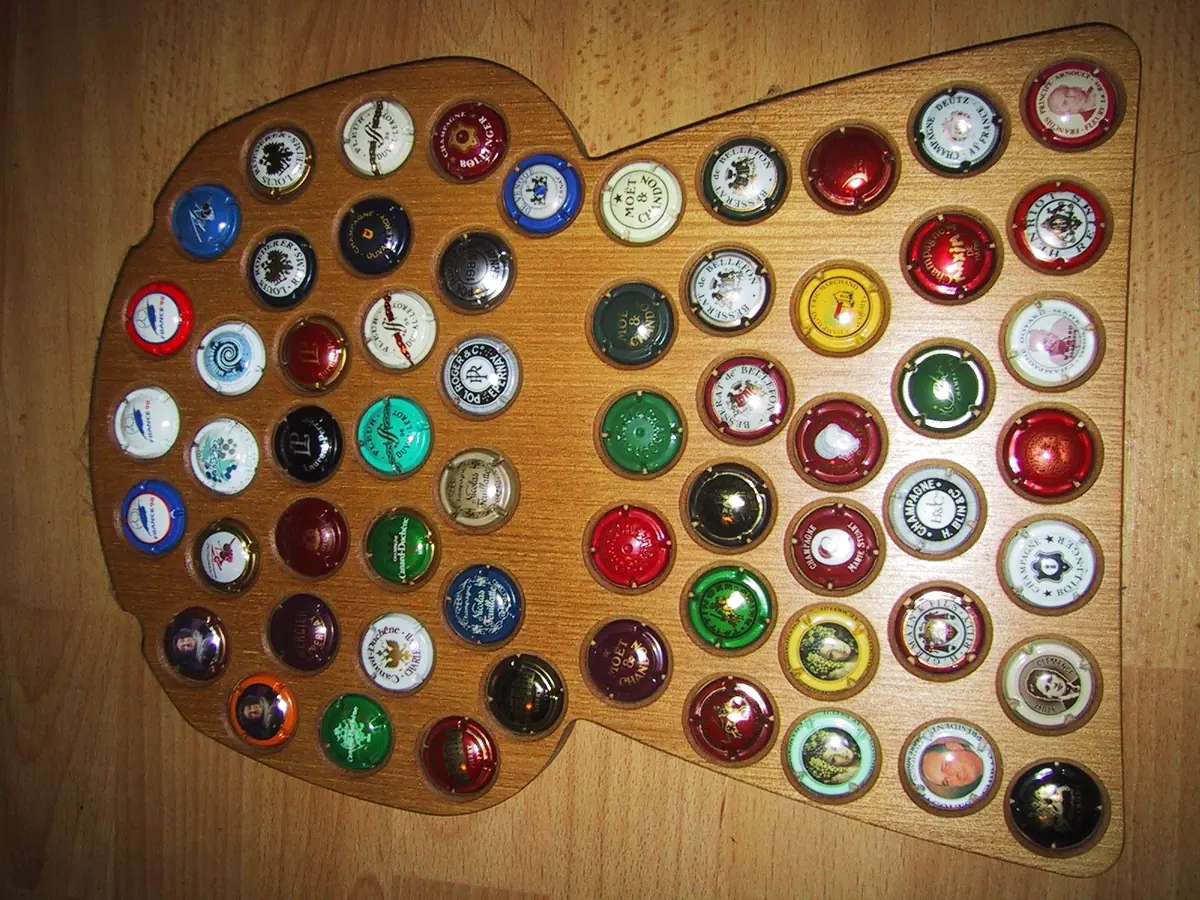 Capsules, muselets, plaque
The end at disgorgement
Once the ageing time is up, the neck of the bottle is frozen at dégorgement. The crown cap is taken off, and the pressure pushes out the frozen deposit together with the bidule. The dosage follows, and then the final champagne cork (bouchon) goes on the bottle, secured with its wire cage (muselet). The crown cap is therefore purely a working closure: unremarkable, but indispensable if champagne is to come into being in the bottle at all.
Pictures






 0 %
