
Ficeleur (wire fitter) is both a tool and a technique: the wire is wound around the cork of a champagne bottle and tightened. The wire holds the cork firmly in place despite the pressure.
The term "ficeleur" (wire fitter) refers to a specific tool or technique in wine and champagne production, particularly when it comes to closing bottles.
The name comes from the French "ficeleur", a word for someone who binds with string or wire, while the German "Verdrahter" simply points to the technique of wiring. Here is a closer look at what it means and how it is used:
Introduction to the ficeleur
The ficeleur is an indispensable tool in wine and champagne production, above all when bottles need to be sealed safely and reliably. The technique used with it matters especially for champagne and other sparkling wines, because the high pressure inside the bottle calls for a special method of closure.
Function and importance
- Protection against pressure: Champagne and other sparkling wines are put under pressure after the second fermentation in the bottle. The ficeleur makes sure the cork stays firmly in place, preventing the foam from escaping and any possible loss of carbon dioxide. This is crucial for the quality and freshness of the wine.
- Safety: Besides holding the pressure, the wire closure also guards against the bottle being opened by accident. This is particularly important where handling bottles could be dangerous, for instance in large quantities or in storage.
The technique
- The tool: The ficeleur is typically made of sturdy, corrosion-resistant metal. It has a handle and a wire-winding mechanism that lets the user wind the wire around the cork and fix it securely.
- Use: Once the cork is in place, the wire is wound around it and tightened. The wire is then pushed under the neck of the bottle and closed. The wire closure usually has a special shape that hugs the cork and guarantees a firm hold. This stops the cork from popping out and keeps the pressure in the bottle stable.
- Special techniques: When using the ficeleur, it is important to apply the wire evenly and firmly with the right technique. Poor handling can result in an unreliable closure, which could affect the quality of the champagne.
Historical development
Wire closures are an old tradition that goes back to the early days of champagne production. The wire closure was invented in the early 19th century, when the method was developed to control the rising pressure in the bottle effectively. The technique has evolved over the years, but the basic principles remain unchanged to this day.
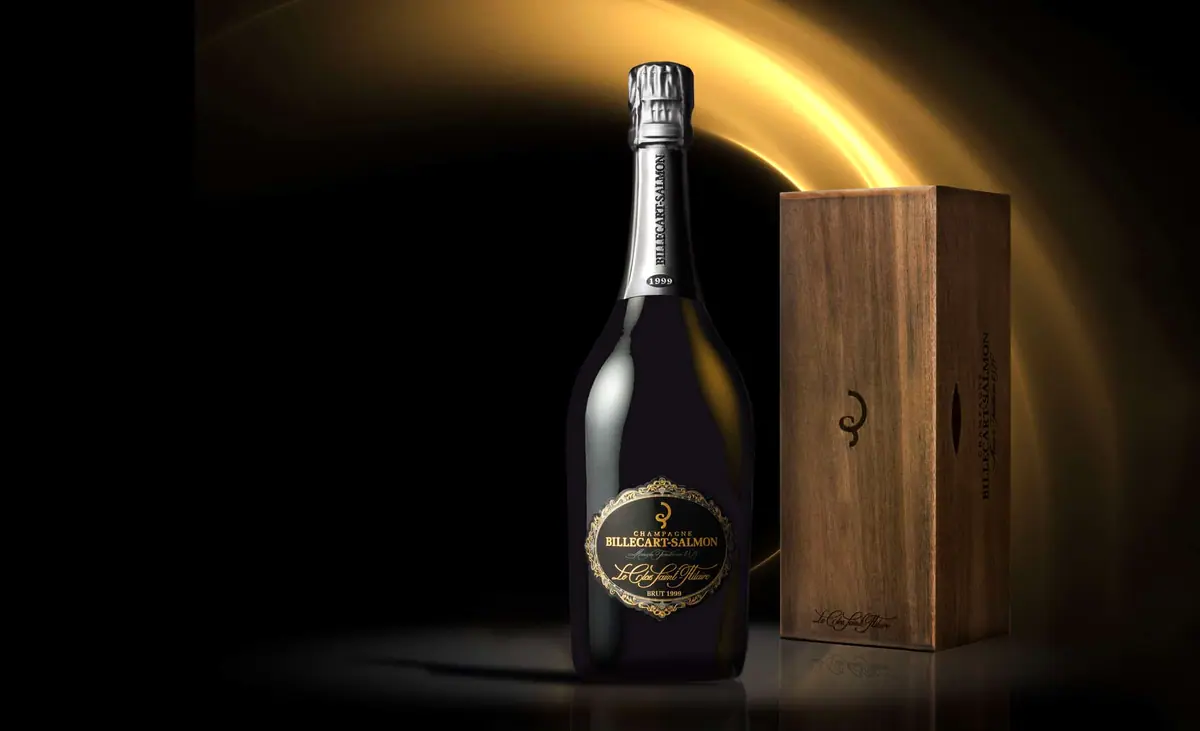 Billecart-Salmon Champagne
Use in the industry
In modern wine and champagne production, the ficeleur is a standard tool. Small growers and large champagne houses alike use this technique to ensure the quality and safety of their products. The technology has moved on, but the basic principles of securing the wire are still vital to the consistency and heritage of champagne production.
Conclusion
The ficeleur is an essential tool for closing champagne bottles safely and effectively. This technique ensures that the cork sits tight, the pressure in the bottle is maintained and the wine keeps its freshness and quality. The tradition and continuing development of the technique reflect the constant drive for improvement and the commitment to excellence in the wine and champagne industry.
Pictures







 0 %
