
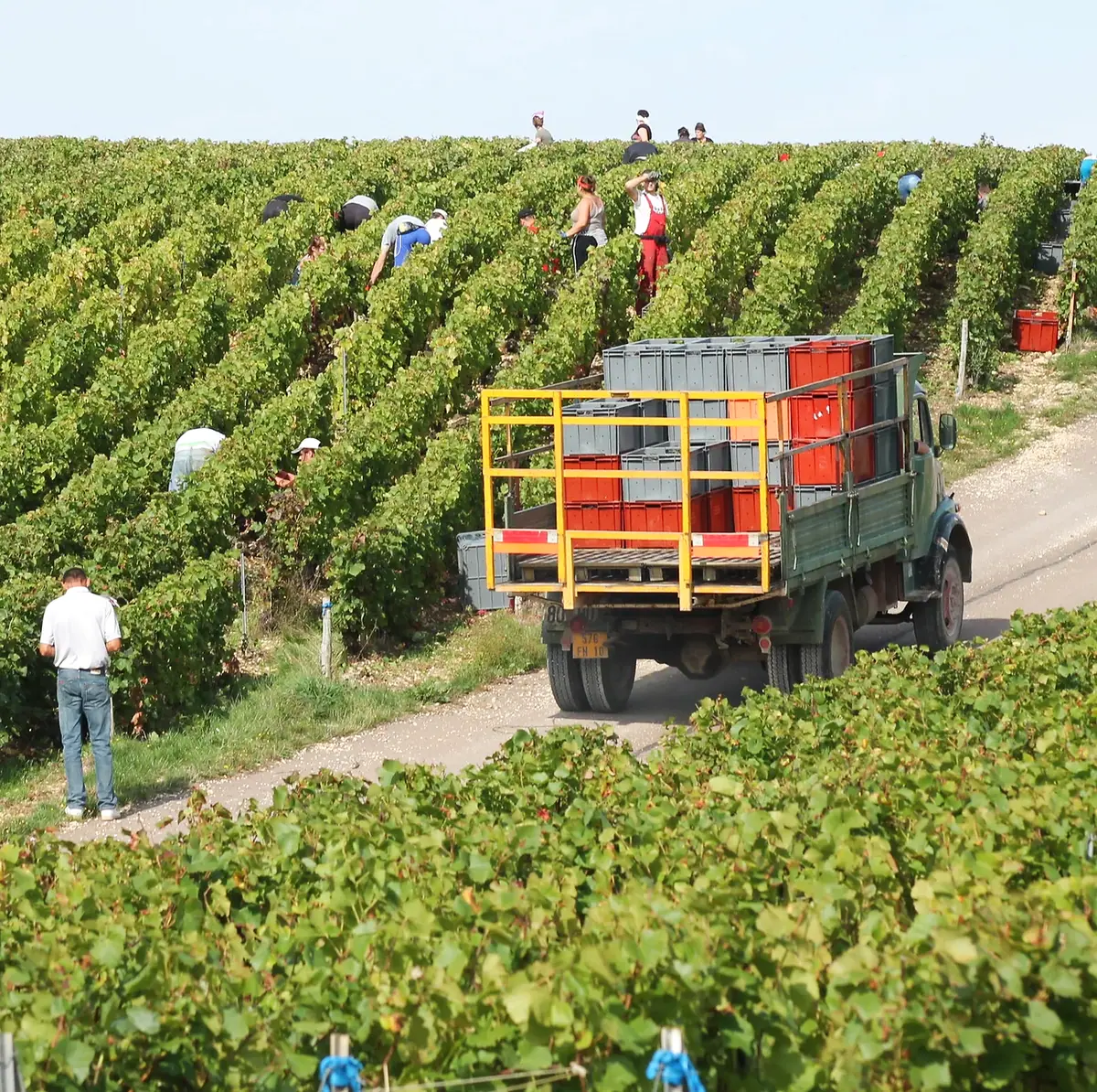
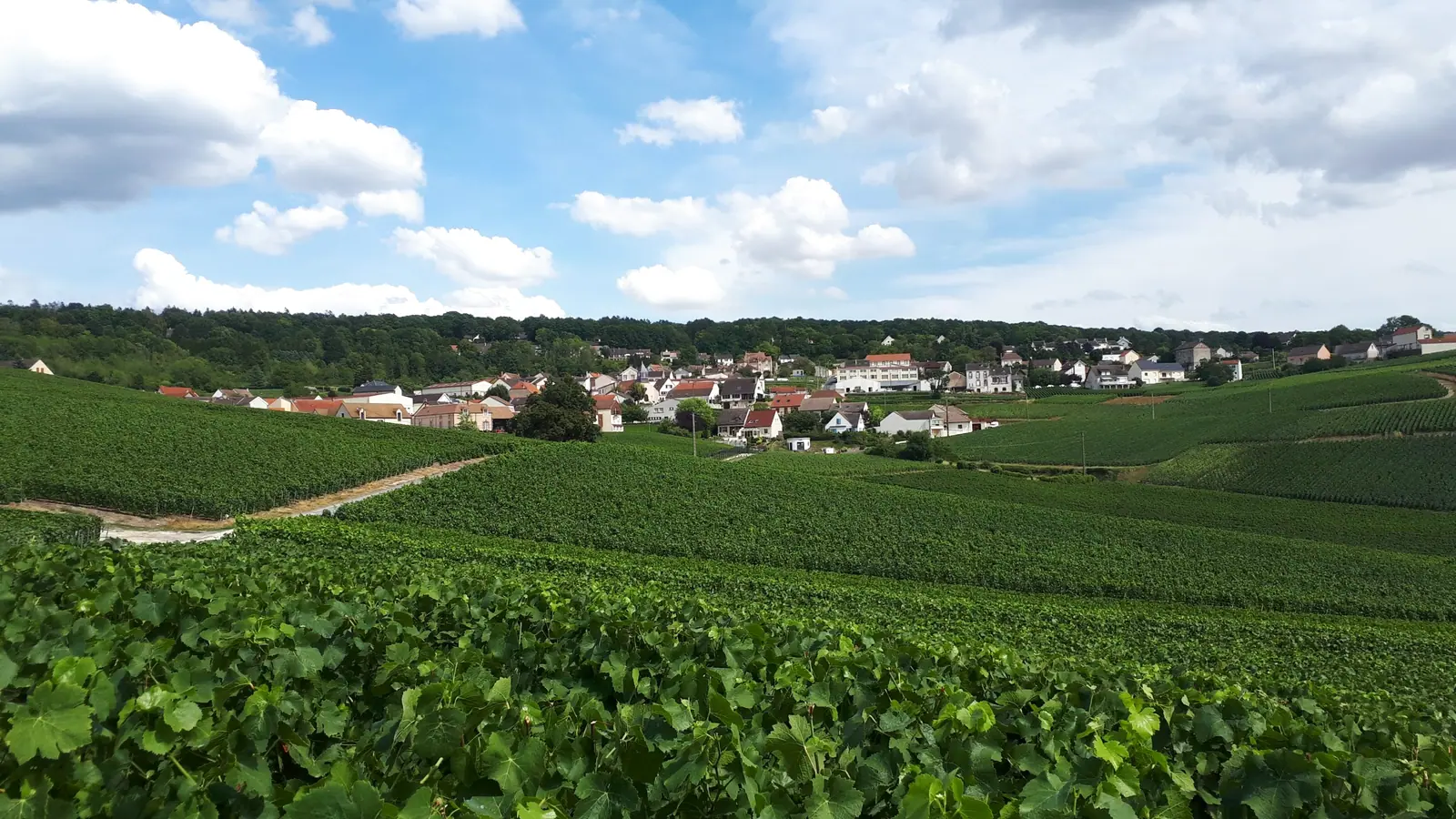
The harvest, or vendange, is the picking of the grapes for champagne, usually between late September and early October. It is done by hand so that only the best grapes are selected.
The Harvest in Champagne: A Detailed Overview
The harvest is a decisive moment in champagne production, and it has a major influence on the quality of the finished wine. It describes the picking of the grapes that go into making champagne. This moment is shaped not only by technical precision but also by traditional knowledge and craftsmanship. What follows describes the champagne harvest in detail, from the preparation to the picking itself and the challenges that come with it.
Preparing for the Harvest
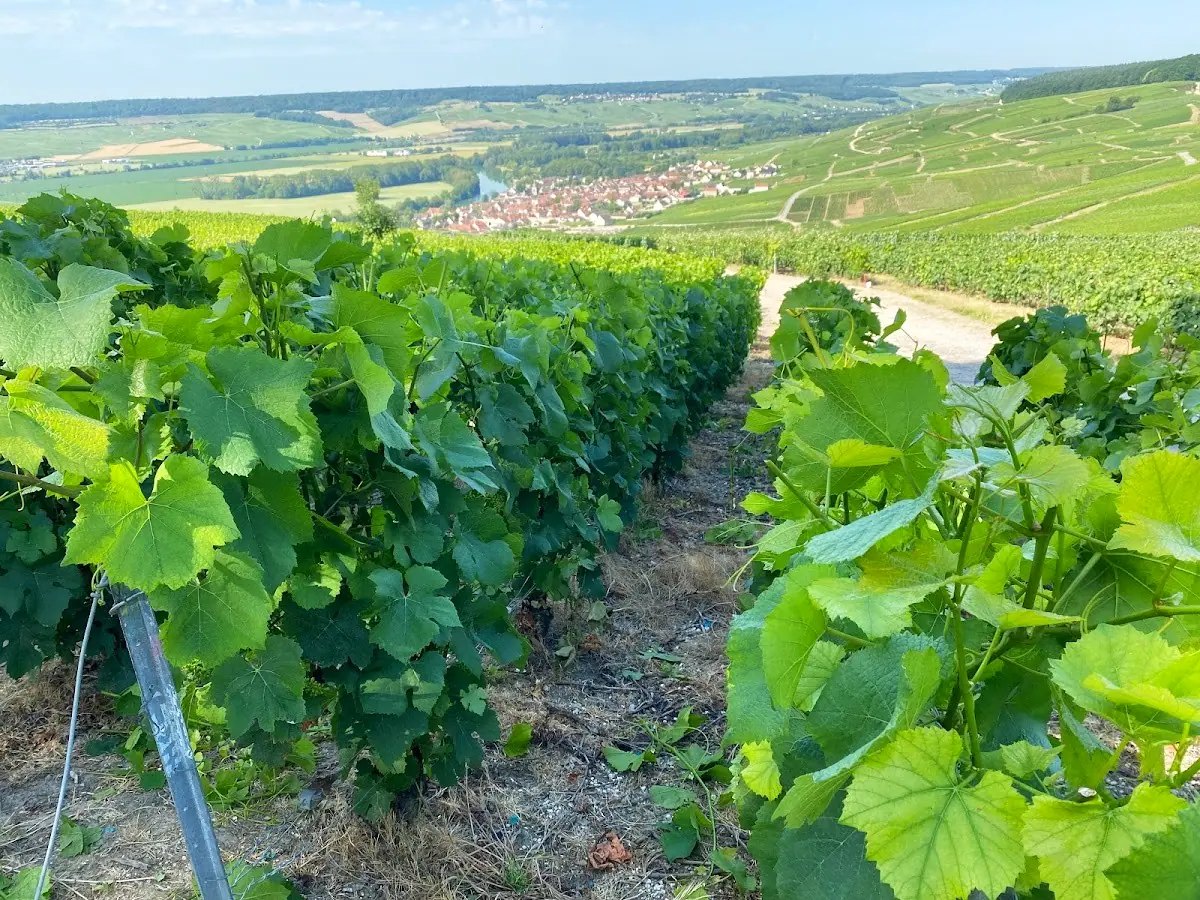
The preparation for the harvest begins long before the first grape is cut. Growers monitor the development of the grapes throughout the entire growing cycle, which starts in spring and ends in autumn. The most important grape varieties for champagne are Chardonnay, Pinot Noir and Pinot Meunier. Each variety has its own requirements when it comes to picking time, which can change depending on the vintage and the weather.
The Right Moment to Pick
The best time to harvest is determined by the ripeness of the grapes, which is influenced by several factors, including the weather, the soil and the care given to the vines. For champagne grapes it is particularly important to reach the right balance of acidity and sugar. Picking too early can mean high acidity and little aroma, while picking too late can mean too much sugar and a possibly unbalanced flavour.
Growers use various methods to decide on the right day. These include regular tasting of the grapes, checking the sugar content with a refractometer and measuring the acidity. The timing of the harvest is crucial for the quality of the champagne, because it forms the basis for all the winemaking steps that follow.
The Picking
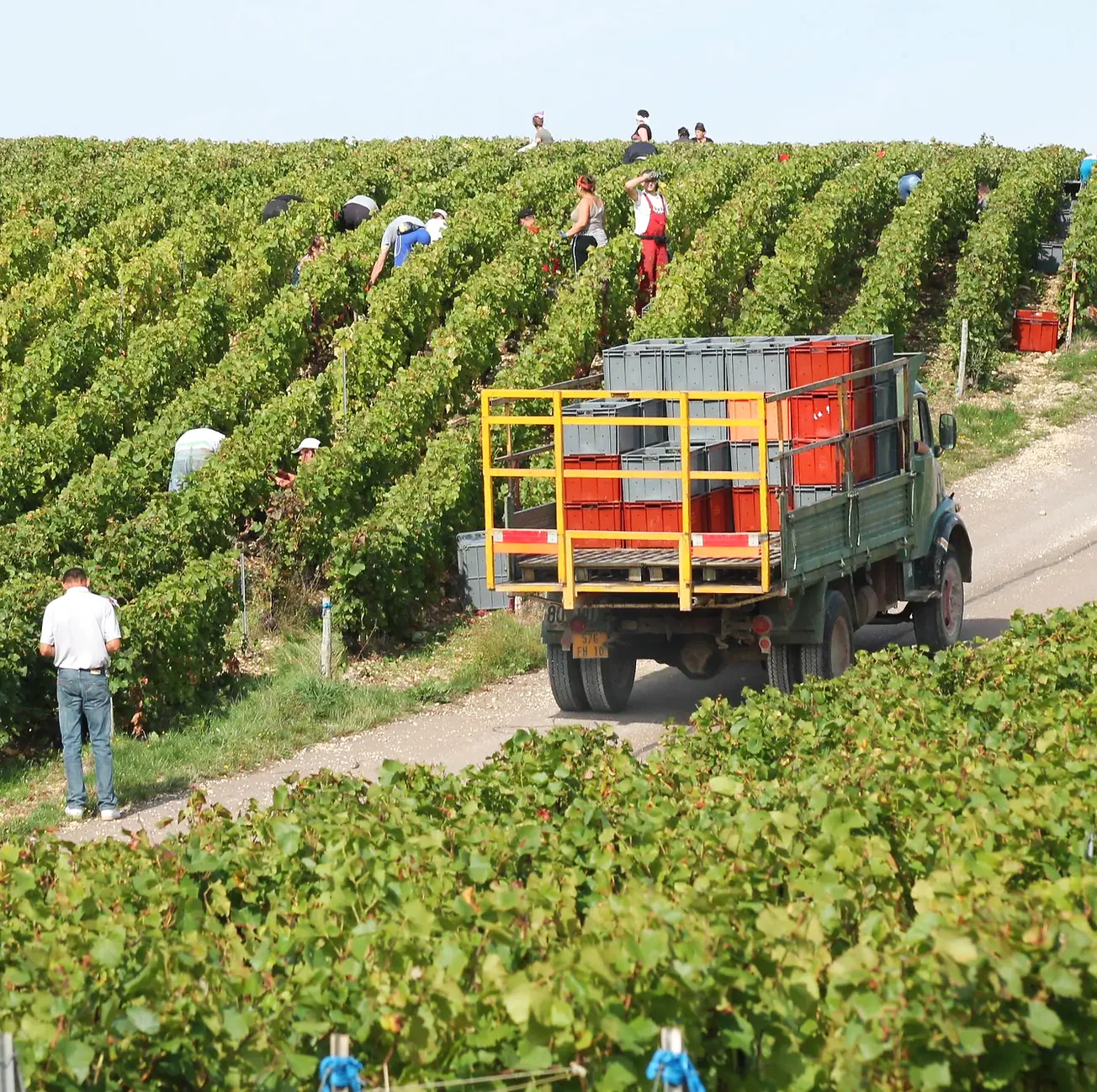
The harvest itself usually takes place between late September and early October. The grapes are picked by hand to make sure that only the best fruit is selected and that no damaged or unripe grapes end up in the baskets. This matters especially for high-quality champagne, because the grapes must offer the best possible starting point for fermentation.
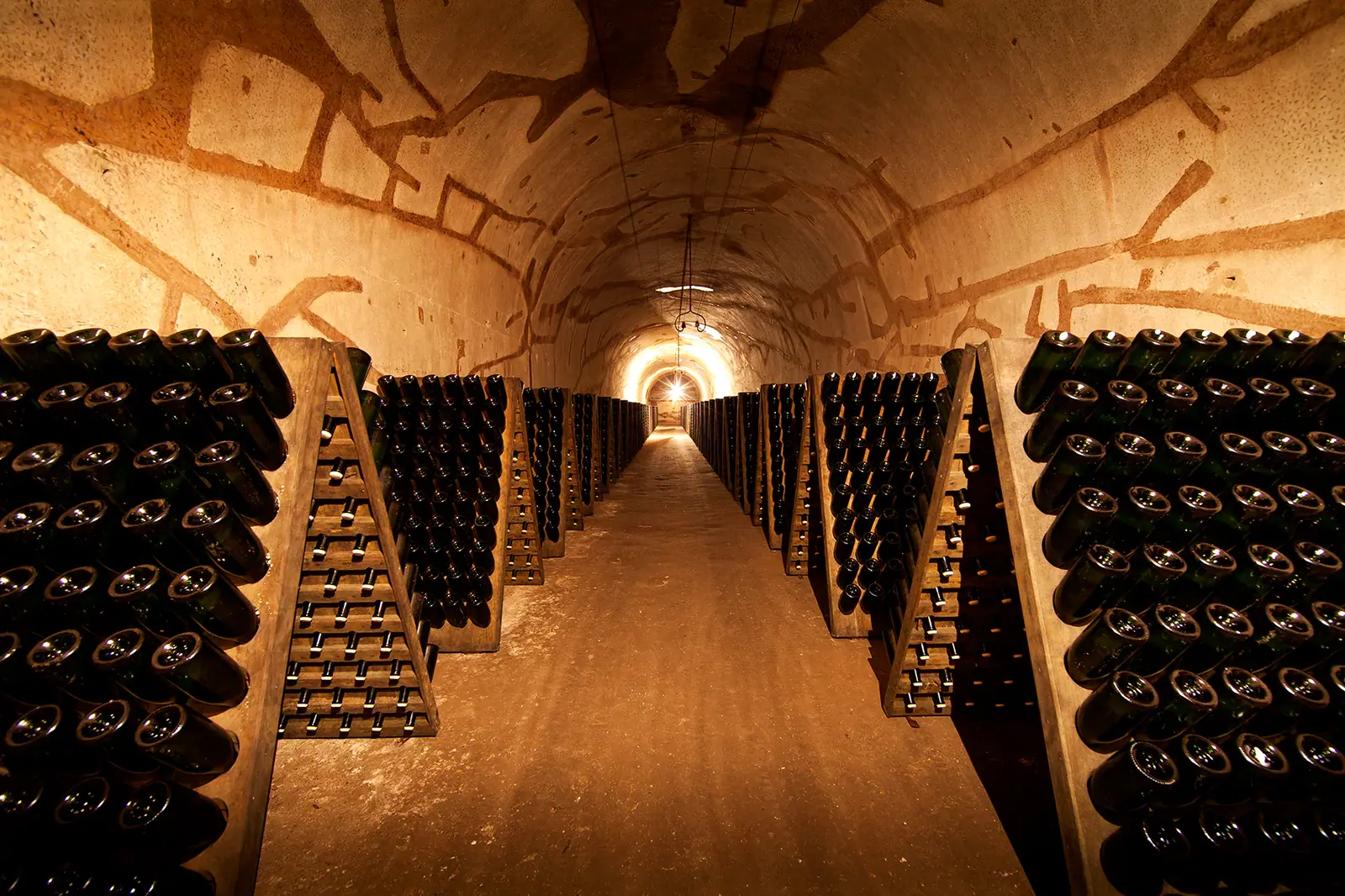
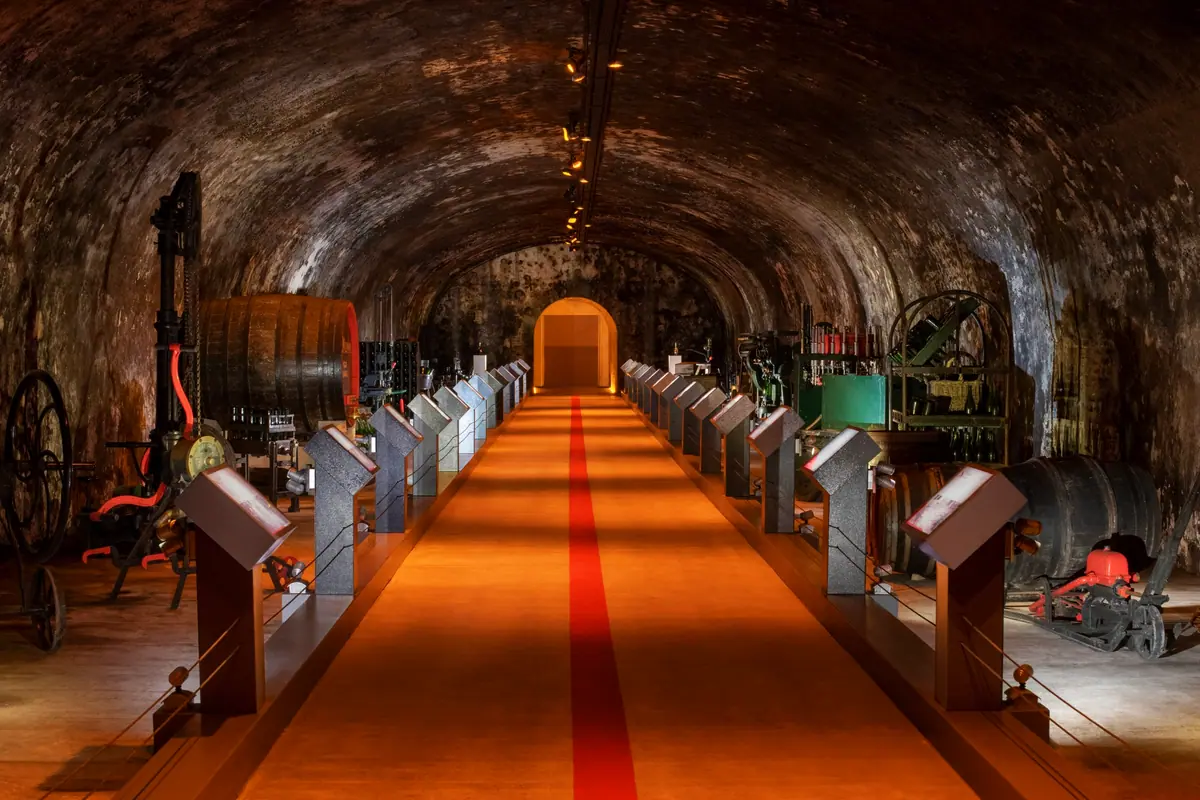 Mumm Champagner Keller
Picking usually takes place in the morning, to take advantage of the cool temperatures and bring in the grapes in their best condition. In the early hours the grapes are often still wet with morning dew, which helps keep them fresh. The grapes are collected in small containers so that they can be carried gently and are not damaged.
After the Harvest
After picking, the grapes are taken to the press. The press is a central part of champagne production, since this is where the juice is extracted from the grapes. For champagne the pressing is particularly gentle, so that only the best juice is taken and bitter compounds from the skins are avoided. The juice is then filled into stainless steel tanks or oak barrels, where the first fermentation begins.
An important step after pressing is the selection of the press fractions. The juice is divided into different fractions, and only the first part, known as the "cuvée", is intended for champagne production. The other fractions, the "taille" and the "rebêches", are used for other purposes or processed into other wines.
Challenges and Particularities
The champagne harvest can be affected by a number of challenges. The weather plays a decisive role, as rain, cold or high temperatures can harm the quality of the grapes. A year with unfavourable weather can lead to a small crop and poorer grape quality.
Besides the weather, growers also have to watch out for pests and diseases that can attack the grapes. Before the harvest a thorough health check of the vineyards is often carried out, to make sure the grapes are in the best possible condition.
Another highlight of the harvest in Champagne is the tradition and craftsmanship that go with it. Many champagne producers have kept to traditional methods for generations and place great value on quality and care at harvest time. This has helped make the Champagne region known around the world for its outstanding sparkling wines.

Conclusion
The harvest is an essential part of growing champagne and calls for both technical knowledge and manual skill. The right timing, the careful handling of the grapes and the precise pressing are decisive for the quality of the champagne. For all the challenges that come with it, the harvest is an indispensable step on the way to a first-class champagne, valued for its elegance and complexity.
Pictures


 0 %
