
The échelle des crus is a system for classifying the vineyards and grapes of Champagne. It ranks villages as grand cru, premier cru and autres crus, and gives a pointer to the quality and value of the champagne.
The “échelle des crus” is an important system for classifying the vineyards of Champagne and their grapes. Systems like this matter for how champagne is judged and how it is regarded. Over the years two main approaches have developed: the “échelle des crus” for the quality of the vineyards and the “échelle des crus” for the quality of the grapes.
1. The échelle des crus system
The échelle des crus is a historic classification system based on the quality of the vineyards. It was first introduced in 1927 to determine the value and quality of grapes coming from the different villages of the Champagne region. The system sorts villages into three main categories:
- Grand cru: This category covers the best vineyard sites in Champagne. Only a small number of villages are classed as grand cru. These vineyards stand out for their exceptional soils and climate, which create ideal conditions for growing grapes. Grand cru vineyards are known for their high quality and distinctive flavour. The term “grand cru” means “great growth” and stands for the highest excellence in wine production.
- Premier cru: These vineyards sit a little lower in the hierarchy but are still of high quality. Premier cru vineyards deliver grapes of very good quality, often used for fine champagnes. The term “premier cru” means “first growth” and refers to the excellent conditions that also prevail in these vineyards.
- Autres crus: This category takes in all the other vineyard sites that fall outside grand cru and premier cru. These vineyards can vary in quality and character, which feeds into a wide range of champagne styles. Although they do not enjoy the same recognition as grand cru or premier cru, they can still produce high-quality grapes.
2. Influence on the champagne
The classification of the vineyards has a direct influence on the champagne made from them. Grand cru champagnes are often more expensive and are regarded as the best of the best, because they come from the finest vineyards. Premier cru champagnes are also of high quality, but are available at a somewhat lower price. Champagne from autres crus vineyards can also be of excellent quality, but it is often cheaper.
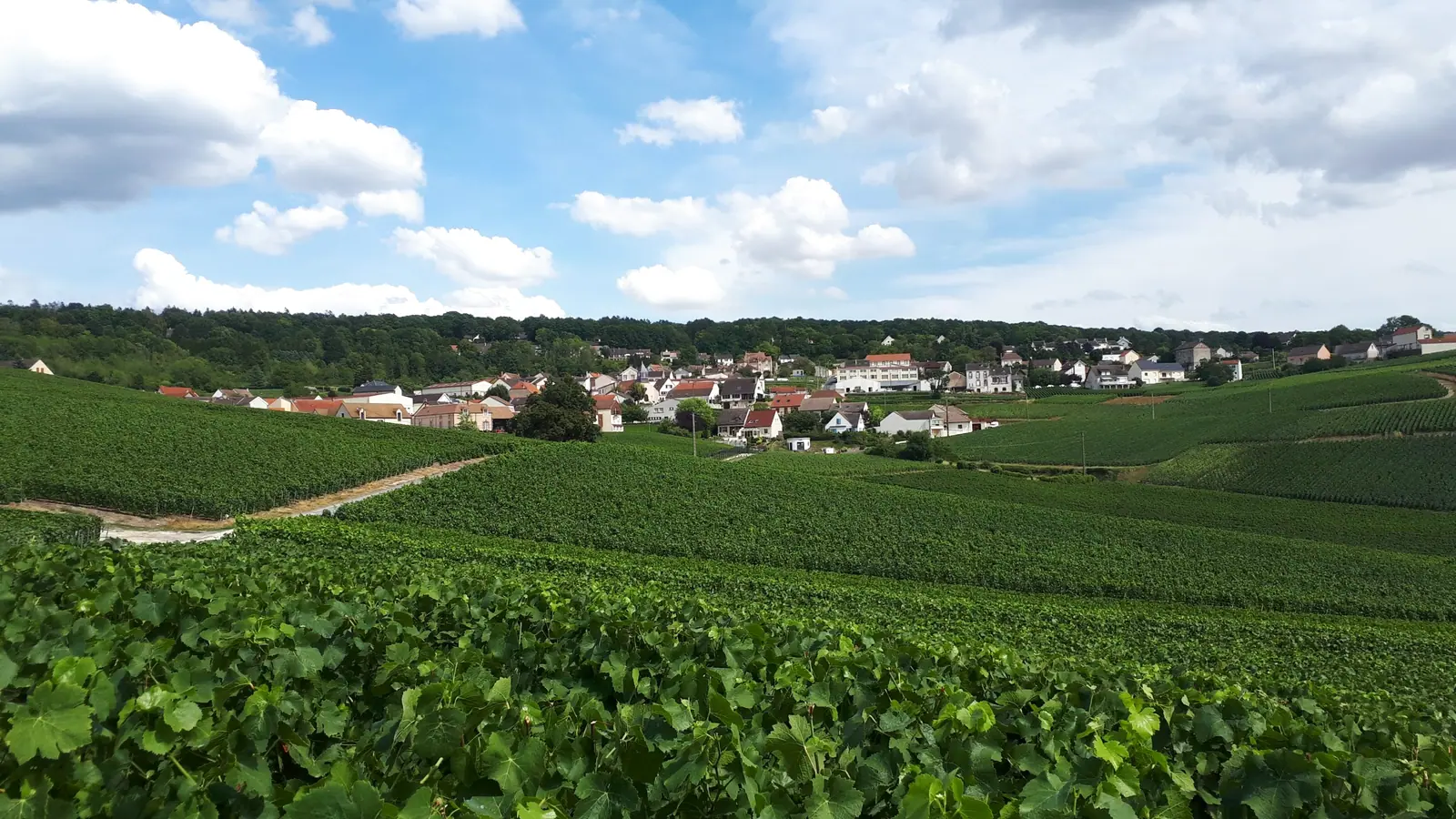
 Champagne - Ardenne, France - August 2017 : Champagne house Moët
The classification systems help consumers to understand the quality and value of a champagne better. They give an indication of which champagnes are likely to be of the highest quality. It is important to remember, though, that the classification is only one part of the whole picture. Other factors such as the production process, the ageing and the skill of the winemaker also play a decisive role in determining the final quality of the champagne.
It was first introduced in 1927 to determine the value and quality of grapes coming from the different villages of the Champagne region.
3. Historical development
The échelle des crus systems have developed over the years to meet the changing demands and standards of the champagne industry. Originally the system was introduced to help growers and winemakers assess and rank their grapes more reliably. Over time it has evolved to take account of new insights and developments in wine production.
Today the échelle des crus is still used to assess the quality of champagnes, even though it has been modernised in some respects. Its importance remains unchanged, however, as it plays a key role in how champagne is rated and regarded.
4. Significance for consumers and producers
For consumers, the échelle des crus offers valuable guidance when buying champagne. It allows them to make an informed choice and to compare champagnes of different quality and price categories. For producers, the system is an important tool for positioning their products on the market and communicating their quality. The classification helps them to market their wines better and to strengthen their position against the competition.
In summary, the échelle des crus systems play an essential role in the champagne industry. They provide a structured method for assessing and classifying vineyards and grapes, which matters greatly to consumers and producers alike. The systems help us to understand and appreciate the quality and value of champagne better, and they help to uphold the high reputation of the Champagne region.
Pictures






 0 %
