
- Département
- Aube
- Site
- Côte des Bar, in the Ource valley
- Inhabitants
- 395 (as of 1 January 2023)
- Source
- Wikipedia, eigene Zusammenfassung
Landreville is a wine-growing village on the Ource in the south of the Aube, in the Côte des Bar, and a stop on the Route touristique du Champagne. It is also known for its rich archaeological finds.
Setting on the Ource
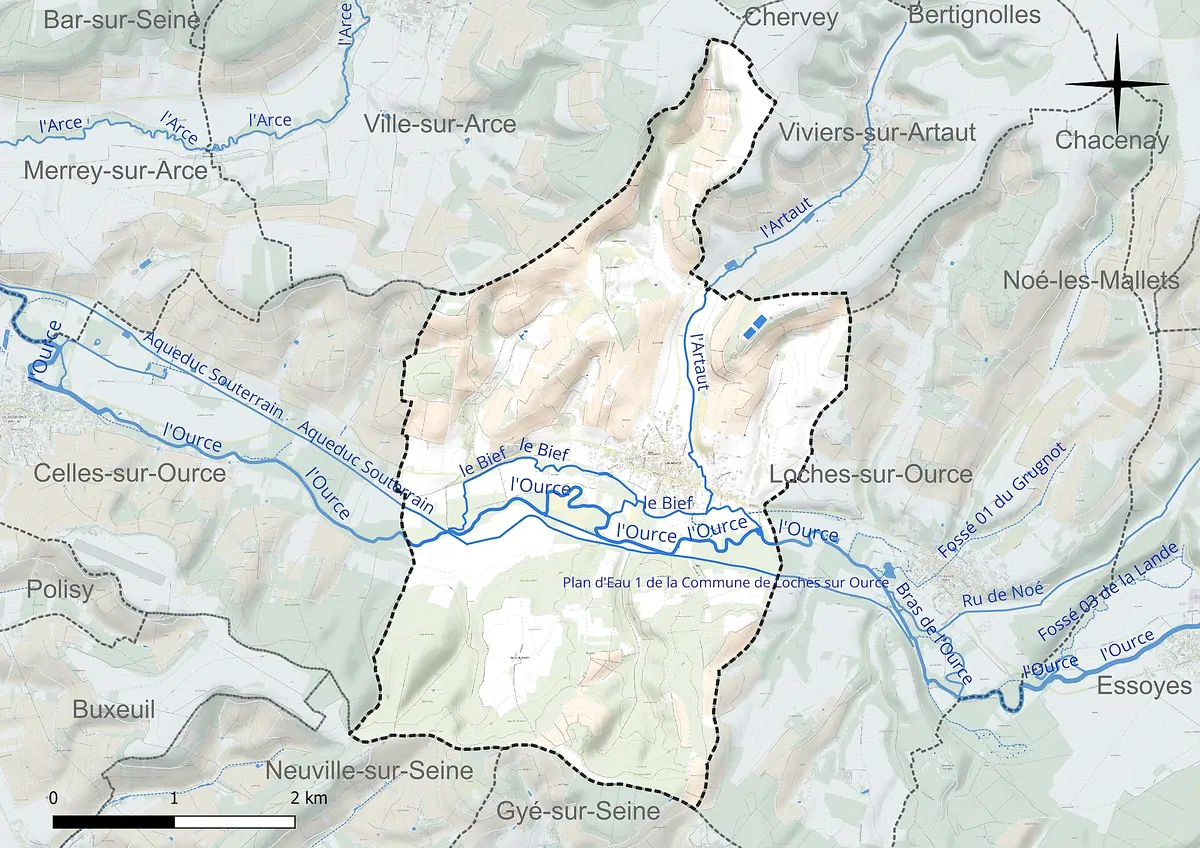
Landreville lies in the Aube département, about 45 kilometres south-east of Troyes, and belongs to the canton of Bar-sur-Seine. The village sits in the valley of the Ource, which flows into the Seine at Bar-sur-Seine. Its neighbours include Celles-sur-Ource, Loches-sur-Ource, Gyé-sur-Seine and Neuville-sur-Seine. According to the Insee classification, Landreville is a rural commune with scattered housing, and 395 people live here (as of 1 January 2023).
Winegrowing in the Côte des Bar
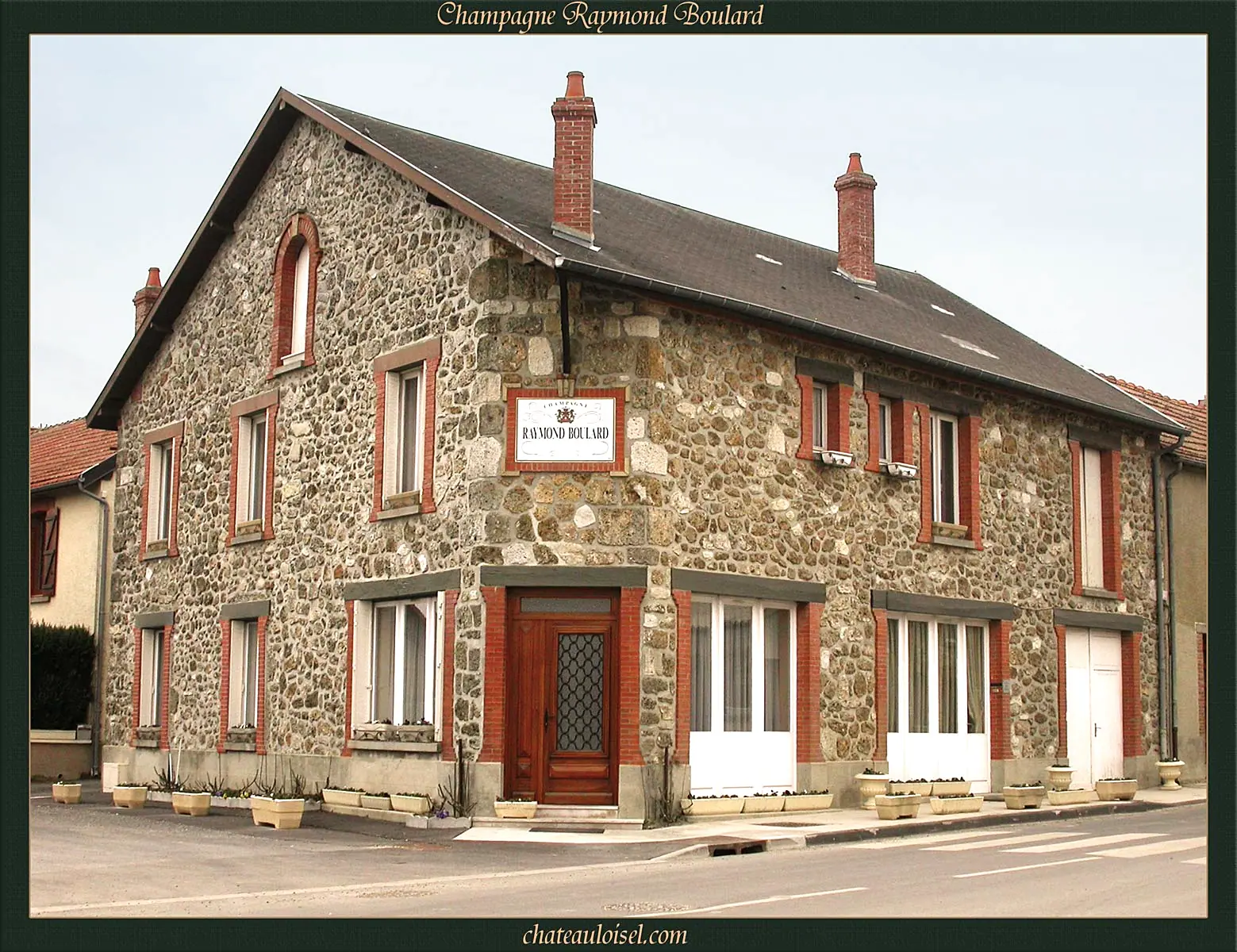
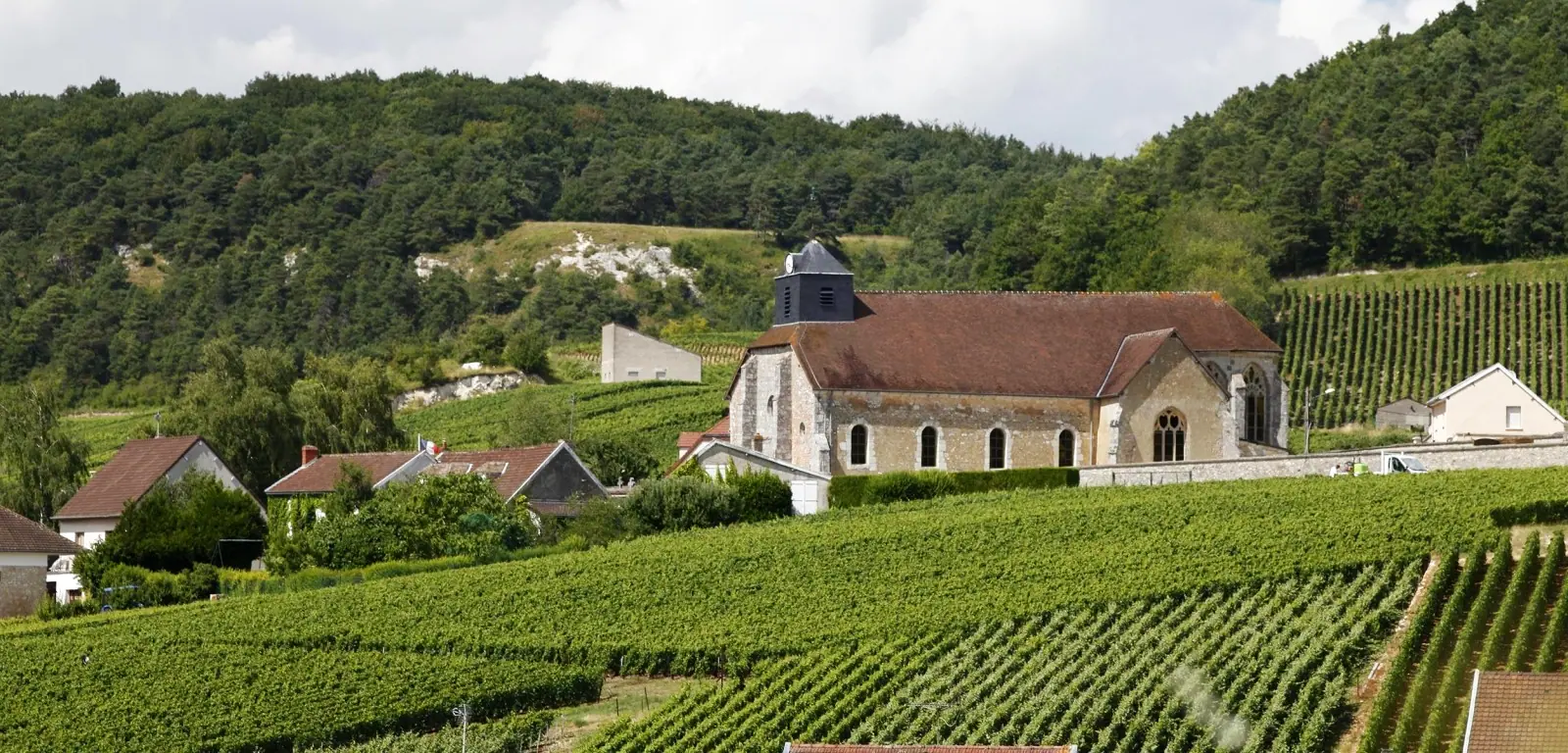
Landreville is one of the wine-growing communes of the Côte des Bar, the southern vineyard area of Champagne. It lies on the Route touristique du Champagne, which makes it an easy place to add to a tasting trip. You will not find a Grand Cru or Premier Cru here, but you will find a village where viticulture visibly shapes the landscape: according to Corine Land Cover, around 35 per cent of the commune's area in 2018 was given over to permanent crops, mainly vines. Woodland accounts for about 29 per cent, arable land for just under 24 per cent. Pinot Noir dominates across the Côte des Bar, which often gives the champagnes of the area a powerful, fruity character.
The climate is oceanic. The nearest Météo-France station, in Celles-sur-Ource six kilometres away, records an annual mean of 11.4 °C and an average of 747 millimetres of rainfall for 1991 to 2020. In December 2009 temperatures there fell to minus 15 °C, and in July 2019 they rose to 40.6 °C.
The nearest Météo-France station, in Celles-sur-Ource six kilometres away, records an annual mean of 11.4 °C and an average of 747 millimetres of rainfall for 1991 to 2020.
History: traces of settlement since the Stone Age
For a village of this size, the past is remarkably well documented, even though few archives have survived. Archaeological research in the 19th and 20th centuries, above all by the two Landrevillois Aristide Estienne and Arsène Olivier, brought finds from several eras to light:
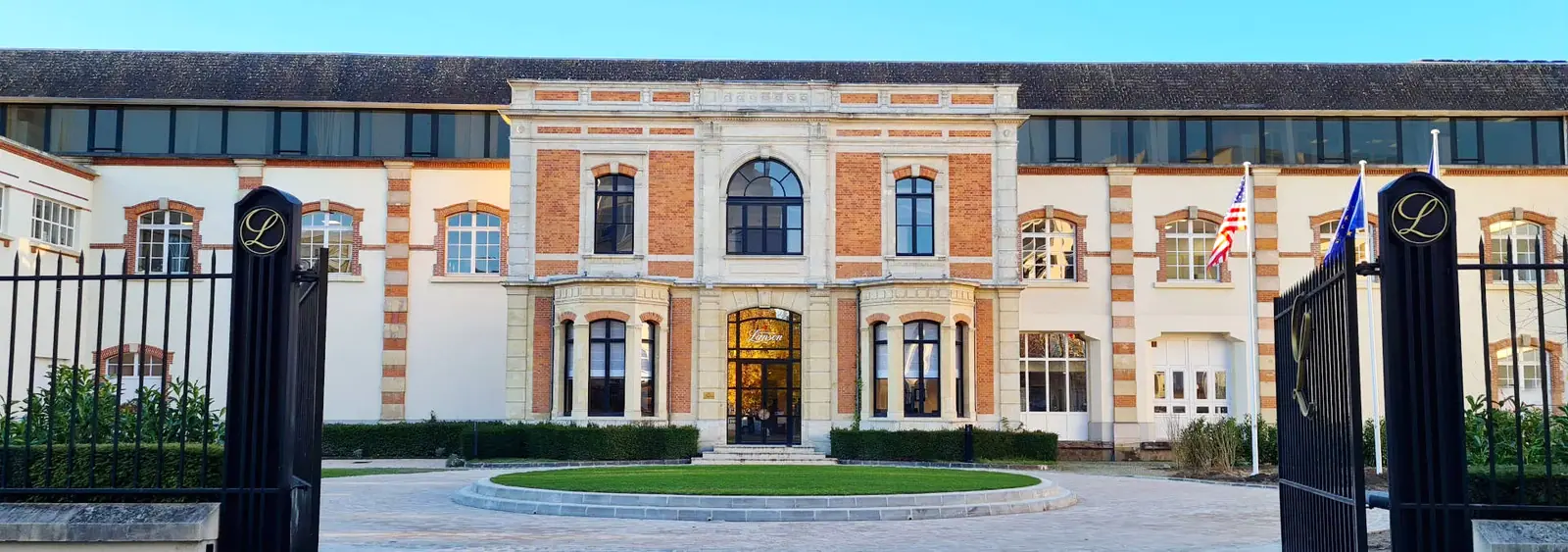
 Laurent-Perrier Champagner Haus
- Flint tools from the Palaeolithic and Neolithic, especially along the Ource
- Bronze Age axes, pins, bracelets and spearheads
- Jewellery and coins from the Celtic period, including a coin of the Lingones
- Numerous Gallo-Roman objects and richly furnished graves
- A Merovingian cemetery
The curator Clément Drioton noted that no other community in the département had yielded a comparable wealth of Stone Age and Bronze Age finds. Tools for striking coins of the Senones are also said to have been discovered in the stream near the mill site.
The first written mention dates from 1080, according to a charter of the Abbey of Mores. The name most likely derives from the Merovingian lord Landri and means roughly “Landri's place”.
What to see
Two buildings in the village are worth a stop:
- the church of Notre-Dame-de-l’Assomption from the 12th century, protected as a Monument historique
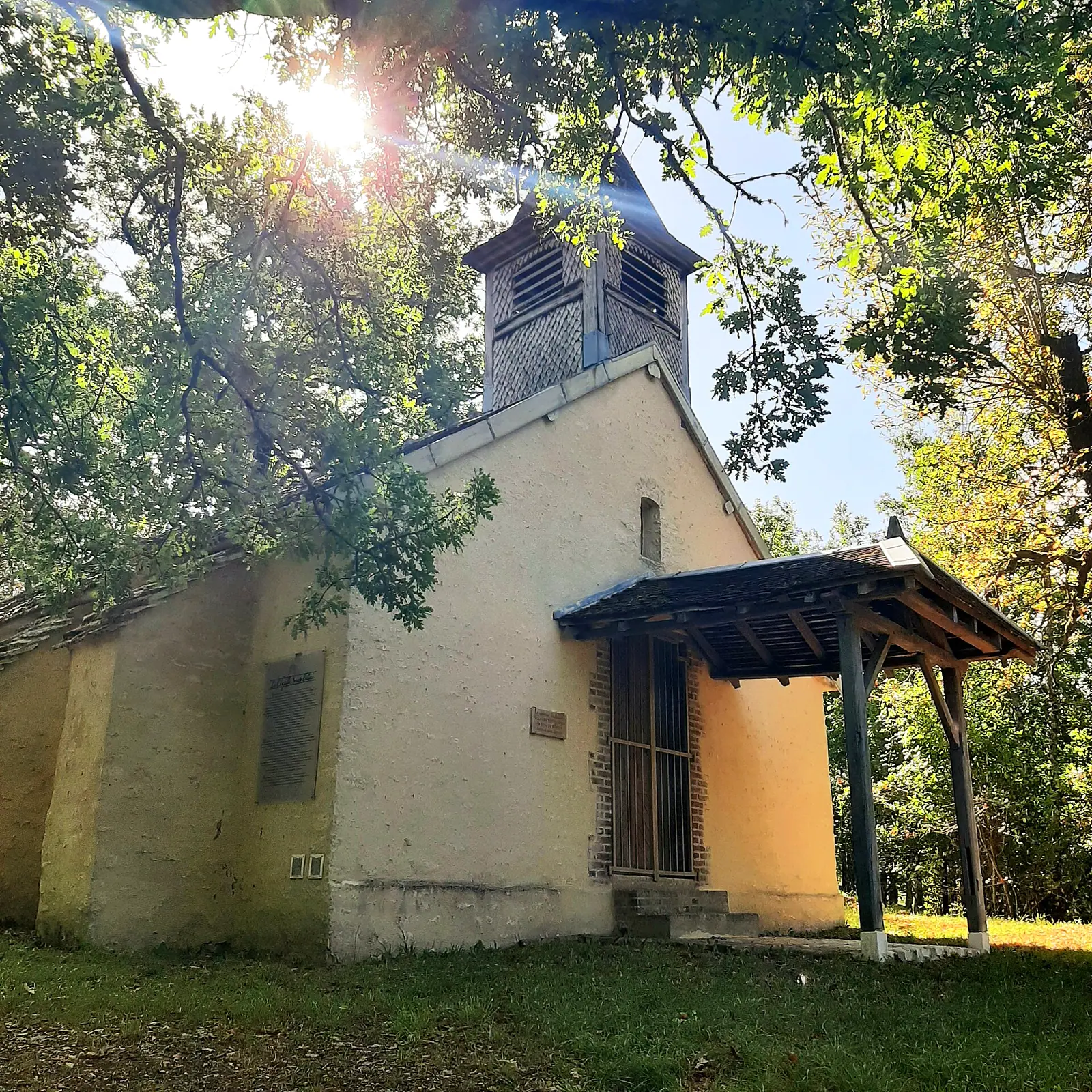
- the chapel of Saint-Béline
If you visit Landreville, the best plan is to combine both sides of it: a walk through the Ource valley and a visit to one of the growers nearby. Ask about opening times in advance, as smaller estates often receive visitors by appointment only.
Pictures


 0 %
