
- Département
- Marne (Grand Est region)
- Site
- Côte des Blancs
- Inhabitants
- 988 (as of 1 January 2023)
- Source
- Wikipedia, eigene Zusammenfassung
- Classification
- Grand Cru
Le Mesnil-sur-Oger is a grand cru village in the Marne département on the Côte des Blancs, eleven kilometres from Épernay. It is known for pure Chardonnay grown on chalk and for the Clos du Mesnil of the house of Krug.
Location
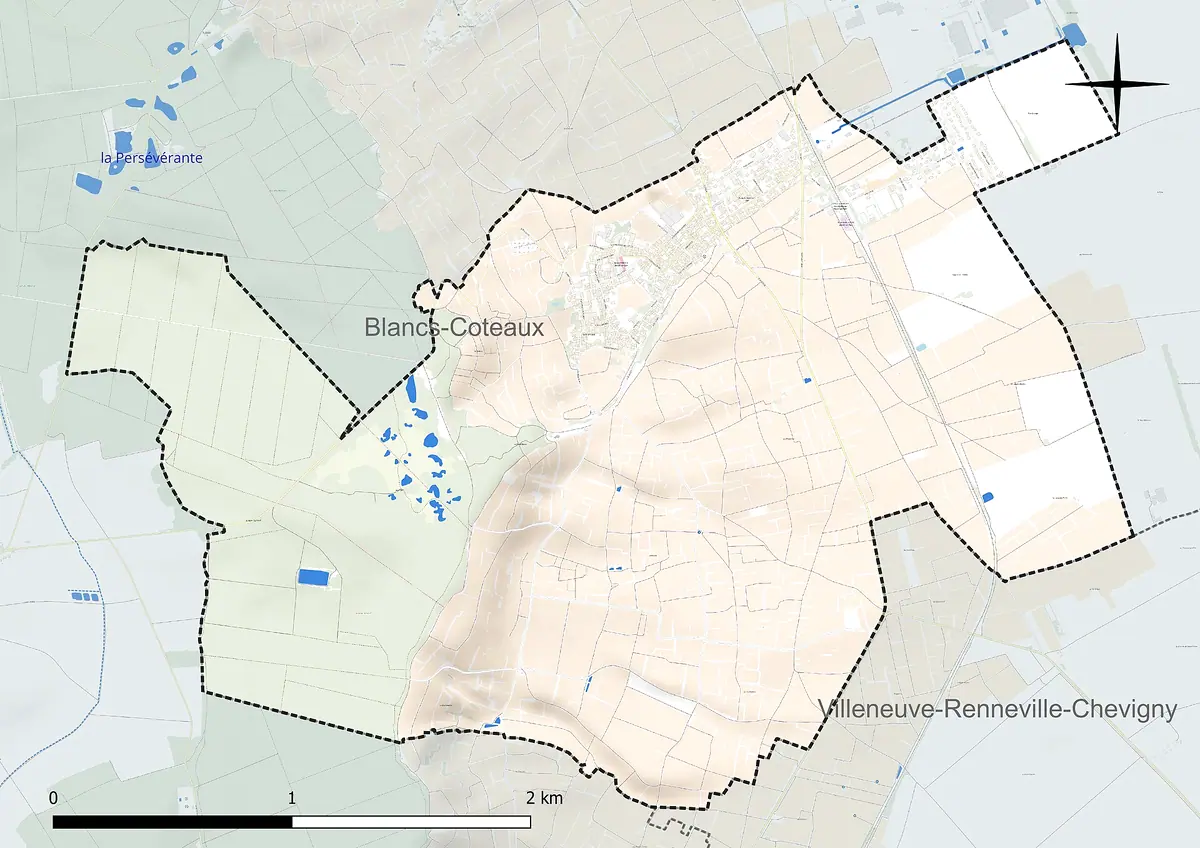
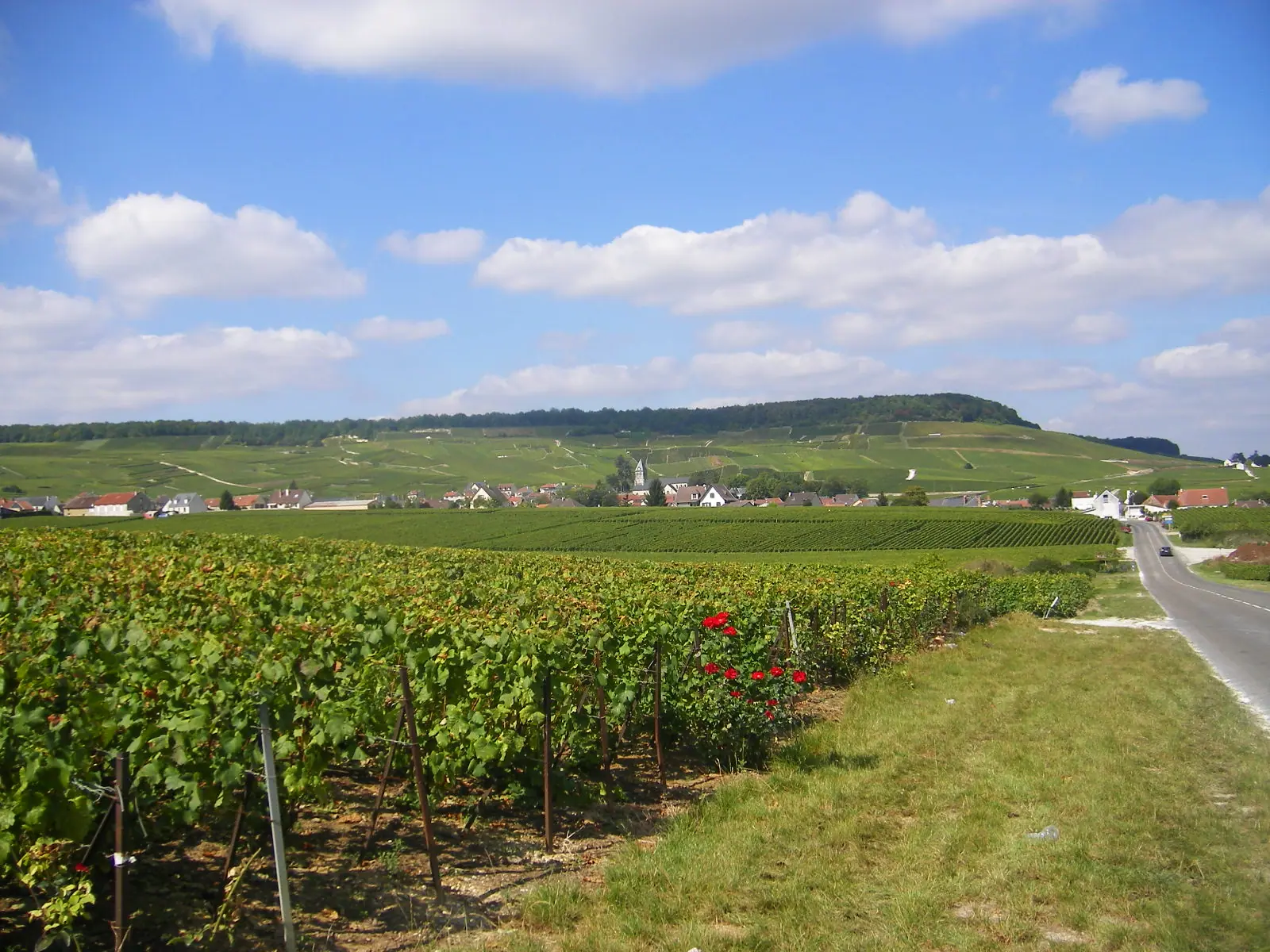
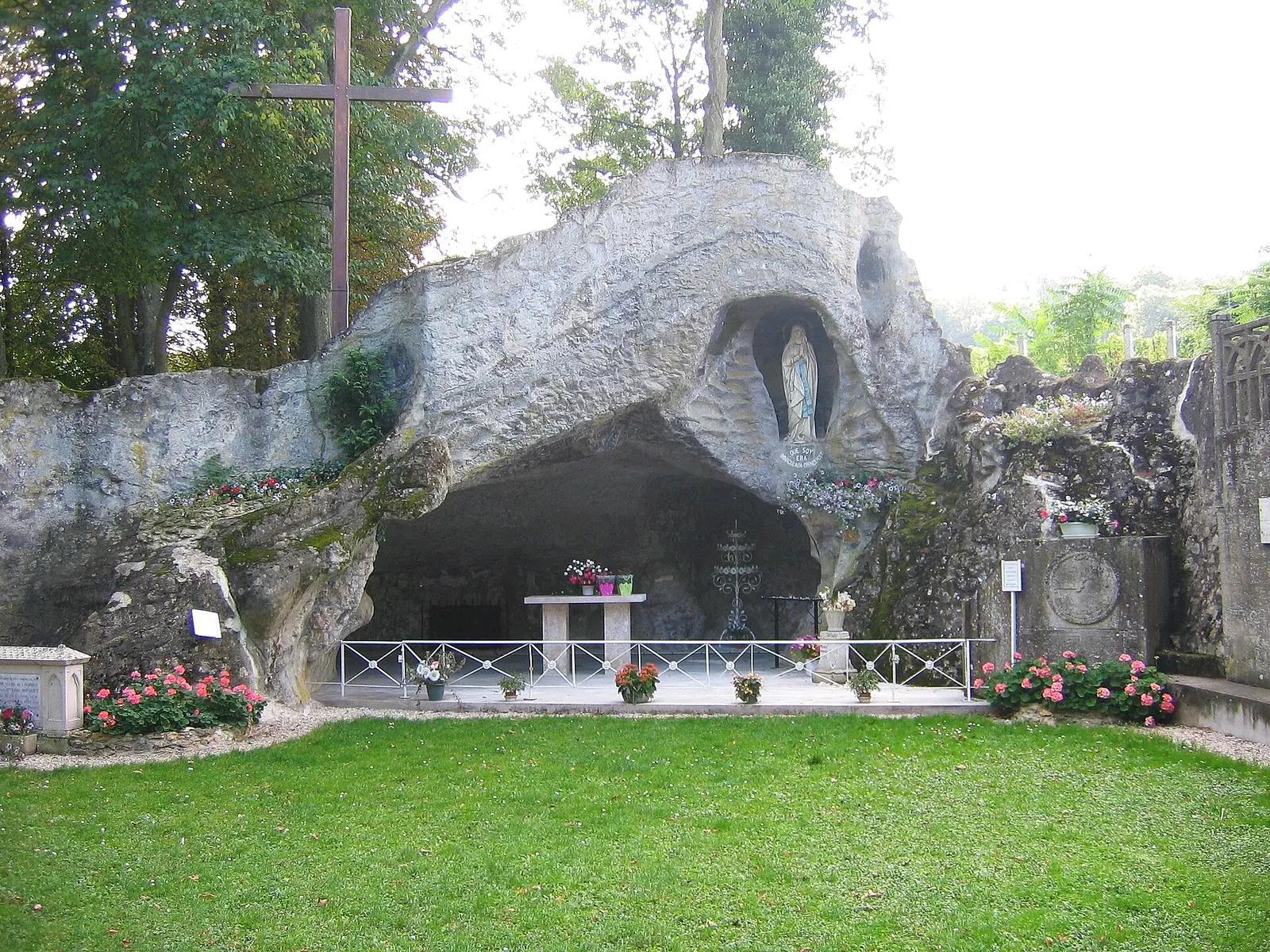
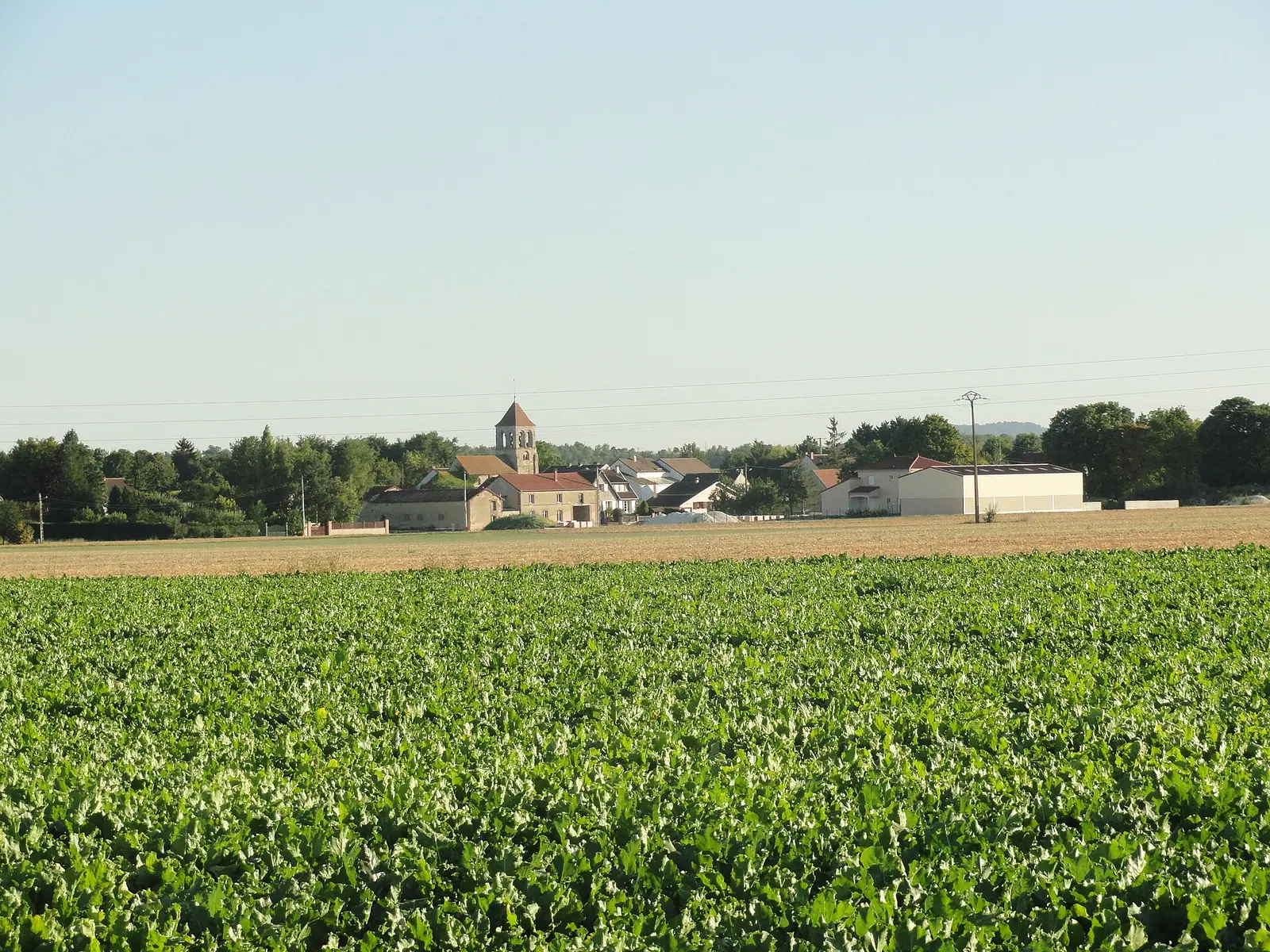
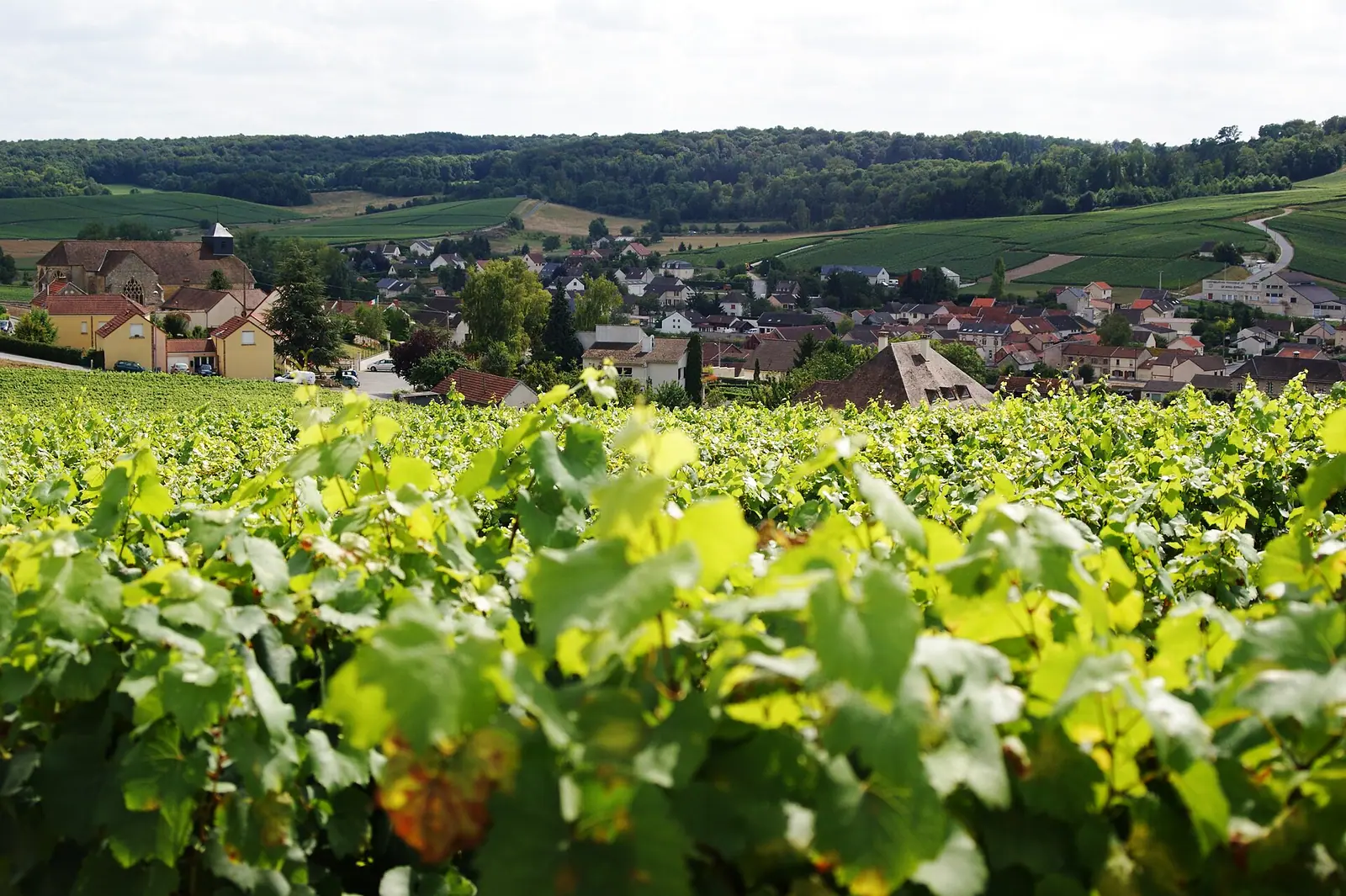
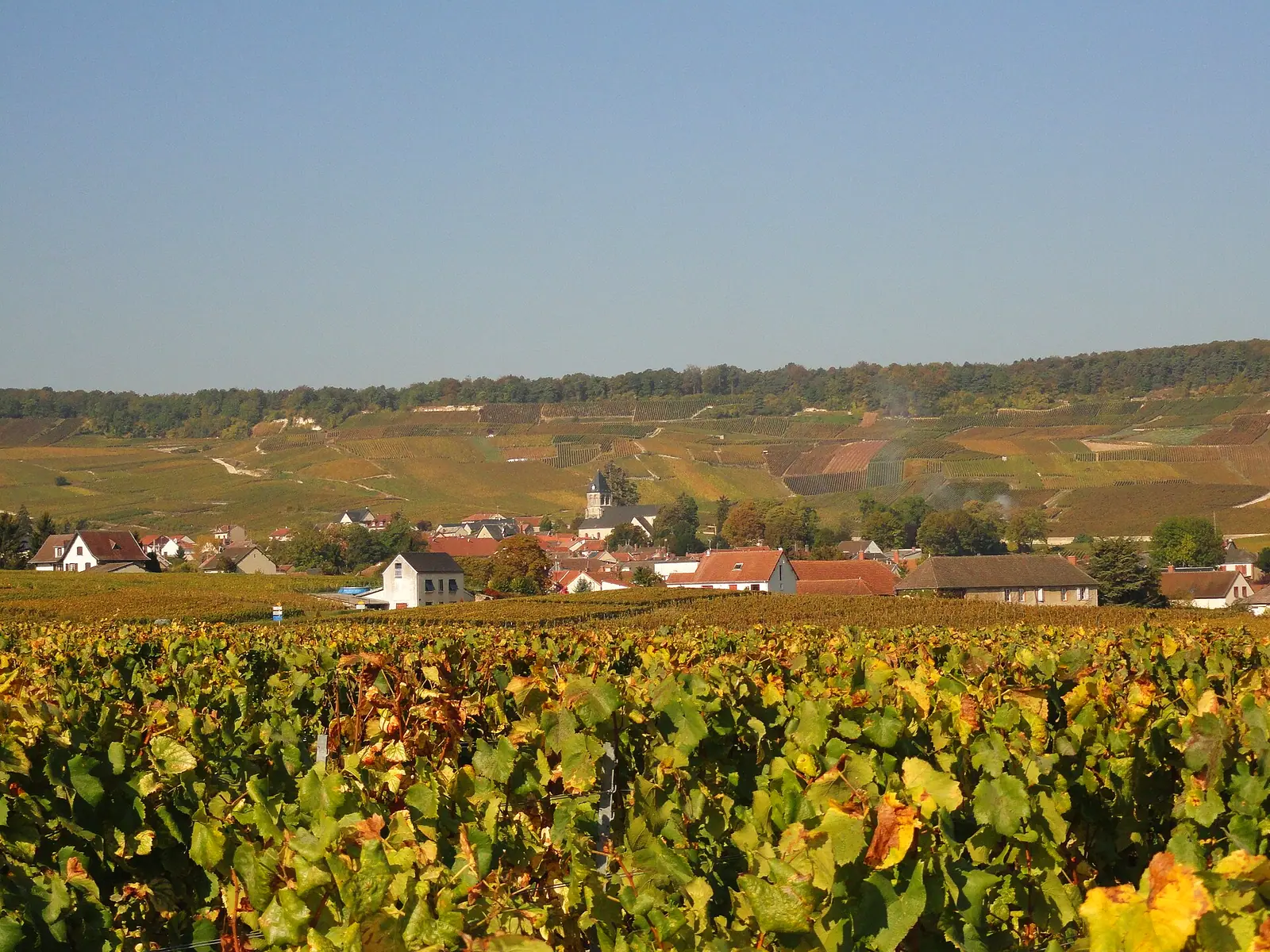
Le Mesnil-sur-Oger lies in the Marne département, on the north-western edge of the Champagne Pouilleuse. Here the wide plain gives way to the hills leading up to the Montagne de Reims, and the village sits right on the escarpment of the Côte des Blancs. Épernay is eleven kilometres away, and Châlons-en-Champagne lies about 30 kilometres to the east. The commune has 988 inhabitants (as of 1 January 2023). Its houses run along the slopes, the village is ringed by vines and has grown mainly lengthways. Altitudes range from 103 to 246 metres. To the west it borders the nature reserve of the Pâtis d'Oger et du Mesnil-sur-Oger. The Route touristique du Champagne also passes through the village.
Viticulture
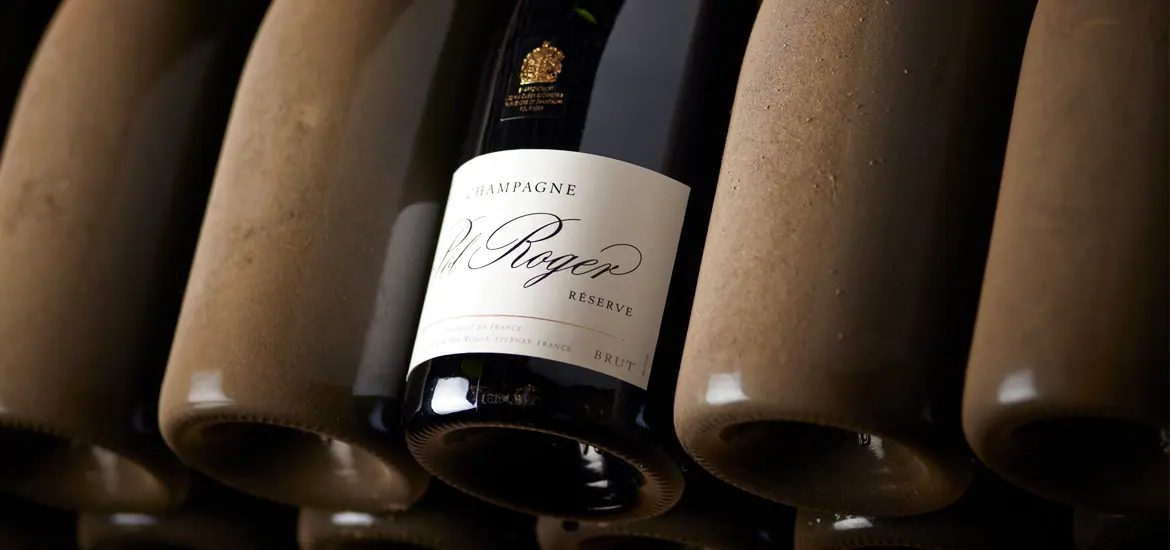
Le Mesnil is classified grand cru. Its 423 hectares are planted exclusively with Chardonnay, which suits the Côte des Blancs, where champagne is made from this white grape alone. The slopes are made of chalk rich in fossils. Connoisseurs prize this subsoil as the foundation for taut, mineral wines. More than half of the commune's area is given over to permanent crops, which means mostly vines.
Between 1870 and 1939 the village's railway station served passengers and freight.
Clos du Mesnil and the champagne houses
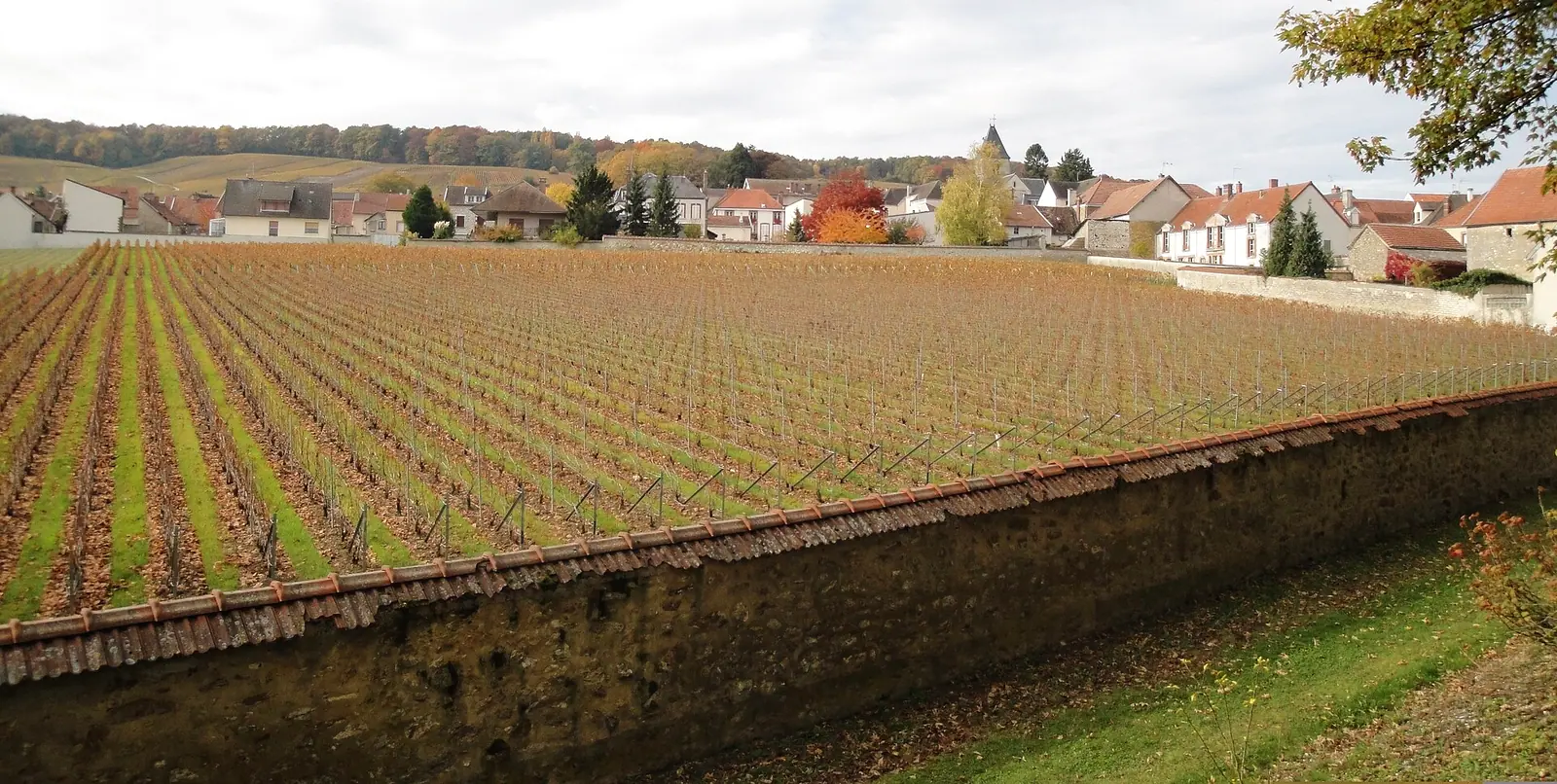
The village's best-known site is the Clos du Mesnil, in the middle of the village and just below the church. Among experts it is regarded as the finest parcel in the commune. It measures 1.84 hectares, belongs solely to the house of Krug in Reims and has been protected by walls since 1698.
The houses based in the village include:
- Salon
- Robert Moncuit
- François Girard
History
The Battle of the Catalaunian Plains took place in this area in the year 451. A Roman and Visigothic army under Flavius Aëtius defeated the Huns under Attila and halted their advance into Europe. From the village you can still look out over that wide plain today. Between 1870 and 1939 the village's railway station served passengers and freight. Since spring 2014 the former station building has been a restaurant.
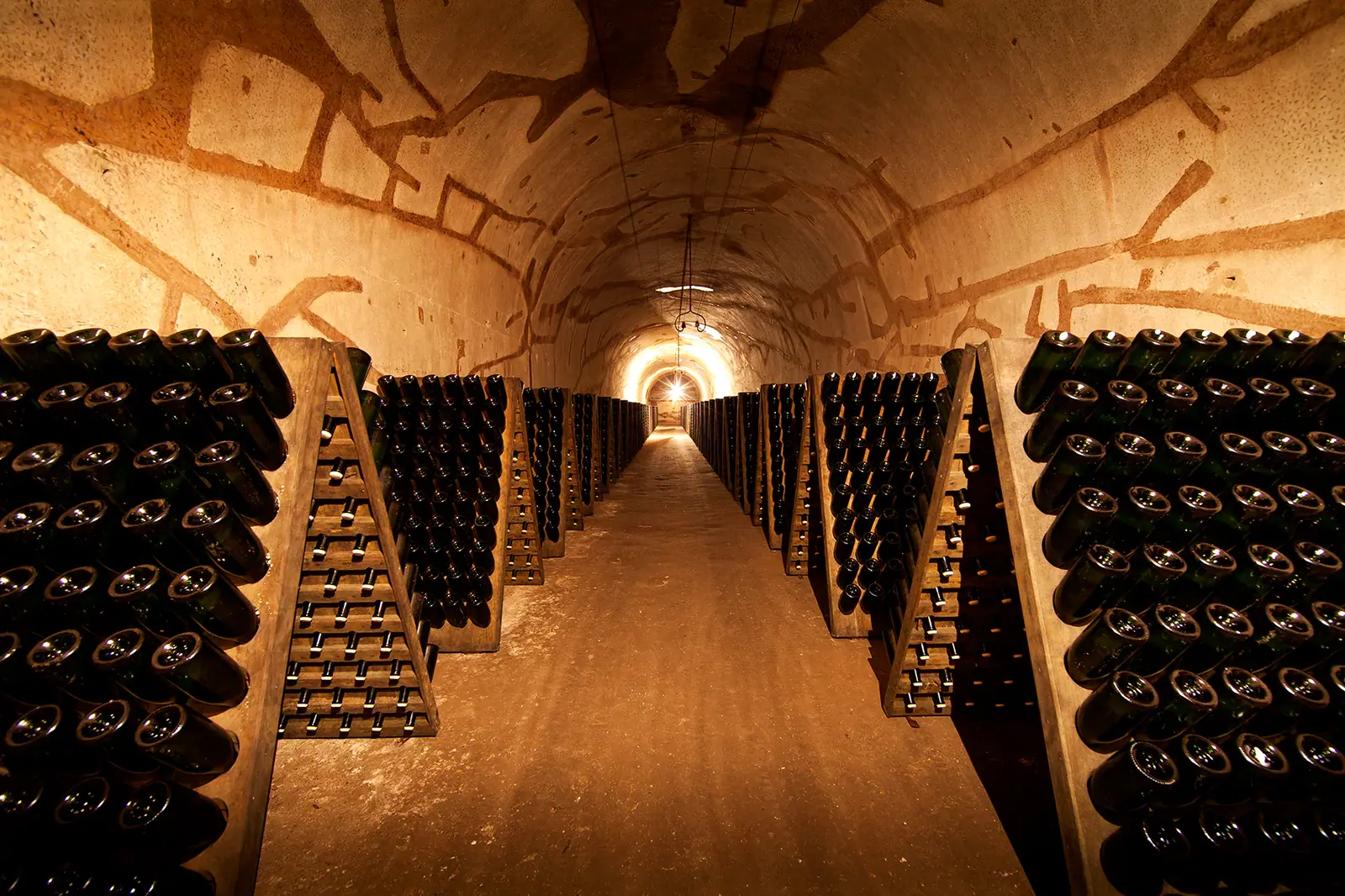
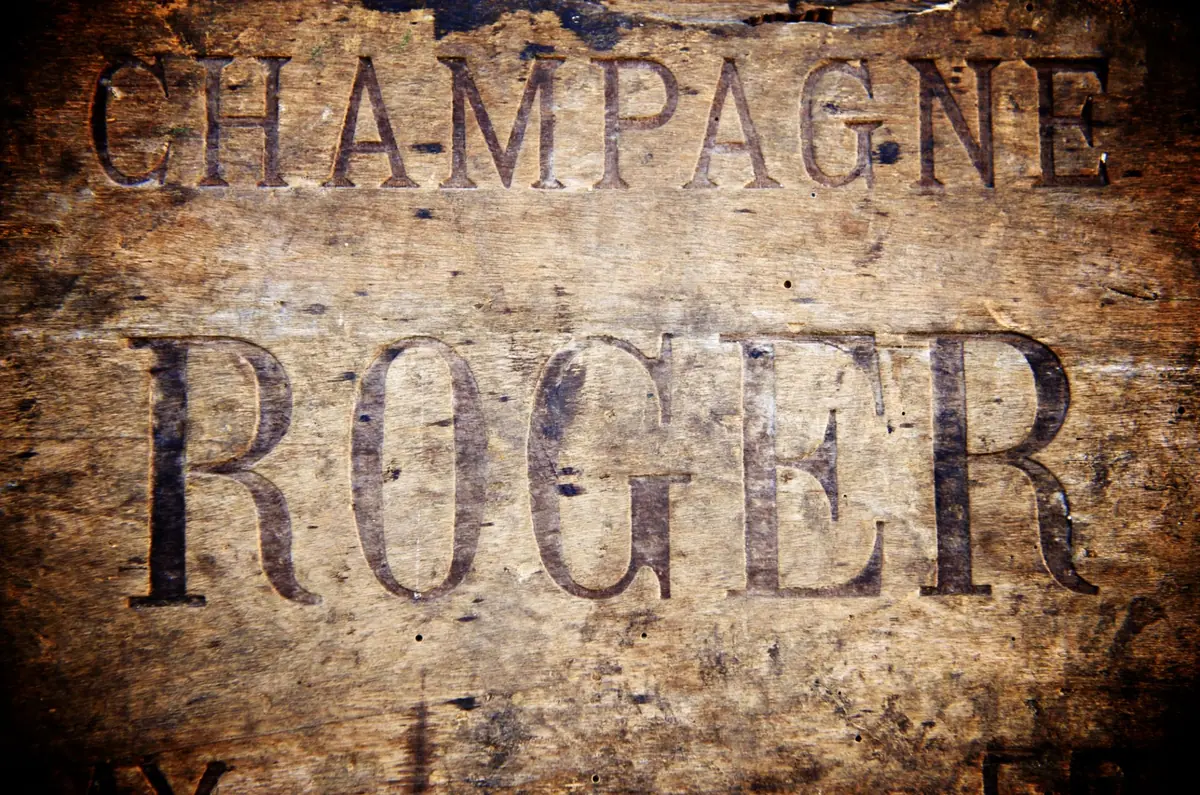 Pol Roger Champagner
Things to see
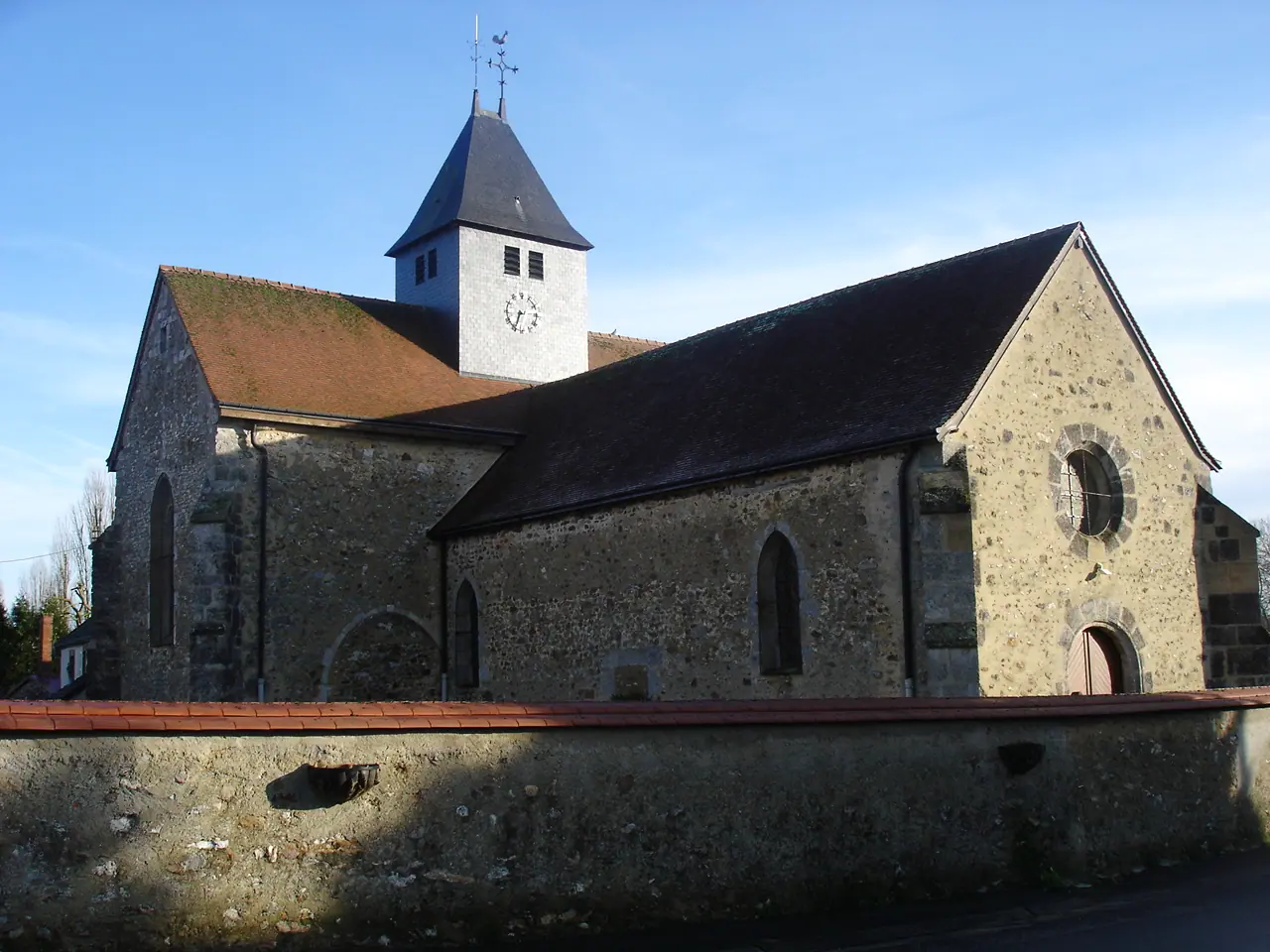
- The church of Saint-Nicolas, dating from the 11th and 12th centuries, with remarkable 17th-century wood carvings
- The village's wine museum
- The walls of the Clos du Mesnil, which you can view from the outside
Le Mesnil is twinned with Leiwen, a wine-growing village on the Moselle. If you want to get to know the Côte des Blancs, this is one of the clearest expressions of pure Chardonnay in Champagne.
Pictures




 0 %
