
Moût is the freshly pressed grape juice that has not yet undergone alcoholic fermentation. It is the starting point for the fermentation and ageing of champagne.
Moût is a key term in champagne production. It describes the juice obtained once the grapes have been pressed. This juice is the first step in making champagne, one of the finest sparkling wines in the world, which comes from the Champagne region of France. The moût plays an essential part in determining the quality and character of the champagne, because it forms the basis for all the fermentation and ageing that follows.
1. Origin and definition
The term "moût" comes from French and refers to freshly pressed grape juice that has not yet undergone alcoholic fermentation. The moût is taken from the pressed grapes straight after the harvest. Its quality matters a great deal, as it lays the foundation for the future champagne. In Champagne, the moût used comes mainly from Chardonnay, Pinot Noir and Pinot Meunier, grape varieties known for their distinctive flavour and aromatic richness.
2. Pressing the grapes
Pressing is a decisive step in champagne production. The grapes are pressed gently to extract the moût, with care taken to avoid drawing out bitter compounds from the pips or the skins. In Champagne the traditional choice is the "Coquard press", a special press that works particularly gently and ensures a high-quality moût. The moût is then divided into different fractions, including the "cuvée" (the first juice) and the "taille" (the second juice). The cuvée juice is regarded as the finer of the two and is reserved for making the best champagne.
3. Composition and properties of moût
Moût contains a wide range of components, including sugars, acids, aroma compounds and tannins. These elements are decisive for the flavour and quality of the future champagne. The sugar content is especially important, as it is the basis for alcoholic fermentation. During fermentation, yeasts convert the sugar into alcohol and carbon dioxide. The acidity of the moût influences the freshness and the ageing potential of the champagne. A well-balanced ratio of sugar to acid is therefore essential for a harmonious, well-structured champagne.
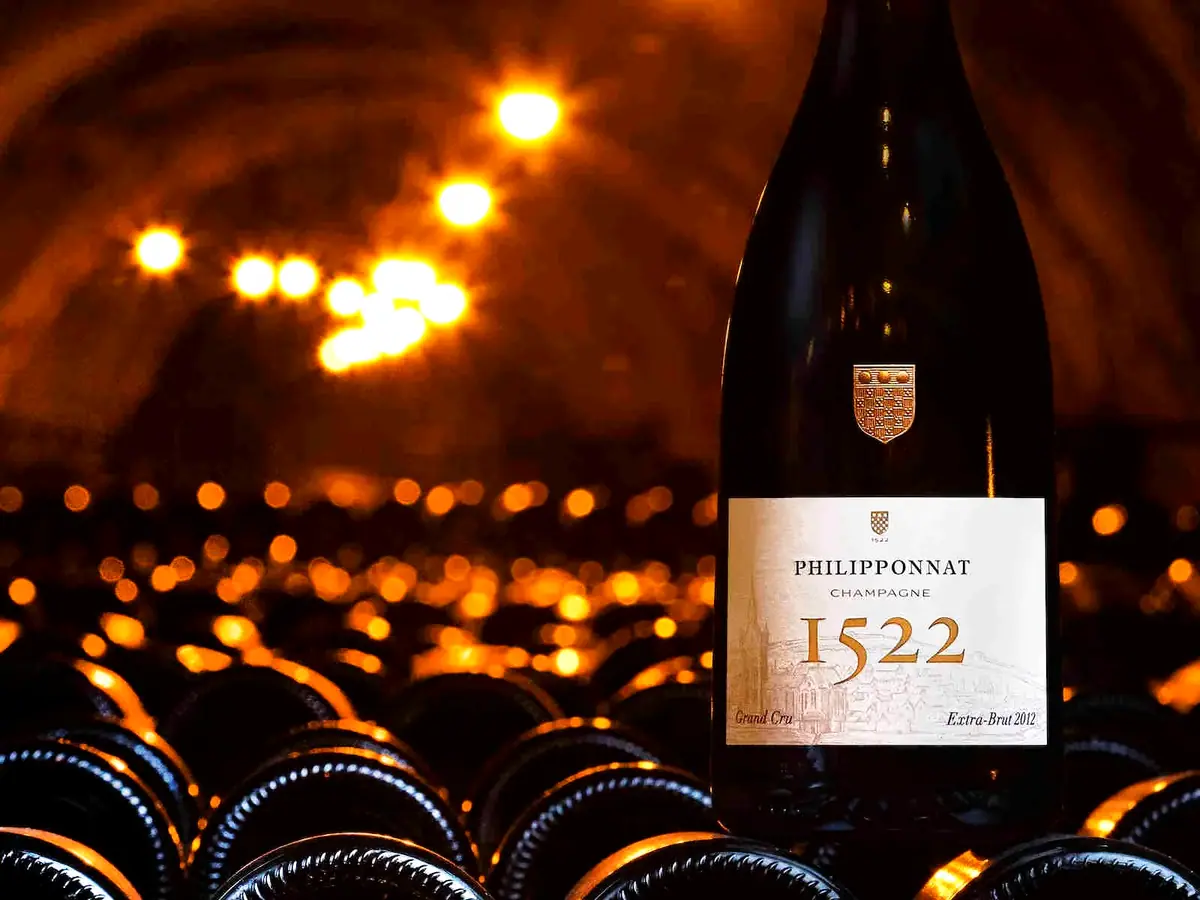 Philipponnat Champagner
4. Fermentation and ageing
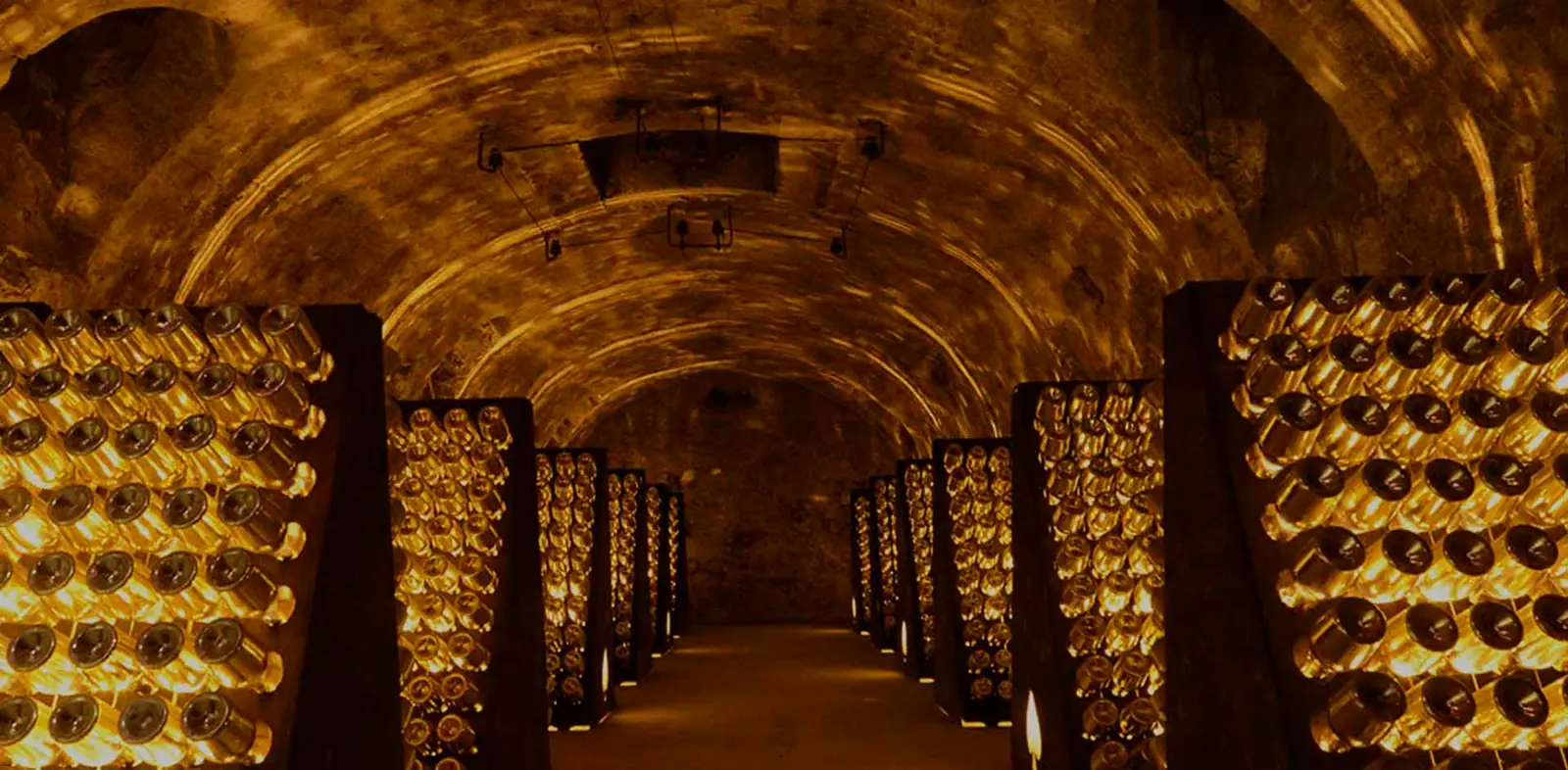
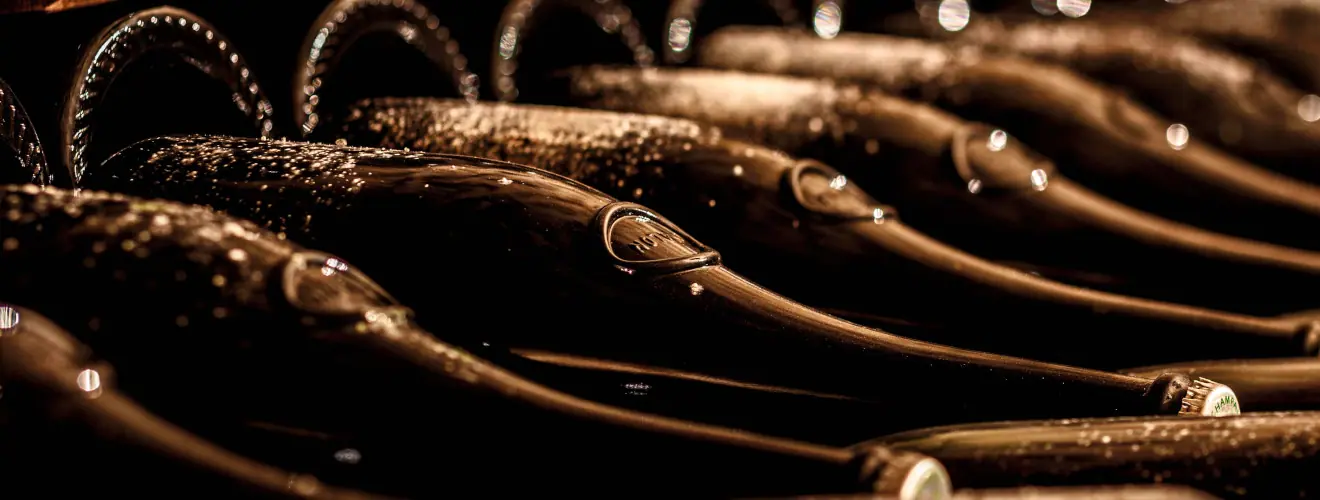
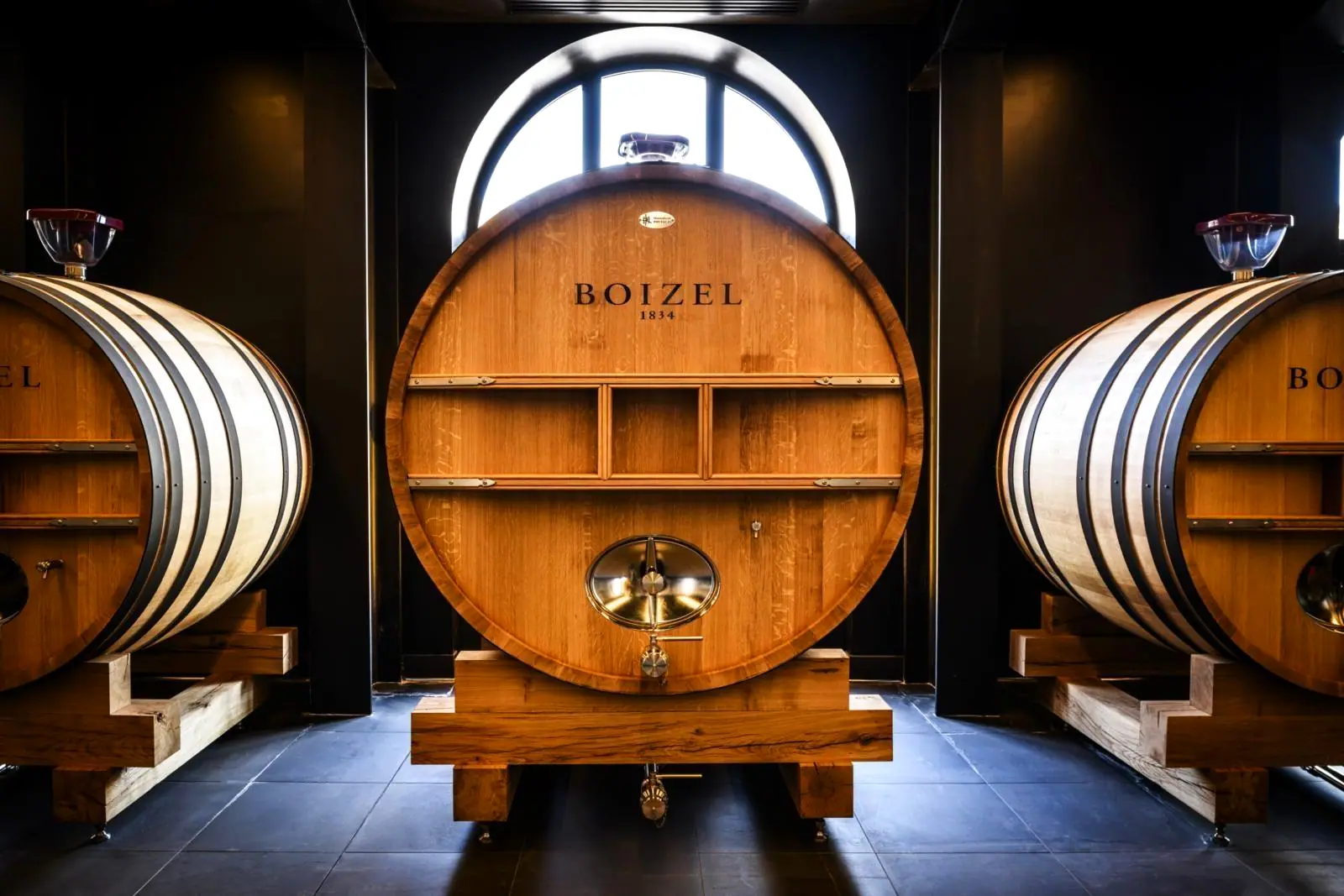
After pressing, the moût is put into stainless steel tanks or oak barrels to ferment. The first fermentation, known as the alcoholic fermentation, usually lasts several weeks. During this process the yeasts turn the sugar in the moût into alcohol and carbon dioxide. After the first fermentation, the wine is bottled and goes through a second fermentation, which creates the characteristic perlage (the bubbles). This second fermentation takes place in the bottle and is achieved through the "méthode champenoise", also called the "méthode traditionnelle". The bottles are then stored in the cellars of the champagne house, where the champagne ages for further months or years to develop its aromas and complexity.
5. Quality control and assessment
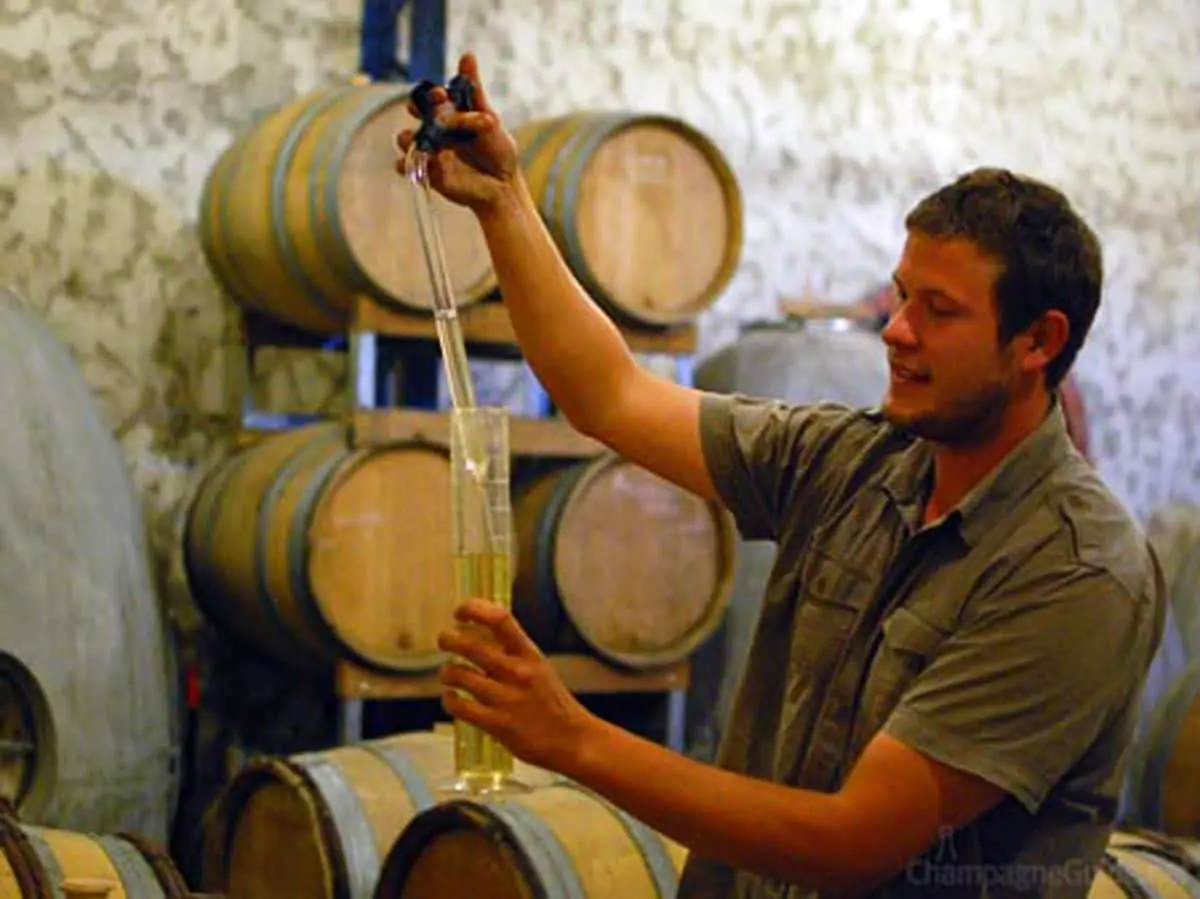
The quality of the moût is shaped by several factors, including the grape variety, the growing area, the method of harvesting and the pressing. Growers and champagne producers carry out regular tests and tastings to make sure the moût meets the quality standards they want. It is checked for colour, clarity, sugar content, acidity and aroma, to confirm that it has the properties needed for the future champagne.
The cuvée juice is regarded as the finer of the two and is reserved for making the best champagne.3.
6. Influence on the taste of champagne
The moût has a considerable influence on the taste and aroma of the champagne. The grape variety and the moût determine the basic flavour profile, such as fruitiness, floral notes, minerality and spice. Through careful handling of the moût and a careful choice of grapes, growers can produce champagne with complex aromas and a fine perlage. The quality of the moût is therefore of great importance in producing a champagne that convinces in both taste and texture.
In summary, moût is a central element of champagne production and has a decisive influence on the quality and character of the finished wine. Careful handling and control of the moût are crucial for making the high-quality champagne that is prized around the world.
Pictures
 0 %
