
N.V. stands for non-vintage and describes champagne without a vintage year, blended from wines of different years. This lets the house keep a consistent style.
Abbreviation for 'non-vintage', the internationally used term for a champagne that carries no specific vintage year.
N.V. (non-vintage): an explanation in the context of champagne
In the world of champagne, "N.V." stands for "non-vintage", meaning "without a vintage year". It describes champagne that is blended from wines of different years rather than made from the grapes of a single harvest. N.V. champagne is one of the most common categories on the champagne market and is produced by many renowned champagne houses.
Production and significance of N.V. champagne
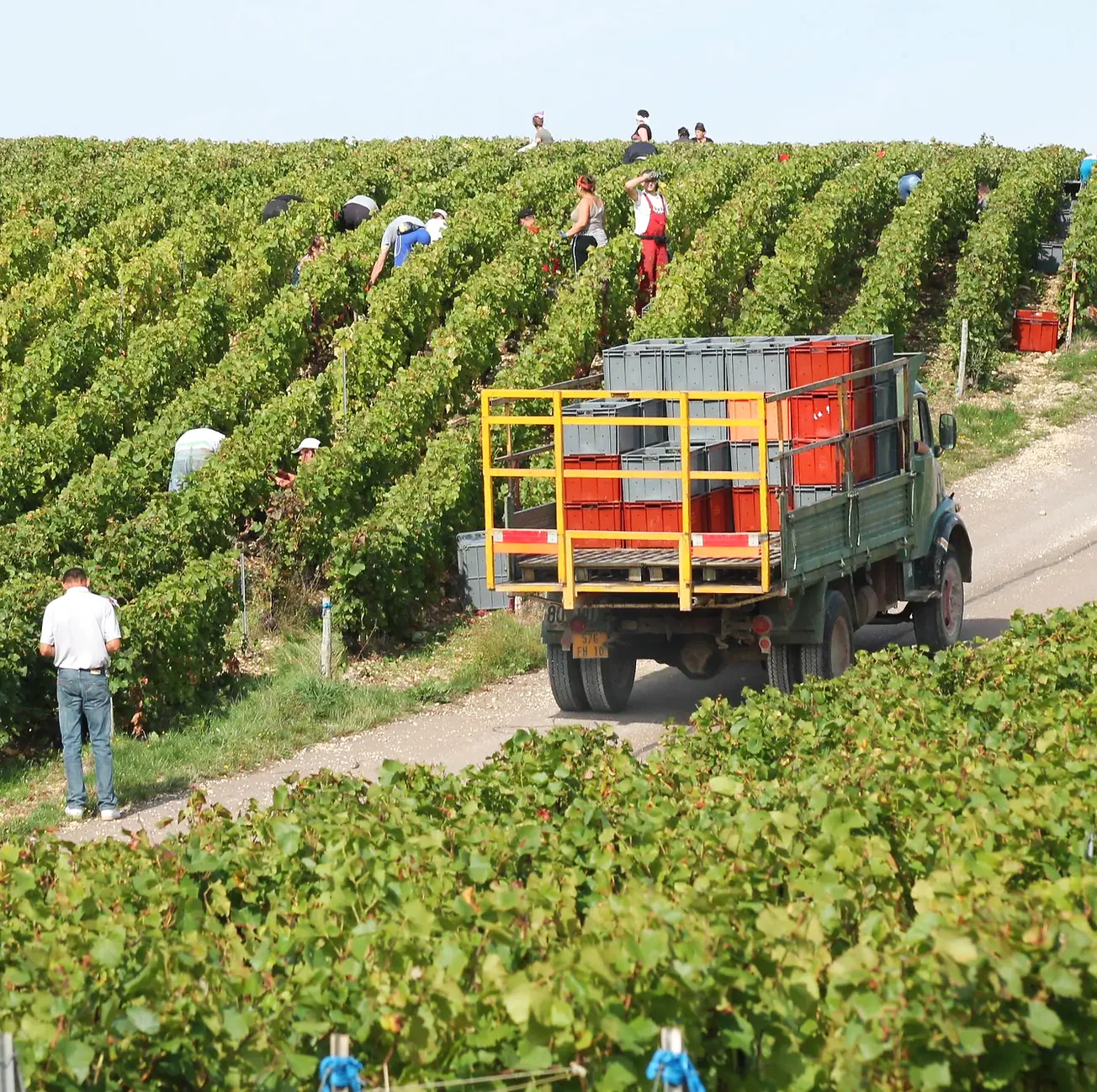
Making N.V. champagne takes a great deal of skill and experience. The process begins with the grape harvest, which varies from year to year. The grapes are then vinified into base wines, which form the foundation of the champagne. These base wines come from different vintages and are carefully selected and blended by the cellar master of the champagne house to ensure a consistent taste and steady quality.
The main advantage of N.V. champagne is its consistency. Because it is made from wines of several vintages, the champagne house can maintain a particular style and flavour that reflects the identity of the house. This consistency matters especially for brands that want to offer their customers a distinctive experience, regardless of the year of production.
Recipe and cuvée
The blend of the various base wines is called the "cuvée". Choosing the wines for a cuvée is an art in itself, as these choices determine the flavour profile of the finished wine. Alongside blending wines from different vintages, the combination of grape varieties also plays a role. The classic champagne grapes are Chardonnay, Pinot Noir and Pinot Meunier. The cellar master selects these wines to achieve the desired profile, which can range from fresh and fruity to complex and full-bodied.
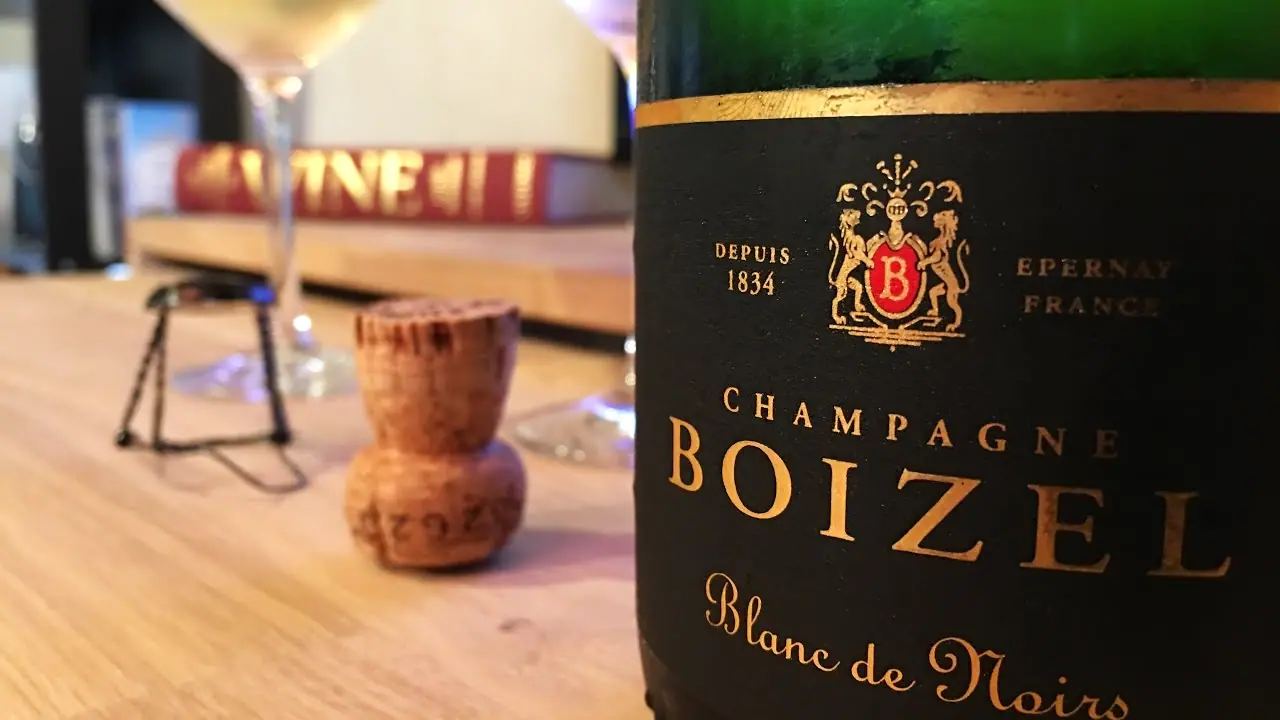
 Boizel Champagner
Ageing and maturation
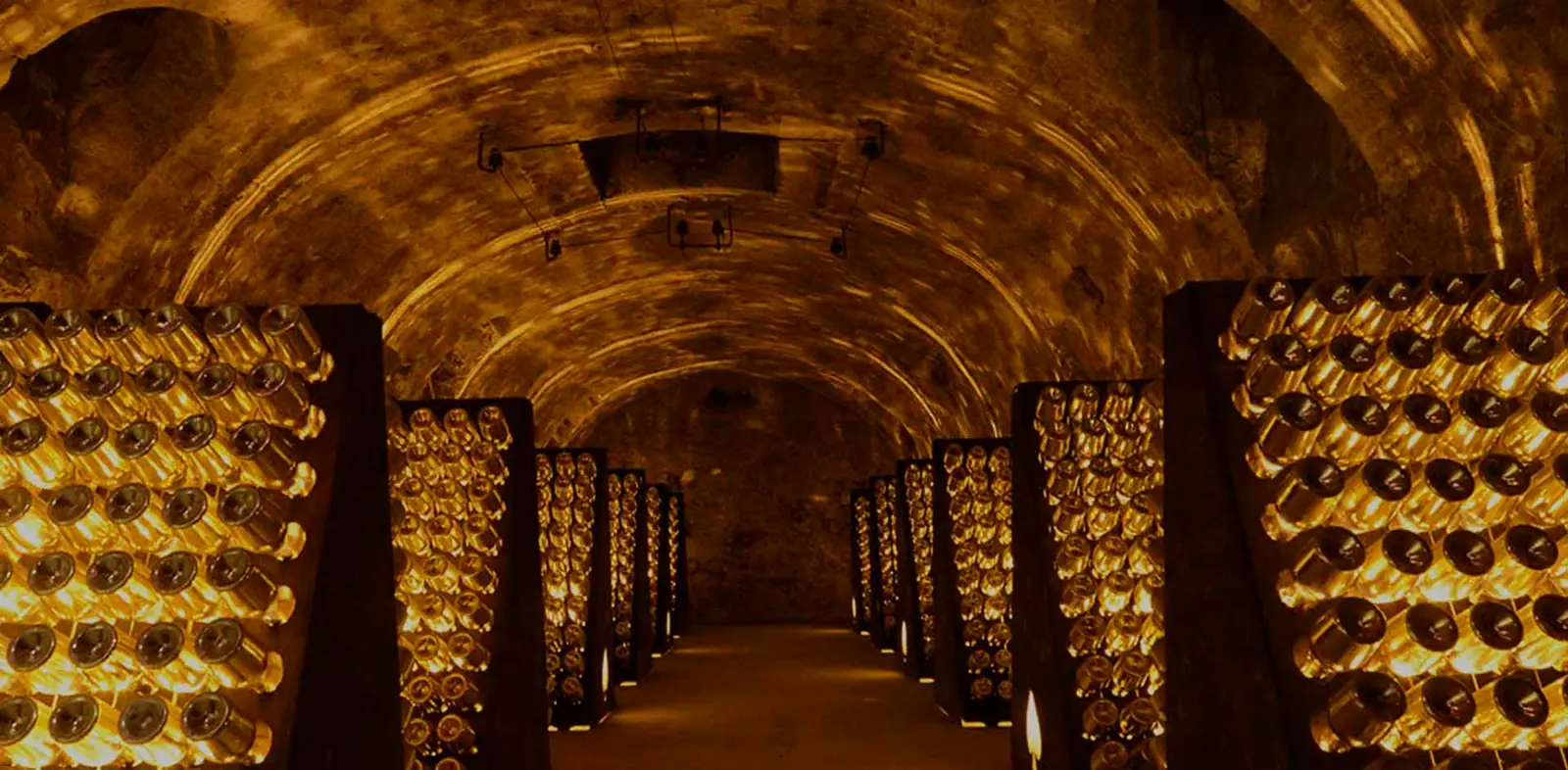
Once the cuvée has been blended, the champagne is bottled and undergoes a second fermentation, which creates the bubbles (the perlage) that are so characteristic of champagne. In a process called "remuage" (riddling), the bottles are gradually turned so that the yeast collects in the neck of the bottle. The champagne is then "dégorgé", which means the yeast is removed and the bottle is sealed with a cork.
champagne is 15 months, of which at least 12 months must be spent on the lees in the bottle.
Although N.V. champagne does not have the prestige of a vintage champagne, its ageing is often longer than that of ordinary sparkling wines. The legal minimum ageing period for N.V. champagne is 15 months, of which at least 12 months must be spent on the lees in the bottle. Many high-quality N.V. champagnes, however, are aged far longer to develop extra complexity and depth.
Taste and character
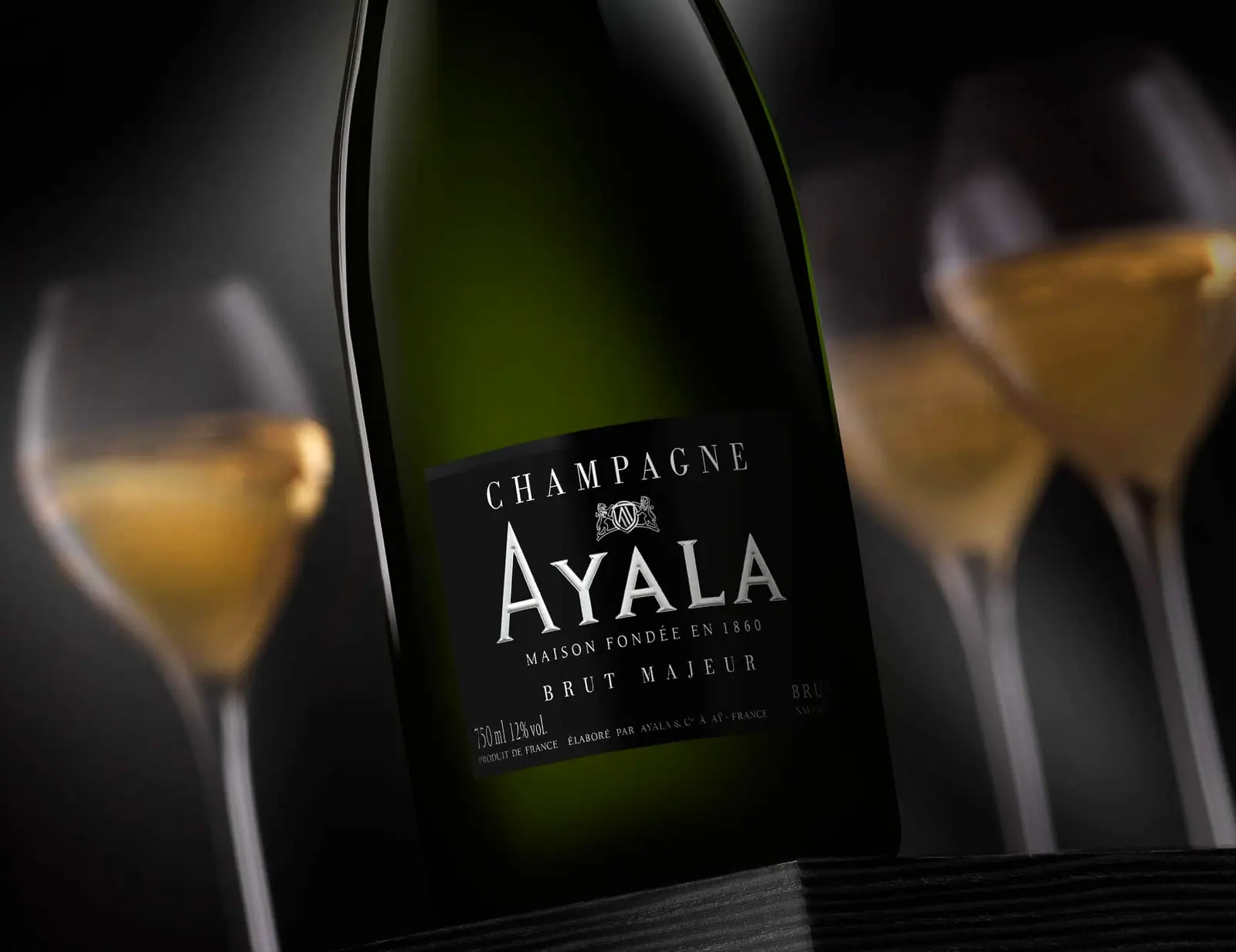
The taste of N.V. champagne can vary considerably, depending on the specific wines used in the cuvée and the style of the champagne house. As a rule, N.V. champagnes are known for their freshness and vivacity, with aromas of green apple, pear, citrus fruit and occasionally a fine, buttery note from the yeast. The flavour profile can also include notes of brioche, almonds or even toasted bread, particularly in champagnes that have aged for longer.
Value for money
N.V. champagnes often offer excellent value for money. Since they are blended from wines of several vintages, they can be sold at a lower price than vintage champagne, which comes from a single year and is generally more expensive. This makes N.V. champagne a popular choice for everyday occasions as well as for celebrations.
Summary
In summary, N.V. champagne plays a key role in the champagne market by offering consistency, quality and accessibility. The art of blending base wines from different vintages allows champagne houses to preserve their signature style while offering a high-quality product at an attractive price. Whether for a special occasion or for everyday enjoyment, N.V. champagne is an excellent choice for any sparkling wine lover.
The sweetness scale
Choose a level. You will see the sugar content, the taste and what goes with it.
Bone dry, pure and mineral
Pairs with: Oysters, mussels, sashimi
More in the glossaryVery dry, taut and clear
Pairs with: Raw fish dishes, ceviche
More in the glossaryDry, the classic
Pairs with: Aperitif, seafood, Parmesan
More in the glossaryMedium dry, soft
Pairs with: Asian cuisine with a little heat
More in the glossarySweet, fruity
Pairs with: Foie gras, fruit desserts
More in the glossarySweet, now rare
Pairs with: Cakes, tarts, patisserie
More in the glossaryPictures

 0 %
