
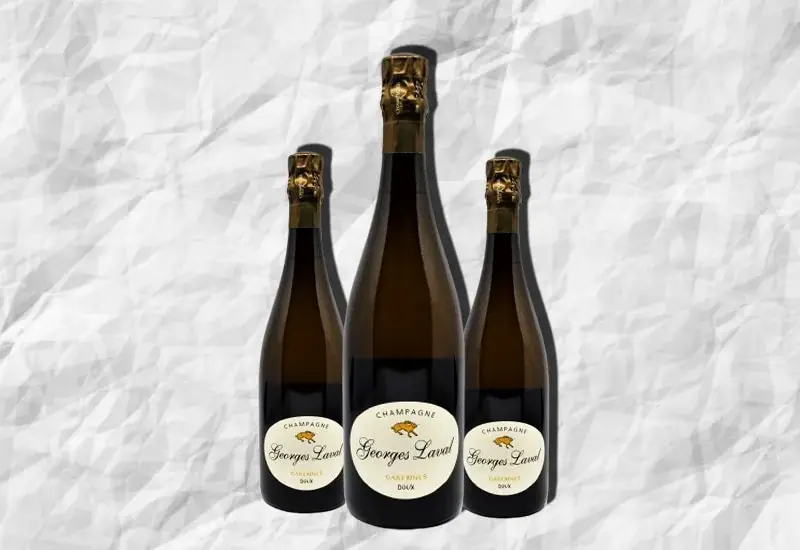
Doux is the sweetest style of champagne, with a dosage of more than 50 g/l of residual sugar. Doux champagnes are very rare, and around 90 per cent of all champagne made today is Brut.
A style of champagne. A Doux champagne is a sweet champagne...
...with a dosage, or residual sugar level, above 50 g/l. Champagnes in the Doux style are very rare. Currently only two Doux champagnes are known: the Cuvée Francois I. Grand Millésime 2009 BdB Doux Premier Cru from Francois Vallois, a vintage champagne aged for 11 years and made entirely from Chardonnay, and the non-vintage Cuvée La Libertine Doux Premier Cru from Champagne Doyard, likewise a single-variety Chardonnay champagne. Doux being the exception was not always the case. In the days of the tsars, champagne was almost exclusively sweet, and at that time with a dosage well beyond 200 g/l. The style has gradually changed. Today 90% of all champagne produced is Brut (dry).
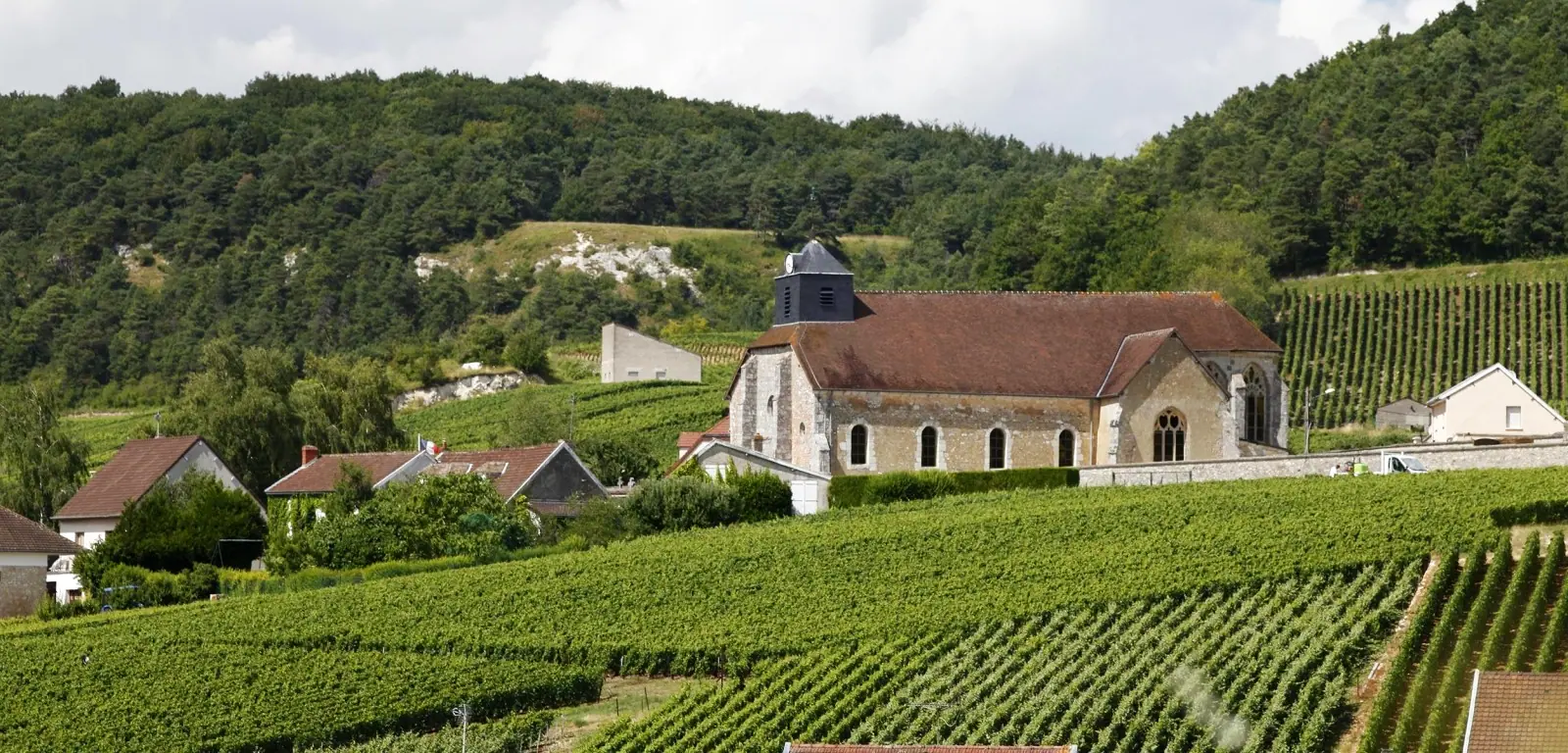
In the world of champagne, the term "Doux" denotes the sweetest category there is. The designation matters to enthusiasts and connoisseurs, because it describes how sweet the finished wine will taste. In general, "Doux" refers to champagne with a high sugar content, usually 50 grams or more of sugar per litre. This sweetness comes from the dosage, the addition of sugar or sugar syrup after the second fermentation in the bottle.
Historical development and significance
The history of "Doux" champagne is closely tied to developments in wine production and to changing tastes. In the past, sweet champagne, including the "Doux" style, was very popular. This was especially true in the 19th and early 20th centuries, when a taste for sweet wines was widespread. Over the years, however, consumer taste has shifted, and the trend has moved towards less sweet styles such as "Sec" or "Brut", which dominate today.
A Doux champagne is a sweet champagne......with a dosage, or residual sugar level, above 50 g/l.
Production and characteristics
The making of "Doux" champagne begins, as with every style of champagne, with the pressing of the grapes, fermentation and the production of the sparkling wine. The main difference lies in the dosage, the final step of the process, in which the champagne receives a sweet liqueur d'expédition. This dosage largely determines the taste of the finished wine. For "Doux", the dosage is usually between 50 and 80 grams of sugar per litre, which makes for a clearly sweeter taste.
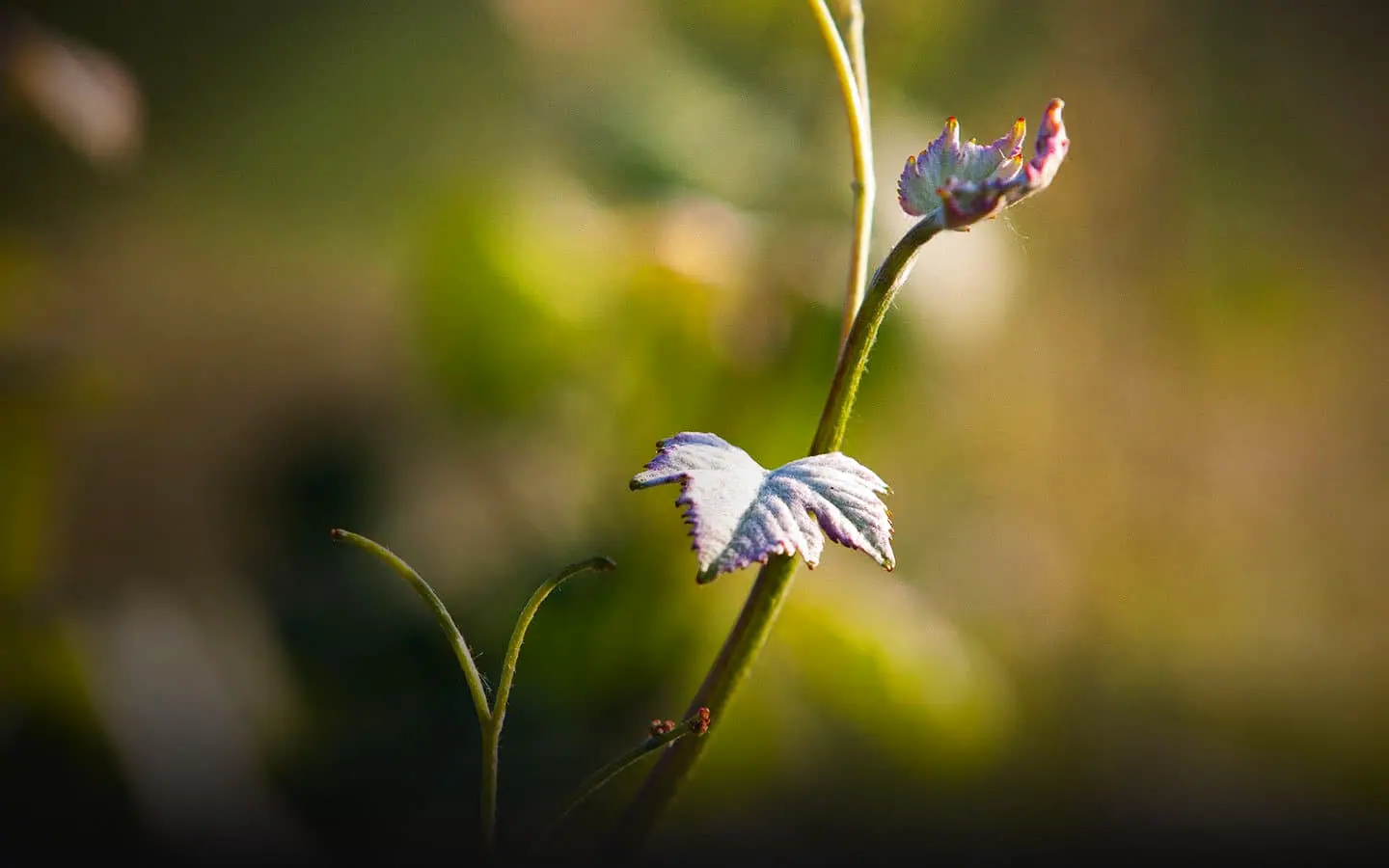
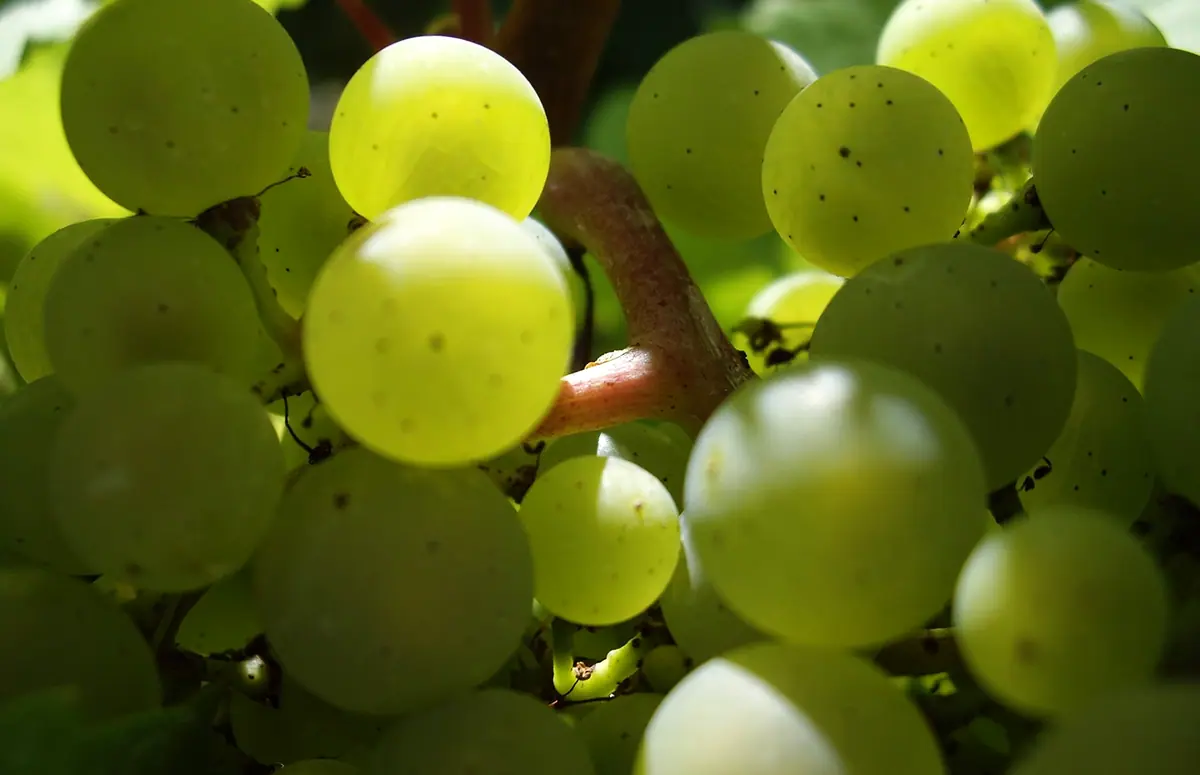 Champagner Trauben
The sweet character of "Doux" champagne shows in a pronounced sweetness accompanied by fruity and floral notes. Typical aromas can include tropical fruits such as pineapple and mango, but also honey and vanilla. The texture is often creamy and soft, which gives the champagne a particular smoothness.
Serving suggestions
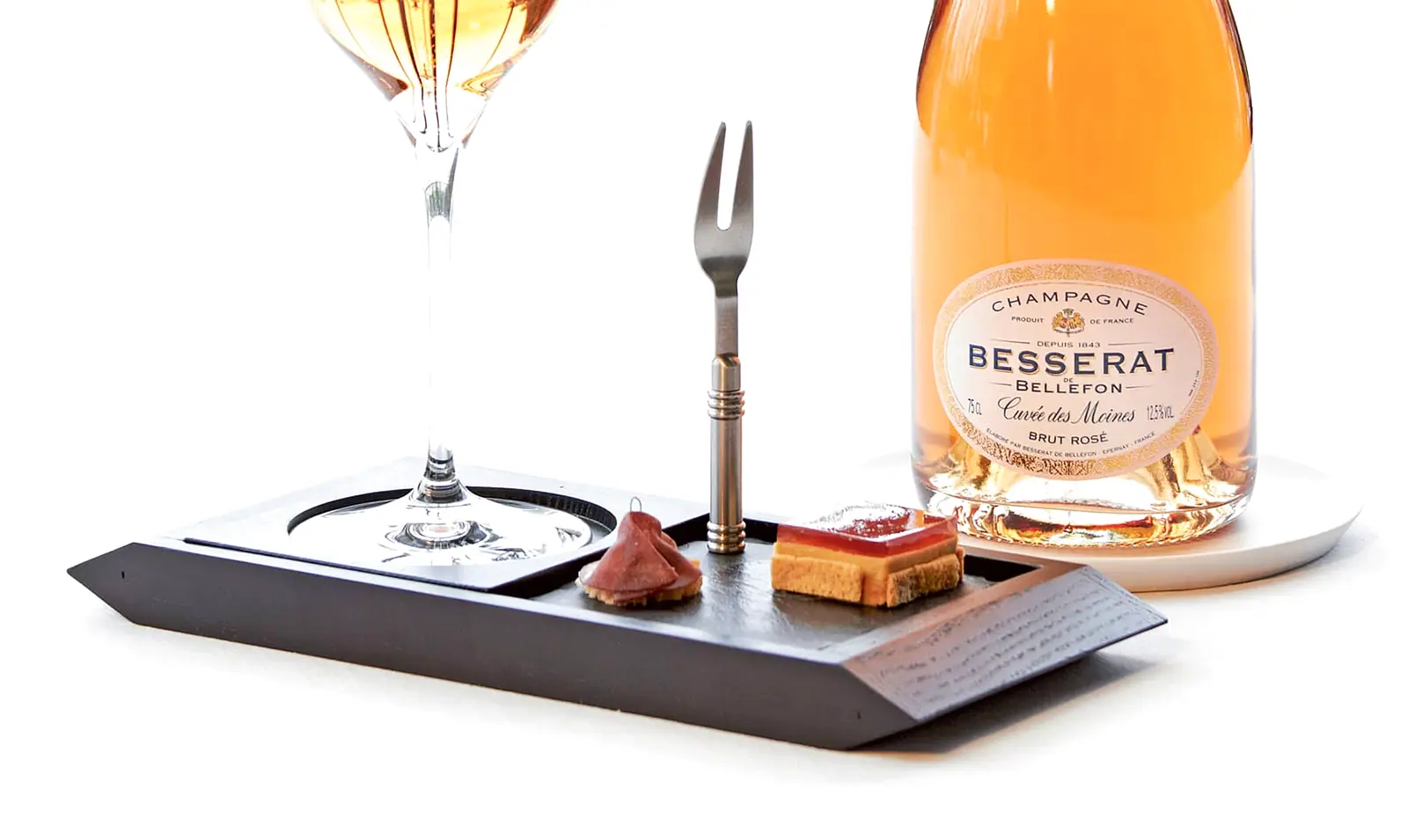
"Doux" champagne is often served as a dessert wine or alongside sweet dishes. It goes very well with cake, pastries or even strong cheeses such as Roquefort. Because of its sweetness, "Doux" is also often enjoyed at celebrations or as the finale to a luxurious dinner. Some connoisseurs even enjoy "Doux" on its own, as a treat for a special moment.

Growing areas and producers
In the Champagne region, "Doux" is no longer as common as it once was, as many producers have switched to drier styles to keep up with changing consumer preferences. Even so, there are still a few houses and growers who make "Doux" champagne and keep traditional methods alive. Well-known producers include both large champagne houses and smaller, family-run estates that have specialised in this particular style.
Conclusion
"Doux" champagne is a fascinating category within the world of champagne, offering a long history and a unique tasting experience. Even though the trend today leans towards less sweet champagnes, "Doux" remains a worthwhile option for those who appreciate a sweet, rich flavour. The careful dosage required to make it shows the skill and craftsmanship of the champagne makers, and ensures that this special style continues to have its place in the world of sparkling wine.
The sweetness scale
Choose a level. You will see the sugar content, the taste and what goes with it.
Bone dry, pure and mineral
Pairs with: Oysters, mussels, sashimi
More in the glossaryVery dry, taut and clear
Pairs with: Raw fish dishes, ceviche
More in the glossaryDry, the classic
Pairs with: Aperitif, seafood, Parmesan
More in the glossaryMedium dry, soft
Pairs with: Asian cuisine with a little heat
More in the glossarySweet, fruity
Pairs with: Foie gras, fruit desserts
More in the glossarySweet, now rare
Pairs with: Cakes, tarts, patisserie
More in the glossaryPictures

 Bottle
 Bottle
 Bottle
 Bottle
 Bottle
 Bottle
 Bottle
 Bottle
