Jeeper in Faverolles-et-Coëmy: 1949 von Armand Goutorbe gegründet, seit 2009 bei Familie Dubois, HVE- und VDC-zertifiziert, mit Fassausbau.
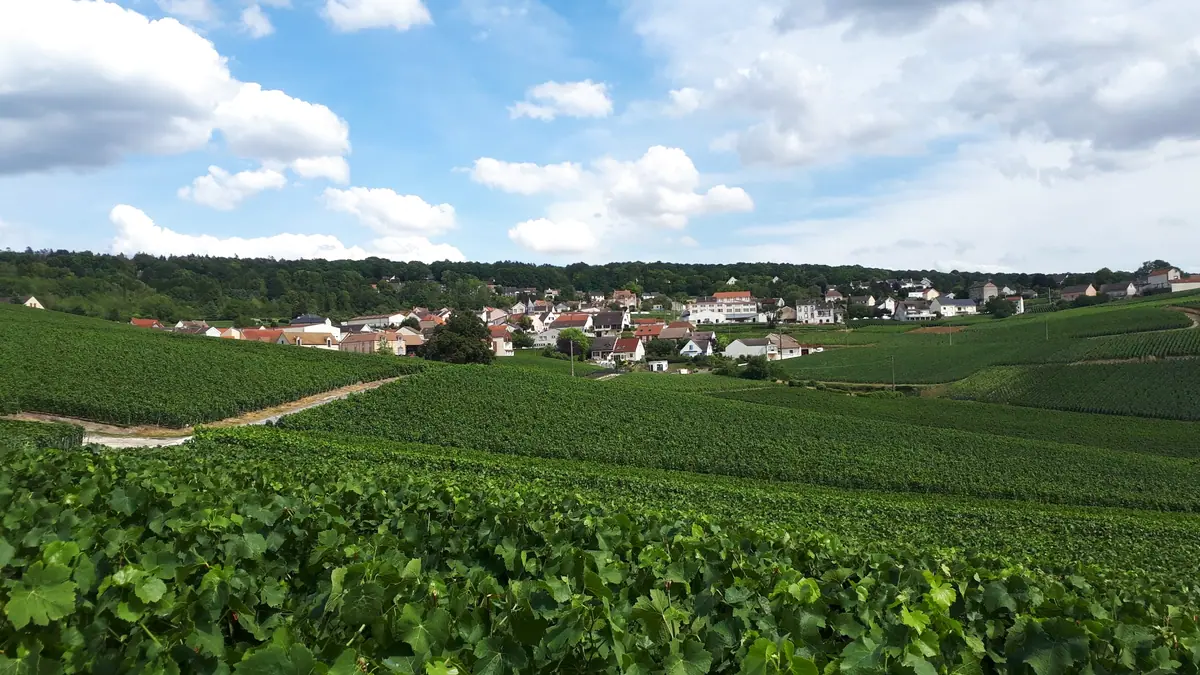
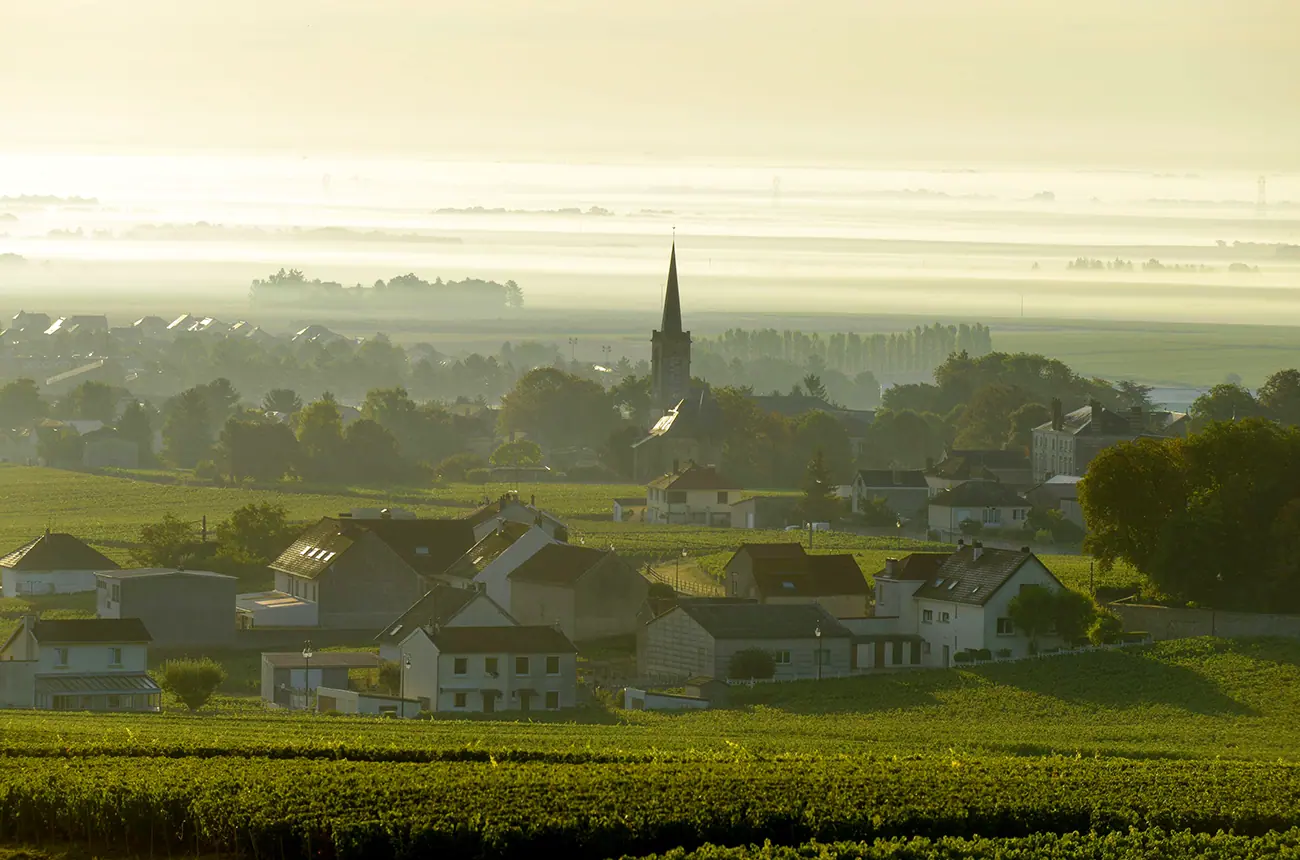
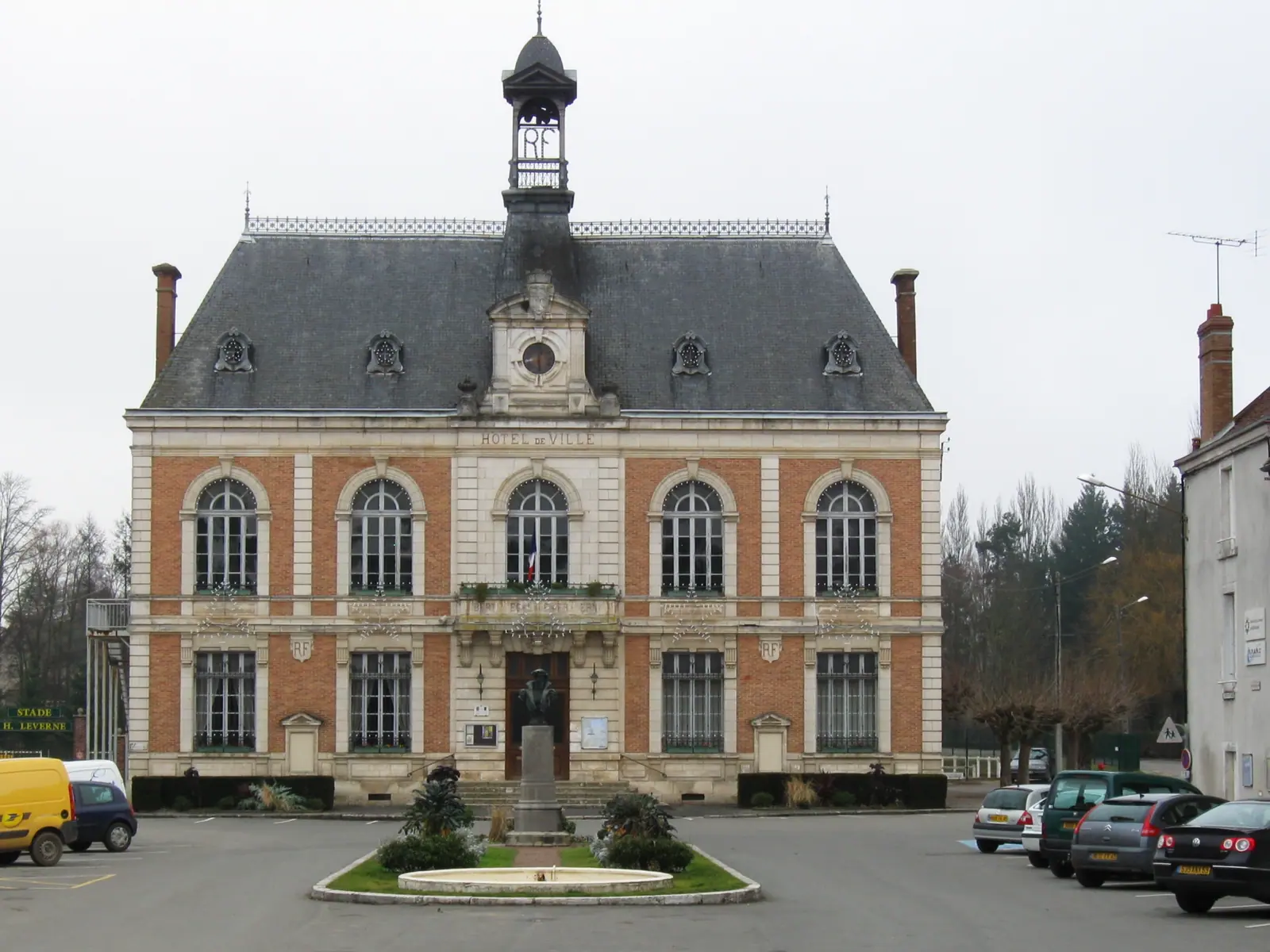
Jeeper is based in Faverolles-et-Coëmy, 17 km south-west of Reims. The village lies in the north-western part of the Montagne de Reims, on the little river Ardre. The brand takes its name from a vehicle: Armand Goutorbe began making and selling his own champagne in 1949, after returning from the Second World War. He called it Jeeper to stand out from the many other growers named Goutorbe, and as a nod to the Jeep he used to get around the slopes. Some sources give 1944 for this, but most say 1949.
From the Goutorbes to the Duboises
Myriam and Nicolas Dubois, both children and grandchildren of winegrowers, came across the brand in 2009 and bought it from the Goutorbe family, who were looking for a successor. According to the Guide Hachette, Nicolas Dubois is a direct descendant of François Dubois, who was already selling champagne in Faverolles-et-Coëmy in the 18th century. Today the house employs around 45 people.
Vineyards, methods and cuvées
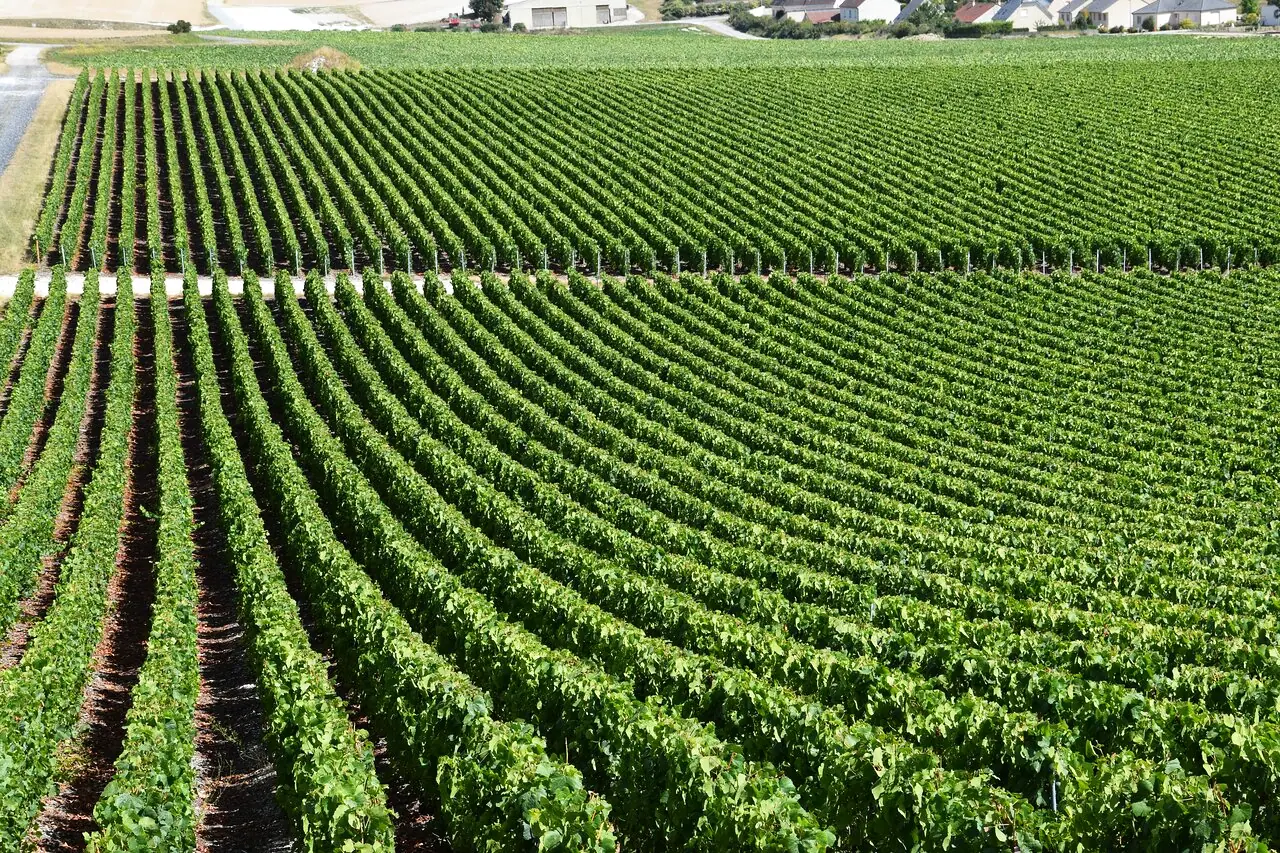
Depending on the source and the year, the estate's own vineyard area is given as anywhere between 35 and 50 hectares, and one trade portal most recently quoted 90 hectares. Older reports add around 180 hectares supplied by contract growers. The plots are spread across the Montagne de Reims, Côte des Blancs, Vallée de la Marne and Vallée de l'Ardre, including Ambonnay, Cramant, Bouzy, Oger, Vincelles, Trélou-sur-Marne, Villedommange and Savigny-sur-Ardres.
The brand takes its name from a vehicle: Armand Goutorbe began making and selling his own champagne in 1949, after returning from the Second World War.
The house has been certified Haute Valeur Environnementale and Viticulture Durable since 2016 and works with natural grass cover between the vines. In the cellar Jeeper relies heavily on wood: with more than 1,200 barriques, it holds the third-largest barrel stock in Champagne.

The Grand Assemblage cuvée is the flagship. It is made up of 60% Chardonnay, 25% Pinot Noir and 15% Pinot Meunier from 37 villages. The dosage is 7 g/l, 20% of the Chardonnay ages for two years in oak, and the time on the lees is at least four years. Alongside it you will find, among others, a Grande Réserve made from 100% Chardonnay, a Grand Rosé and a Naturelle made from organic grapes. The 2010 vintage is a blend of 80% Chardonnay, 15% Pinot Noir from Ambonnay and 5% Meunier from Villedommange.
Visiting and tasting
According to the Guide Hachette, tastings and sales are possible at the estate. The tourist office notes that the house offers tastings but no cellar tours. It is worth booking ahead through the house's website.
Pictures
Sources: www.hachette-vins.com, glassofbubbly.com, www.visitlachampagne.fr, www.bullosphere.fr, dico-du-vin.com, www.champagne-francois-dubois.com, en.wikipedia.org, wineswinging.com