
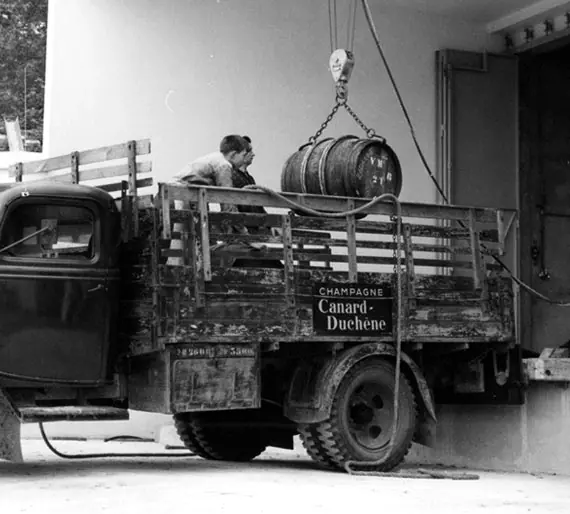
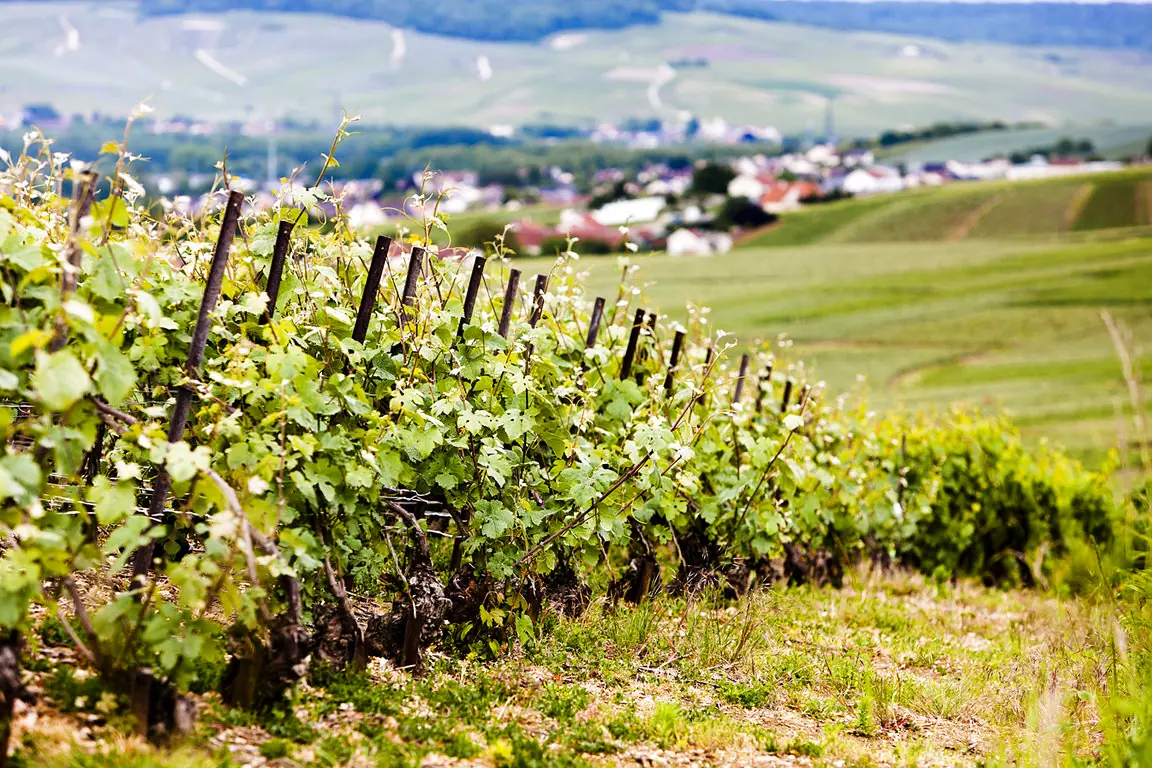
Wine has been grown in Champagne since the 4th century. Back then, nobody could have guessed what an exclusive drink would one day define the image of this region. Thanks to its privileged position in the heart of Europe, Champagne quickly grew into a bustling trading centre in the early Middle Ages. The region's fine wines earned a good reputation well beyond the borders of France.
The wine was hugely popular in the noble houses of Europe, and Louis XIV made it his house wine, setting off a trend. Until around 1650, however, these were almost always still wines. It was the English who pushed the idea of sparkle. It became common practice to make the wine lively and bubbly with cinnamon, cloves, sugar and molasses. The people of Champagne would never have dreamt of adding such strange ingredients to their wines.
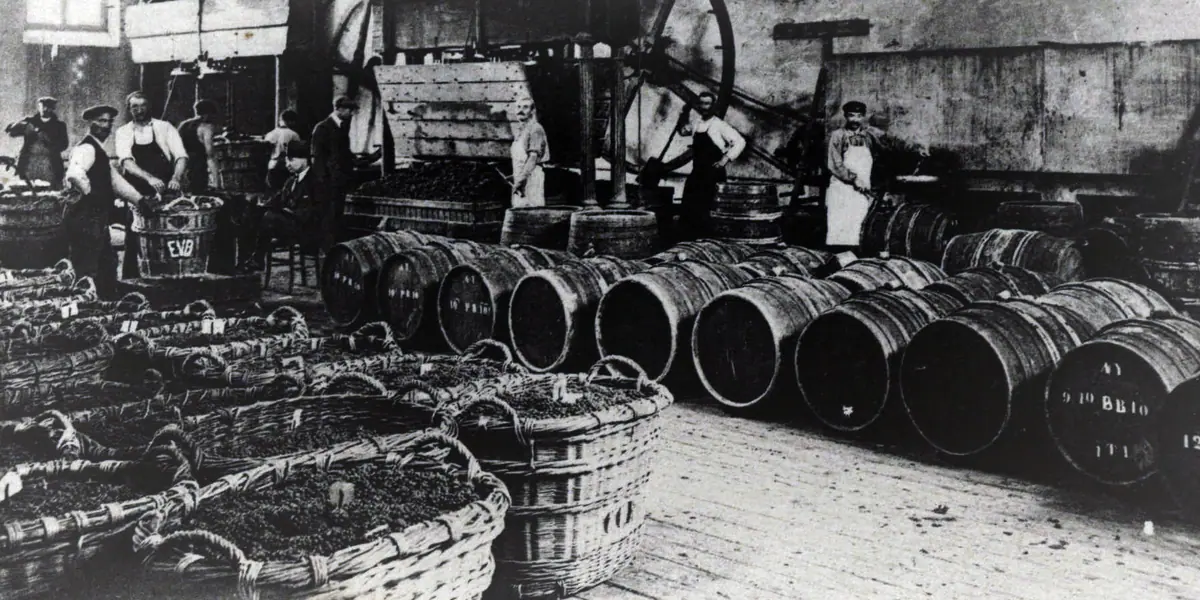 Besserat de Bellefon Champagner Historie
01Champagne History
Benedictine monks such as Dom Pérignon and Frère Jean Oudart would eventually refine the methods of champagne making decisively. Dom Pérignon's original aim was above all to give the wines of Champagne a unique quality through skilful blending of grapes. He and his contemporaries were certainly not trying, at first, to give the wine sparkling bubbles. If anything, he was irritated by the slight fizz he noticed in some wines in his role as cellar master, and saw it as a flaw.
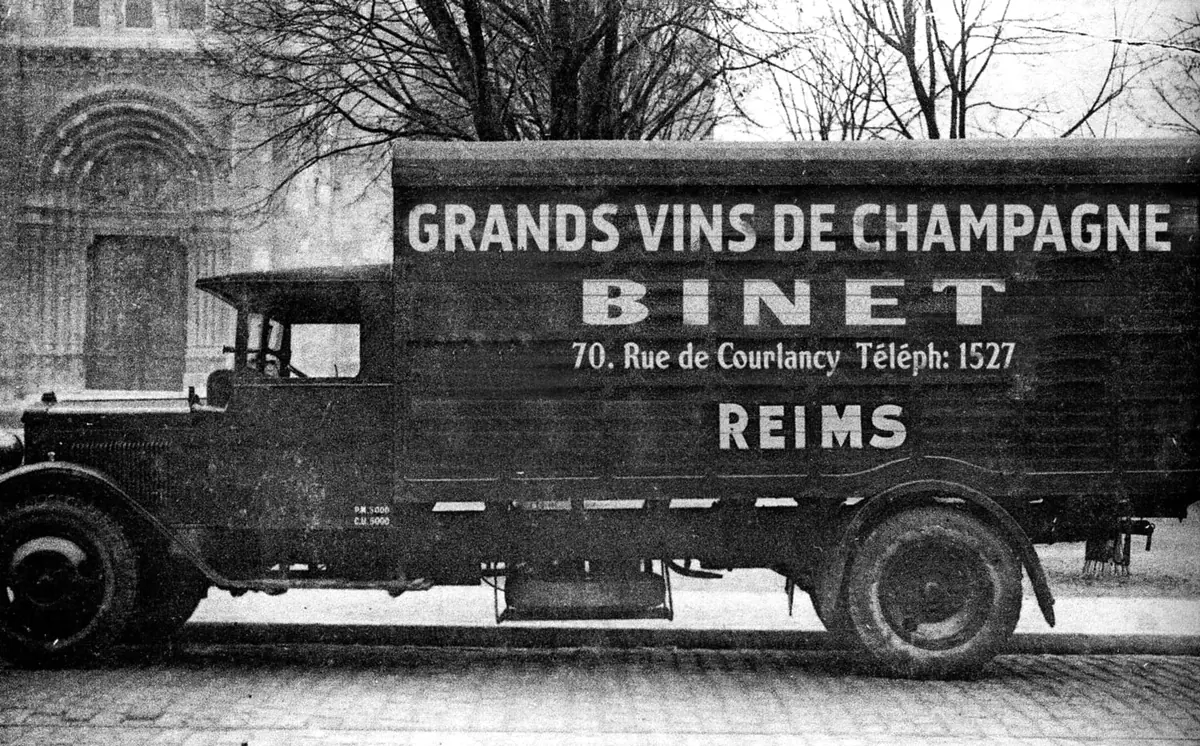 Binet Champagner
02The Champagne Process
The fine and originally unwanted bubbles were probably the result of a natural process, shaped by the cool, harsh climate of Champagne and the short growing season. Because the grapes were often picked late in the year, the yeasts in the pressed grapes did not have enough time to convert all the sugar into alcohol. The cold winter temperatures brought fermentation to a halt for several weeks. Only with the warmer temperatures of spring did fermentation start up a second time, in the bottle. The carbon dioxide produced in this process collects in the tightly sealed bottle and creates the decisive tingle.
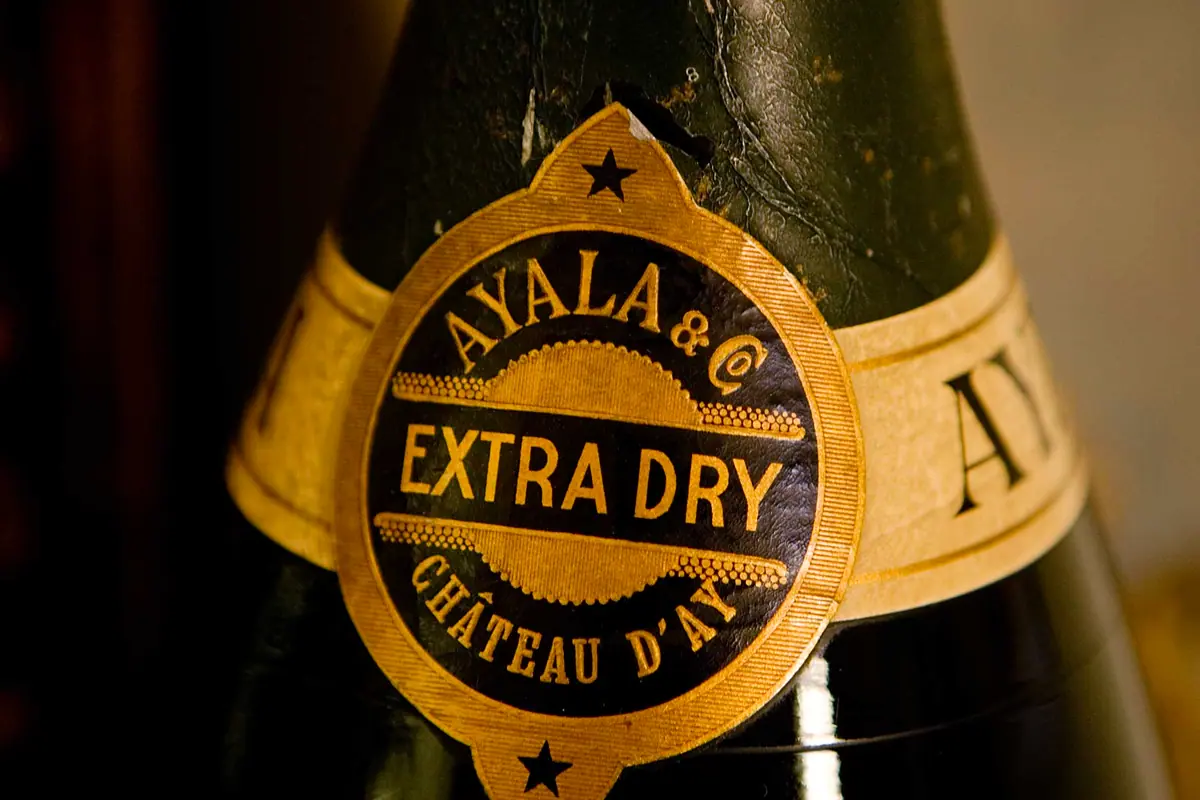 Ayala Champagner Historie
03A Happy Accident
Bottling wine before it had finished fermenting by mistake was subsequently developed into a real art and refined ever further. From then on, nothing could stand in the way of the noble drink's triumphant progress. At first confined to aristocratic circles, it quickly won over numerous artists and intellectuals such as Voltaire and Goethe, and as it spread, the upper middle classes too. Chancellor Bismarck and King Friedrich Wilhelm IV of Prussia were both said to have a distinct weakness for champagne.
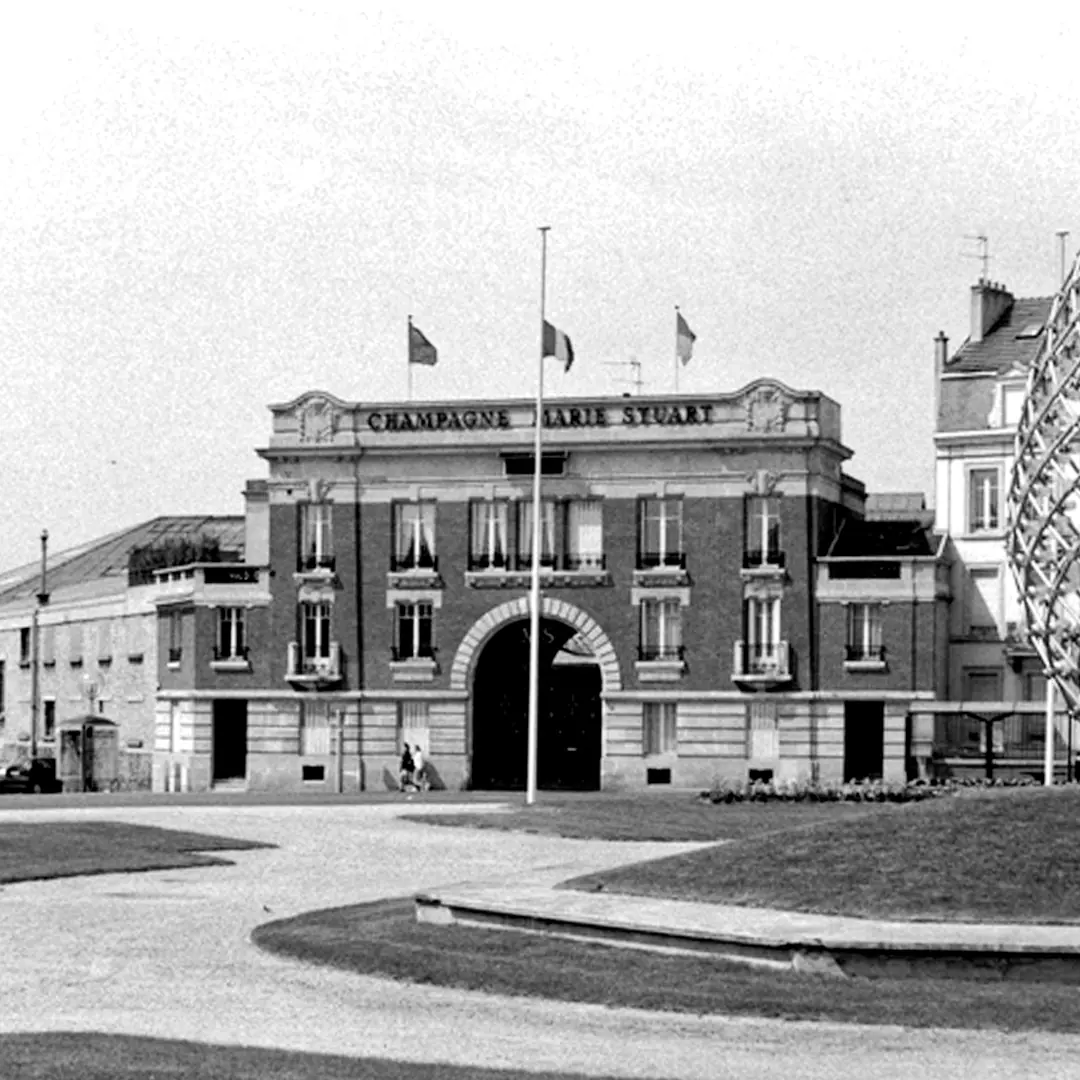
Winston Churchill is quoted as saying: "In victory you deserve it, in defeat you need it." And Marilyn Monroe is even said to have bathed in it. At the same time, this lightly sparkling drink has always carried a whiff of delicious wickedness, which it has kept to this day. In short: champagne became the fashionable drink of the rich and beautiful, and remains a symbol of exclusivity and luxury.
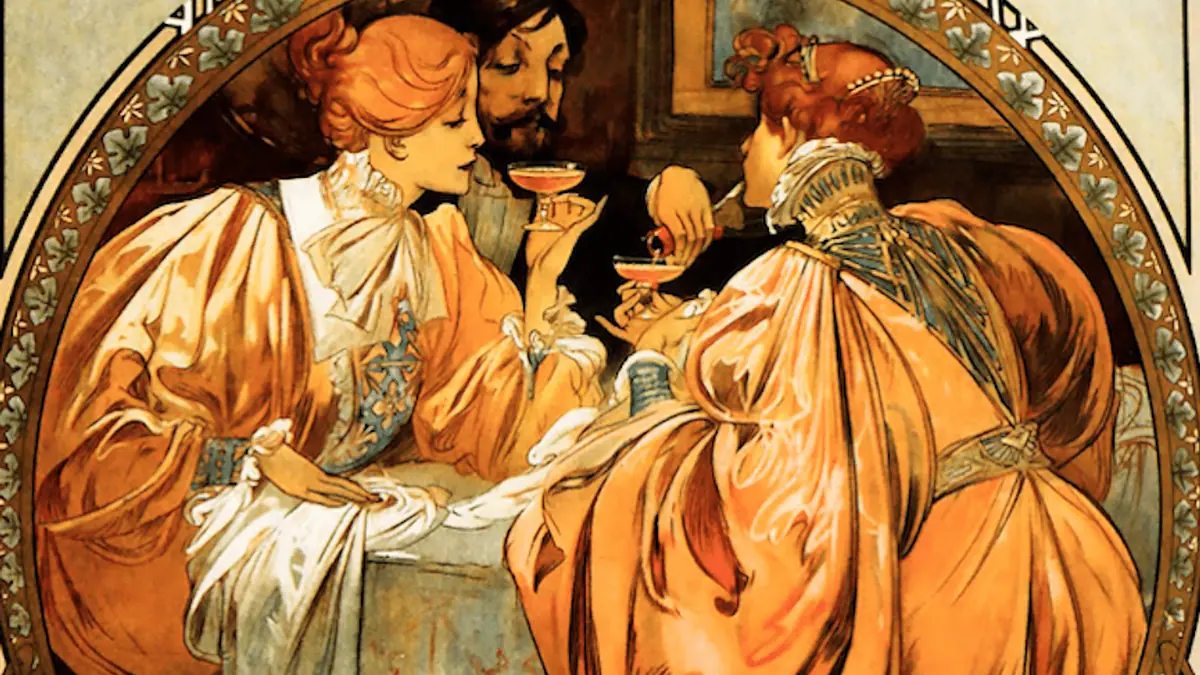 Champagner Historie
04Grapes of Champagne
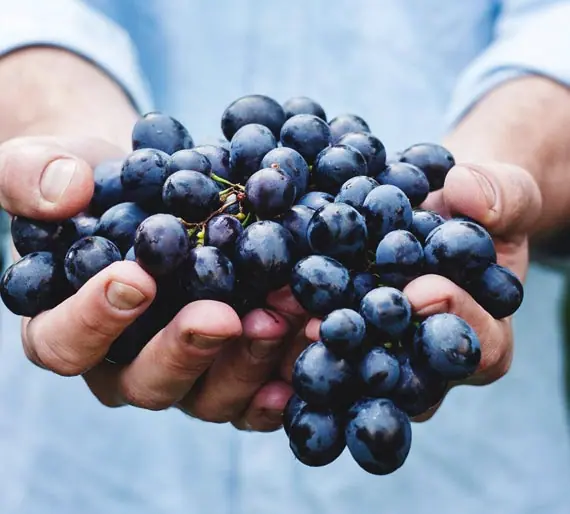
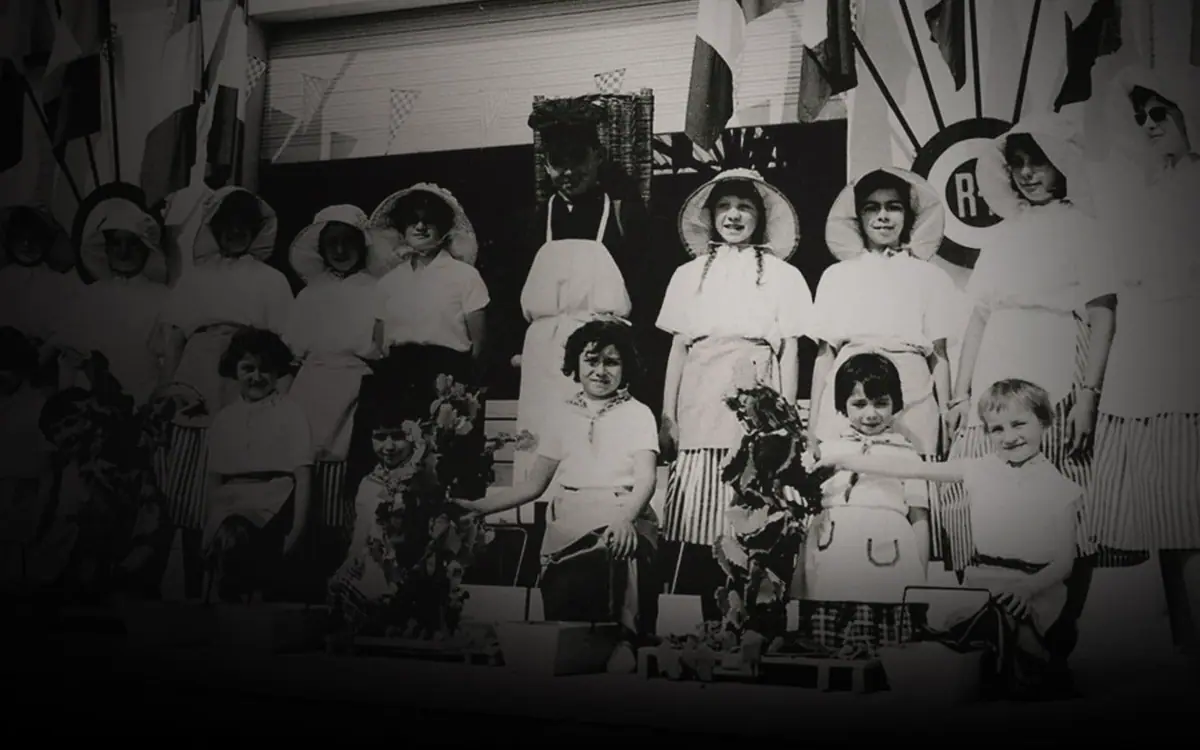 Beaumont des Crayeres Champagner Historie
05The Champagne Region
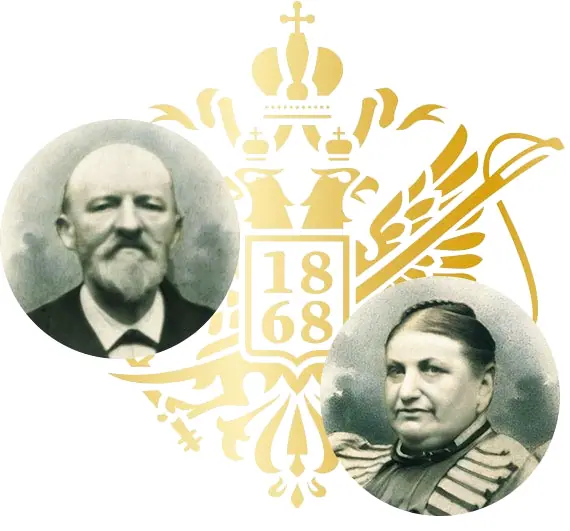
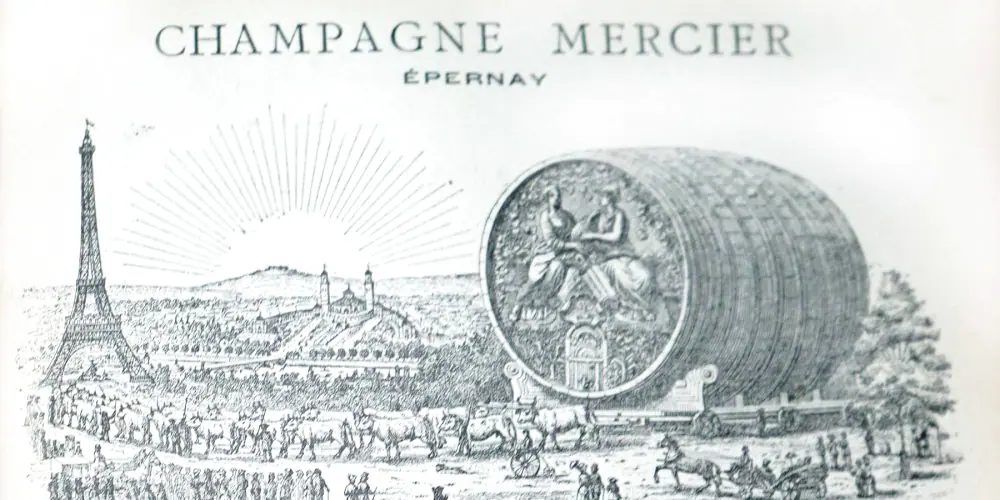
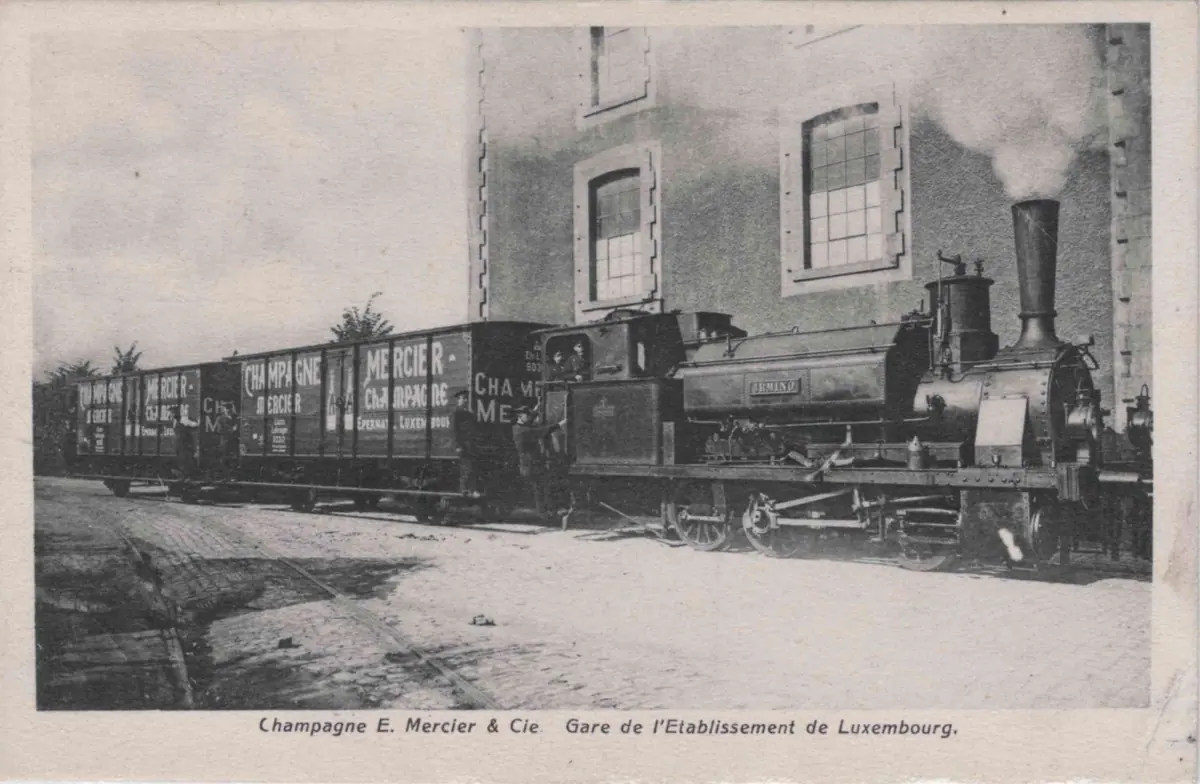 Mercier Champagner History
06Families of Champagne
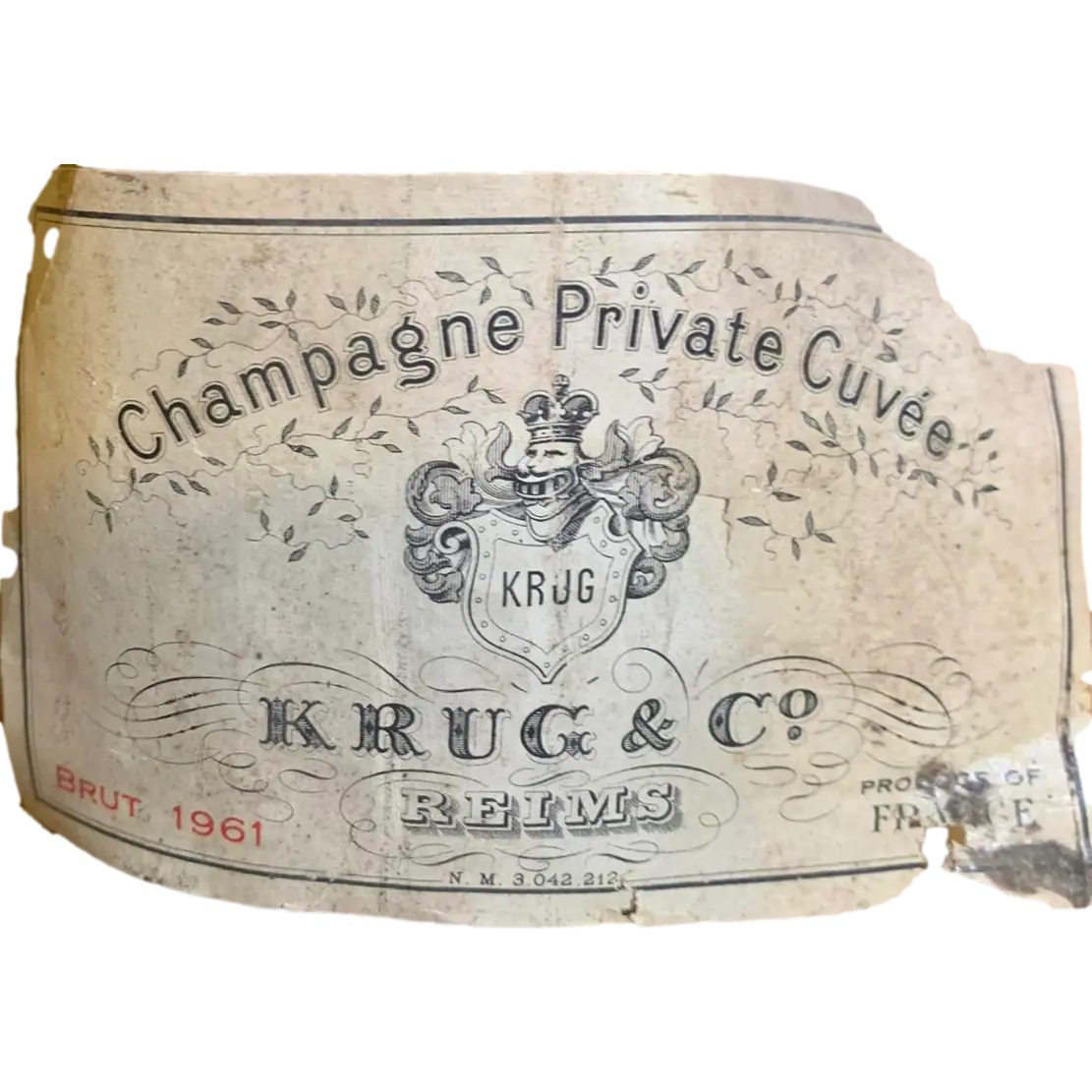
A number of German families also contributed to the success of champagne, among them Roederer, Bollinger, Heidsieck, Krug and Mumm, who came to Champagne mainly from the Rhineland wine regions. In 1785 only 300,000 bottles were produced, by 1910 it was already 40 million. By the end of the 1980s, production had climbed to as many as 200 million bottles. Accustomed to success, the champagne producers had to buy in huge quantities of grapes because of these high volumes.
As a result, prices for Champagne grapes rose sharply, and were several times higher than those for grapes from other typical wine-growing countries such as Italy or Spain.
As the price of grapes rose, so did the price of each bottle of champagne. On top of that, the approaching recession cut into the finances of many a champagne lover. The sharp fall in champagne sales that became glaringly visible between 1989 and 1992 was therefore almost predictable. Because of this crisis, numerous renowned producers found themselves in difficulty and were bought up by a few large corporations. Houses of world renown that remained independent include Bollinger, Pol-Roger and Roederer.
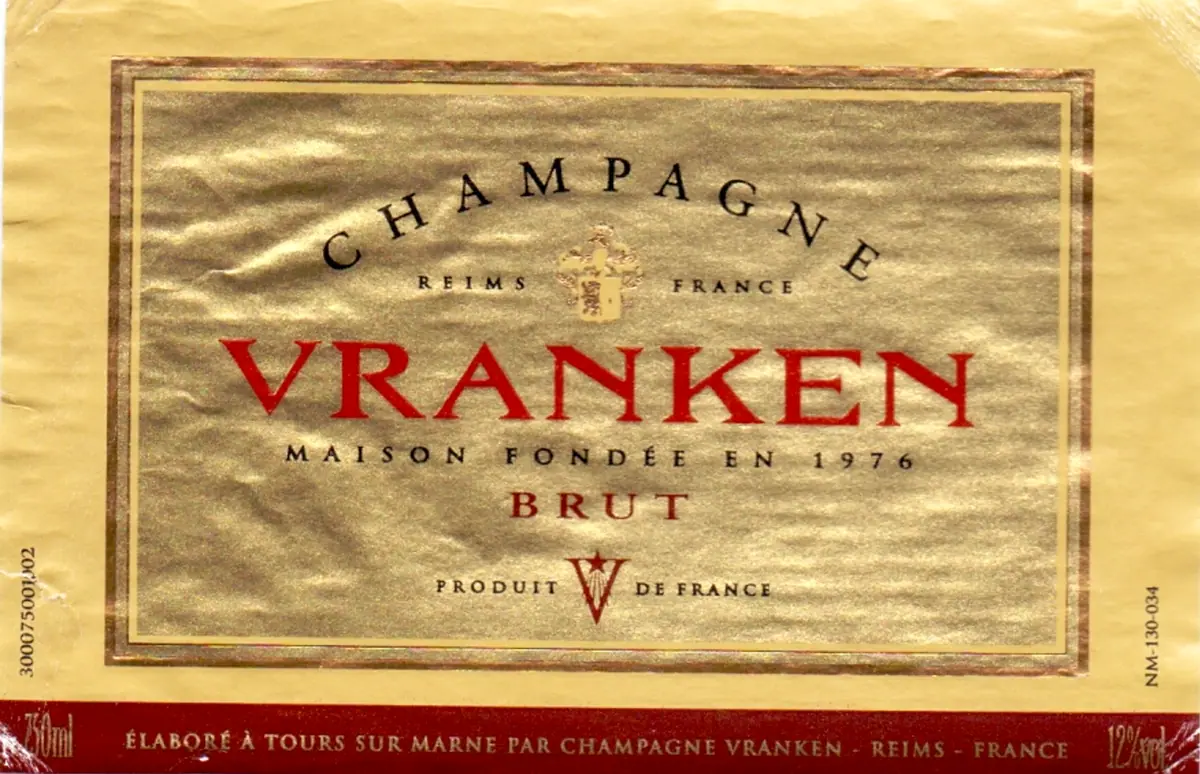 Vranken Champagner Etiketten alt
07Champagne Production
The industry has since recovered somewhat, and champagne production has reached a new record. But a few things have changed. In times of lighter wallets, enterprising producers have managed to establish a cheap "supermarket champagne", the so-called "Premier Prix", which holds its ground stubbornly on the market. For the consumer, it seems more important to be able to afford champagne at all. A bottle for under 15 euros from the supermarket shelf comes in handy, even if it naturally does not quite match the quality of a champagne at 40, 50 euros or more. In Germany, this bargain champagne has won market share of around 30 per cent in a very short time.
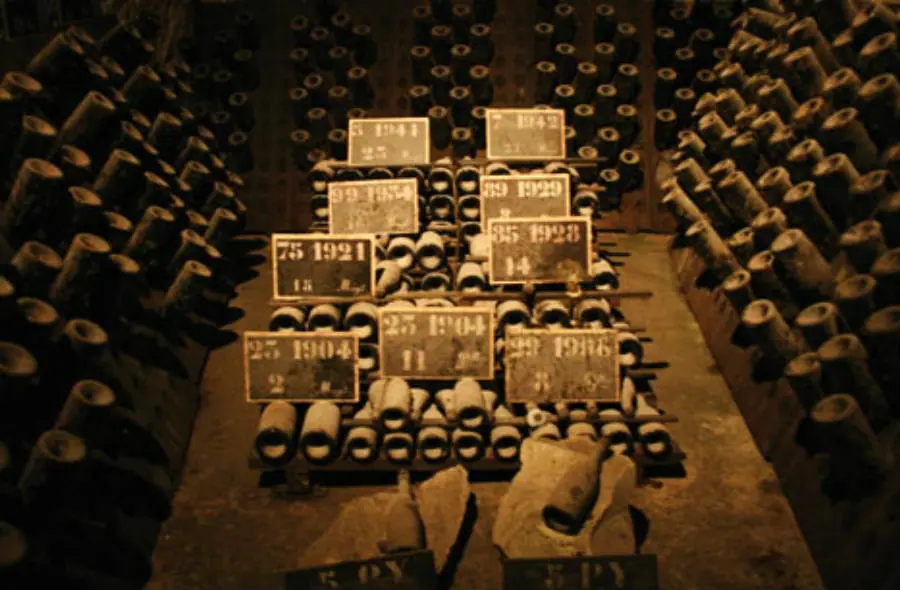
08Millésimes
Nevertheless, truly fine champagnes still have their place. The most sought after are undoubtedly those carrying a vintage, also known as millésimes. They are distinguished by an individual bouquet that is closer to that of a still wine. At the very top of the popularity scale among true connoisseurs are the champagnes made only from the best-cultivated grapes of a single year.
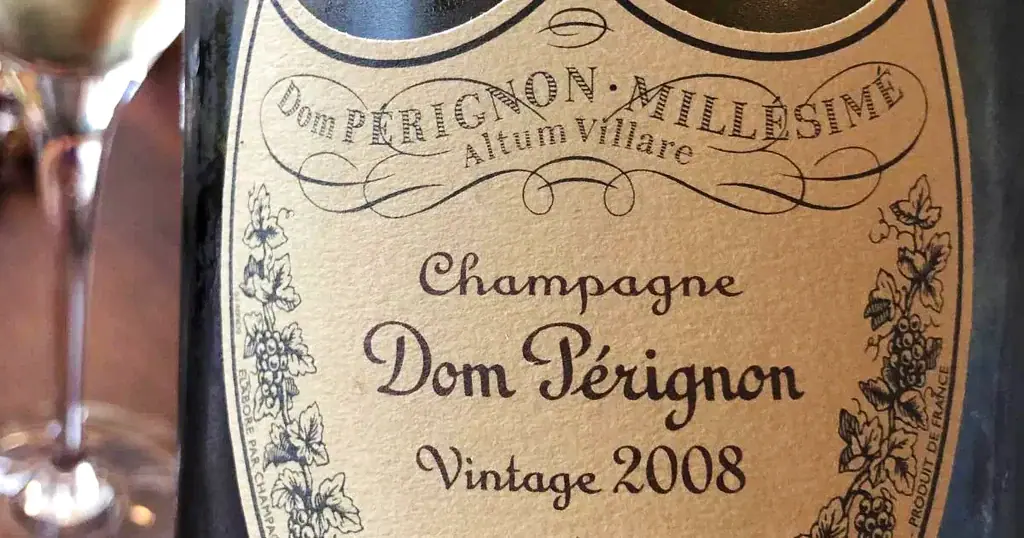
These "cuvées de prestige" include, for example, Moët's "Dom Pérignon", Roederer's "Cristal", Abel Lepitre's "Prince André de Bourbon Parme" and of course Perrier-Jouët's "Belle Epoque". The dizzying prices are not discussed in these quality circles: you pay and you enjoy.
When a Formula 1 star on the winner's podium takes a shower in the spray of an exquisite wine today, it is enough to bring tears to the eyes of true connoisseurs.
09History of Champagne
 Jahrgänge: Beschreibung aller Champagner Jahrgänge seit 1815
10Binet
Pictures
 0 %
