
Krug Champagne: A Masterpiece of Champagne Craftsmanship
Founding and history
The story of the champagne house Krug begins in 1843, when Johann-Joseph Krug, a native of Mainz, founded the company in Reims, France. Johann-Joseph Krug had previously worked at Jacquesson & Fils, a respected champagne house, and decided to realise his own vision of an exceptional champagne. With a deep understanding of viticulture and a passion for quality, he created a brand that is still a byword for luxury and excellence today.
From the very beginning, Johann-Joseph Krug put his faith in the highest quality and in innovation. He introduced the practice of storing the base wines in small oak barrels, which gives them extra depth and complexity. This tradition is still upheld today and remains an essential part of the Krug philosophy.
Over the years the company grew and won international fame. After the death of Johann-Joseph Krug, his son Paul Krug took over the house and carried it on successfully. Under his leadership, Krug became one of the most respected champagne brands in the world.
Ownership and leadership
Today Krug belongs to the LVMH group (Moët Hennessy Louis Vuitton), one of the world's leading luxury goods conglomerates. Despite the change of ownership, Krug remains a family business in spirit, committed to preserving its traditions and values. Rémi Krug, a descendant of the founder, played a decisive role in maintaining the house's high standards and its continuing innovation. The current cellar master, Eric Lebel, carries on this tradition with great care and dedication.
Production and philosophy
Krug is known for its traditional, hand-crafted approach to making champagne. Around 500,000 bottles are produced each year, and every one is a testament to the dedication and expertise of the house. A unique feature of Krug champagnes is the ageing of the base wines in wooden casks that are around 35 years old. This method, now rare, gives the wines exceptional depth and complexity.
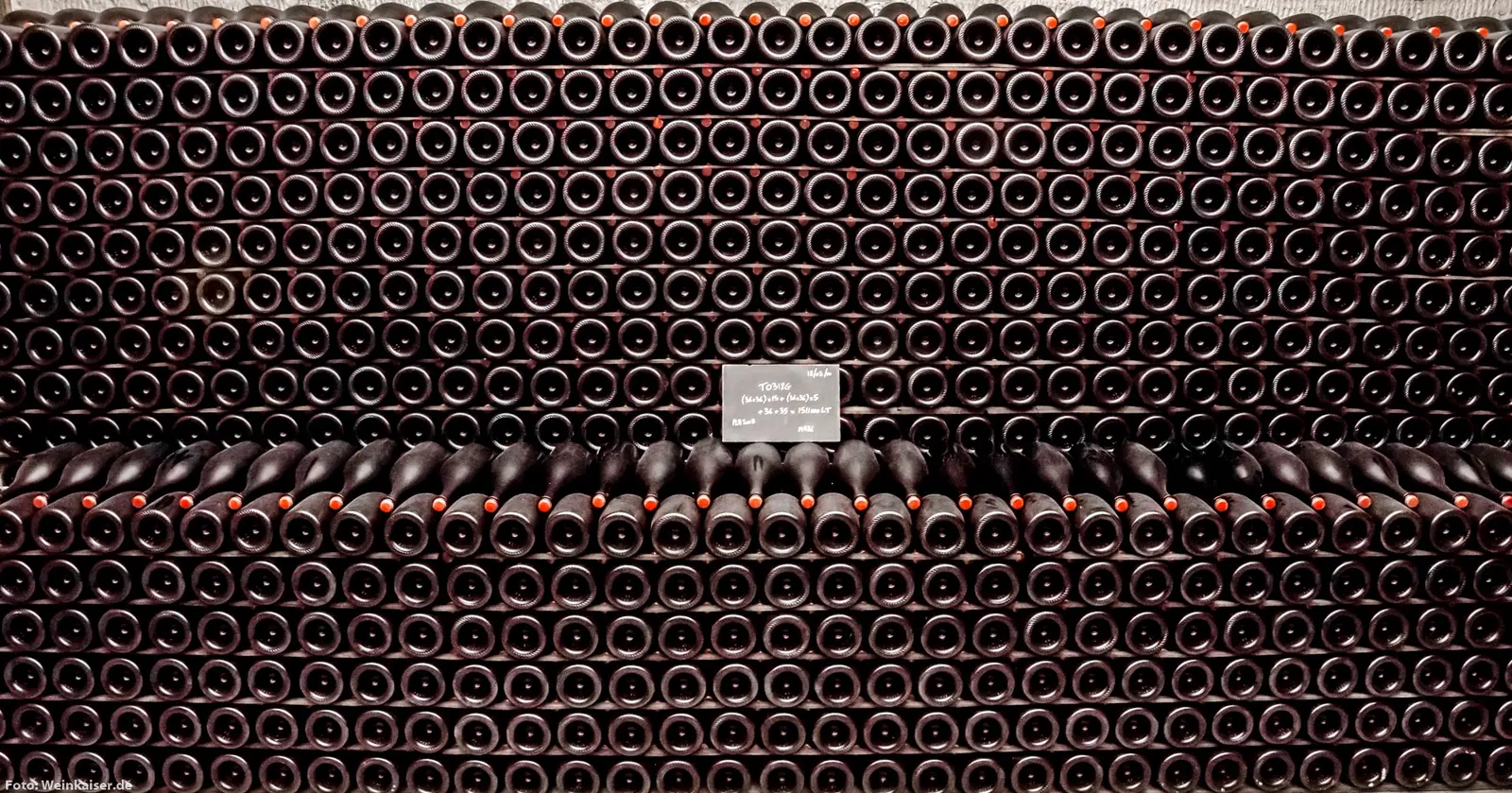
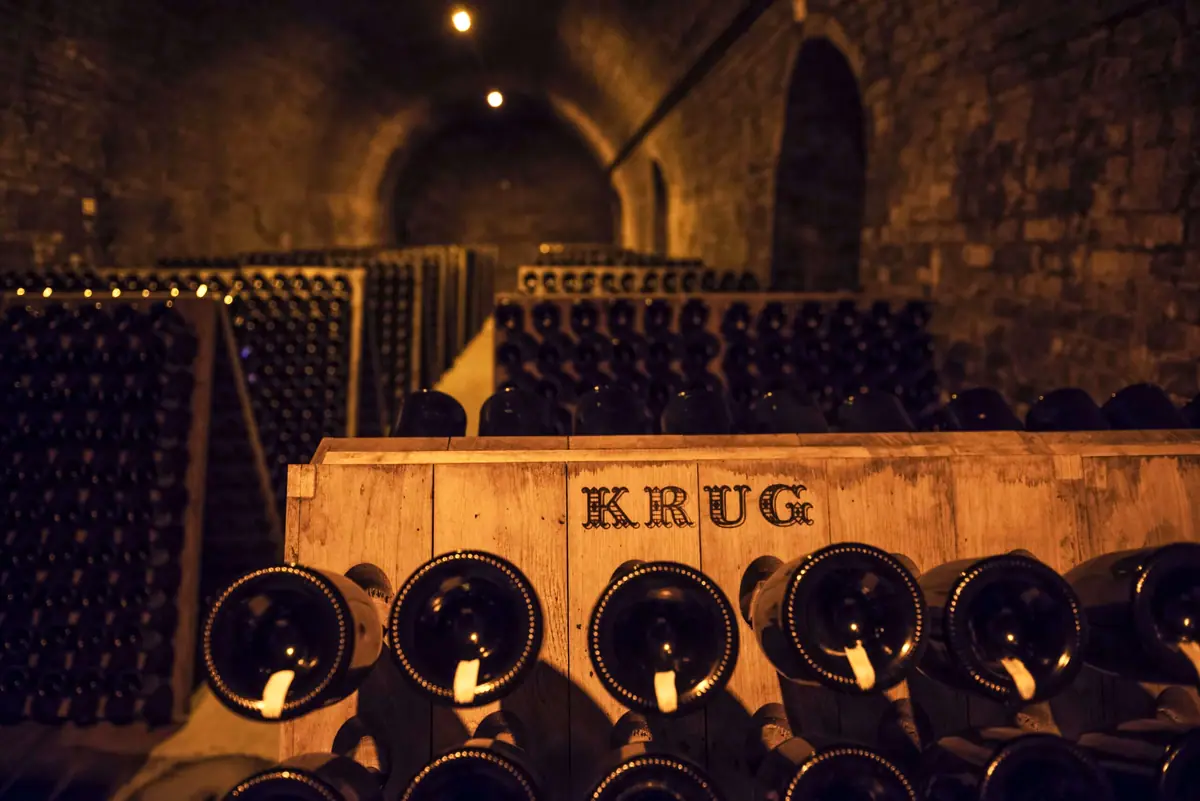 Krug Champagner Keller
Another characteristic of Krug is the long ageing period. The wines are only released once they are considered ready to drink. Even so, the house recommends leaving the bottles to rest for at least another year after purchase. This extra time allows the champagne to develop its characteristic aromas and reach a harmonious balance. Young wines can show sharp acidity, which becomes softer and rounder with proper storage.
The best-known Krug champagnes
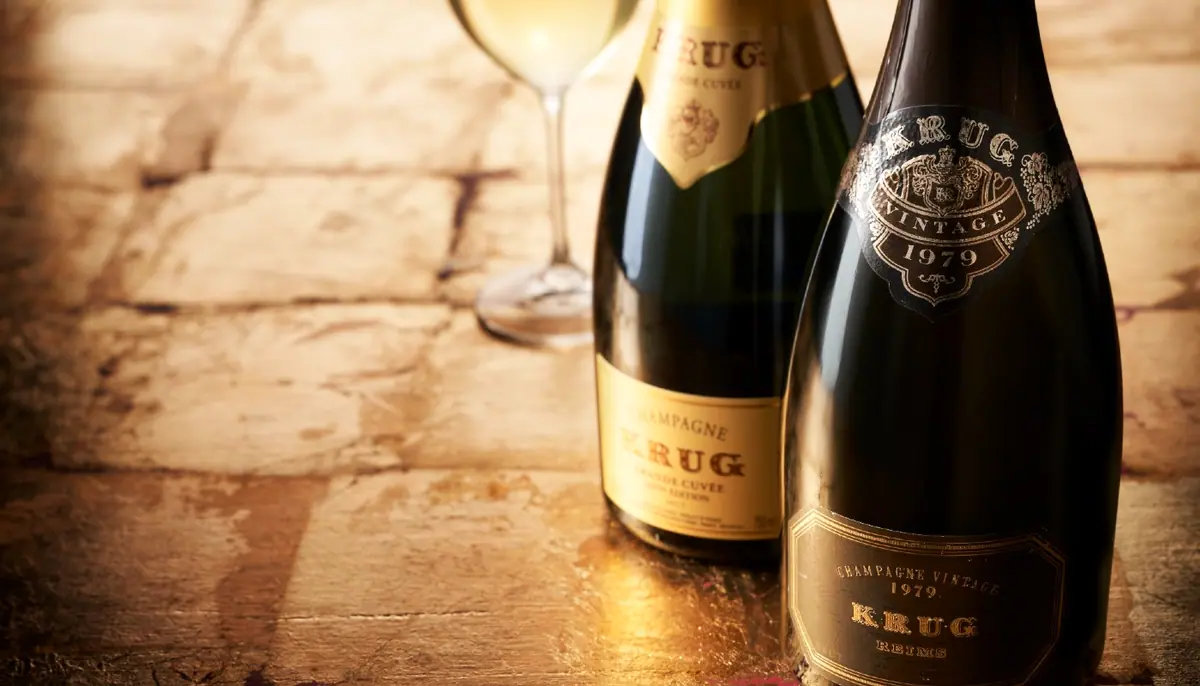
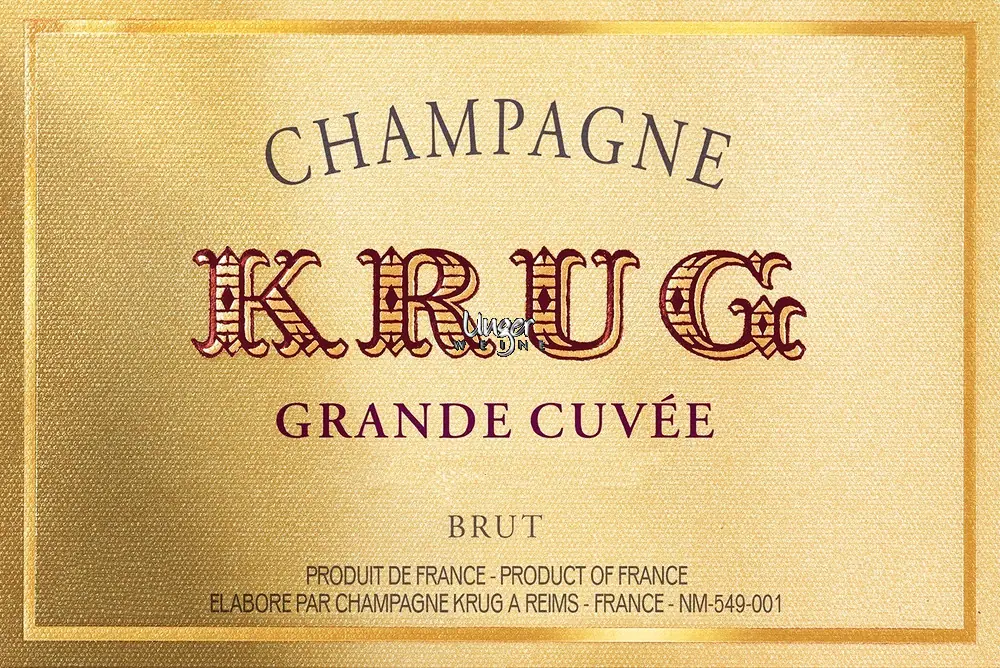
Among the best-known and most prestigious champagnes from Krug is the "Krug Grande Cuvée". Regarded as the flagship of the house, it is a masterly assemblage of more than 120 wines from over ten different vintages. Every bottle of Grande Cuvée is the result of a complex and painstaking blending process, aimed at creating a champagne of incomparable finesse and elegance.
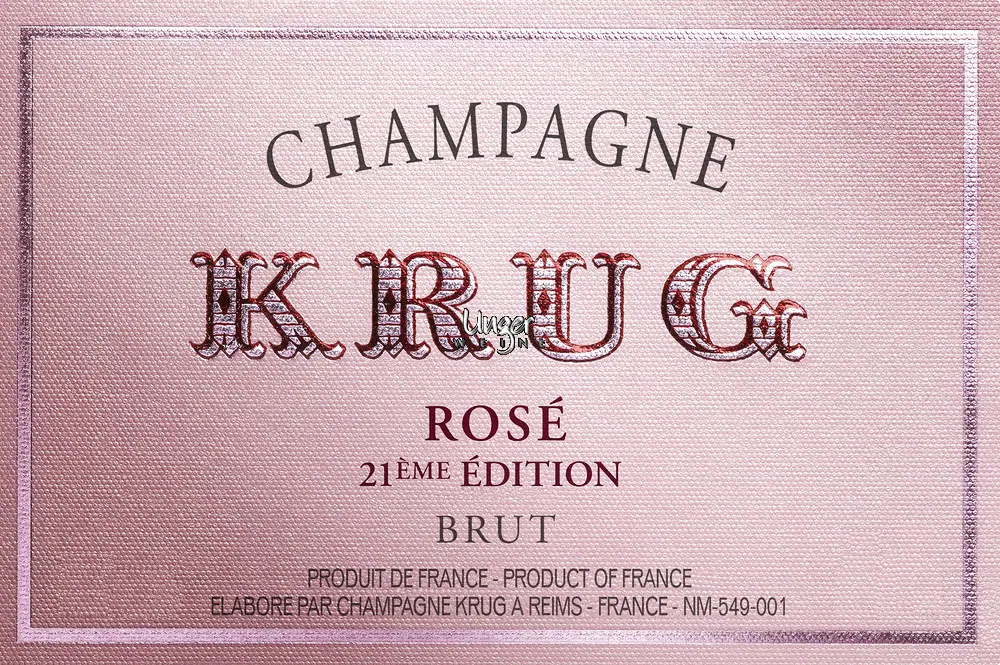
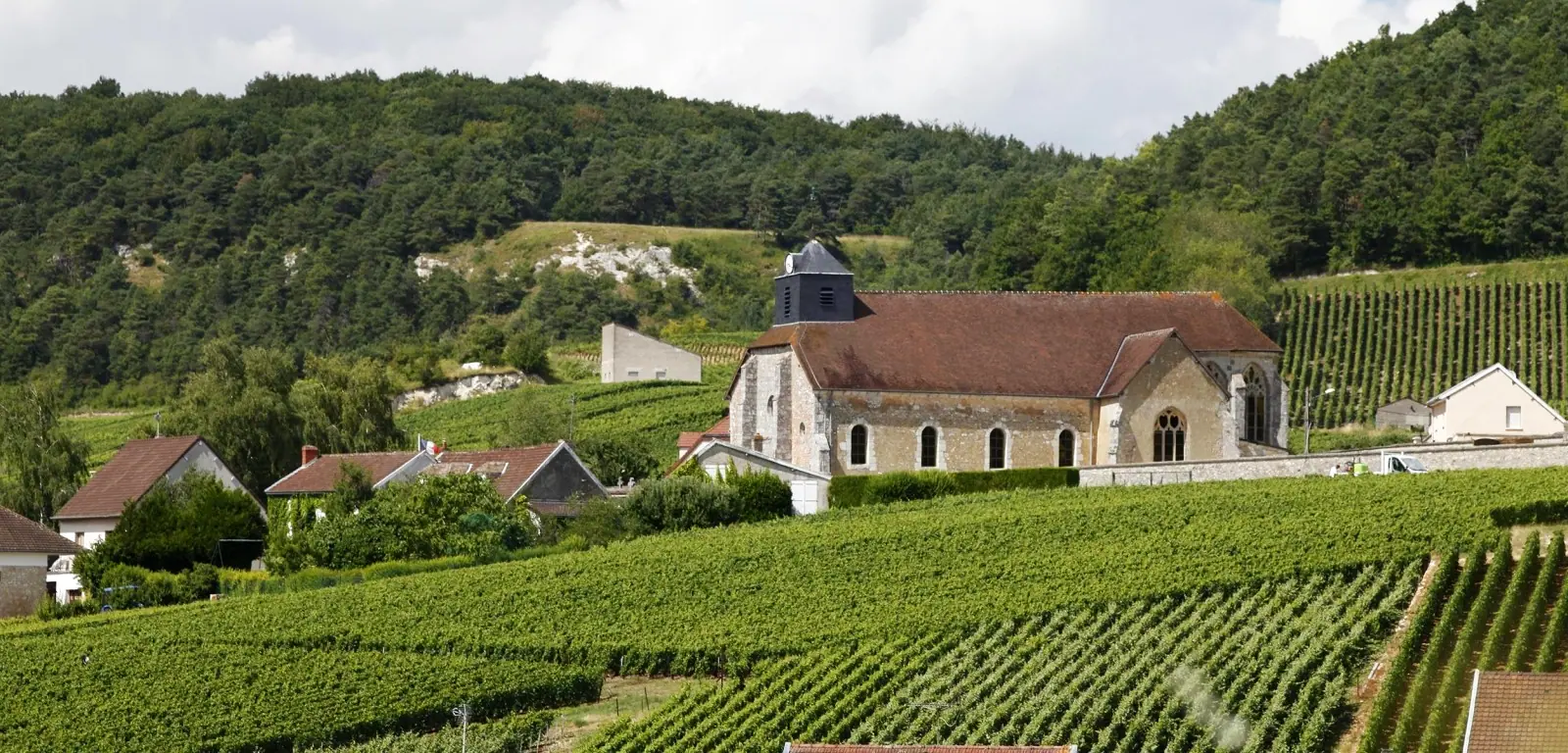
Another highlight of the Krug range is "Clos du Mesnil". This single-vineyard champagne, a blanc de blancs, comes from a single walled plot in the famous village of Le Mesnil-sur-Oger. Clos du Mesnil was first released from the 1979 harvest and has since won a firm place among the best champagnes in the world. The vines of this single plot benefit from exceptional climatic conditions and a unique terroir, which results in a champagne of outstanding purity and minerality.
Clos du Mesnil was first released from the 1979 harvest and has since won a firm place among the best champagnes in the world.
Alongside Clos du Mesnil, Krug has another single-vineyard champagne in its portfolio: "Clos d'Ambonnay". Made from 100% Pinot Noir, it comes from a small walled plot in Ambonnay, one of the most renowned Pinot Noir sites in Champagne. The first vintage of Clos d'Ambonnay was produced in 1995, and the champagne is now considered one of the most exclusive and expensive on the market. In gourmet restaurants a bottle can cost up to €4,500, which underlines its rarity and exclusivity.
Current information on vineyards and headquarters
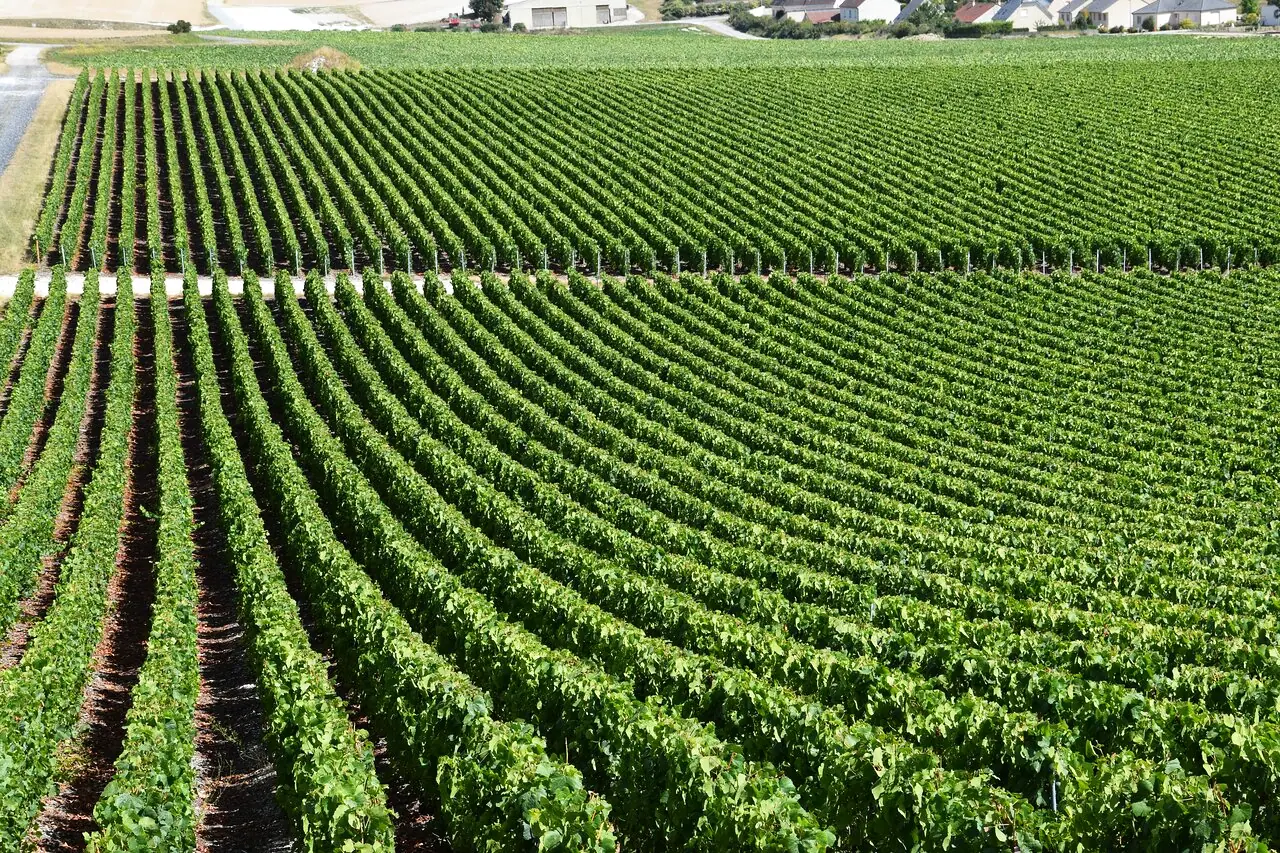
The champagne house Krug today works a number of vineyards in some of the best sites in Champagne. The total area farmed by Krug is around 20 hectares. These vineyards are spread across several premier cru and grand cru sites, including Le Mesnil-sur-Oger and Ambonnay, which are known for their excellent conditions.
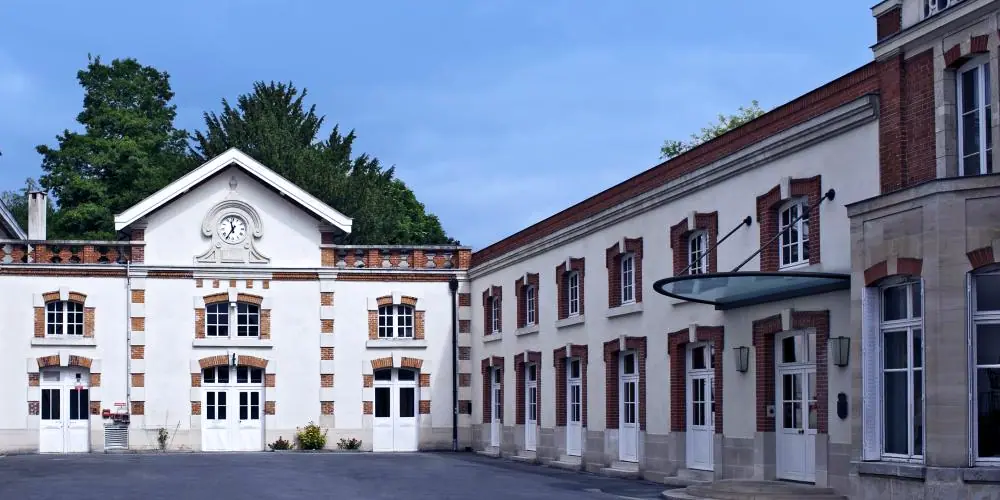
Krug's main base is still in Reims, where the company has its historic home. The estate includes the original building acquired by Johann-Joseph Krug as well as modern facilities that meet the demands of champagne production today. The union of tradition and modernity is a central element of the Krug philosophy and is reflected both in the production methods and in the architecture of the estate.
Historical development and milestones
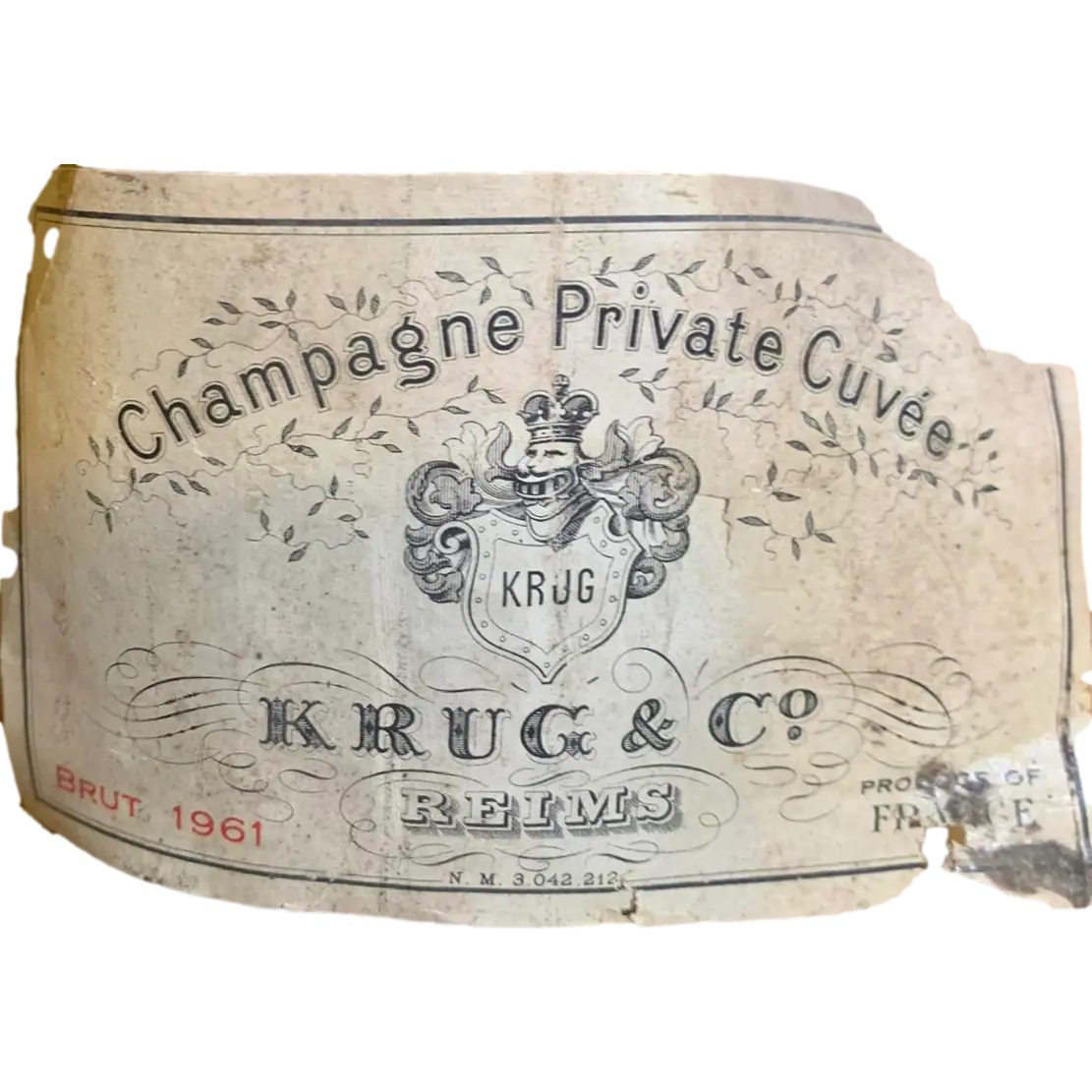
Since its founding, Krug has reached numerous milestones that cement its position as a leading champagne house. One of the most important was the launch of Krug Grande Cuvée in 1971, regarded as Krug's signature cuvée. This champagne was created to represent the unique style and philosophy of the house and has been produced continuously ever since.
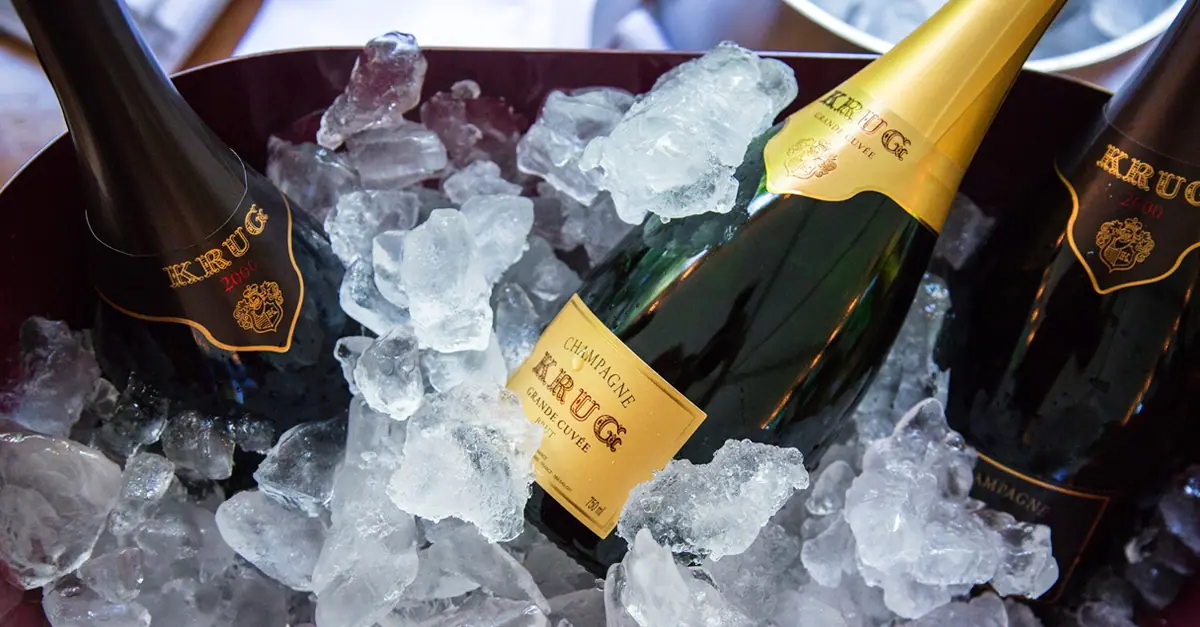 Krug Champagner
Another important milestone was the takeover by the LVMH group in 1999. This step allowed Krug to expand its resources and strengthen its global presence without neglecting its traditional values and quality standards.
The launch of Krug Clos du Mesnil in 1986 and of Clos d'Ambonnay in 2007 are further outstanding moments in the history of the house. These champagnes have established themselves as icons of the Krug range and contribute significantly to the house's reputation as a maker of luxury champagne.
Future prospects and innovations
Krug remains a symbol of excellence and innovation in the world of champagne. The house is constantly committed to preserving its traditions while also exploring new paths. This shows in the continual improvement of vineyard practices, the development of cellar techniques and the introduction of new cuvées that honour the house's heritage while setting new standards.
One example of Krug's appetite for innovation is Krug ID. Every bottle of Krug carries a unique identification number that allows consumers to find detailed information about the specific blend, the year of bottling and the recommended drinking window. This transparency is another sign of Krug's commitment to giving its customers an incomparable champagne experience.
In summary, Krug is an incomparable champagne house, distinguished by its deeply rooted tradition, its tireless dedication to quality and its capacity for innovation. With a rich history, iconic champagnes and a clear eye on the future, Krug remains a beacon of excellence in the world of champagne.
Pictures
 Bottle
 0 %
