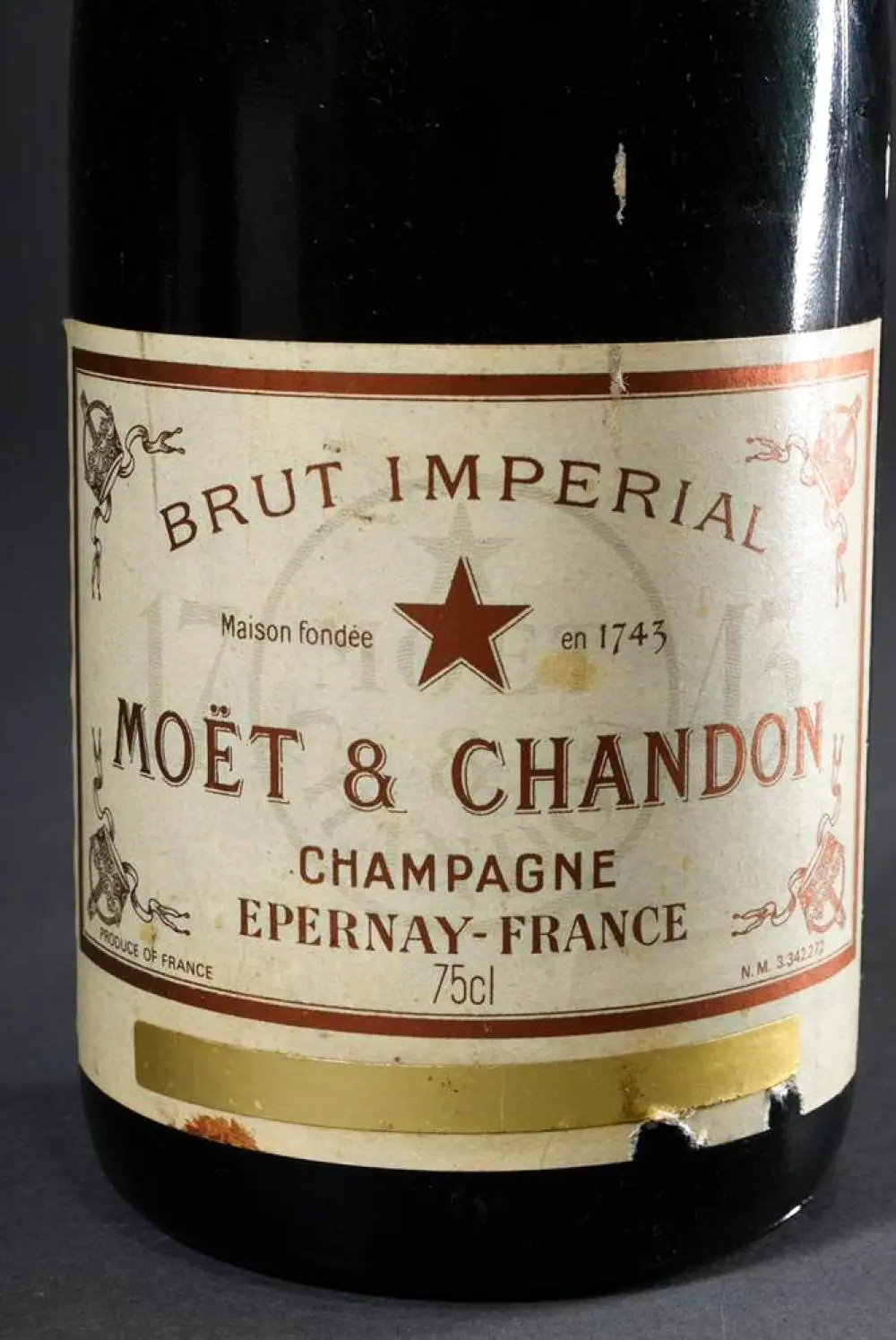

Moët & Chandon Champagne: a comprehensive history and the latest developments
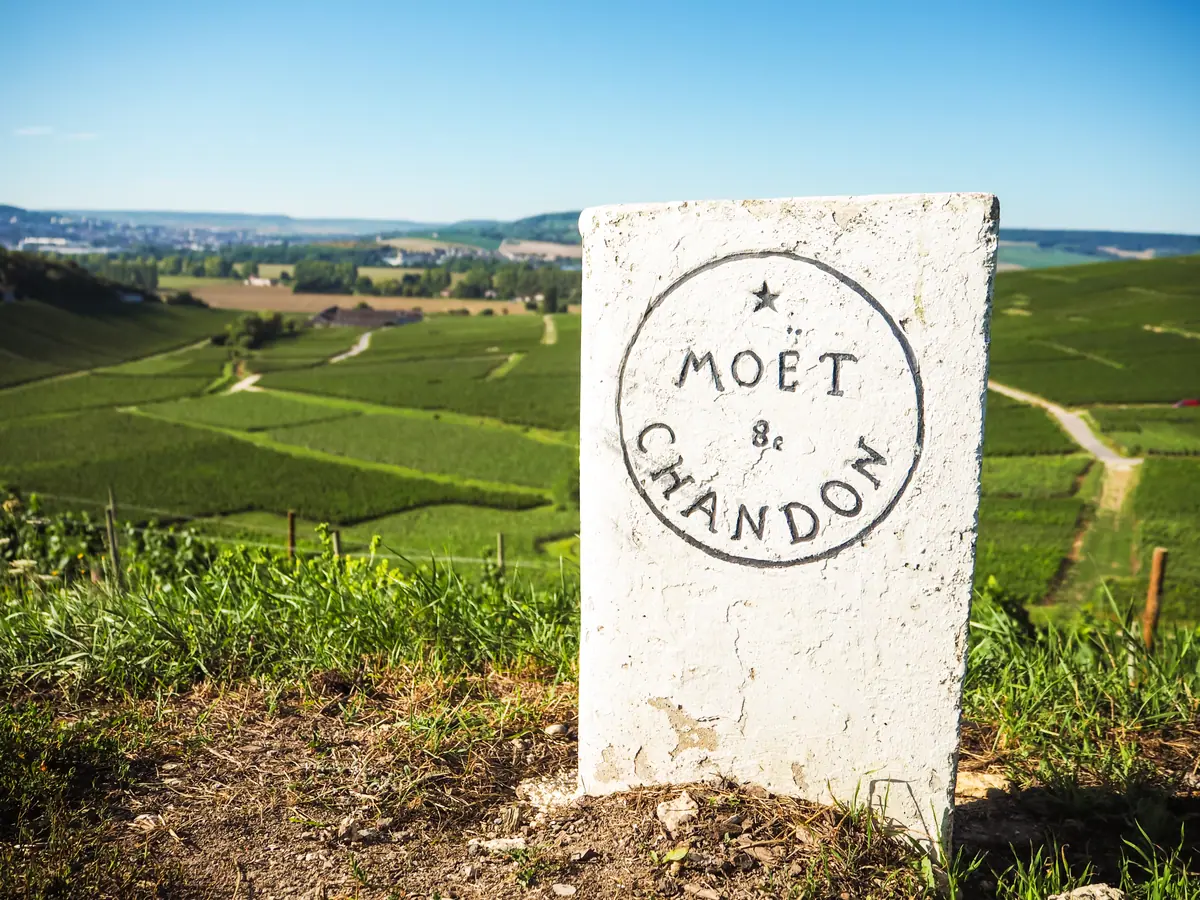 Champagne - Ardenne, France - August 2017 : Champagne house Moët
01Introduction
Moët & Chandon, one of the most celebrated champagne producers in the world, has an impressive history that goes back to 1743. Today the house is part of the family-controlled group LVMH (Louis Vuitton Moët Hennessy), and it has made an unmistakable name for itself through innovation and a commitment to quality. This overview takes a close look at the history, the brand's best-known champagne, the current vineyard holdings and the company's headquarters.
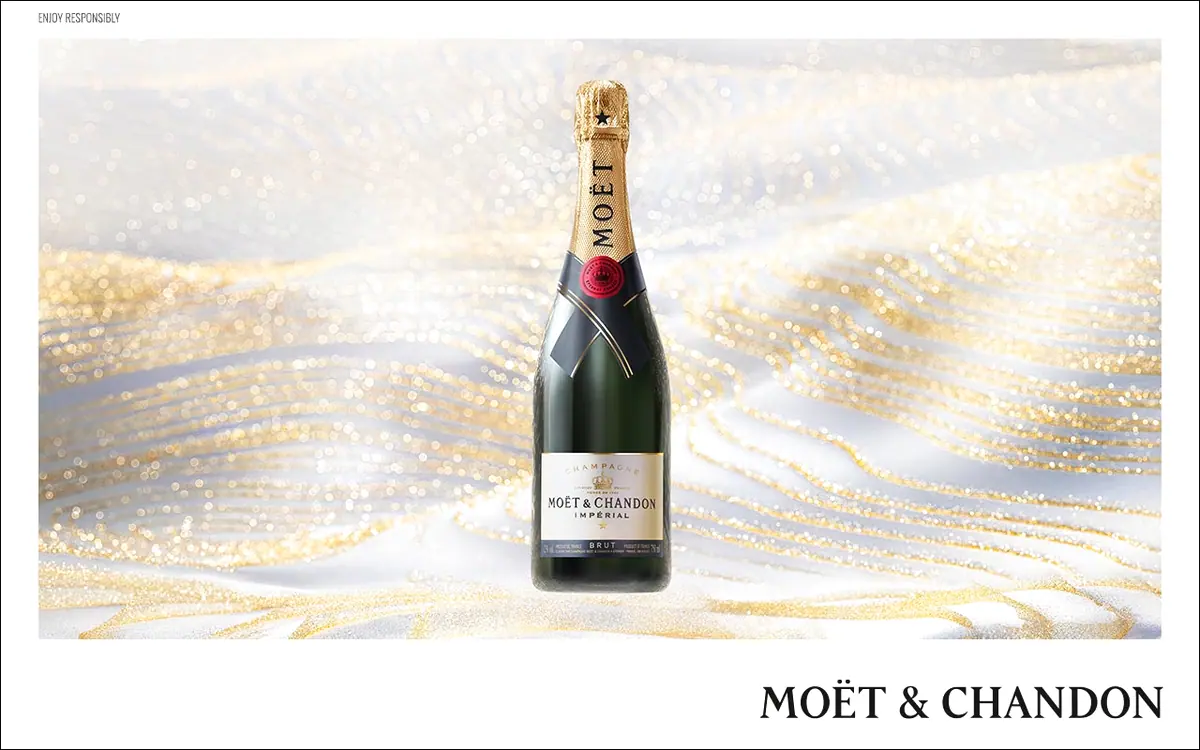 Moët & Chandon Champagner
02The founding and the early years
Moët & Chandon was founded in 1743 by Claude Moët in Épernay. Claude Moët, born in 1683, began in 1742 to export wine from Champagne to Paris. His vision and entrepreneurial spirit laid the foundation for what would later become a world-famous champagne house. Claude Moët's grandson, Jean-Remy Moët, played a decisive role in the further development of the business.
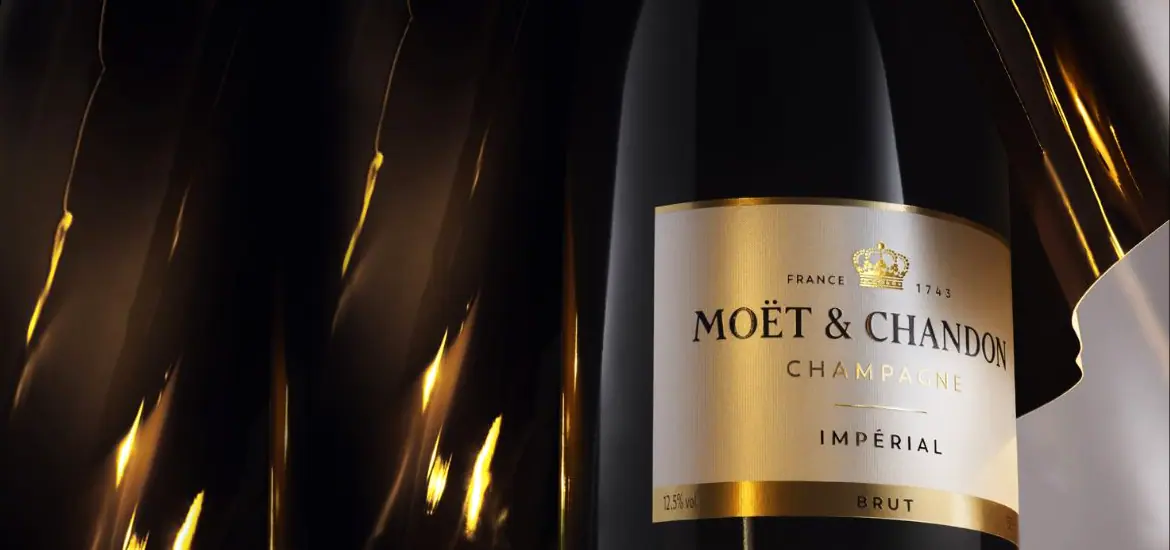
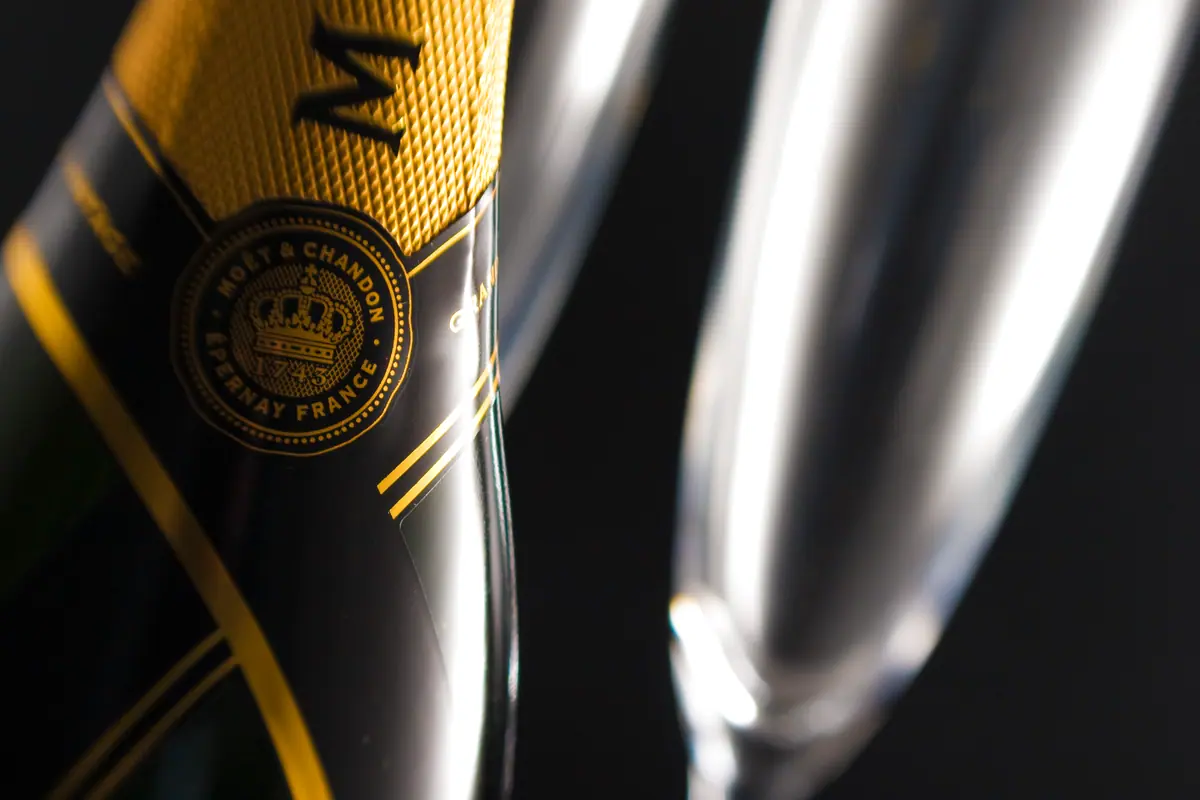 Moët & Chandon Champagner Label
03Dom Pérignon and the abbey of Hautvillers
In 1794 Jean-Remy Moët acquired the former abbey of Hautvillers, where the monk Dom Pérignon had lived and worked. Dom Pérignon had contributed significantly to the refinement of champagne production. This historical link did a great deal for the reputation of Moët & Chandon. Soon afterwards Jean-Remy Moët began exporting the champagne to other European countries and to the United States.
 Moët & Chandon Champagner Keller
04Expansion and the name Chandon
In 1832 the company extended its name to "Moët & Chandon" when Jean-Remy Moët handed half of the business to his son Victor Moët and his son-in-law Pierre-Gabriel Chandon de Briailles. This partnership marked the start of a new era for the house, which expanded its international presence further and won growing recognition.
 Moët & Chandon Champagner Haus
05Royal warrants and acquisitions
Moët & Chandon became purveyor to the Austro-Hungarian imperial court and to the English royal household. These prestigious titles underlined the high standing of the champagne in aristocratic and royal circles. In 1963 Moët & Chandon took over the long-established house of Ruinart, the oldest champagne house in the world, and in 1971 Mercier, a producer active mainly on the French market.
 Ay
06Mergers and the birth of LVMH
In 1971 Moët & Chandon merged with the cognac producer Hennessy, which led to the creation of Moët Hennessy. In 1987 came the merger with Louis Vuitton, which gave rise to the luxury goods group LVMH. This merger brought the renowned champagne house Veuve Clicquot into the group. At the end of the 1990s the exclusive house of Krug was acquired.
 Cumières
07The famous Dom Pérignon
The most prestigious champagne from Moët & Chandon is the famous Dom Pérignon. Named after the Benedictine monk regarded as a pioneer of champagne production, it is the flagship of the house. Dom Pérignon is known for its exceptional quality and is made only in the best vintages. A bottle costs at least 100 euros, which makes it a symbol of luxury and exclusivity.
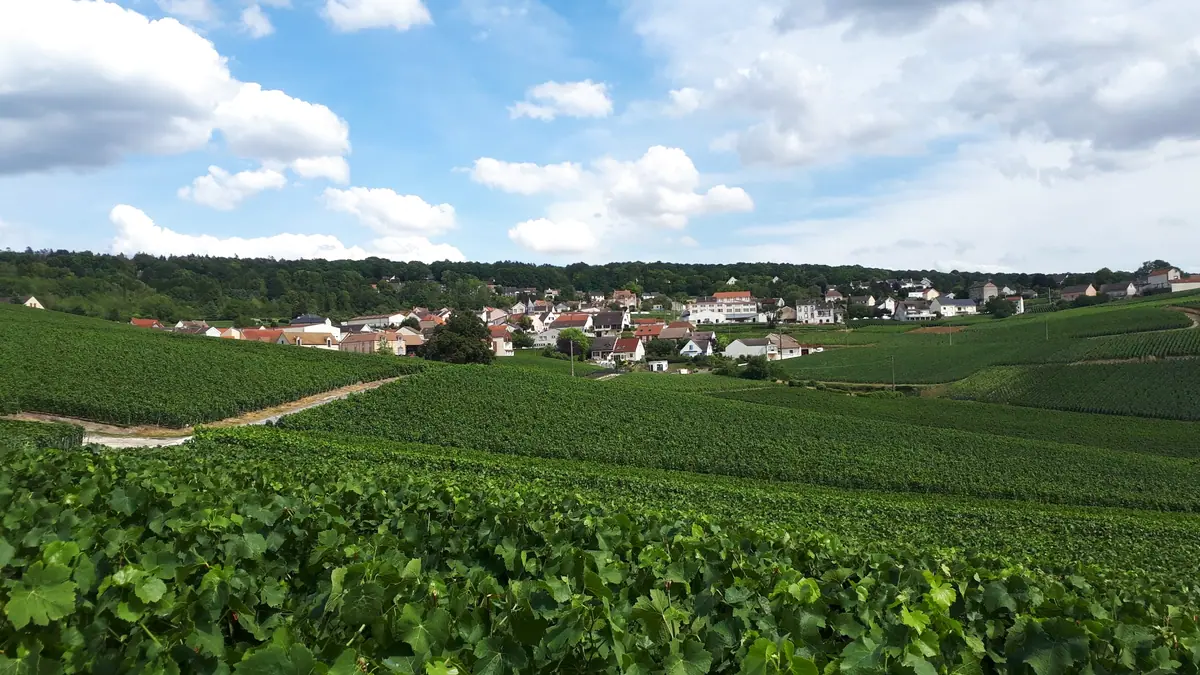 Champillon
08Modern developments and market leadership
Moët & Chandon has been the market leader in champagne sales for many years. In 2007 the LVMH group's total sales came to 62.2 million bottles, which is 18% of the entire production of Champagne. In the restaurant and hospitality trade, Moët & Chandon is the champagne most often poured, which underlines its popularity and standing.
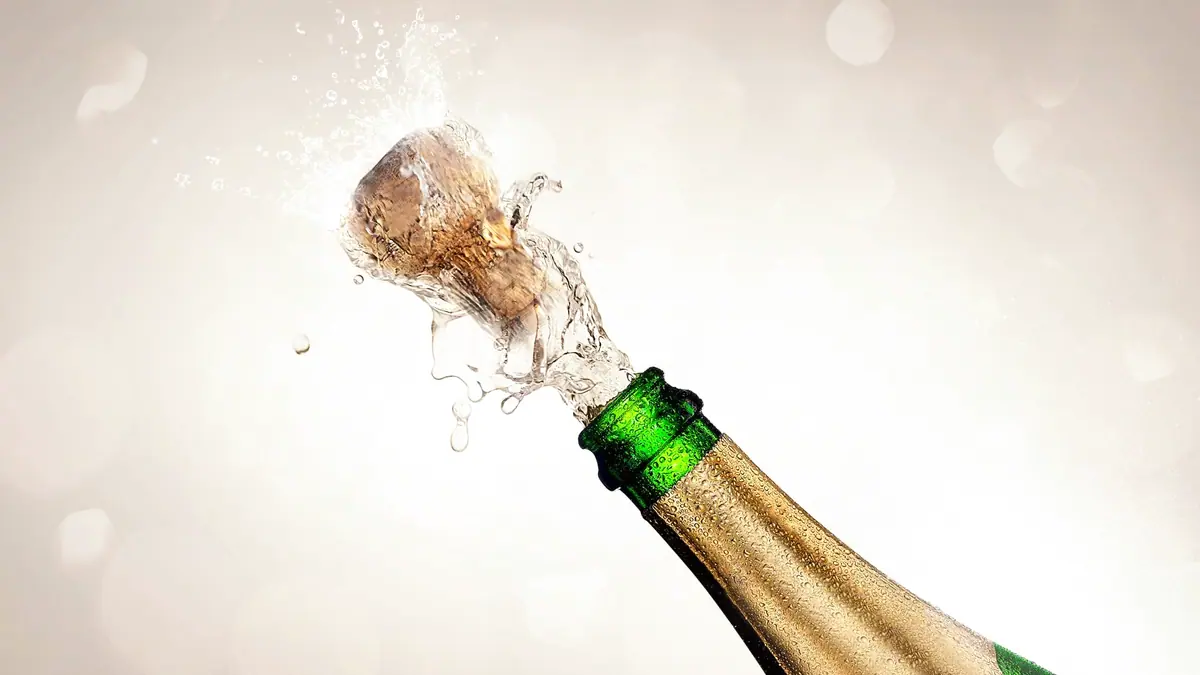 Flaschendruck
09Current vineyard holdings and wine-growing villages
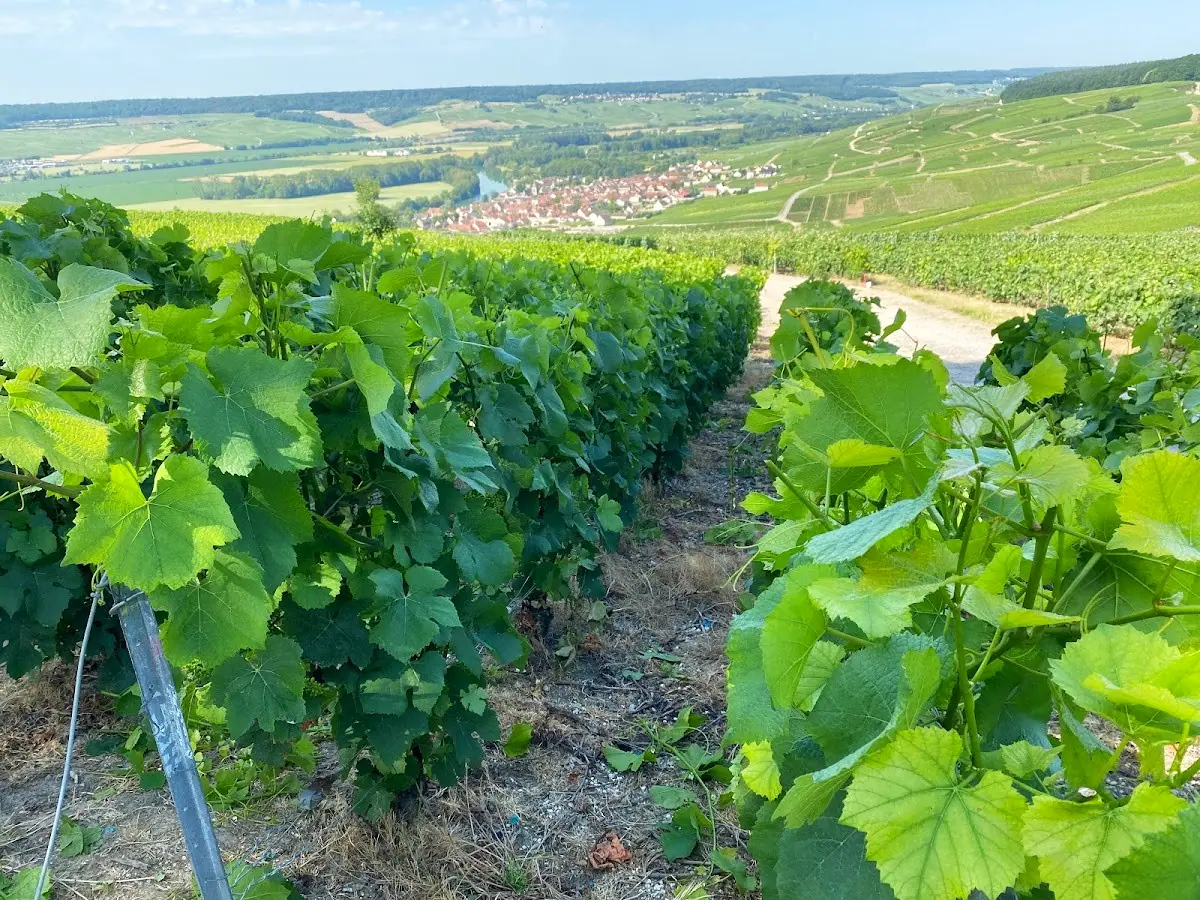
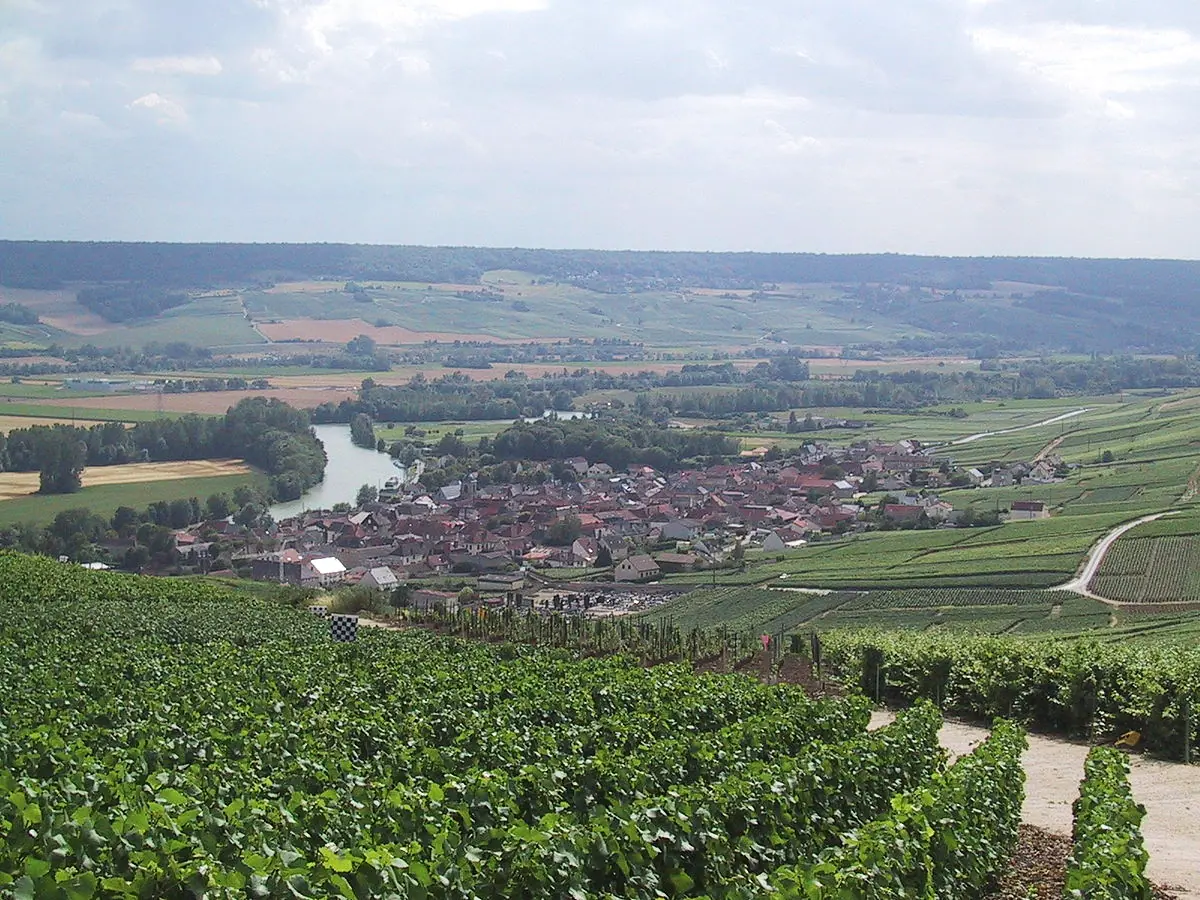
Moët & Chandon owns around 1,000 hectares of vineyard in Champagne. These are spread across roughly 200 wine-growing villages, including 16 of the 17 villages with grand cru status and 25 villages with premier cru status. These first-class vineyards are a major reason for the outstanding quality of Moët & Chandon's champagne.
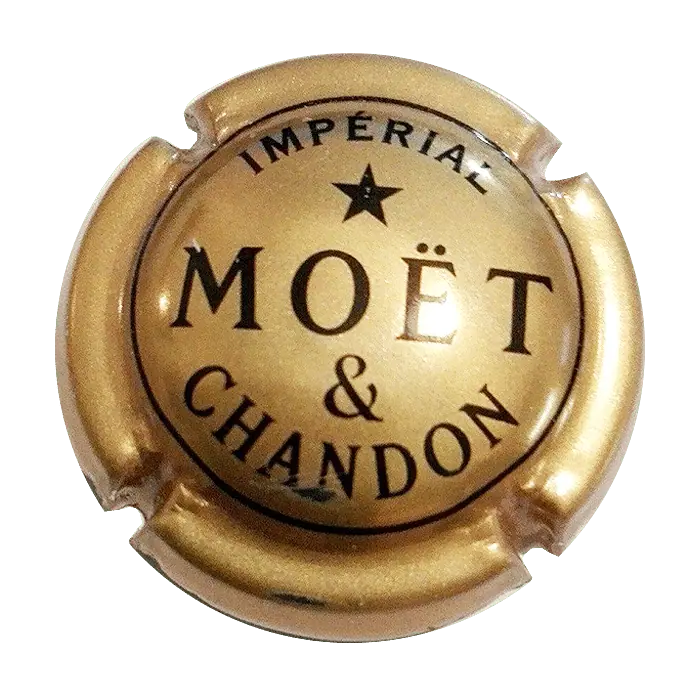
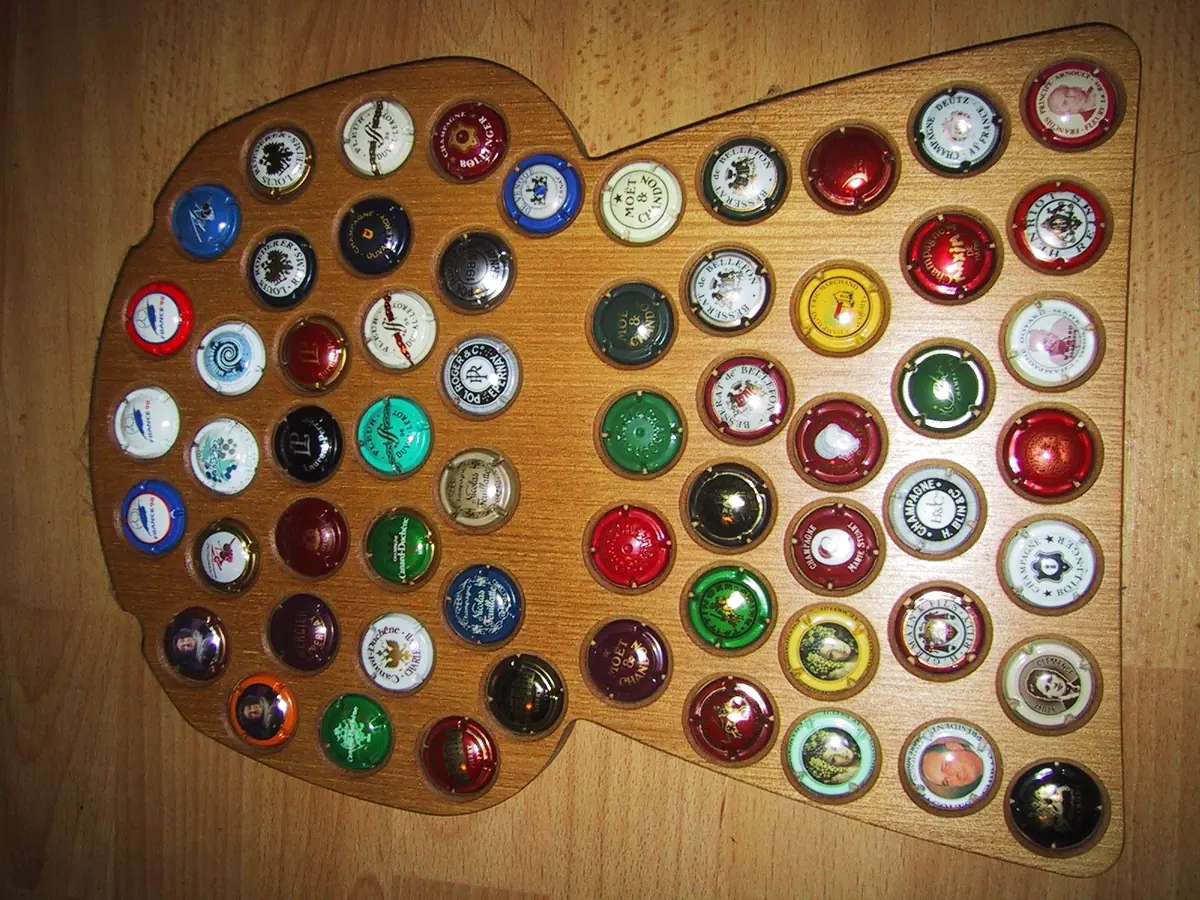 Capsules, Muselets, Plaque
10The chalk cellars of Épernay
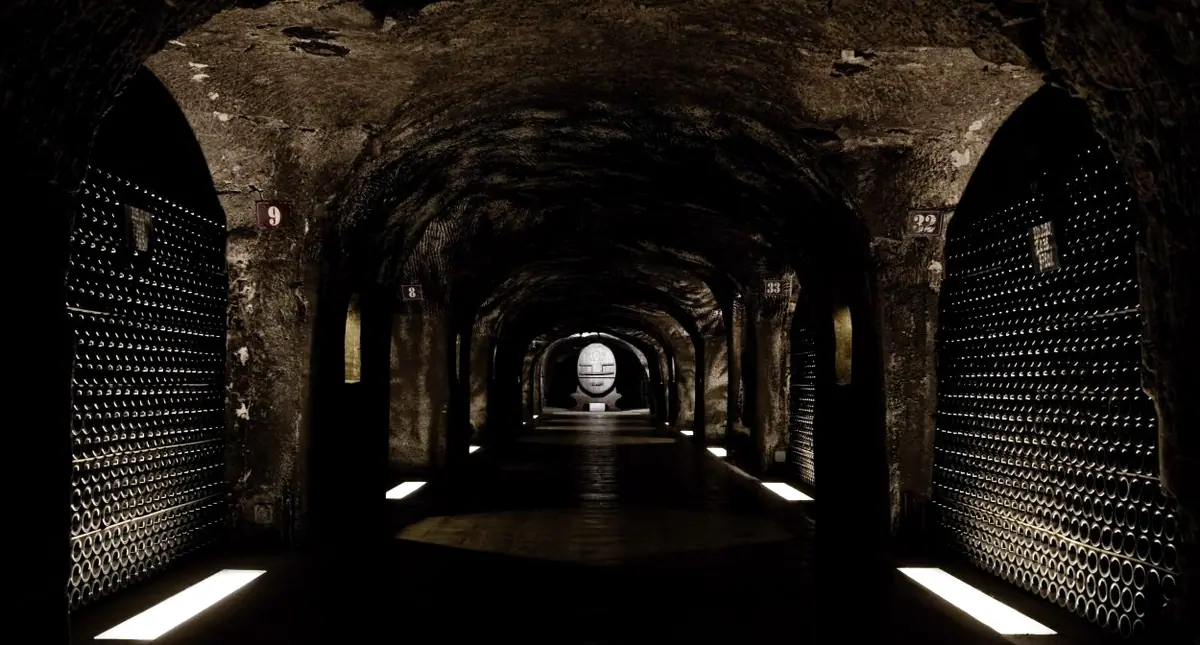
Another remarkable feature of Moët & Chandon is its extensive chalk cellars in Épernay. These cellars, whose galleries stretch for about 110 kilometres, have their own "street names" and offer ideal conditions for storing and ageing the champagne. The oldest storage areas in these cellars date back to the founding year of 1743 and are an important part of the company's heritage.
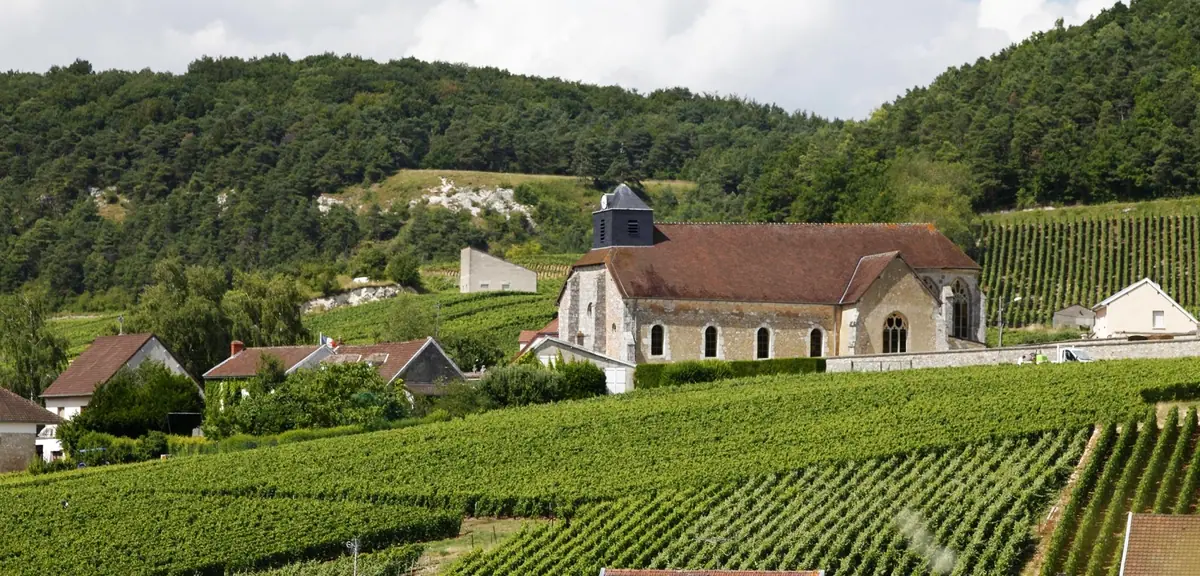 Grauves
11The company headquarters
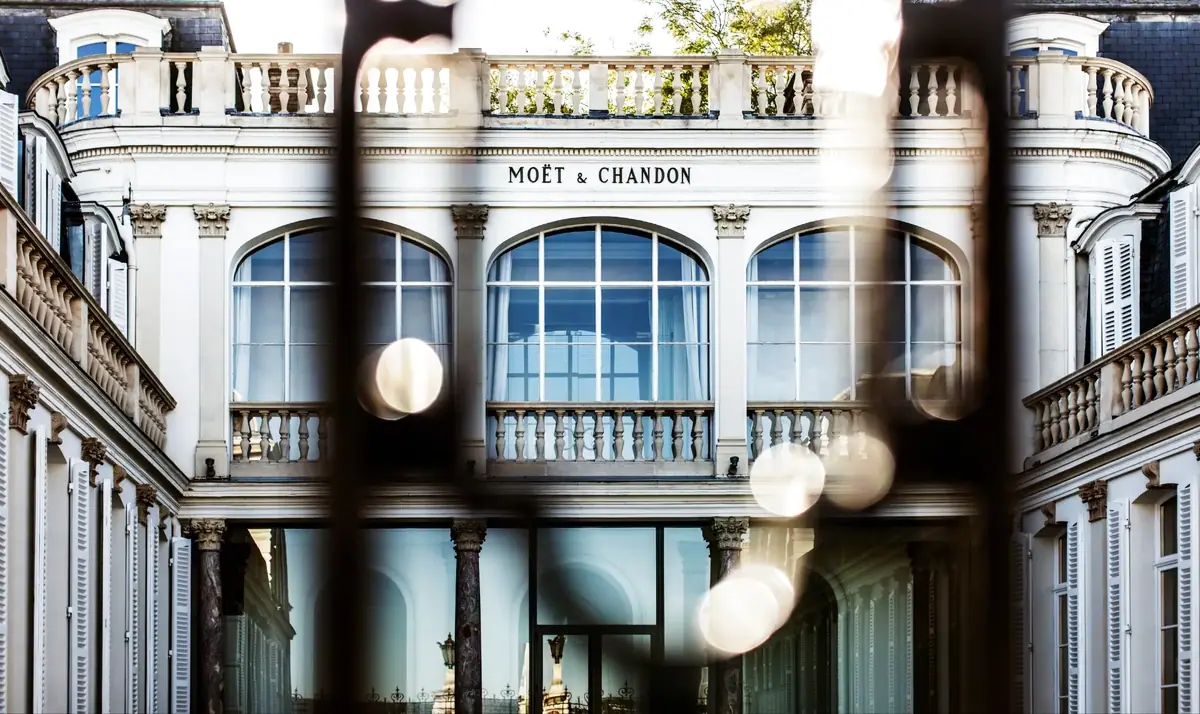
The headquarters of Moët & Chandon are in Épernay, in the heart of Champagne. Épernay is known as the capital of champagne and is home to many of the most renowned champagne houses in the world. From here Moët & Chandon directs its worldwide activities and looks after its rich traditions.
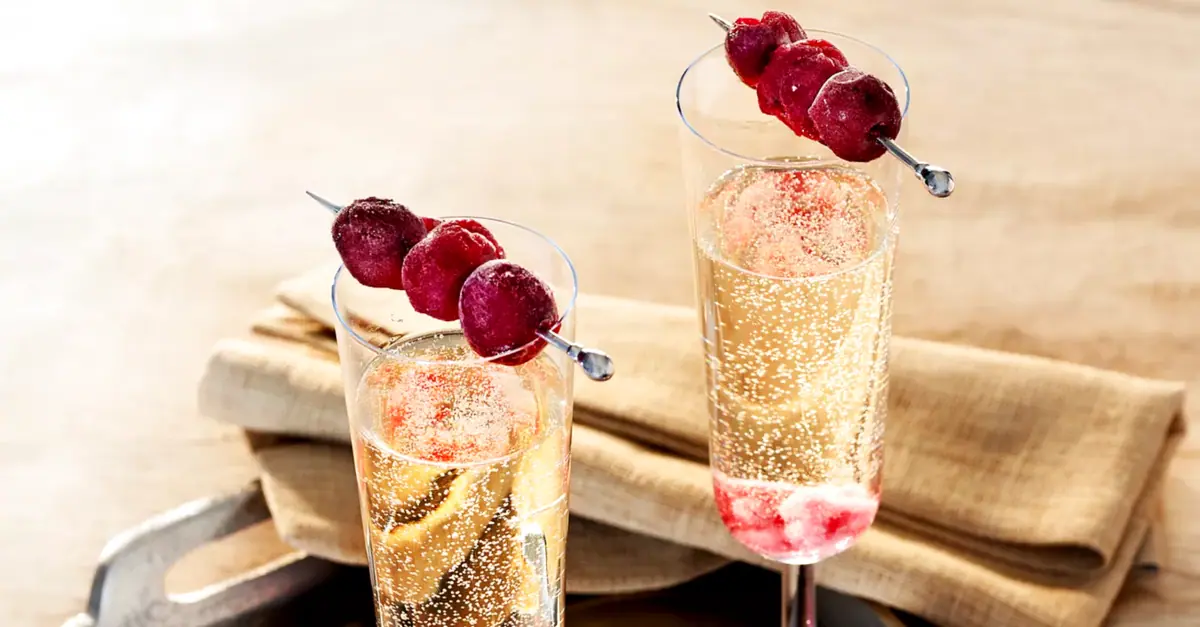 Aperitif Champagner
12Conclusion
Over the centuries Moët & Chandon has secured an undisputed place at the very top of the champagne world. With an impressive history, first-class vineyards, exceptional chalk cellars and iconic champagne brands such as Dom Pérignon, the house continues to set the standard in the world of luxury and exclusivity. The combination of tradition and innovation makes Moët & Chandon a symbol of timeless elegance and outstanding quality.
Pictures
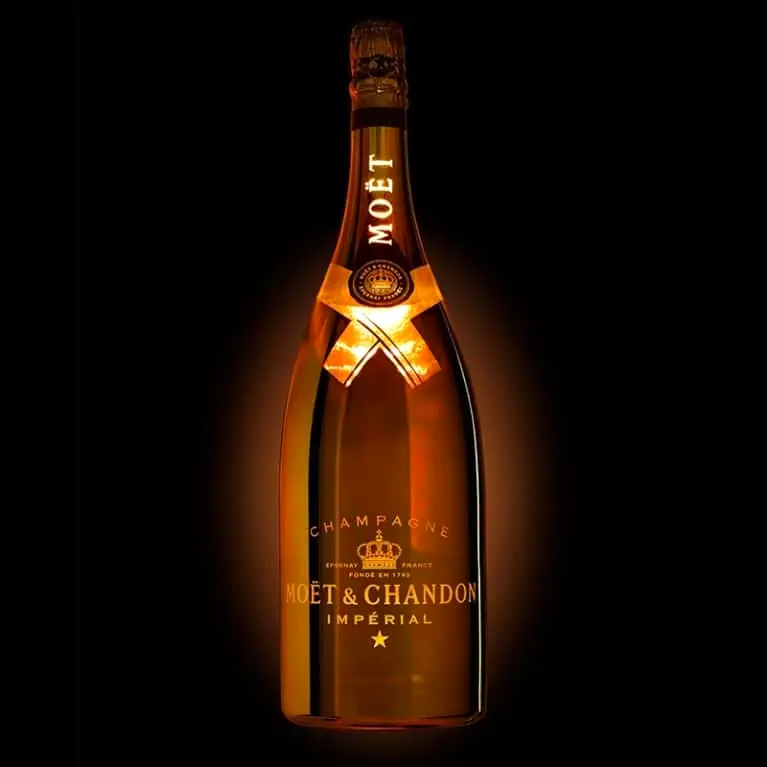
 Bottle