
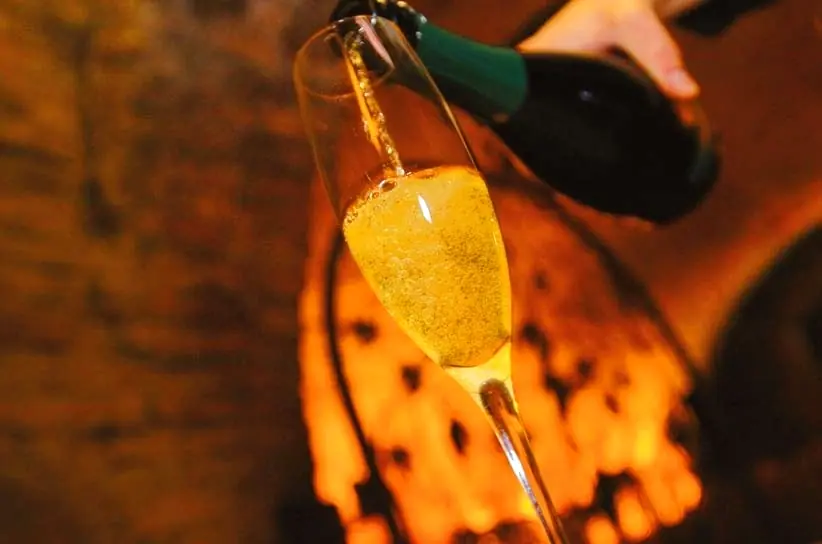
Alterston describes the complex aromas that develop in champagne through extended ageing on the lees, such as brioche, toast, honey or truffle. With maturity, the texture also becomes creamier.
Alterston in champagne: a closer look
Champagne, a symbol of elegance and celebration, is a sparkling wine from the Champagne region of France. Its production follows strict rules that guarantee its quality and individuality. One fascinating aspect of champagne is the so-called "Alterston", the German term for the mature, aged character that shapes the flavour and aroma of this noble drink to a great extent.
What is Alterston?
The term "Alterston" refers to the complex aromas and flavour nuances that develop in champagne through extended ageing on the lees (known as "sur lie"). During this maturation, the yeast and the wine interact, leading to deep, layered aromas. This ageing can last several years and contributes to the development of champagne's characteristic traits.
The process of ageing on the lees
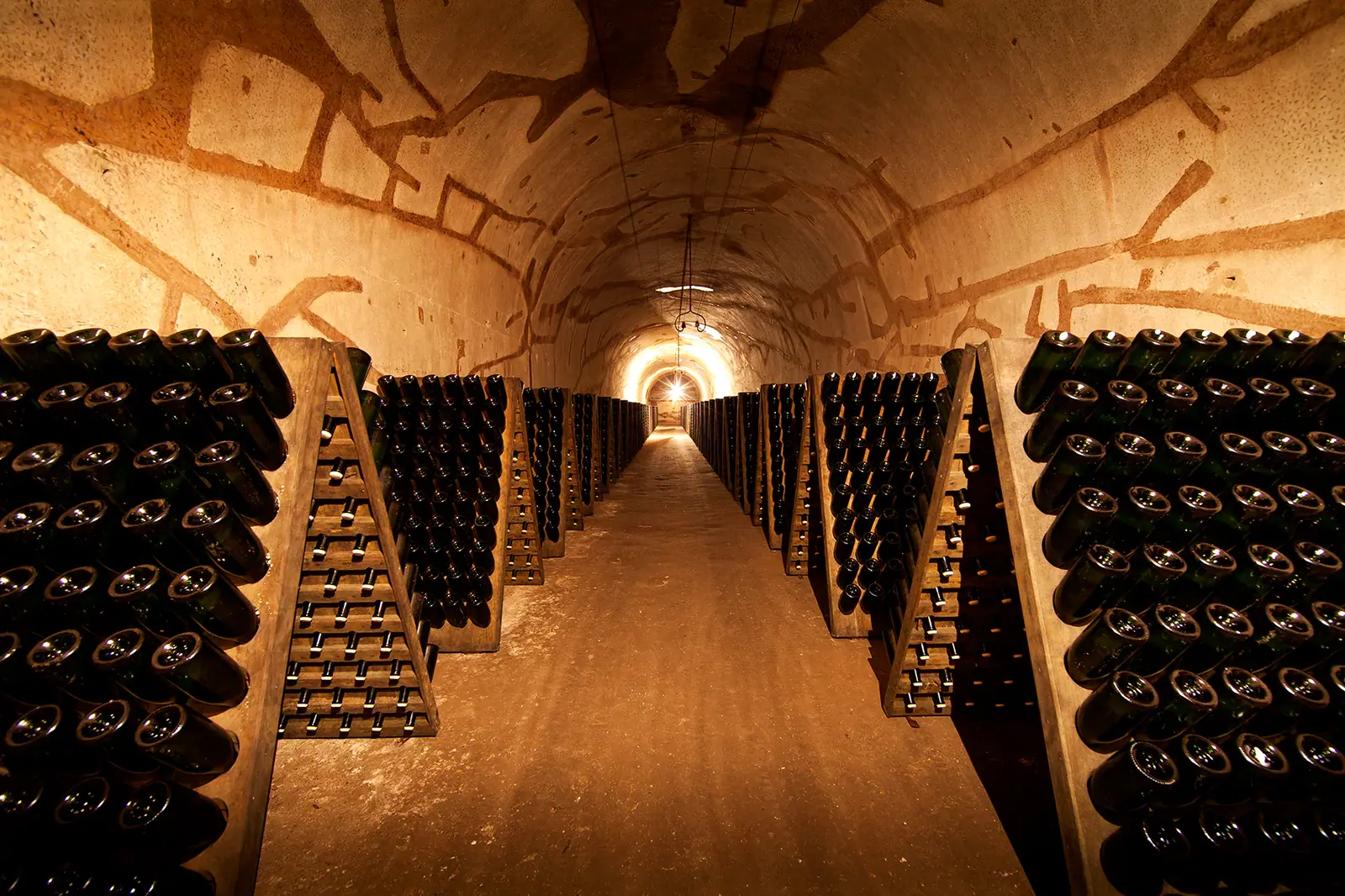
Ageing on the lees is a crucial step in making champagne. After the first fermentation and the bottling of the base wine, sugar and yeast are added to start a second fermentation. This second fermentation produces carbon dioxide, which is trapped in the wine and forms the bubbles that make champagne so distinctive.
During this time on the lees, which lasts at least 15 months for non-vintage champagne and at least three years for vintage champagne, the yeast begins to break down and releases a wide range of aromas and flavour compounds into the wine. This process is called autolysis.
Aroma profiles of Alterston
The aged character of champagne is marked by a complex and rich palette of aromas. The most common include:
- Brioche and toast: these aromas arise from the autolysis of the yeast and give the champagne a nutty, lightly toasted note.
- Honey and caramel: these sweeter nuances develop over the course of maturation and complement the fresh fruit notes of young champagne.
- Dried fruit and nuts: with increasing maturity, aromas of dried apricots, figs and almonds can develop.
- Mushrooms and truffle: these earthy aromas are typical of very well-aged champagne and give the wine exceptional depth.
How maturation affects texture
Besides the aromas, maturation also affects the texture of champagne. Young champagnes are often lively and zesty with an intense mousse (the formation of bubbles). With age, the bubbles become finer and the texture creamier and silkier. This is the result of the continued interaction between the wine and the yeast during maturation.
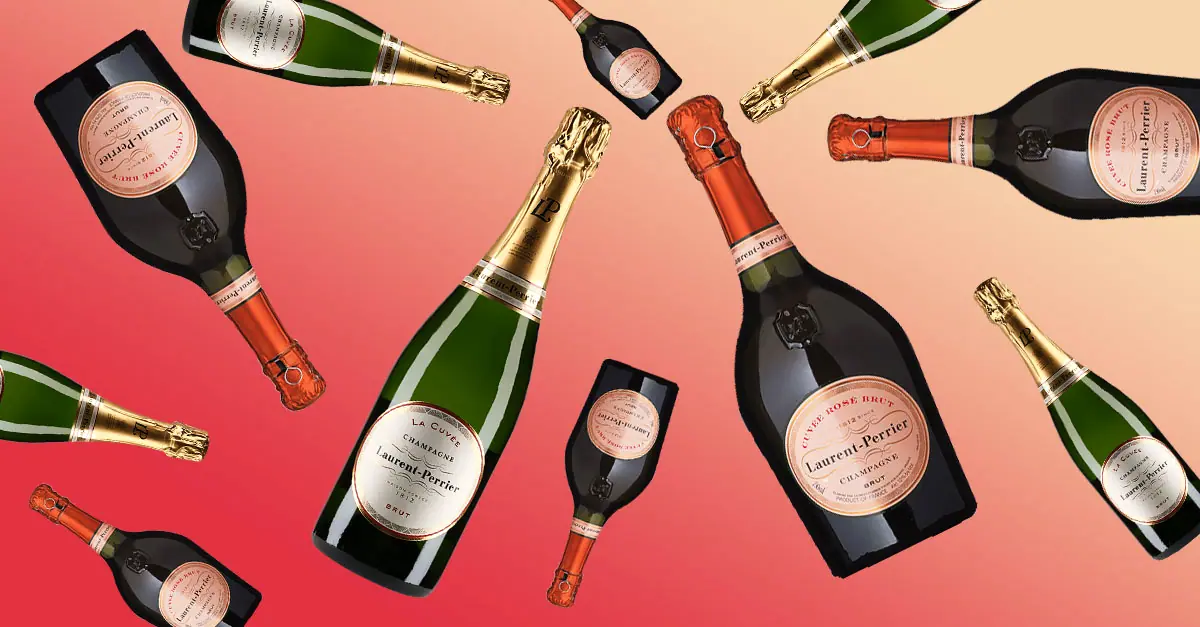 Laurent-Perrier Champagner Flaschen
The art of dégorgement
Another important step in making champagne is dégorgement. This is the process in which the settled yeast is removed from the bottle. Before dégorgement, the neck of the bottle is dipped into a freezing solution so that the yeast can be removed easily. Once the yeast is gone, the bottle is topped up with a mixture of wine and sugar (the dosage), which determines the final taste of the champagne.
Different ageing styles
There are different styles of ageing champagne, each of which can lead to a different aged character. Some producers prefer longer ageing on the lees to create a richer, more complex wine. Others choose a shorter ageing period to preserve the freshness and fruitiness of the wine. Storage after dégorgement also plays a part. Some champagnes benefit from further ageing in the bottle, while others should be enjoyed straight after dégorgement.
Well-known houses and their ageing styles
Some of the most renowned champagne houses are known for their particular ageing styles and the aged characters that result:
- Dom Pérignon: famous for its long ageing periods, which bring out complex, layered aromas.
- Krug: known for its deep, nutty character and long ageing on the lees.
- Bollinger: this producer favours long ageing on the lees, which leads to rich, bready aromas.
Final thoughts
The aged character is a fascinating aspect of champagne, one that adds considerably to its complexity and depth. Through careful ageing on the lees and the art of dégorgement, layered aromas and a silky texture develop that make champagne a unique pleasure. Whether young and zesty or mature and complex, champagne has something for every taste and remains a symbol of luxury and enjoyment.
Pictures
 0 %
