
The Appellation d'Origine Contrôlée (AOC), often simply called AC, is a French certification awarded to certain French geographical designations for wines, cheeses, butter and other agricultural products, all of which must meet strict quality and production standards.
The Appellation d'Origine Contrôlée (AOC), often simply called AC, is a French certification awarded to certain French geographical designations for wines, cheeses, butter and other agricultural products, all of which must meet strict quality and production standards. In Champagne, the AOC label is crucial for maintaining the high standards and the unique character that set this prestigious sparkling wine apart.
 Binet Champagner
01Origins and history
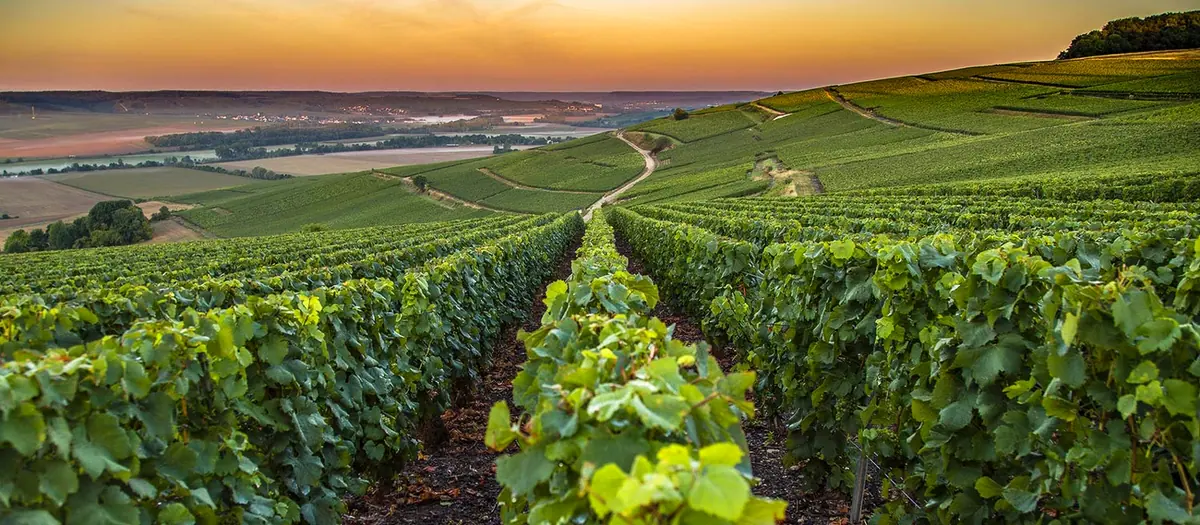
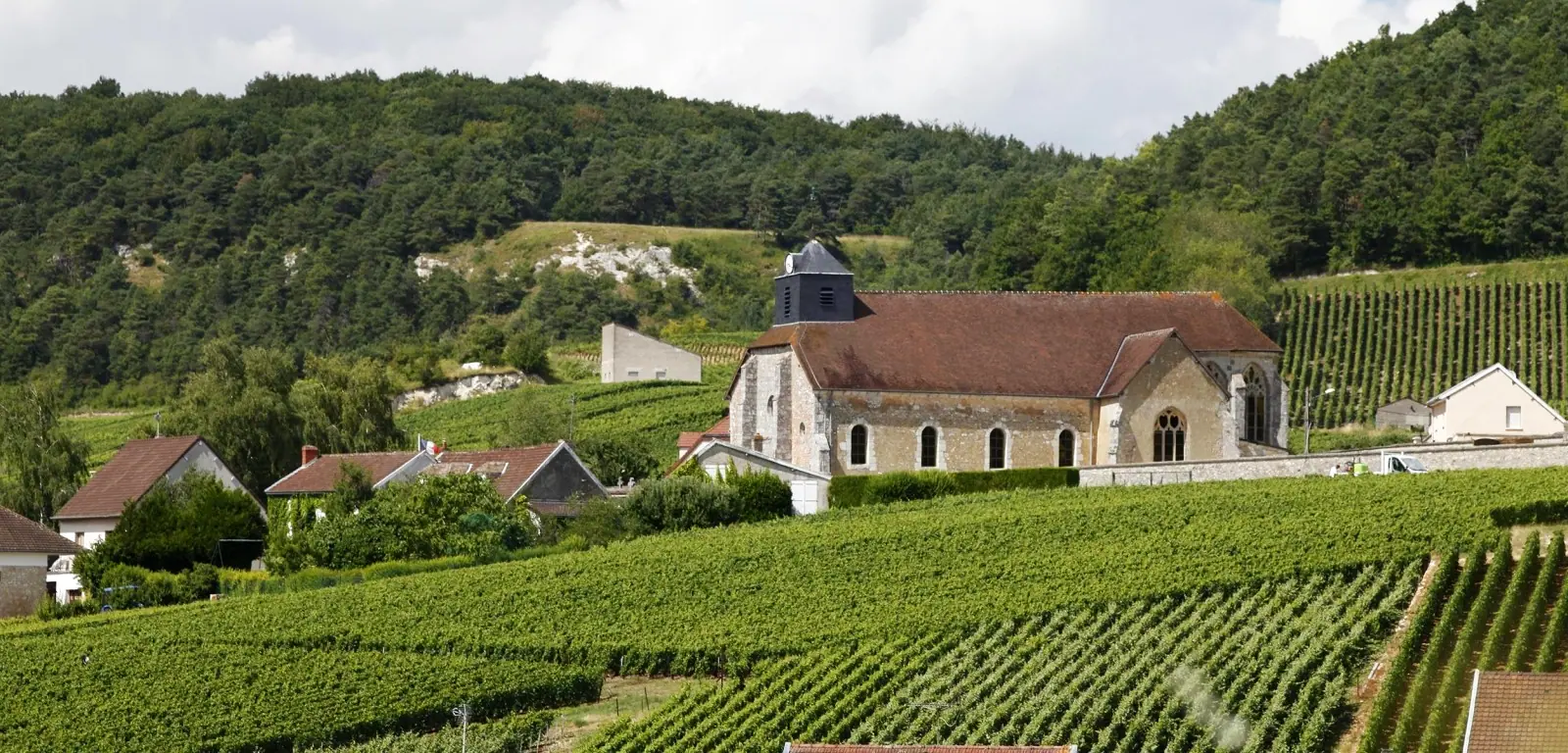
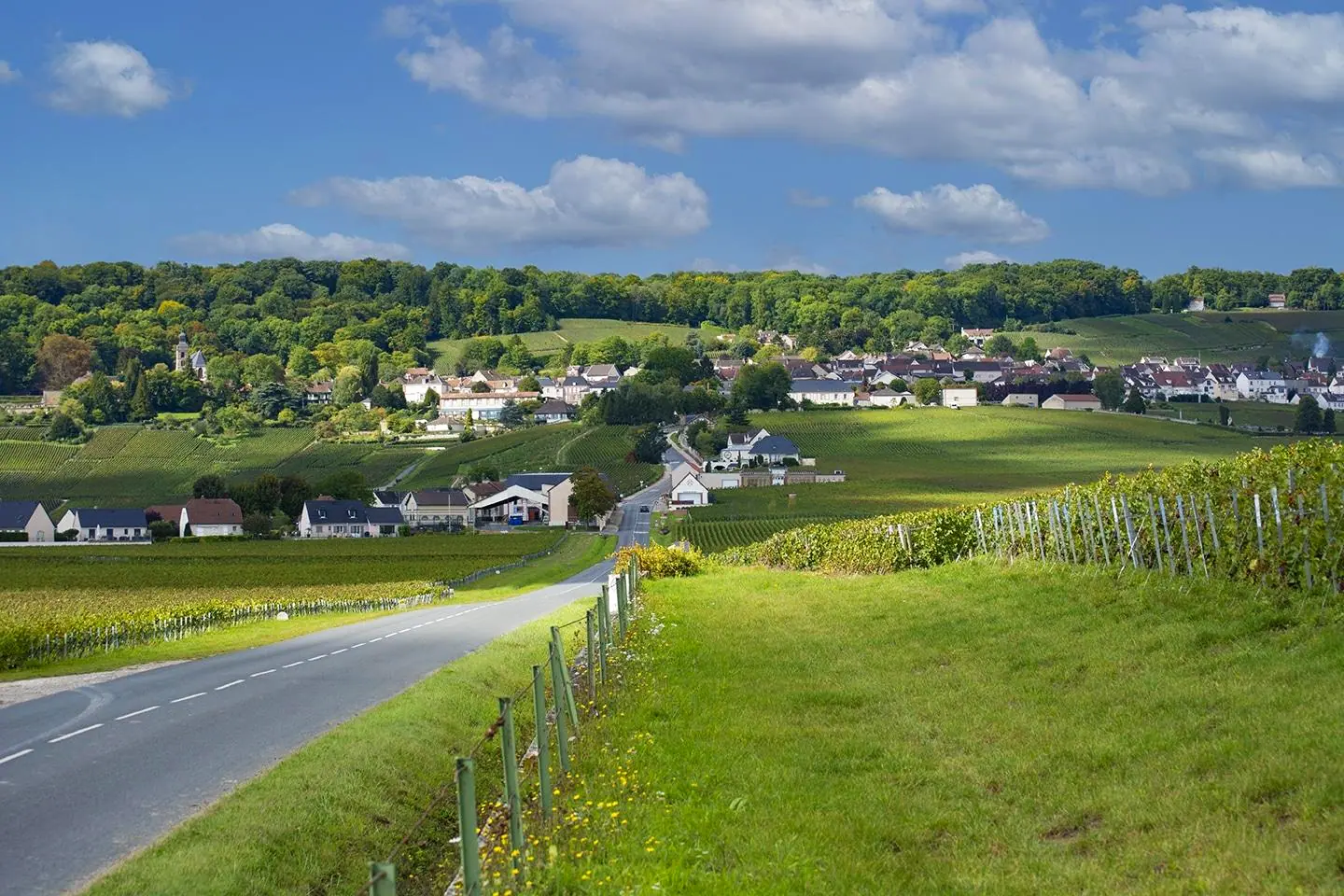
The term "Appellation d'Origine Contrôlée" was introduced in France in 1935 to protect the quality and authenticity of agricultural products. For champagne, the AOC classification means that only sparkling wines produced in the Champagne region of north-eastern France may carry the name. The region covers around 34,000 hectares of vineyards, divided into five main growing areas: the Montagne de Reims, the Vallée de la Marne, the Côte des Blancs, the Côte de Sézanne and the Aube (Côte des Bar).
 Lanson Champagner
02Strict regulations
Champagne is subject to strict production rules laid down in the AOC classification. They cover every aspect of growing, harvesting and winemaking:
Grape varieties
Only certain grape varieties are permitted for making champagne, chiefly Chardonnay, Pinot Noir and Pinot Meunier. Each contributes in its own way to the structure, finesse and aromatics of the finished wine.
Terroir
The concept of terroir lies at the heart of the AOC classification. Terroir refers to the specific environmental conditions in which the grapes are grown, including soil, climate and geographical position. Champagne is known for its cool climate and chalky soils, which give the wines their distinctive minerality and freshness.

Viticultural practices
The AOC rules prescribe certain viticultural practices, including vine density, the method of pruning and the maximum yield per hectare. These measures are meant to keep the quality of the grapes high. For example, the maximum yield for AOC champagne is set at 10,400 kilograms per hectare.
Harvest
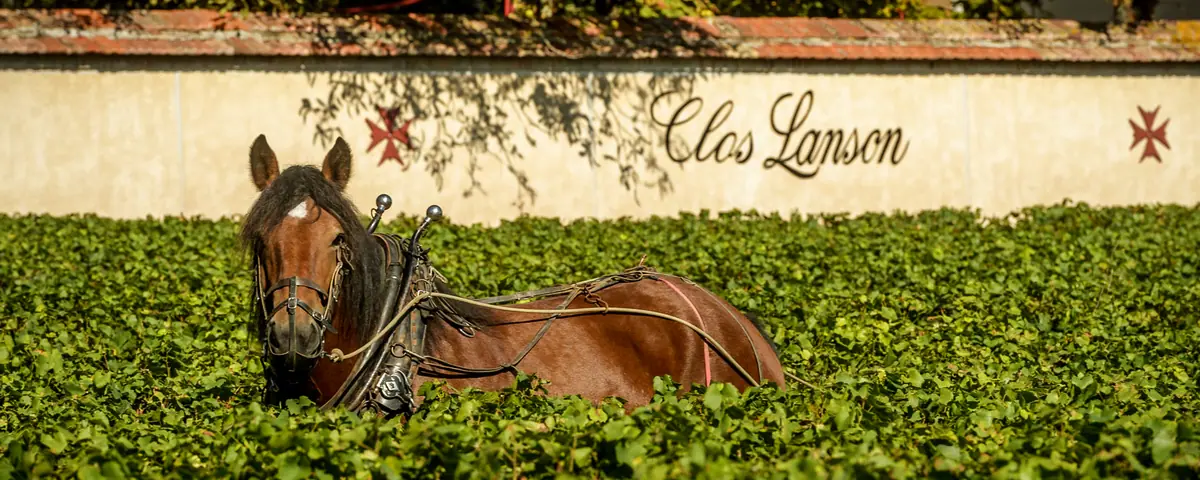
The grapes must be picked by hand, so that only the best fruit is used. The timing of the harvest is strictly controlled and fixed each year, to ensure the grapes have reached optimal ripeness.
Vinification
The vinification of champagne is also governed by strict AOC rules. This includes the méthode champenoise, or traditional method, in which a second fermentation takes place in the bottle. The method is time-consuming and demands a great deal of expertise, but it contributes enormously to champagne's complex flavour profile.
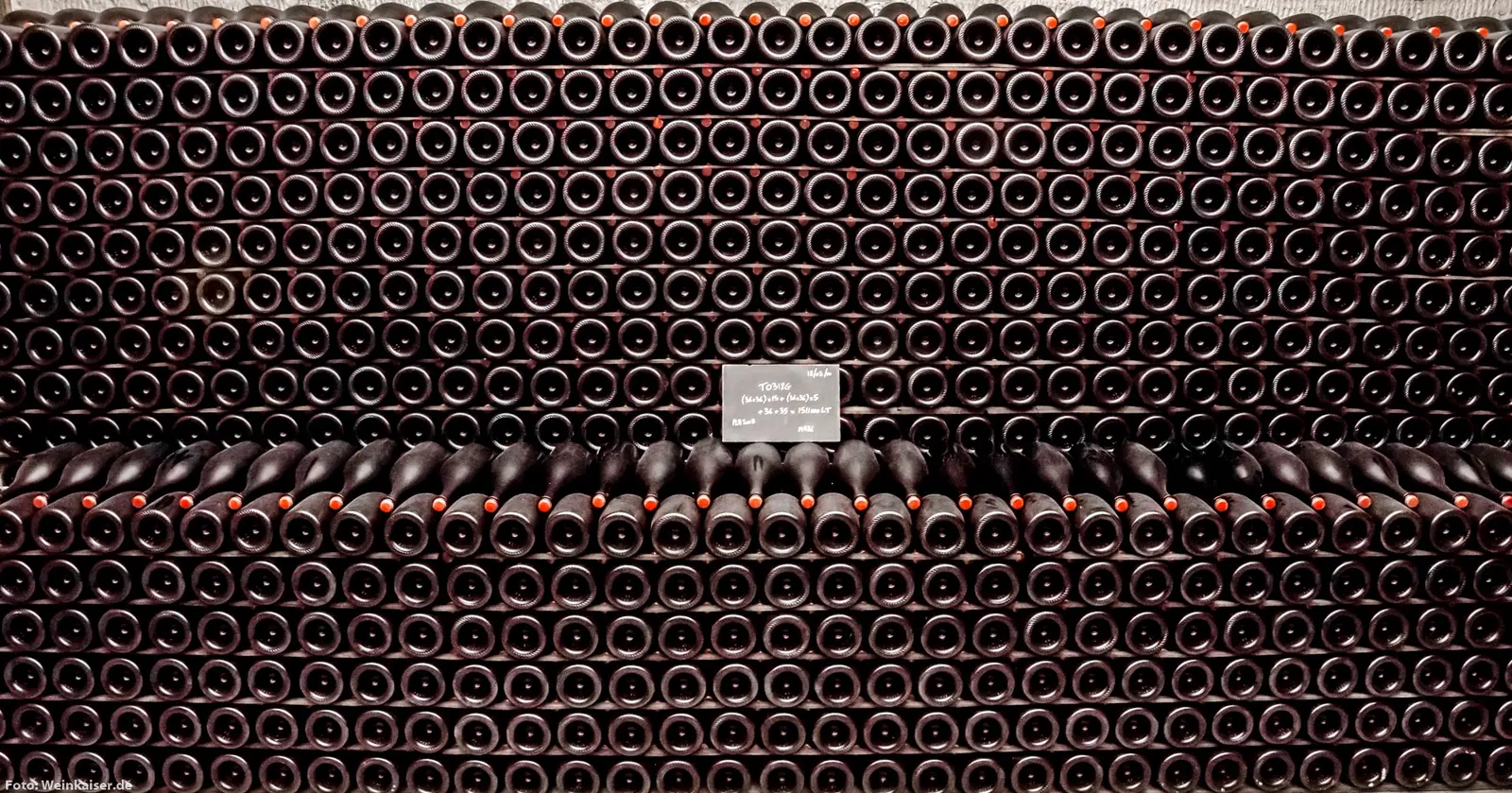
After the first fermentation and the assemblage (the blending of the base wines), the "liqueur de tirage" (a mixture of wine, sugar and yeast) is added to start the second fermentation in the bottle. This second fermentation creates the fine bubbles that are so characteristic of champagne. The wine then ages on its lees for at least 15 months (24 months for vintage champagne) before it is disgorged (the yeast removed) and dosed (the addition of the "liqueur d'expédition", which determines the sweetness of the finished wine).
 INAO
03Quality and authenticity
The AOC system ensures that every champagne bearing the designation is of the highest quality and authentic. This is guaranteed by regular inspections and a rigorous certification process. Every step of production, from vineyard care to bottling, is monitored and must meet AOC standards.
 Champagner Region
04Influence on the market
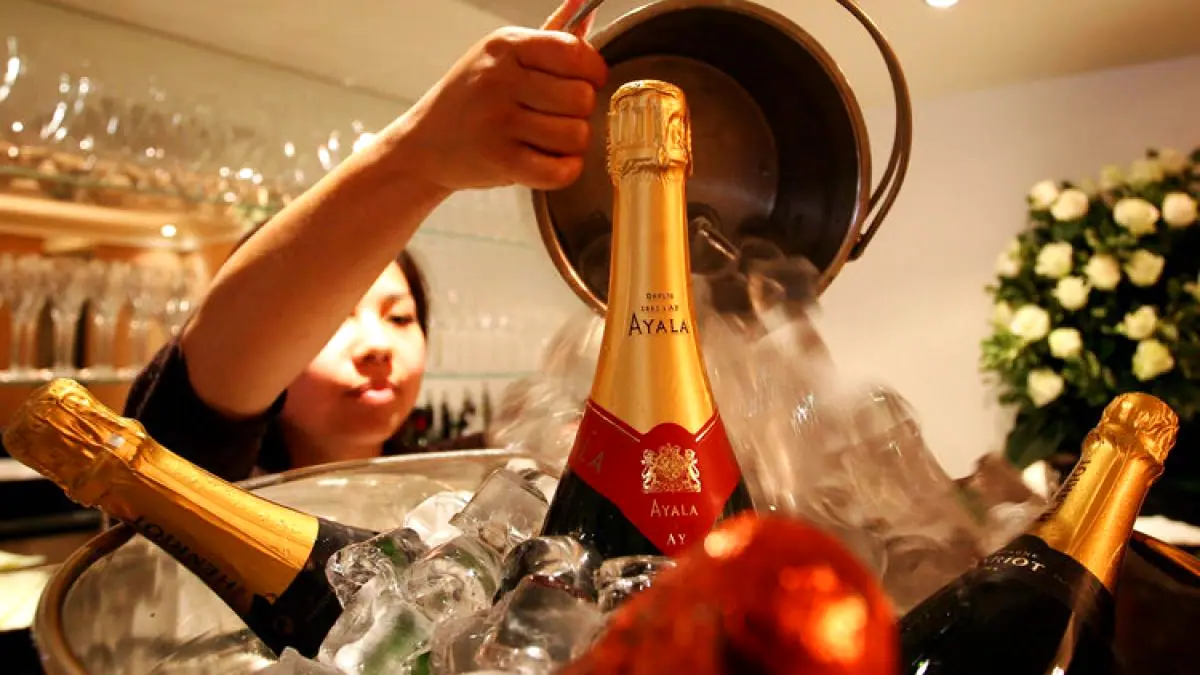
The AOC classification has a considerable influence on the market value and perception of champagne. Thanks to the strict rules and the limited quantities produced, champagne enjoys a high reputation worldwide and is often associated with luxury and celebration. AOC status also protects producers in the Champagne region from imitators and ensures that the name "Champagne" is used only for products that meet the high standards.
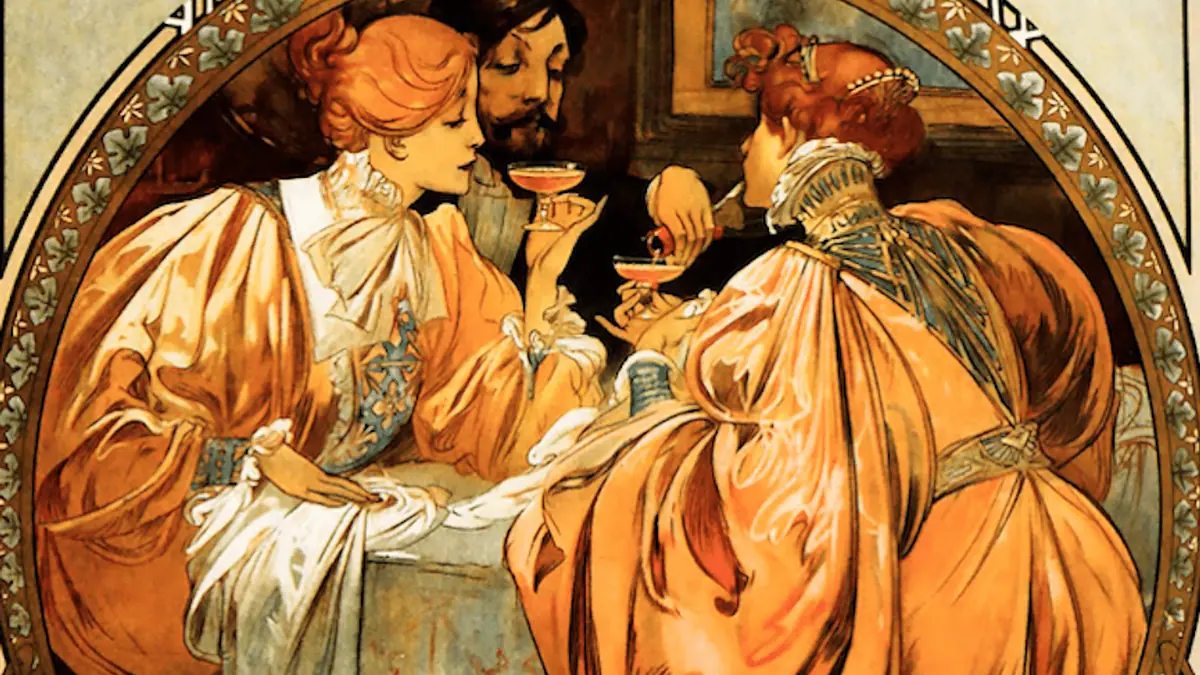 Champagner Historie
05Challenges and the future
The Champagne region and its producers do face challenges, however. Climate change is affecting growing conditions and may, in the long term, affect the quality and quantity of the harvests. Some producers are already experimenting with new grape varieties and growing techniques to adapt to changing climatic conditions.
Despite these challenges, the AOC classification remains a guarantee of quality and authenticity, and the champagne industry is working continually to preserve its traditions while staying innovative enough to meet the demands of the future.
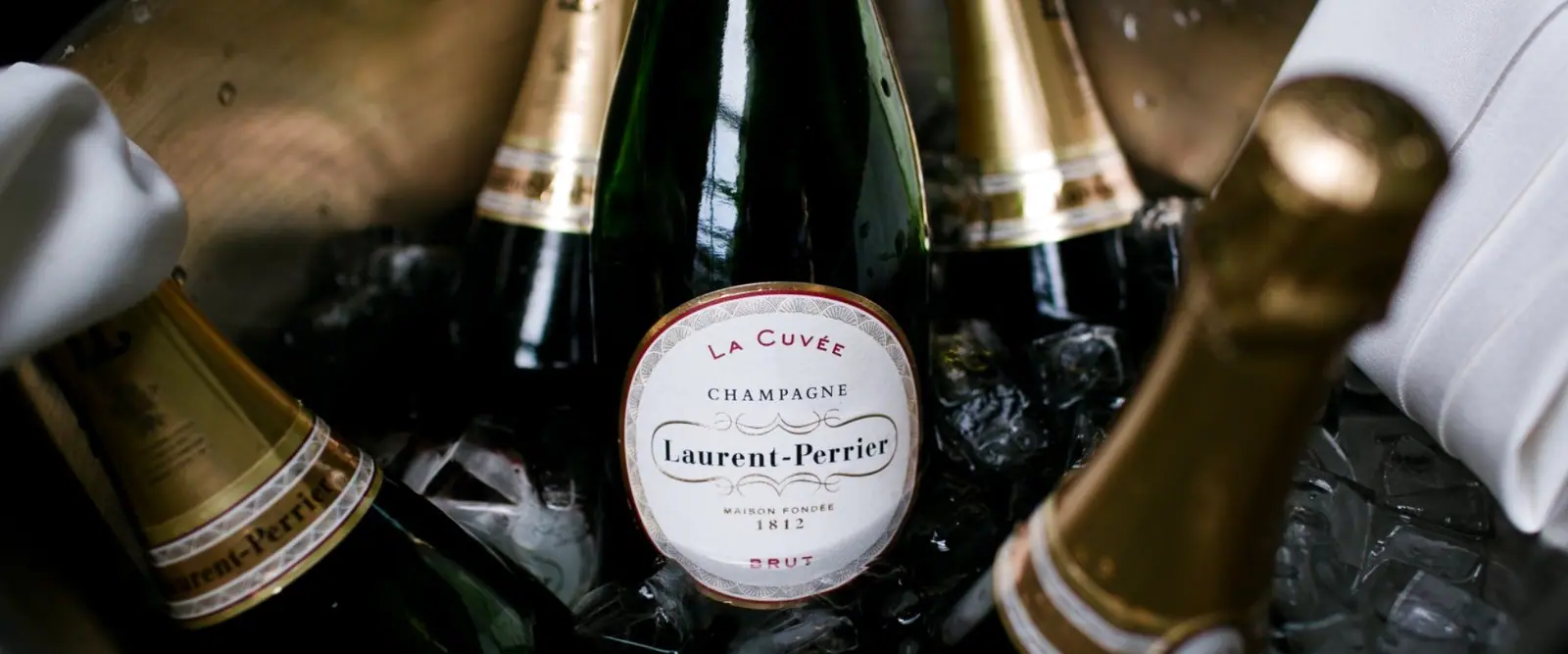
In short, the Appellation d'Origine Contrôlée is an essential part of champagne's identity and quality. It ensures that only sparkling wines made to strict standards in the Champagne region may carry this prestigious name, and so helps to preserve the reputation and exclusivity of champagne worldwide.
Pictures


 0 %
