
- Département
- Marne (Grand Est region)
- Site
- Côte de Sézanne, south of Champagne
- Inhabitants
- 4,576 (as of 1 January 2023)
- Source
- Wikipedia, eigene Zusammenfassung
Sézanne is a small town in the Marne département and gives its name to the Côte de Sézanne, a growing area of Champagne prized above all for its Chardonnay wines.
Location
Sézanne lies in the south of the Marne département, in the Grand Est region. The town is 44 km from Épernay, to which it belongs as an arrondissement, around 60 km from Châlons-en-Champagne, 62 km from Troyes and roughly 117 km from Paris. The Route nationale 4 passes to the north of the town as a bypass. Sézanne has 4,576 inhabitants (as of 1 January 2023) and is regarded as the rural centre of an area of 37 communes. Historically it is often counted as part of the Brie, and old sources also call it "Sézanne-en-Brie".
Viticulture on the Côte de Sézanne
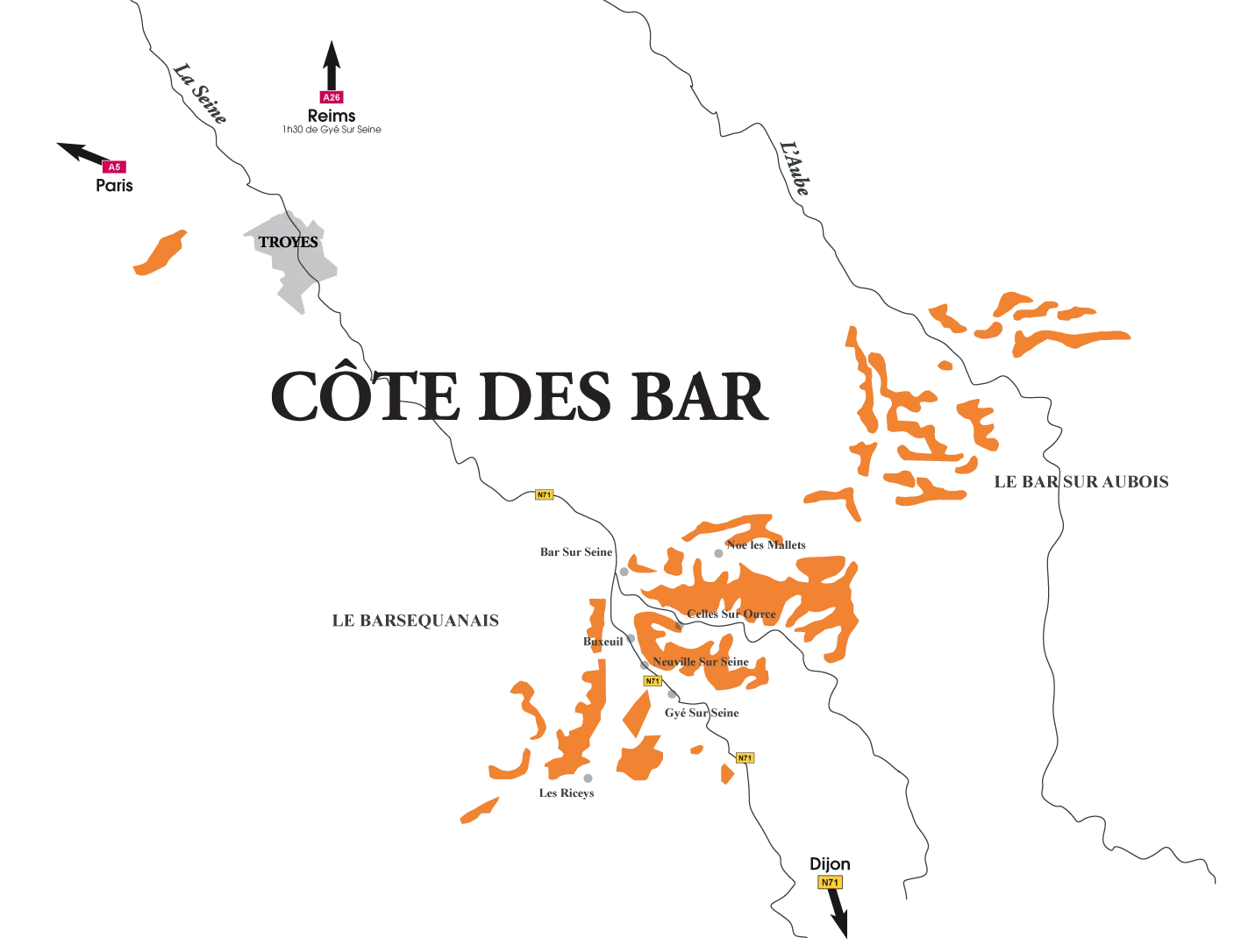
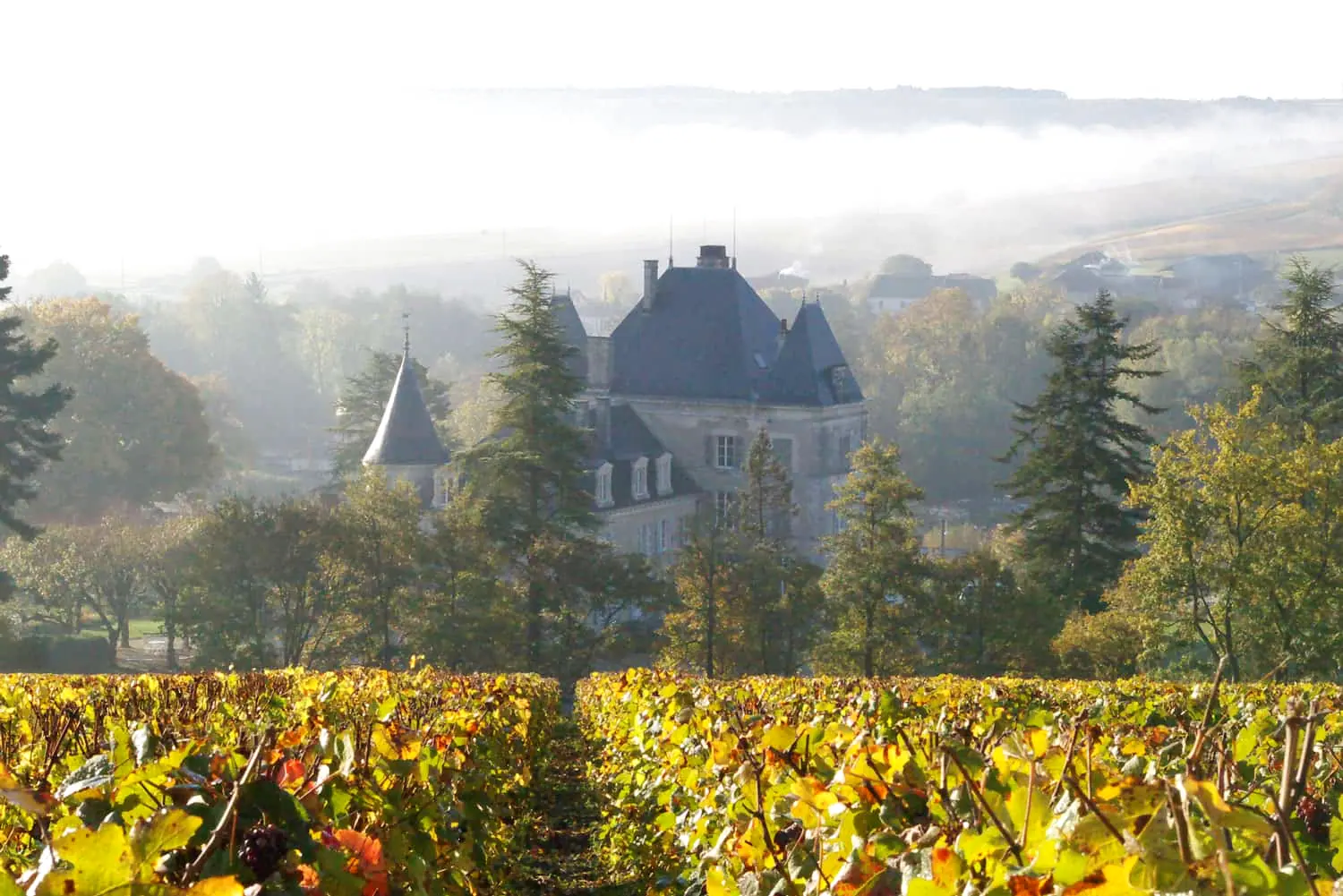
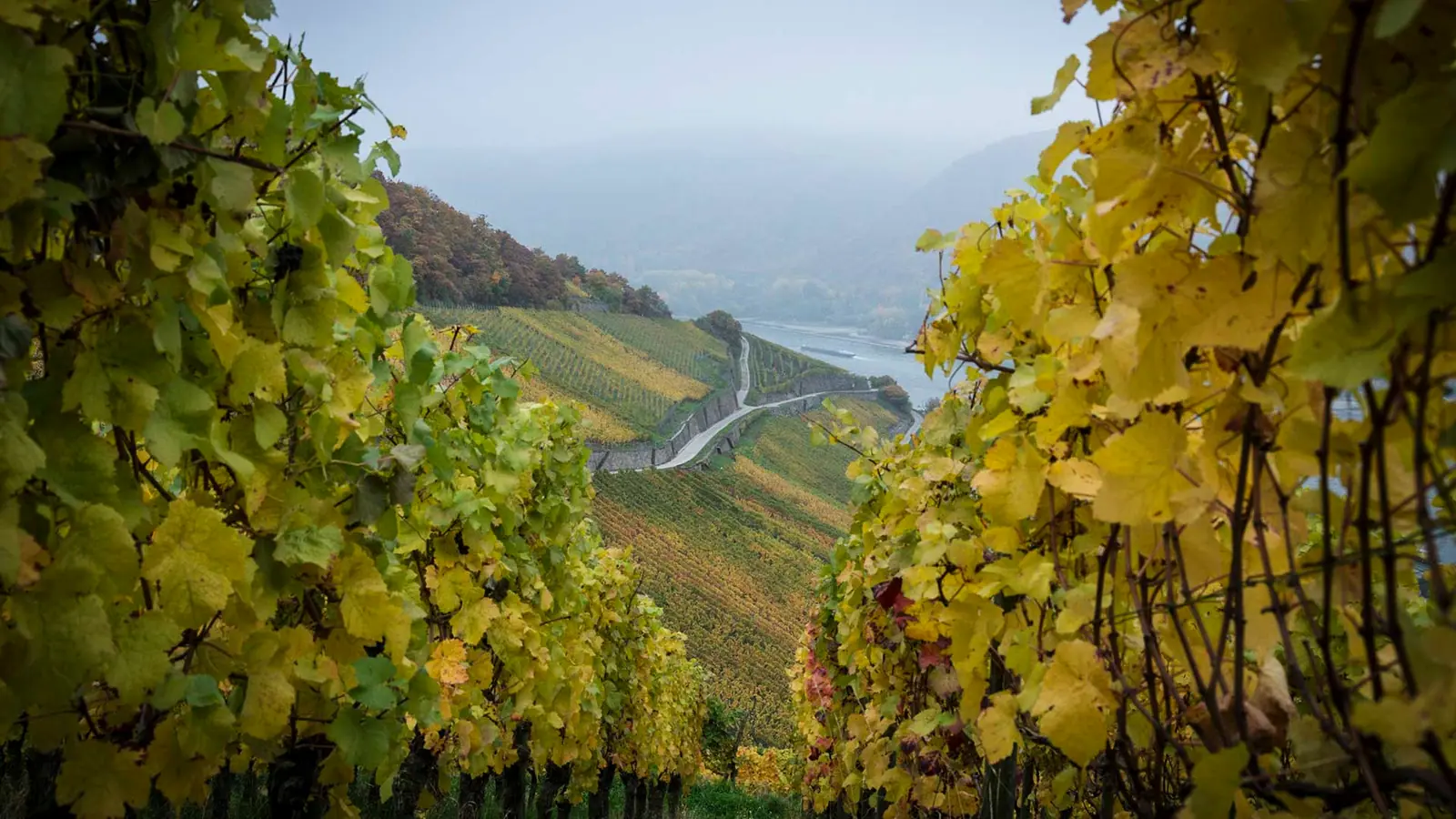
The town gives the Côte de Sézanne its name. It forms one sector of the Côte de l'Île-de-France, the innermost cuesta of the Paris Basin. Up on the escarpment, at around 214 m, there is forest. To the east the slopes fall away to around 104 m, and that is where the vines stand. Sézanne itself sits in a basin in the middle of these vineyards. In Champagne the Côte de Sézanne is best known as Chardonnay country. The commune has no grand cru or premier cru status, but its wines are considered fresh and approachable.
The figures on land use show that viticulture is only one part of the picture here: in 2018, 10.5% of the commune's area was given over to permanent crops, 46.1% to arable land and 21.3% to forest.
Sézanne has 4,576 inhabitants (as of 1 January 2023) and is regarded as the rural centre of an area of 37 communes.
History
The area was already settled in antiquity. Archaeologists have found a Roman villa that was in use from the 2nd to the 4th century, as well as a Merovingian necropolis. In the Middle Ages the town grew around two suburbs, among them the merchants' quarter of Faubourg Notre-Dame. Street names such as rue des Lombards and rue de la Juiverie recall the medieval fairs, at which money-lending played a major role.
The town also went through hard times: in 1230 Count Thibaut of Champagne had it burned down, fearing that the poorly fortified town might fall into enemy hands. In 1424 it surrendered to English besiegers. On 20 May 1632 a great fire destroyed large parts of the town. Under the Ancien Régime Sézanne was the seat of a bailli.
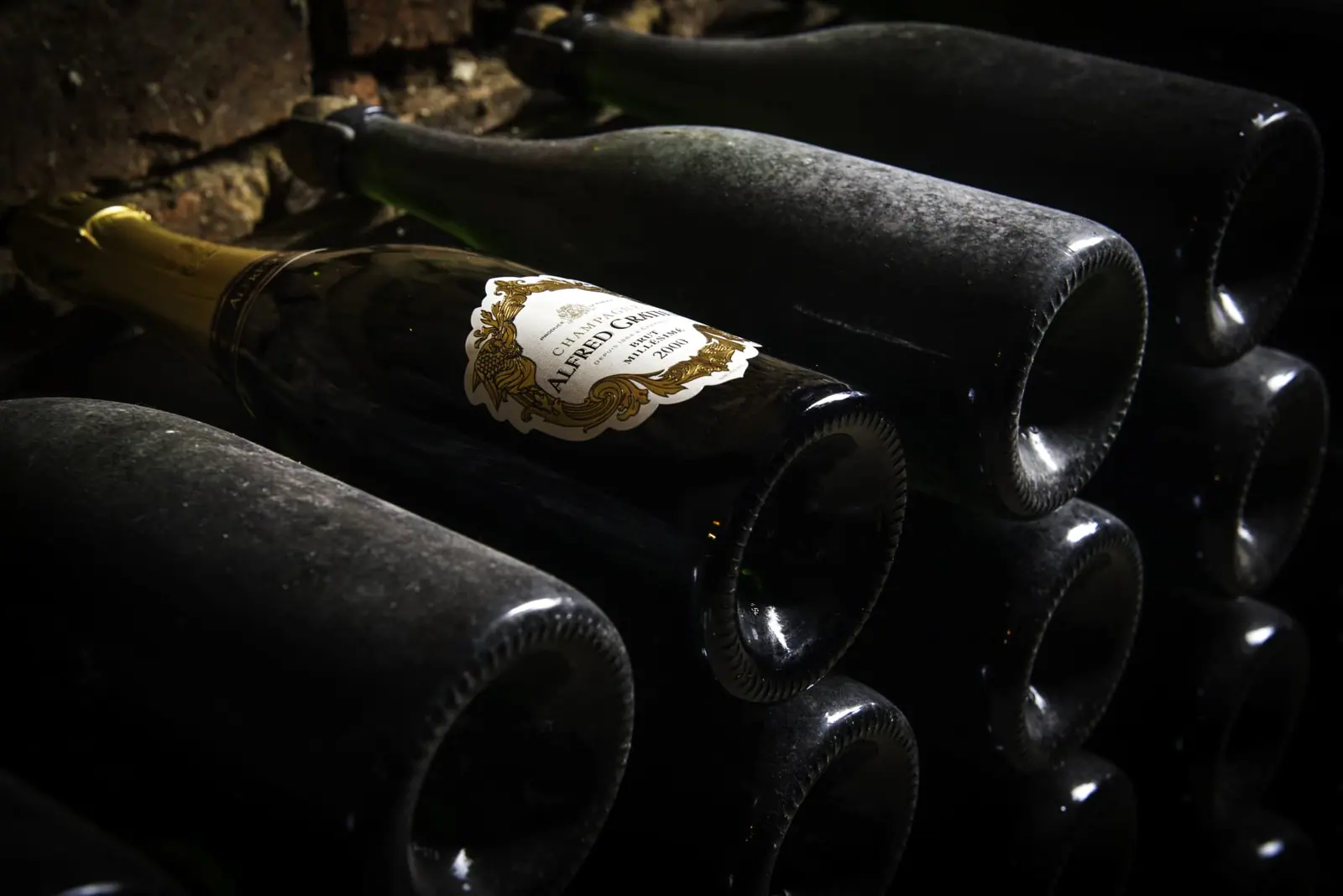
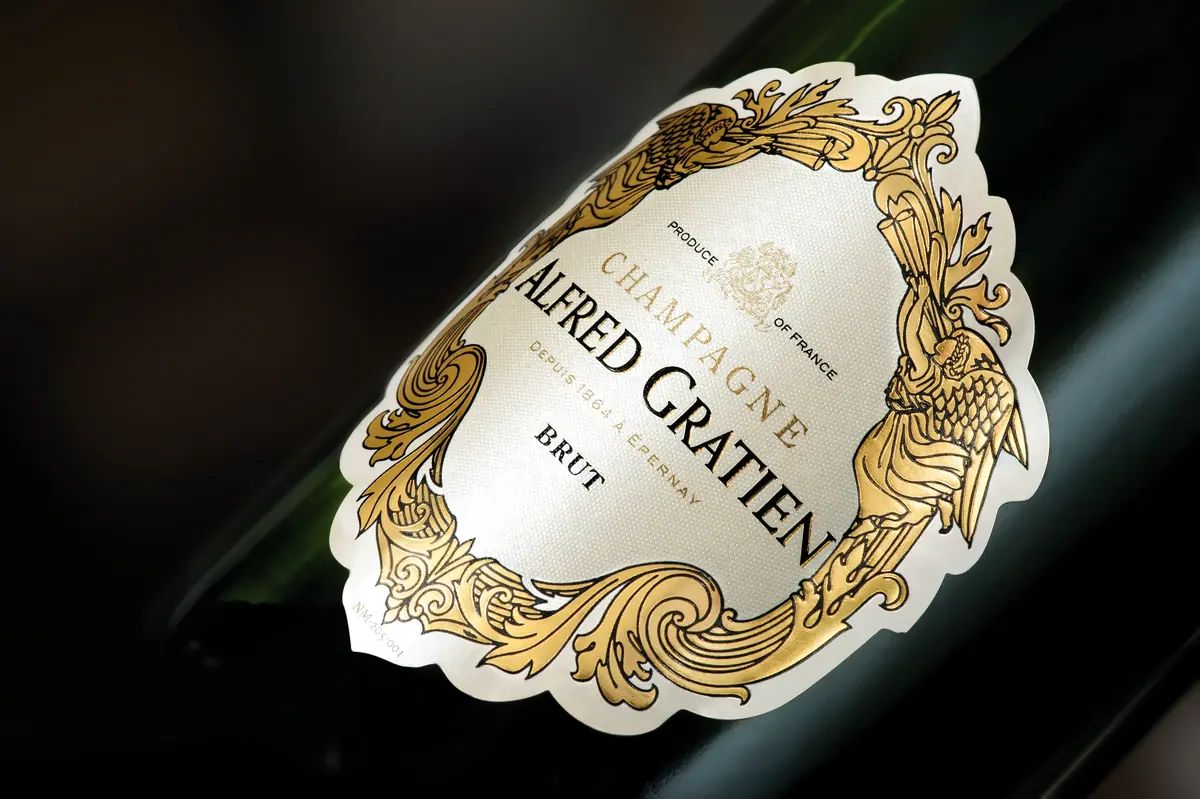 Alfred Gratien Champagnerflasche
A vine from the Palaeocene
Something special for wine lovers: in the 19th century fossil plants from the Palaeocene, more precisely the Thanetian, were found in the tufas of Sézanne. Gaston de Saporta described this flora, which comprises 65 species. Among them is a vine known as Vitis sezannensis. It has nothing to do with today's champagne grapes, but it shows just how old the link between this landscape and the vine may be.
Sights and things worth knowing
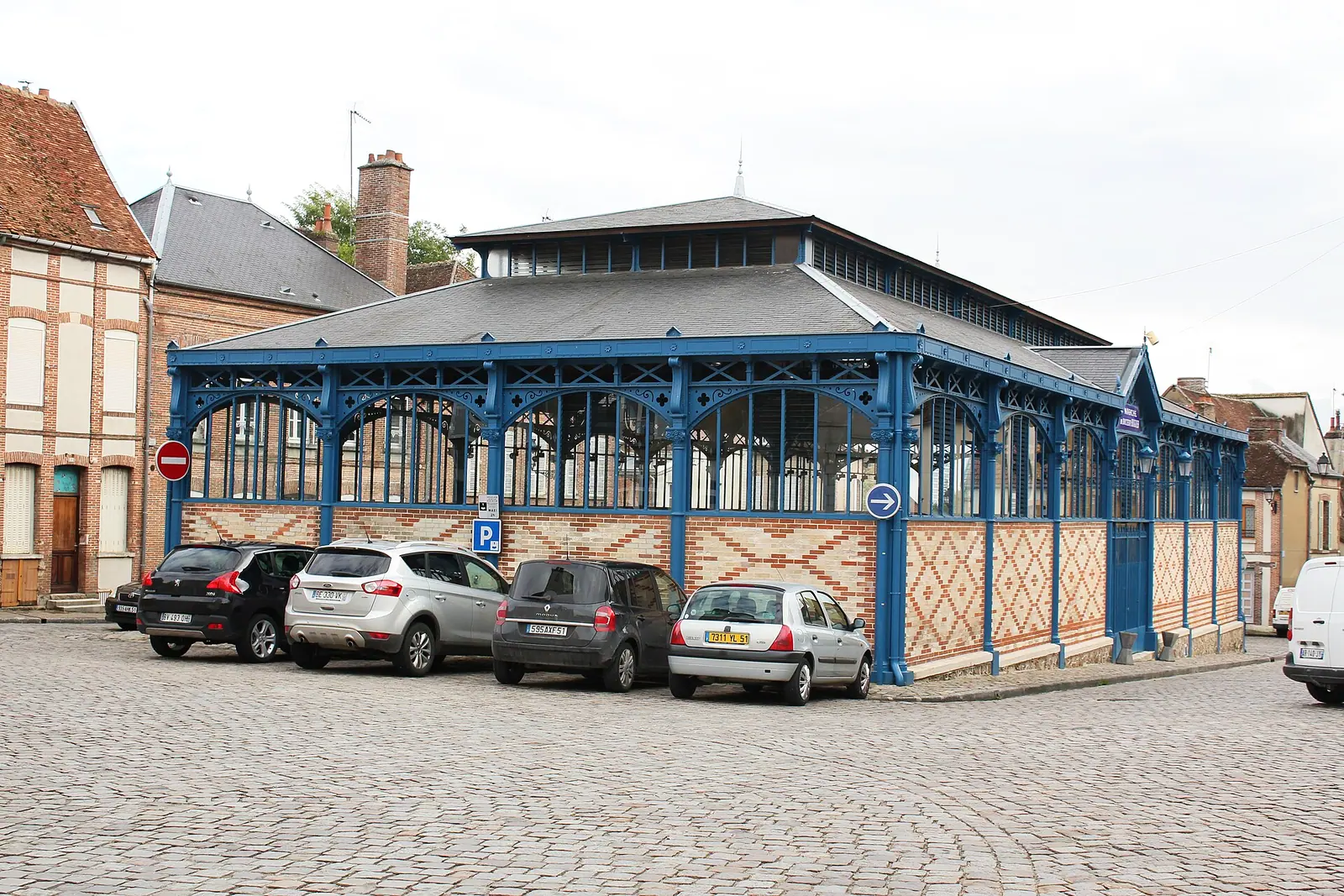
- The church of Saint-Denis, the town's main sight
- The old town, with street names that recall the medieval fairs
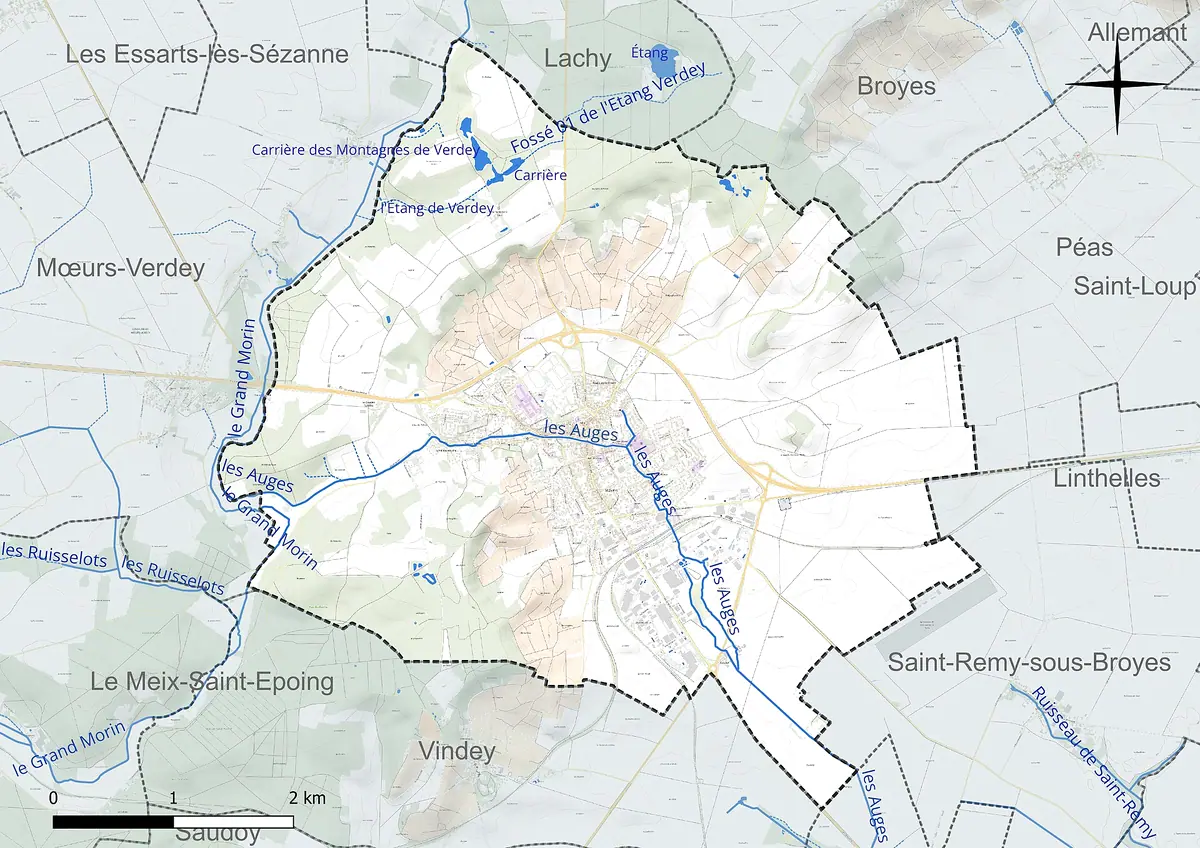
- The stream Auges, which monks once dug as a diversion from the Grand Morin to supply the town with water
- Twin towns: Malsch in Germany (since 1967) and Spalding in England
Among the well-known figures is the nun Léonie Aviat, who was canonised in 2001. If you would like to get to know Champagne away from the big names, Sézanne makes a good starting point for tours through the south-western vineyards.
Pictures



 0 %
