
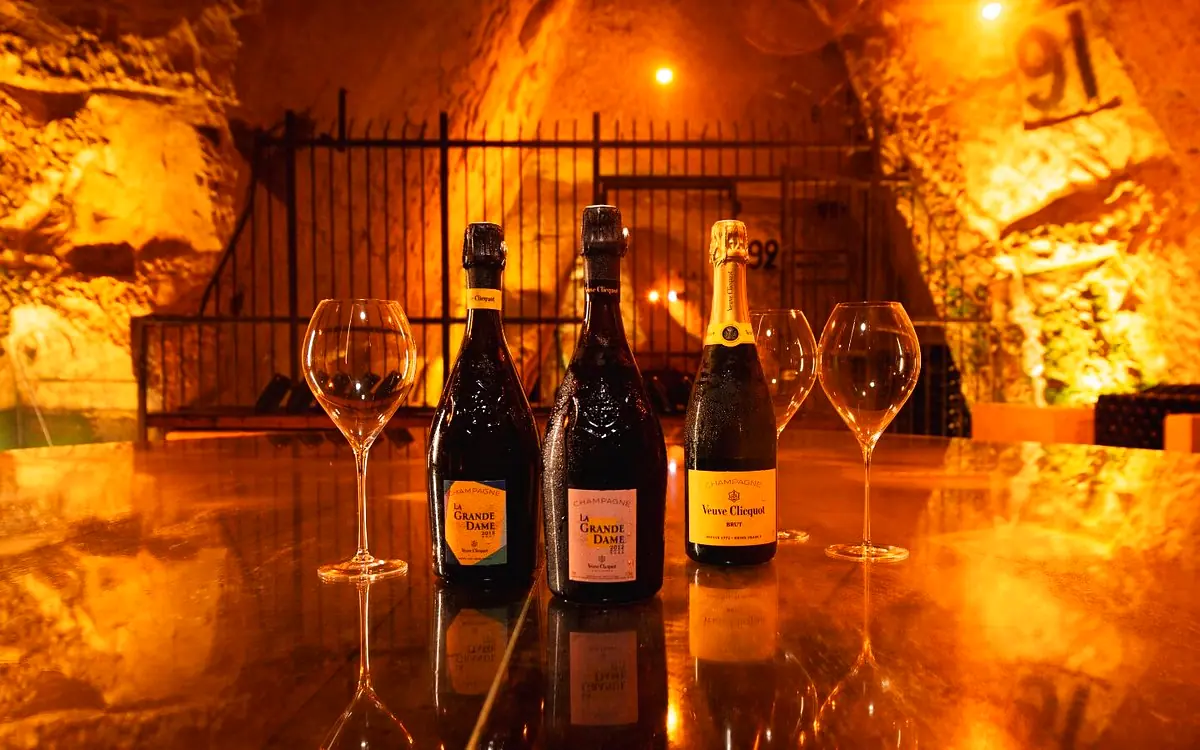
Balance describes the harmonious interplay of acidity, sweetness, bitterness and mousse, in which no single quality dominates. The cuvée, lees ageing and dosage all contribute to it.
Balance in champagne: a guide to harmony of flavour and structure
Champagne, the sparkling symbol of luxury and celebration, is far more than just a bubbly drink. Balance is a decisive element that defines its quality and complexity. But what do we mean when we talk about “balance” in champagne, and how does it shape the pleasure of drinking it?
1. What balance means
Balance in champagne refers to the harmonious interplay of its various flavour and structural components. A balanced champagne is one in which no single quality dominates. Instead, acidity, sweetness, bitterness and the mousse work together in perfect harmony. This balance is crucial to the tasting experience and determines how pleasant and harmonious the champagne feels on the palate.
2. The role of acidity
Acidity is a central component of every champagne and contributes enormously to its balance. It brings freshness and vivacity, and can support the intensity and complexity of the aromas. In a well-balanced champagne the acidity is well integrated and underlines the freshness without being overwhelming or sharp. The right amount of acidity also helps to offset the sweetness of the champagne, creating a harmonious and appealing balance of flavour.
3. The influence of sweetness
The sweetness of a champagne is usually determined by the dosage, in which a mixture of wine and sugar is added to the champagne. The dosage has a considerable effect on the taste and texture. A champagne can range from “Brut” (very dry) to “Demi-Sec” (lightly sweet). A balanced champagne has just the right amount of sweetness to soften the acidity and round off the flavour, without upsetting the overall balance.
4. The importance of the mousse
The mousse, the fine bubbles in champagne, also plays an important part in balance. A fine, persistent mousse contributes to texture and mouthfeel and can influence how acidity and sweetness are perceived. A good mousse makes for an elegant, pleasant drinking experience and supports the balance of the aromas in the champagne.
 Binet Champagner stamp
5. The effect of the cuvée
The cuvée, the blend of different grape varieties, vintages and vineyard sites, is another factor that shapes balance in champagne. Most champagnes are made from a combination of Pinot Noir, Pinot Meunier and Chardonnay, and each variety brings its own character to the whole. Pinot Noir contributes structure and depth, Pinot Meunier adds fruitiness and approachability, while Chardonnay provides freshness and elegance. The champagne maker's art lies in blending these components so that a harmonious balance emerges.
6. Ageing and its role
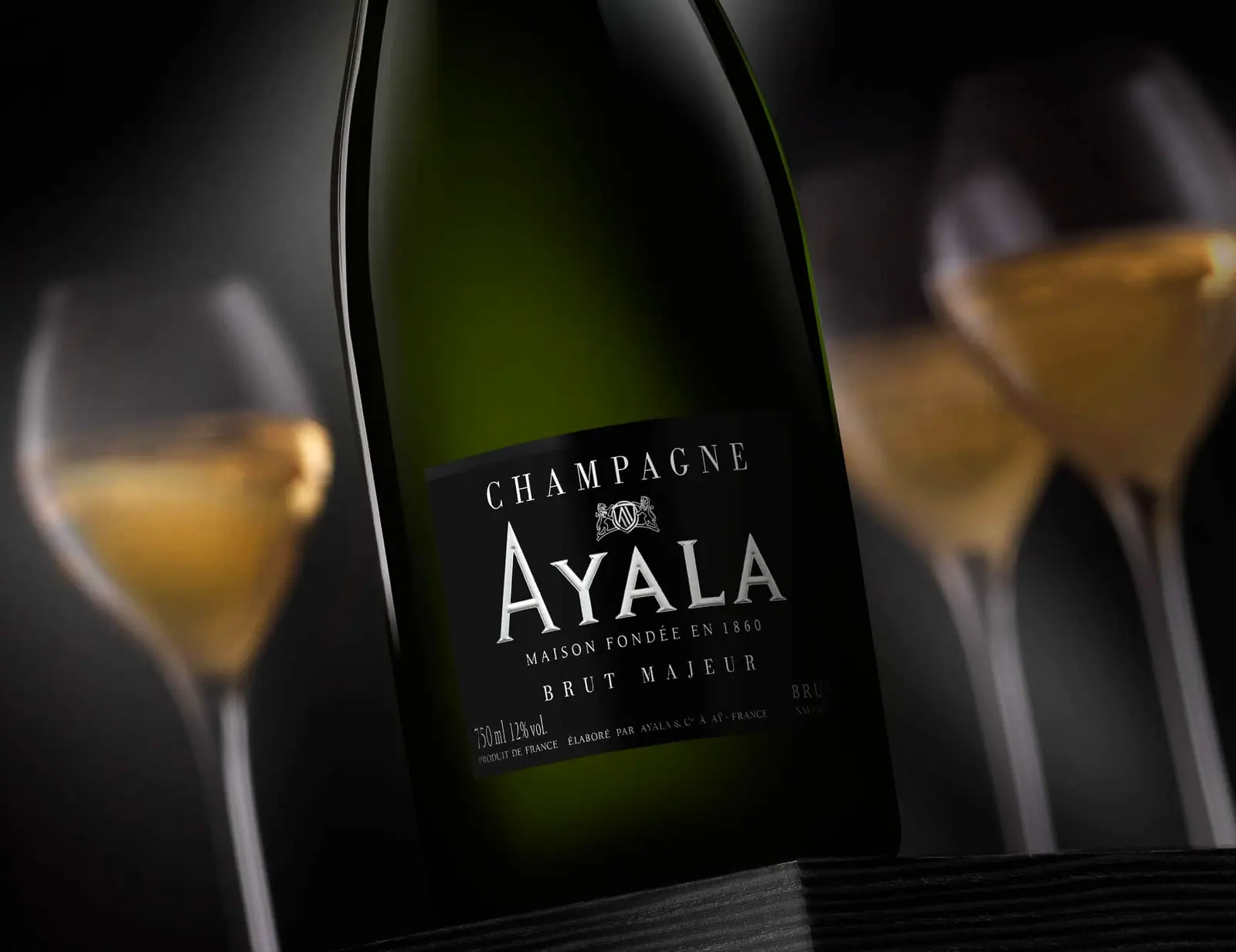
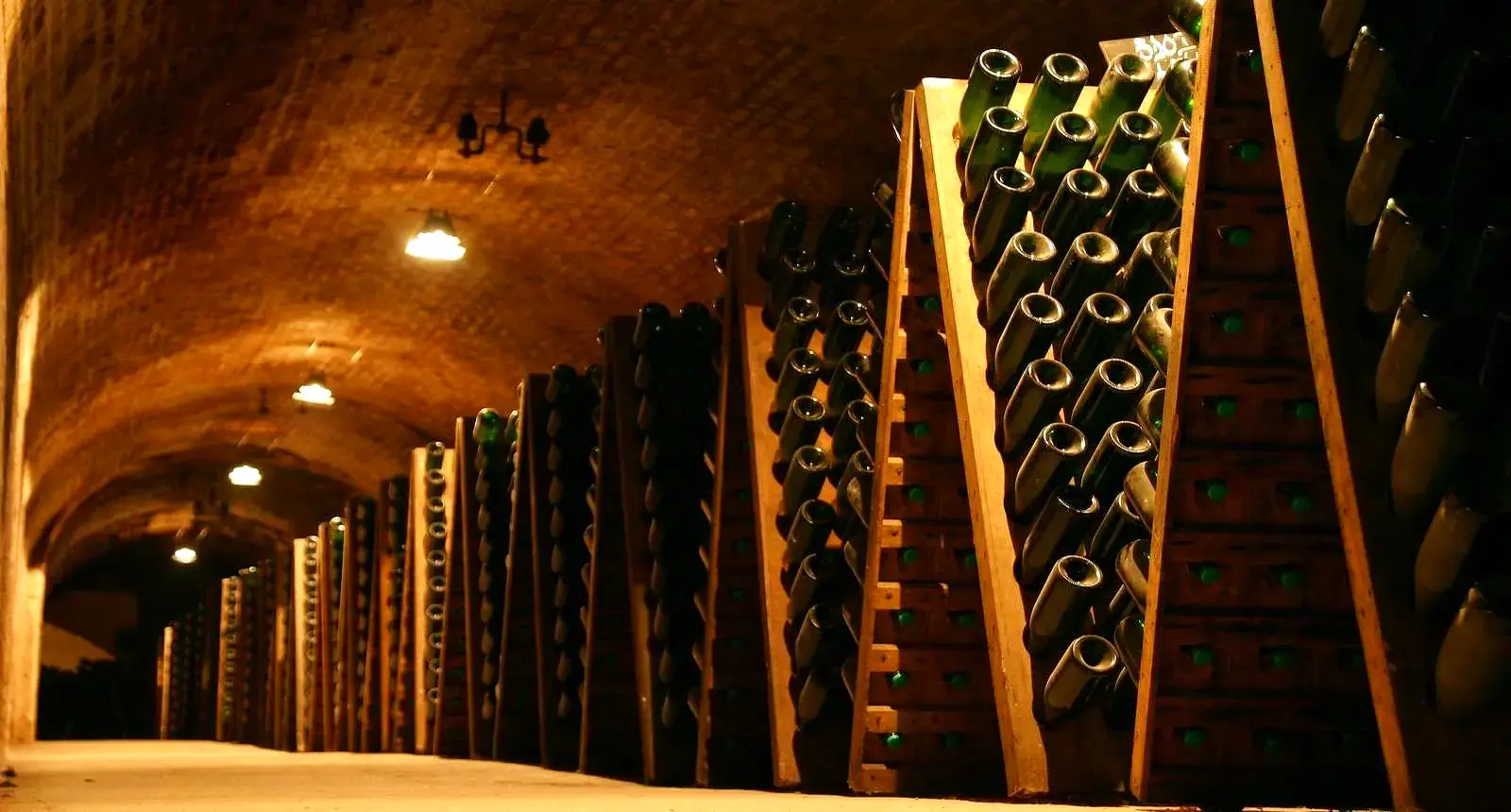
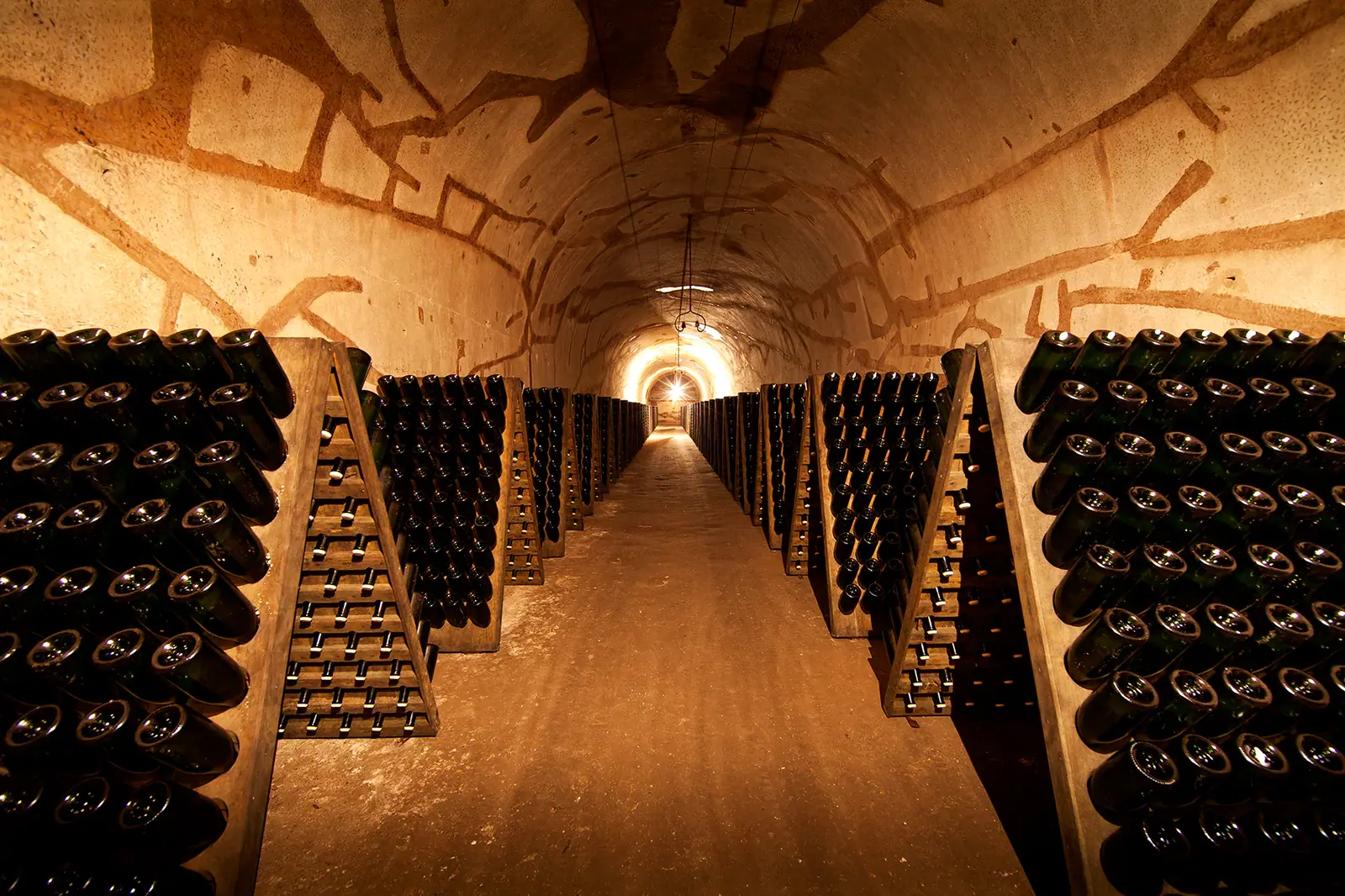
Ageing on the lees, known as “sur lie”, is another important aspect of balance in champagne. During this phase the champagne develops complex aromas and a deeper structure. The yeast gives the champagne additional texture and flavour components that contribute to its balance. A well-aged champagne often shows a finer mousse and greater complexity, which improves the overall balance further.
But what do we mean when we talk about “balance” in champagne, and how does it shape the pleasure of drinking it?1.
7. The influence of the dosage
The dosage, the addition of sugar and wine before the bottle is finally corked, also affects balance. It is at the dosage stage that the decision is made on how sweet or dry the champagne will finally be. A well-judged ratio of sugar to acidity is essential for a harmonious tasting experience.
8. The role of the producer
The producer plays a decisive role in creating a balanced champagne. Through careful selection of the grapes, precise control of fermentation and skilful dosage, the grower can fine-tune the champagne's balance to perfection. Every step of the production process influences the final balance, and the producer's knowledge and experience are decisive for the quality of the finished wine.

9. How balance is perceived
How balance in champagne is perceived can be subjective and depends on the personal preferences of the drinker. Some prefer a champagne with more sweetness and less acidity, while others value pronounced freshness and vivacity. Even so, there are generally accepted criteria for balance that should be taken into account when judging a champagne.
10. Conclusion
Balance is a central concept in champagne and has a major influence on the quality and enjoyment of the wine. It covers the harmonious integration of acidity, sweetness, mousse and cuvée, as well as the effects of ageing and dosage. A balanced champagne offers a complex and pleasing tasting experience in which the various components come together perfectly. The champagne maker's art lies in achieving this balance and presenting the drinker with a wine of exceptional quality.
Pictures


 0 %
