

Bottle pressure is the pressure generated by the carbon dioxide of the second fermentation inside the sealed bottle. In champagne it typically lies between 5 and 6 bar and is responsible for the bubbles and the fizz.
Bottle pressure is a central element in the making and quality of champagne
This pressure, created by the carbon dioxide in the champagne, is decisive for the fizz and for the taste experience of the finished wine. Here is a closer look at the subject:
Where bottle pressure comes from
Champagne gets its characteristic pressure from the second fermentation, which takes place in the bottle. The process begins once the base wine (the product of the first fermentation) has been filled into the bottle and given a mixture of sugar and yeast (liqueur de tirage). Adding this mixture activates the yeast, which starts to convert sugar into alcohol and carbon dioxide. The carbon dioxide cannot escape because the bottle is sealed, so it dissolves in the champagne, and that is what produces the typical pressure.

Measuring bottle pressure
Bottle pressure is normally measured in bar, where one bar corresponds roughly to atmospheric pressure at sea level. In champagne production, the pressure inside a bottle typically lies between 5 and 6 bar. For comparison, an ordinary fizzy soft drink sits at around 2 to 3 bar. The higher pressure in champagne comes from the intensive fermentation and the amount of dissolved carbon dioxide.
Why bottle pressure matters
Bottle pressure is not only a hallmark of champagne, it also affects its quality and the pleasure of drinking it. The pressure is behind the fine bubbles and the pleasant prickle on the palate, which is regarded as a sign of a high-quality champagne. Too little pressure can leave the champagne tasting dull and flat, while too much brings the risk of the bottle bursting on opening, or of the champagne foaming up so much that it becomes undrinkable.
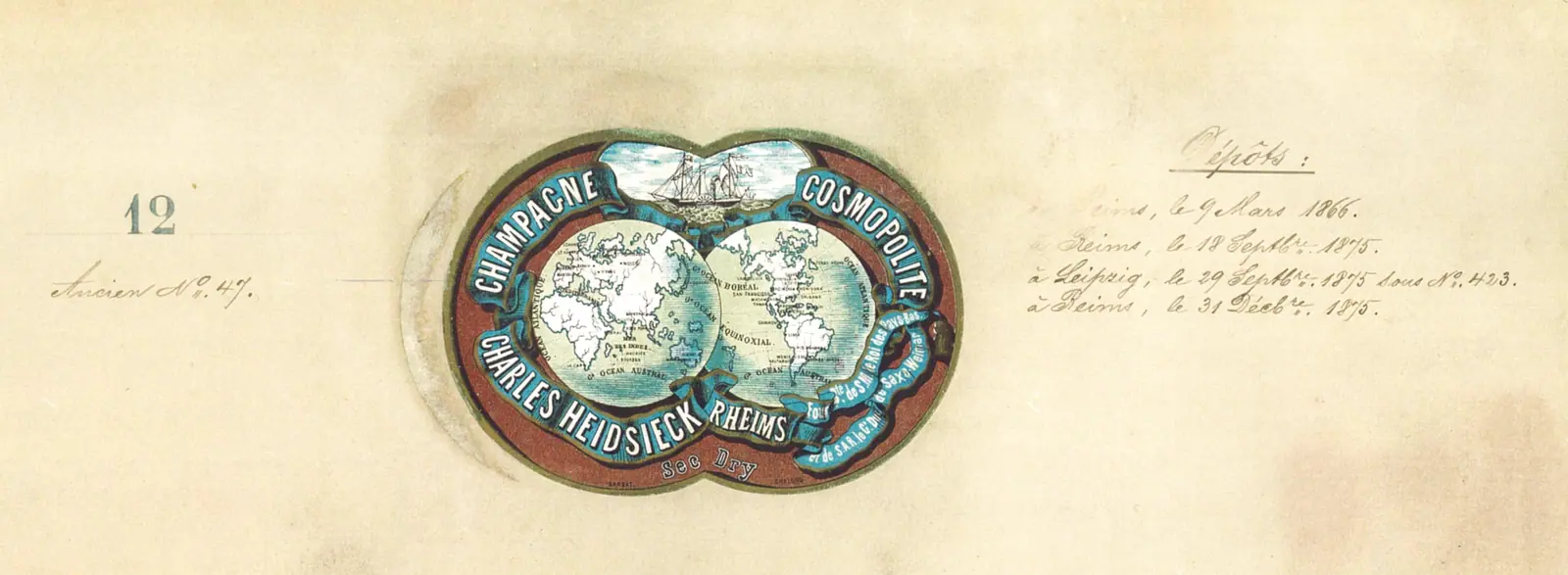
 Beaumont des Crayeres Champagner Historie
How ageing affects bottle pressure
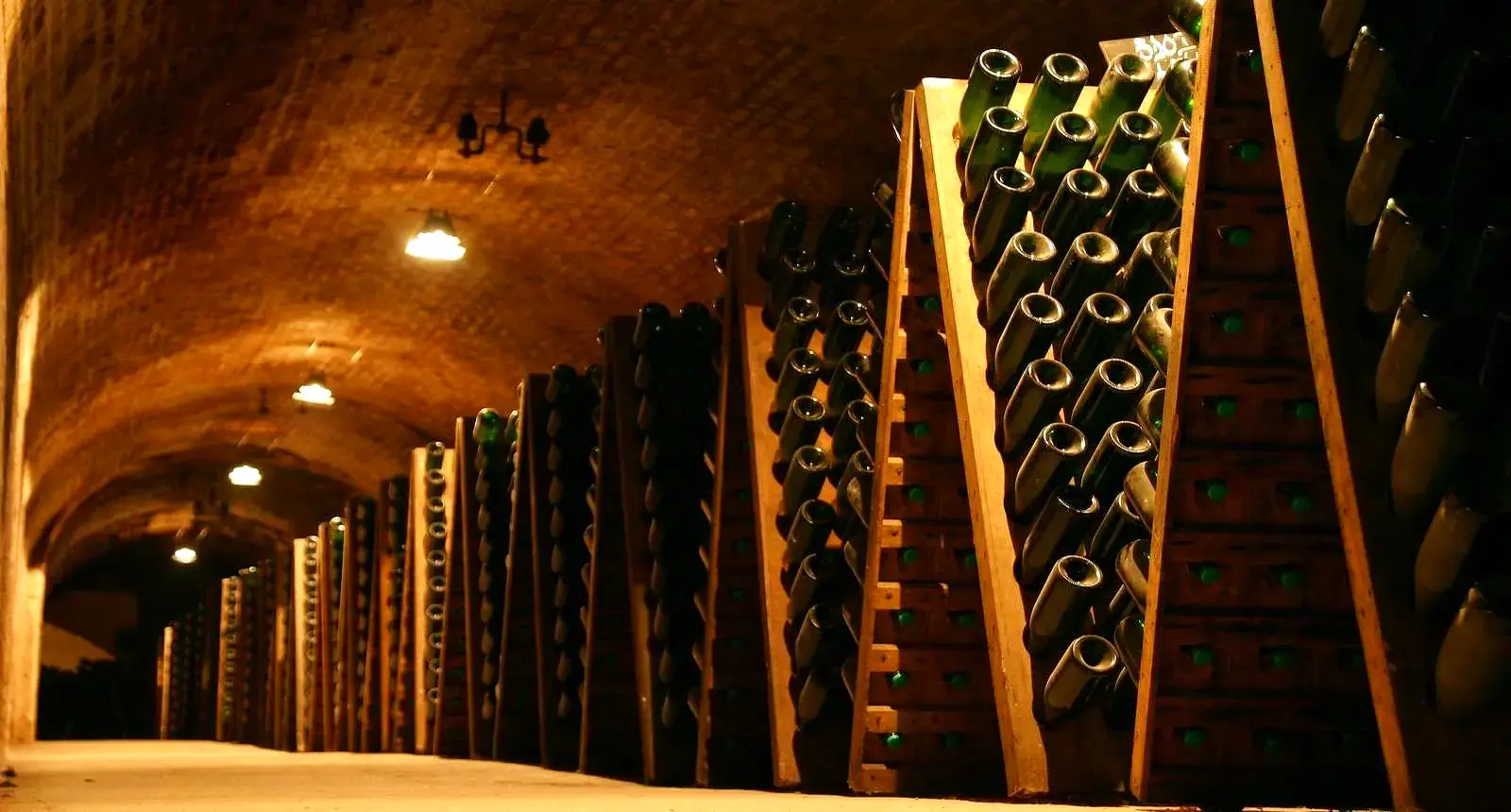
The length of bottle ageing also has an influence on the pressure. During ageing on the lees (the time the wine spends resting on the yeast after the second fermentation), the yeast continues to produce carbon dioxide. The pressure therefore rises over time, which can improve the complexity and texture of the champagne. Ageing for too long, however, can lead to excessive pressure, which is why the bottles have to be checked regularly to maintain the right balance.
Problems and challenges
Various problems can affect bottle pressure during champagne production. A common one is the risk of bottles bursting, which arises when the pressure inside becomes too high. This can be caused by improper storage or by faulty closures. Another challenge is keeping the pressure consistent across the different bottles of a vintage, which demands precise control and careful handling throughout production.
In champagne production, the pressure inside a bottle typically lies between 5 and 6 bar.
Technological developments
Champagne producers have developed various technologies to control bottle pressure precisely. Modern machinery and techniques allow the pressure to be measured and regulated more accurately during production. These include automated dosing systems for the liqueur de tirage, precise temperature control during ageing, and special filling techniques that keep the pressure in the bottle constant.
Bottle pressure in practice
In practice, for the person drinking it, bottle pressure above all means that the champagne has the fizz and texture you want. Well-controlled pressure gives an even stream of bubbles that unfolds elegantly in the glass. When the bottle is opened, the pressure can produce the characteristic pop, often seen as a symbol of celebration and special occasions.

In short
Bottle pressure is an essential part of the champagne-making process and plays a decisive role in the quality and taste of the finished wine. From the second fermentation through ageing and finally to the glass, the pressure shapes every step and helps the champagne develop its unique fizz and aroma. Precise control of bottle pressure is therefore of the utmost importance in producing a high-quality champagne.
Pictures








 0 %
