
- Département
- Aube (Grand Est region)
- Site
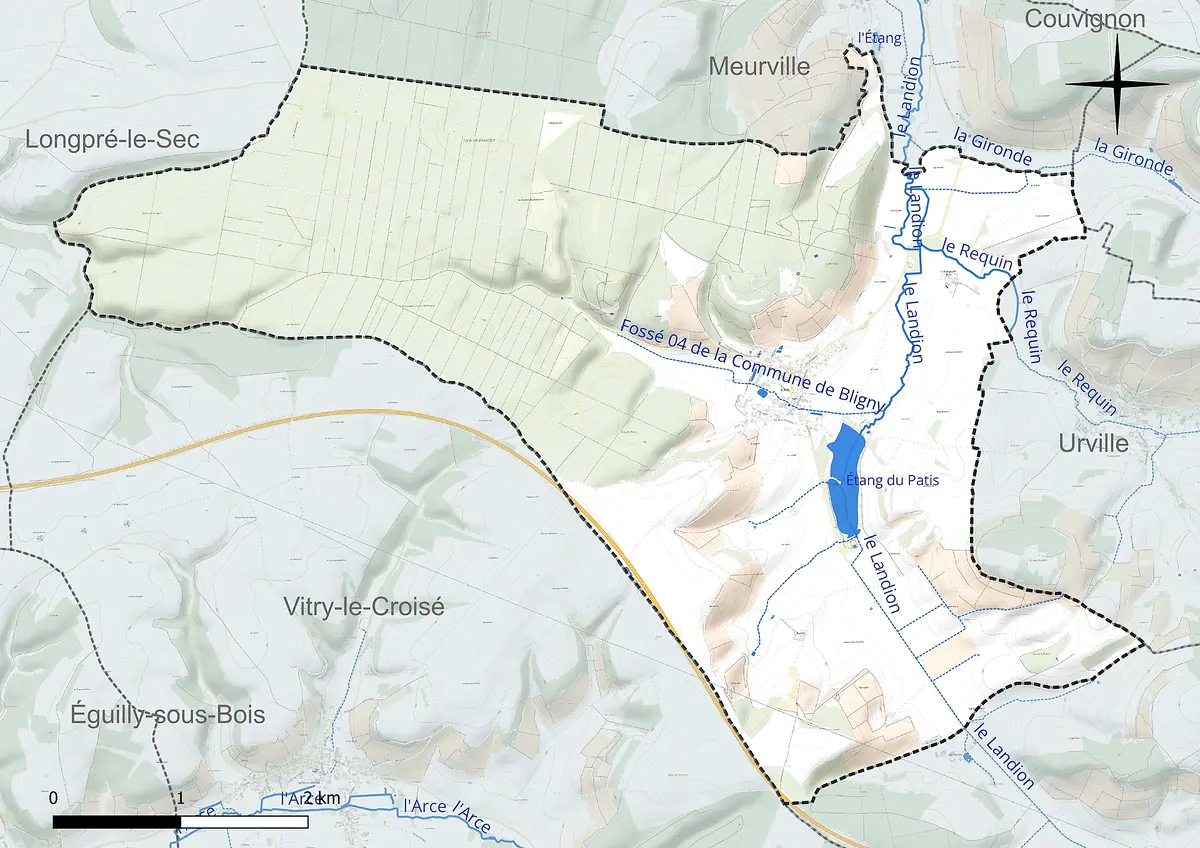
- Southern Champagne, on the Landion
- Inhabitants
- 160 (2023)
- Source
- Wikipedia, eigene Zusammenfassung
Bligny is a small village in the Aube département, in the south of Champagne. It has no cru status, but it is of historical interest for a glassworks making bottles, authorised in 1778.
Location
Bligny lies in the Aube département in the Grand Est region, in the southern part of Champagne. The village has 160 inhabitants (2023) and, under Insee's classification, counts as a rural commune with scattered housing. It is not a town in the proper sense, and it is not classified as a Grand Cru or Premier Cru either. Anyone travelling here sees Champagne away from the big names.
The commune is drained mainly by the Landion. This stream, a good 24 kilometres long, rises at Champignol-lez-Mondeville and flows into the Aube at Dolancourt. There is also the Étang du Patis, with 17.4 hectares of water.
Landscape and climate
The land around Bligny is strongly shaped by nature and farming. According to the 2018 data, it breaks down like this:
- Forest: 50.9%
- Arable land: 36.4%
- Permanent crops: 7.6%
- Meadows: 3.3%
- Built-up land: 1.8%
Permanent crops cover plantings that stay on the same plot for years. Whether any vines are included, and how many, is not clear from the figures available. The woods, at any rate, dominate the picture.
The climate is temperate, with fresh summers and harsh winters. For 1971 to 2000 the source gives a mean annual temperature of 10.6 °C and around 860 millimetres of rainfall. The nearest Météo-France station, at Ailleville about 10 kilometres away, recorded its highest temperature of 41.3 °C on 25 July 2019. The lowest was minus 19.7 °C on 20 December 2009. Extremes like these show how much room the weather has to play with in this part of the world.
The village has 160 inhabitants (2023) and, under Insee's classification, counts as a rural commune with scattered housing.
History
Sarcophagi from Roman times were found in the cemetery, so the village is an old one. In 1217 a priory dedicated to Saint Eulalia was founded at the hamlet of Puroy. In 1235 it was moved to Belroy.
For champagne lovers, one detail from 1778 is especially appealing: the Marquis de Sauveboeuf received permission to run a glassworks at Bligny to make bottles. For this he had a forest of 1,600 arpents, an old unit of land measurement. No wood, no glass melting, which also explains the residents' anger at rising wood prices, recorded in the cahiers de doléances of 1789. Bottles are a basic requirement of any champagne production, but the source gives no evidence of deliveries to champagne houses.
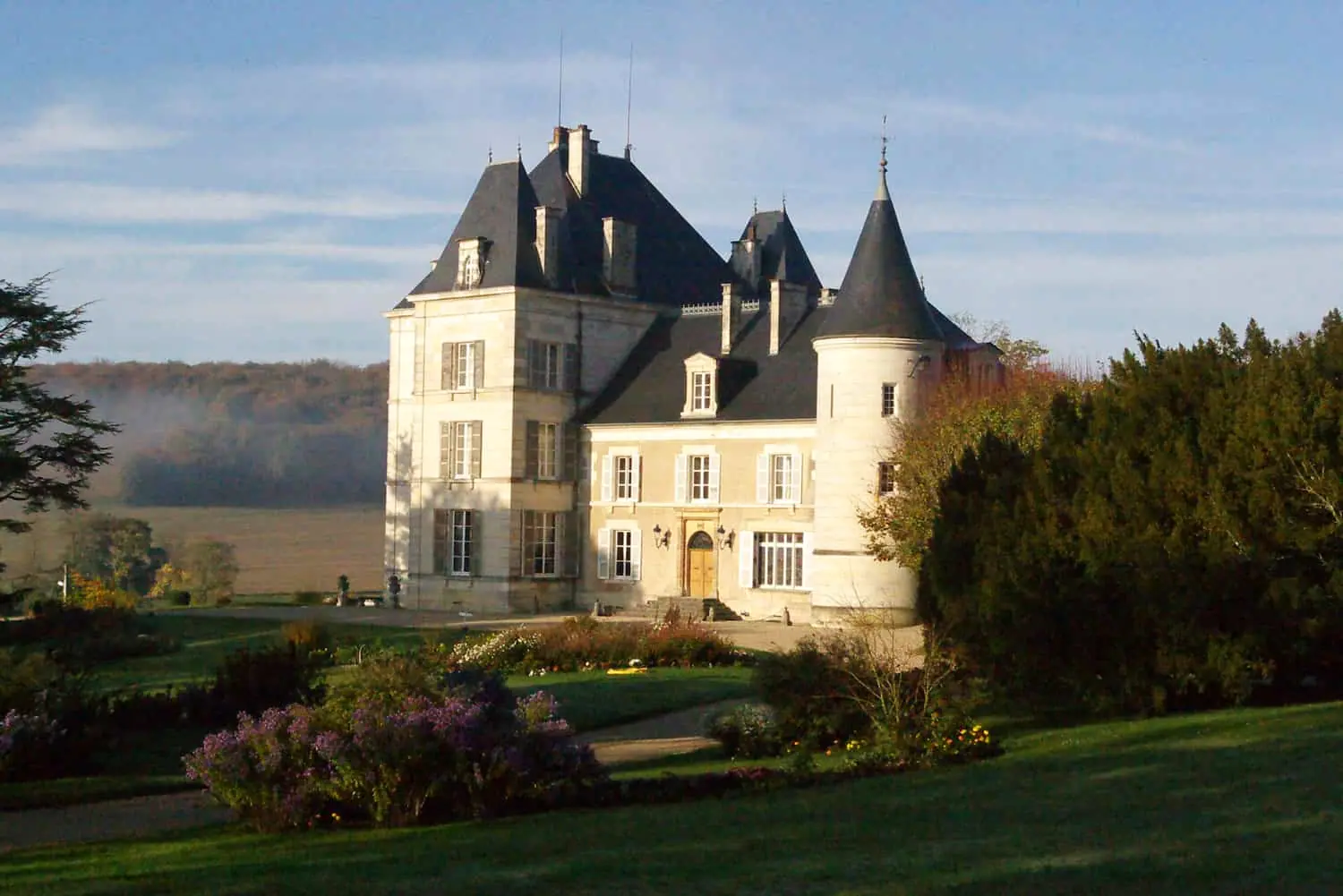
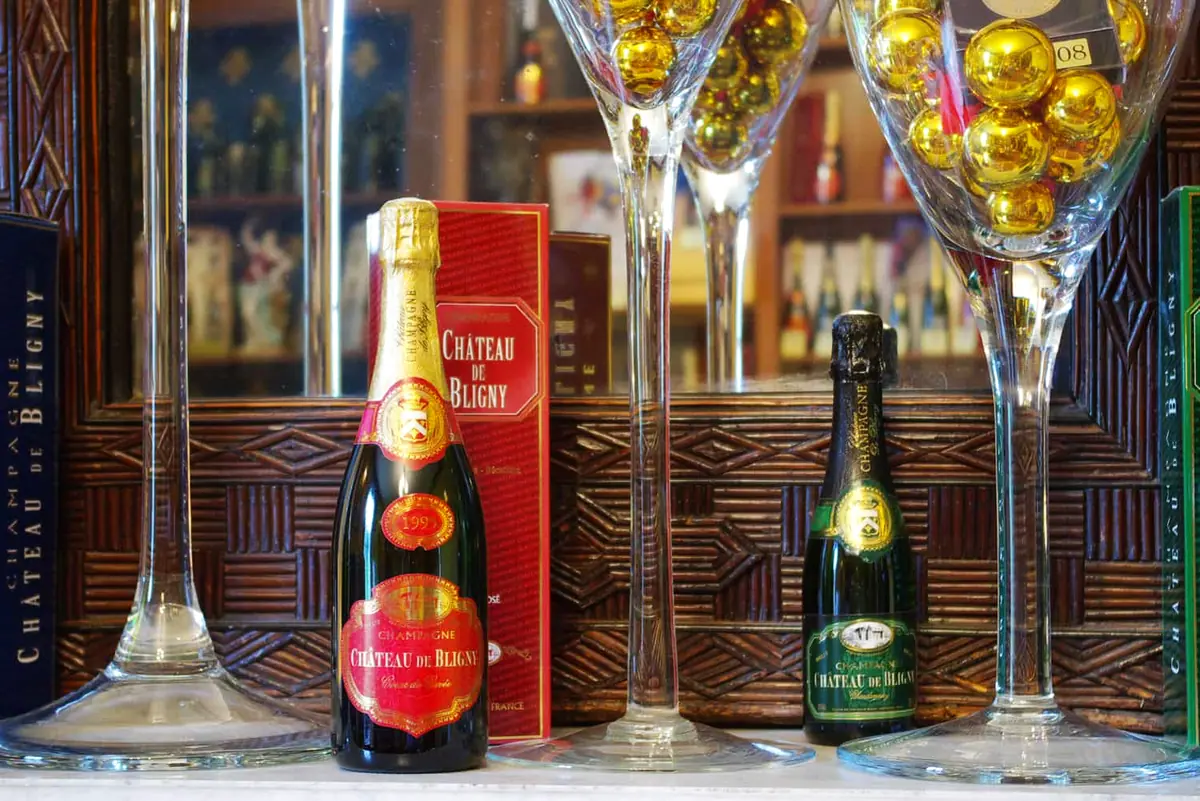 Chateau de Bligny Champagner
Sights
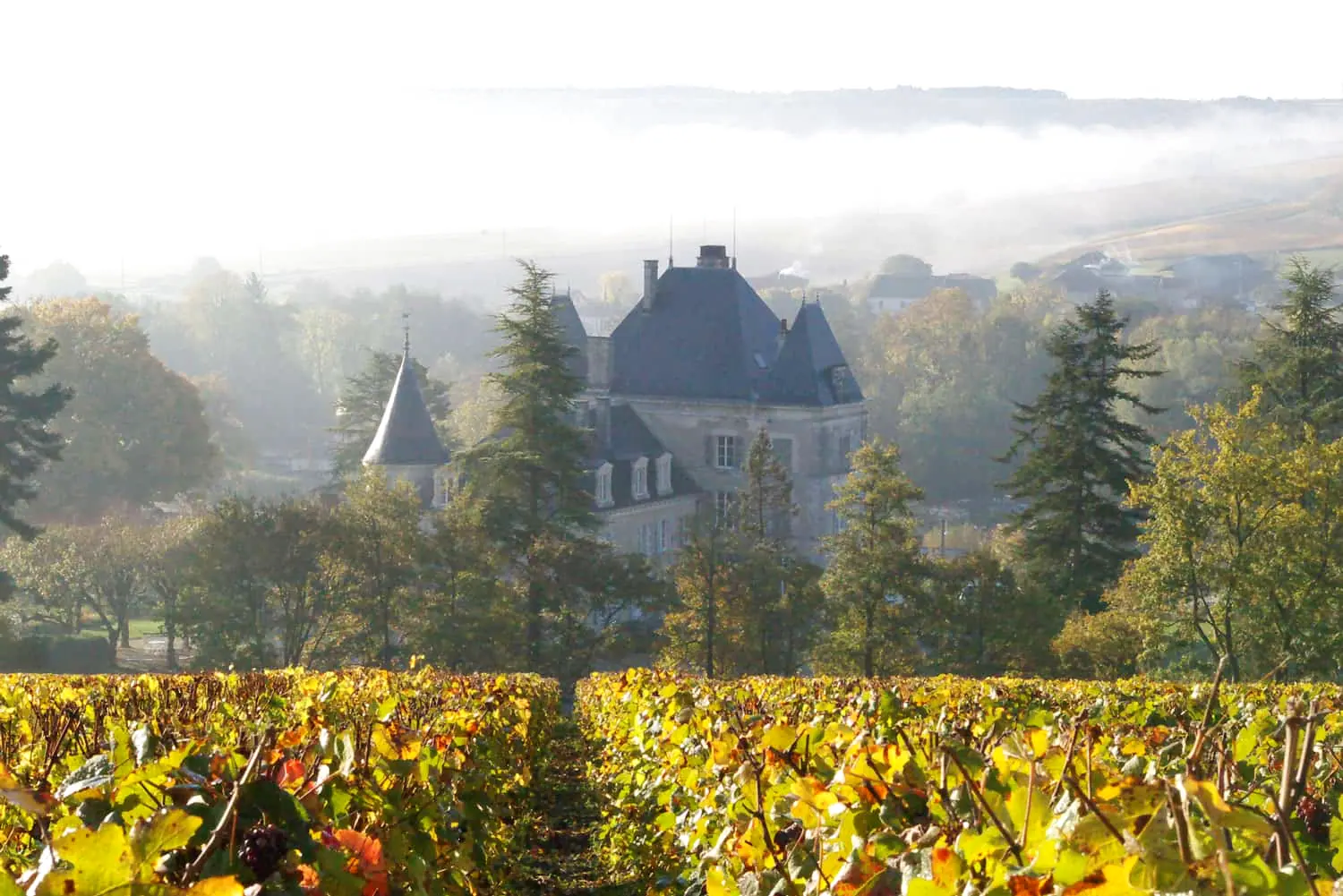
- Château de Bligny
- Église Saint-Symphorien, listed as a Monument historique since 21 November 1989
Old field names such as La Verrerie (the glassworks), Fontaine-d'Amour or Sainte-Eulalie recall the past across the commune.
A note to help you get your bearings: there are several places called Bligny in France, including one in the Marne département. This entry deals with Bligny in the Aube département.
Pictures

 0 %
