
- Département
- Aube (Grand Est region)
- Site
- Côte des Bar (Barrois viticole), Requin valley, 8 km south-east of Bar-sur-Aube
- Inhabitants
- around 150, stable since the middle of the 20th century
- Source
- Wikipedia, eigene Zusammenfassung
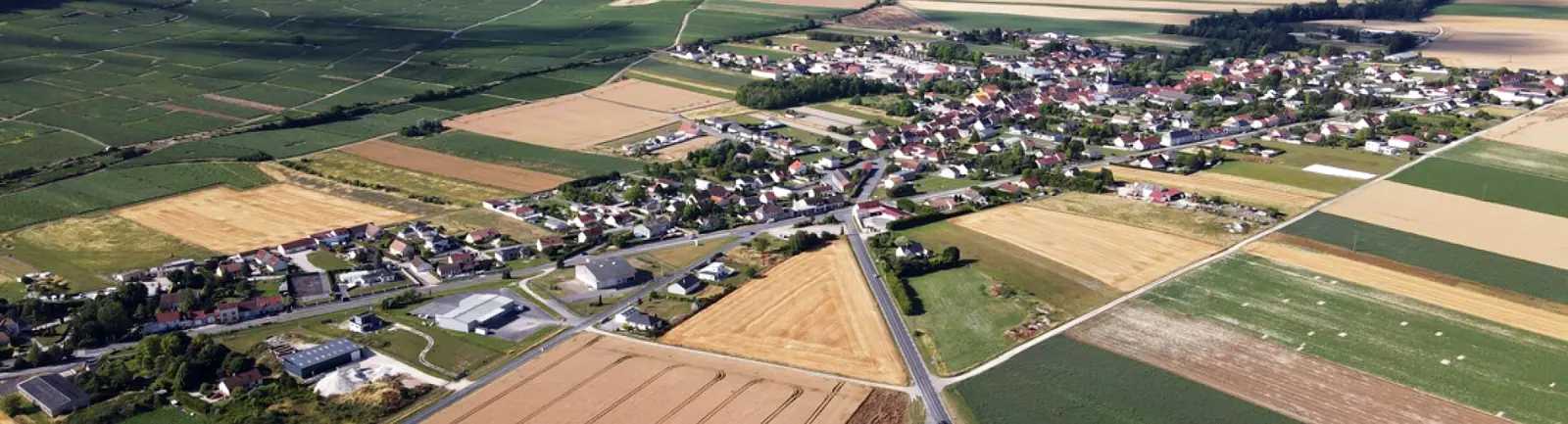
Urville is a small village in the Aube département, just over 8 km south-east of Bar-sur-Aube in the Requin valley. It belongs to the Barrois viticole, where Pinot Noir is the main grape of the Côte des Bar.
Location
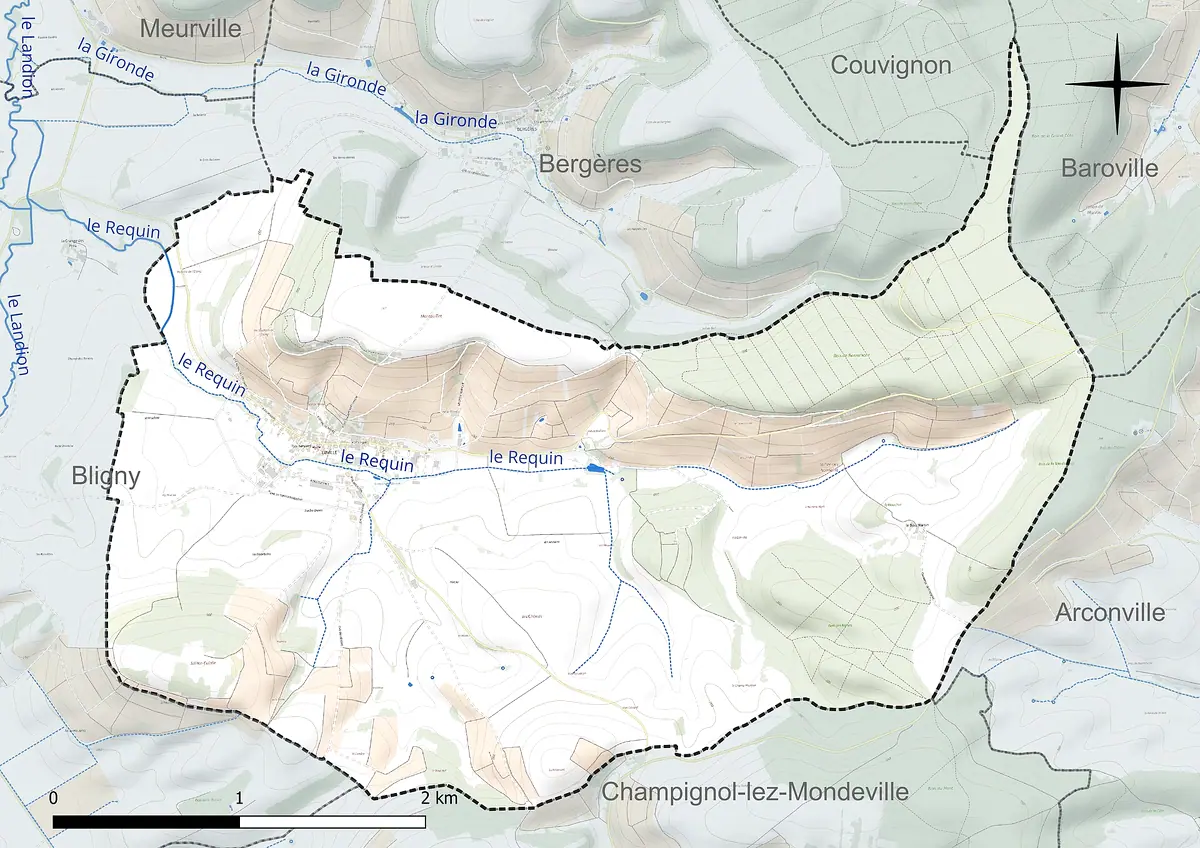
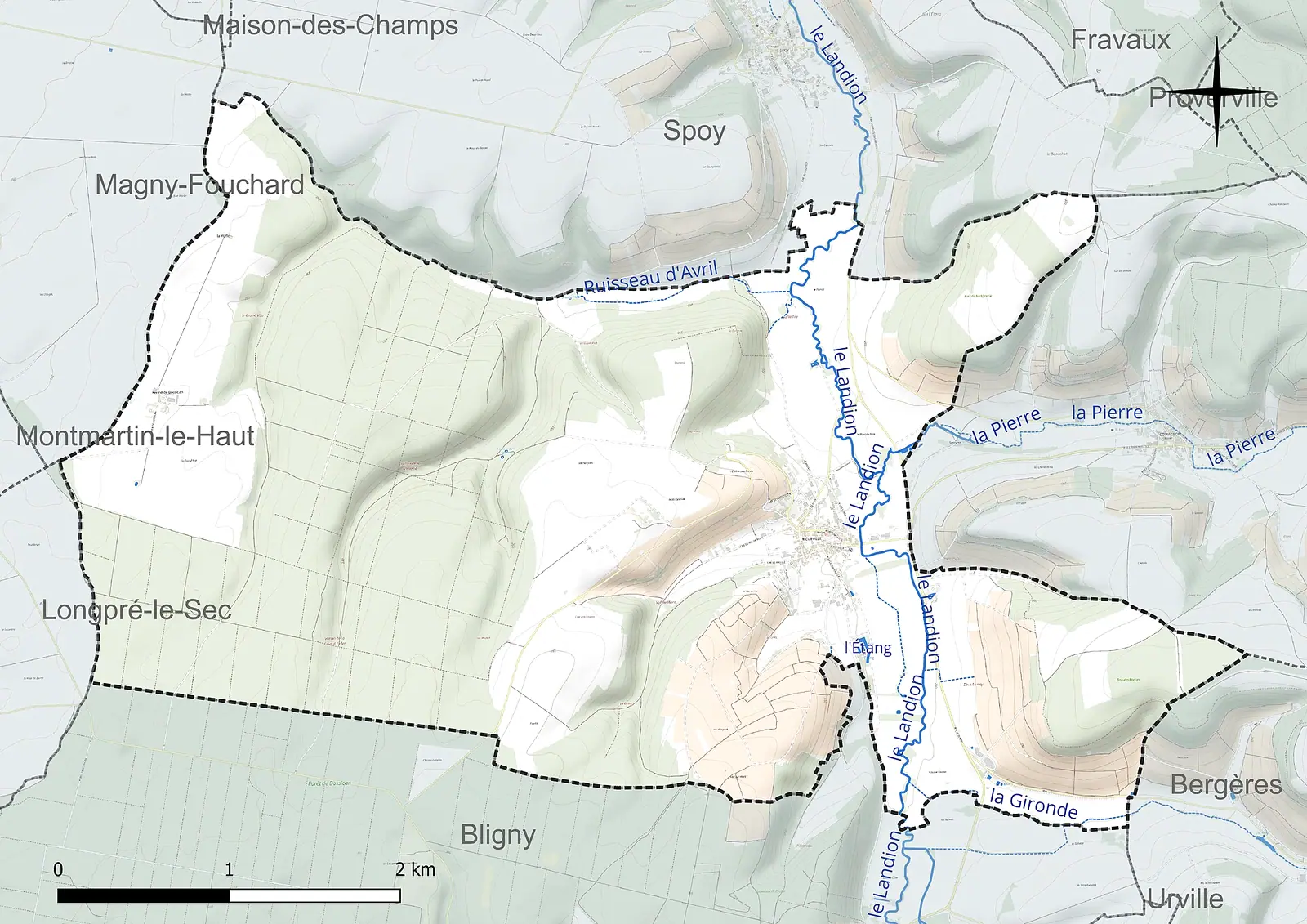
Urville lies in the Aube département, as the crow flies just over 8 km south-east of Bar-sur-Aube and about 45 km east of Troyes. The village sits in the valley of the Requin, a small stream that drains the commune. The commune covers 1,220 hectares and rises from 212 to 365 metres above sea level. Its nearest neighbours are Bergères, Bligny and Couvignon. Urville is a rural commune with scattered buildings. In the middle of the 19th century more than 600 people lived here; since the middle of the 20th century the population has held steady at around 150.
Soil and viticulture
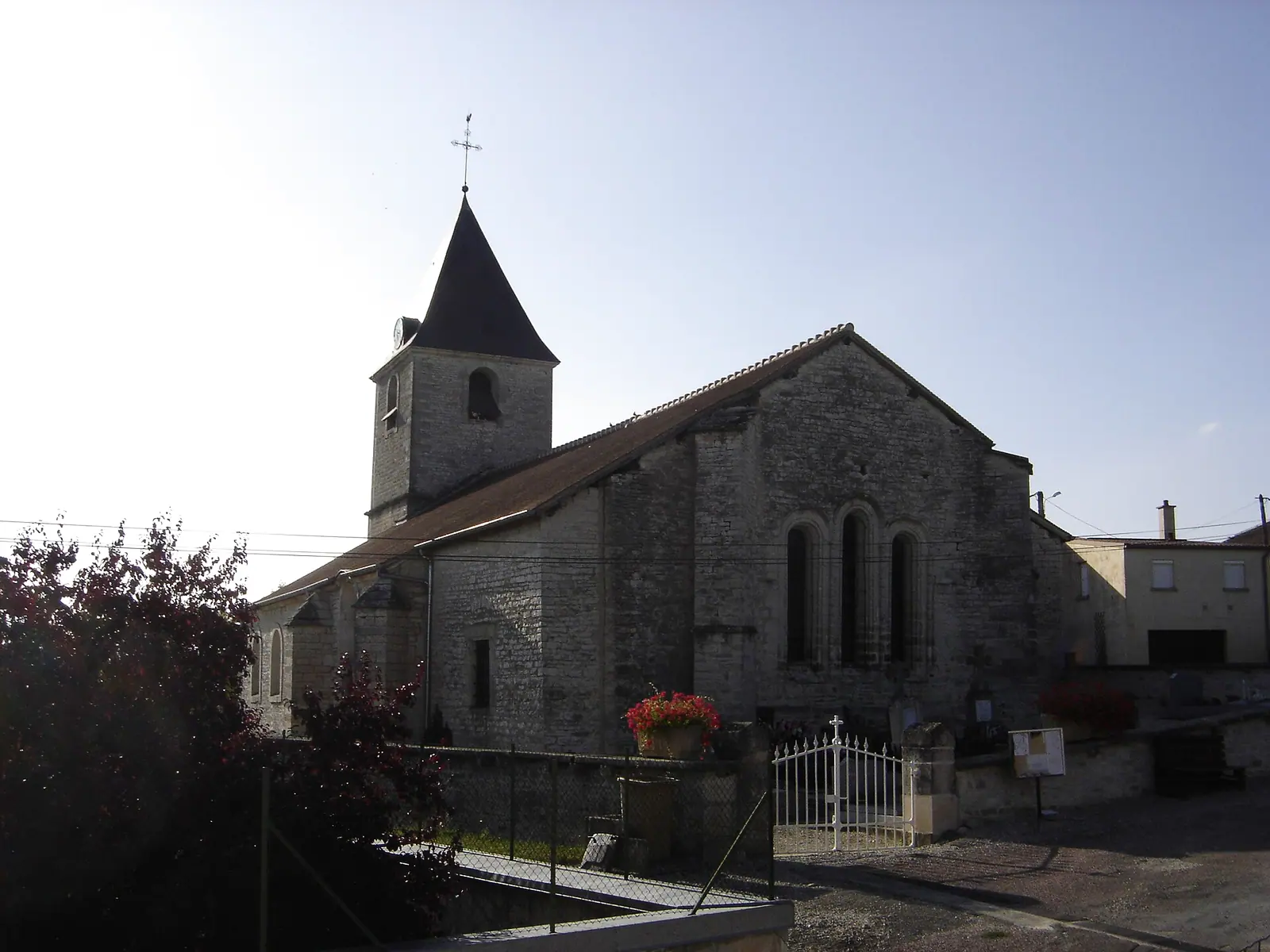
Two slopes of Kimmeridgian marl and limestone frame the valley. On the hilltops, the Buttes de Montillet, Sainte-Eulalie and Landomont, Tithonian rock comes to the surface. Urville belongs to the "Barrois viticole", a landscape where rivers have cut the limestone plateau into many narrow valleys. On the plateaux the soils are stony clay-limestone, thinning out towards the edges. In the valleys the soils are deep at the bottom and barely there at the top.
The same family of rock is familiar from Chablis. In the Aube, the Côte des Bar, it shapes champagnes with Pinot Noir as the leading grape, often powerful and fruit-driven. The 2018 land-use figures show, however, that Urville is not purely a wine village: arable land takes up 43.6%, woodland 25.4%, permanent crops, which include vines, 16.3%, and meadows 11.7%.
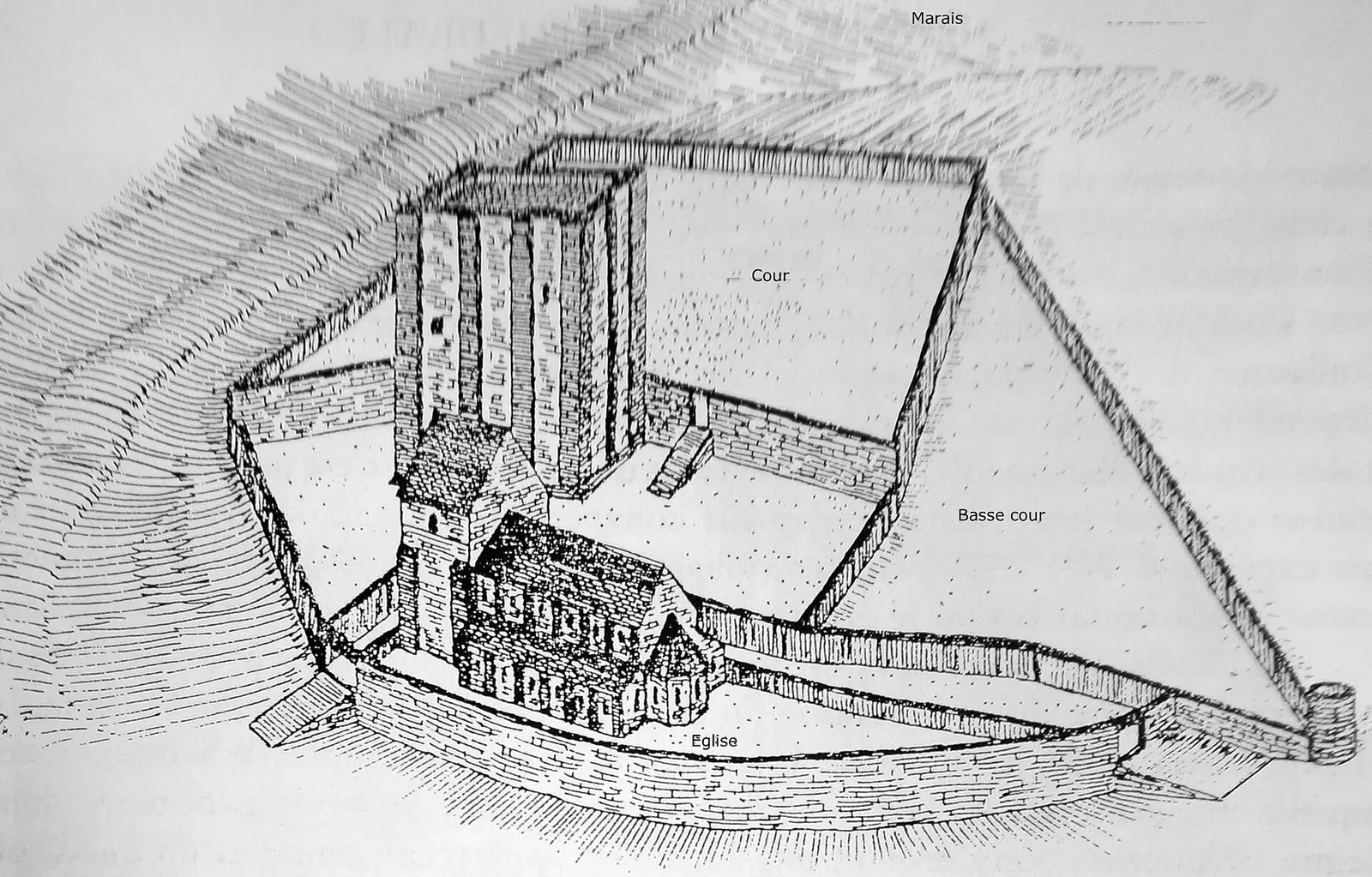
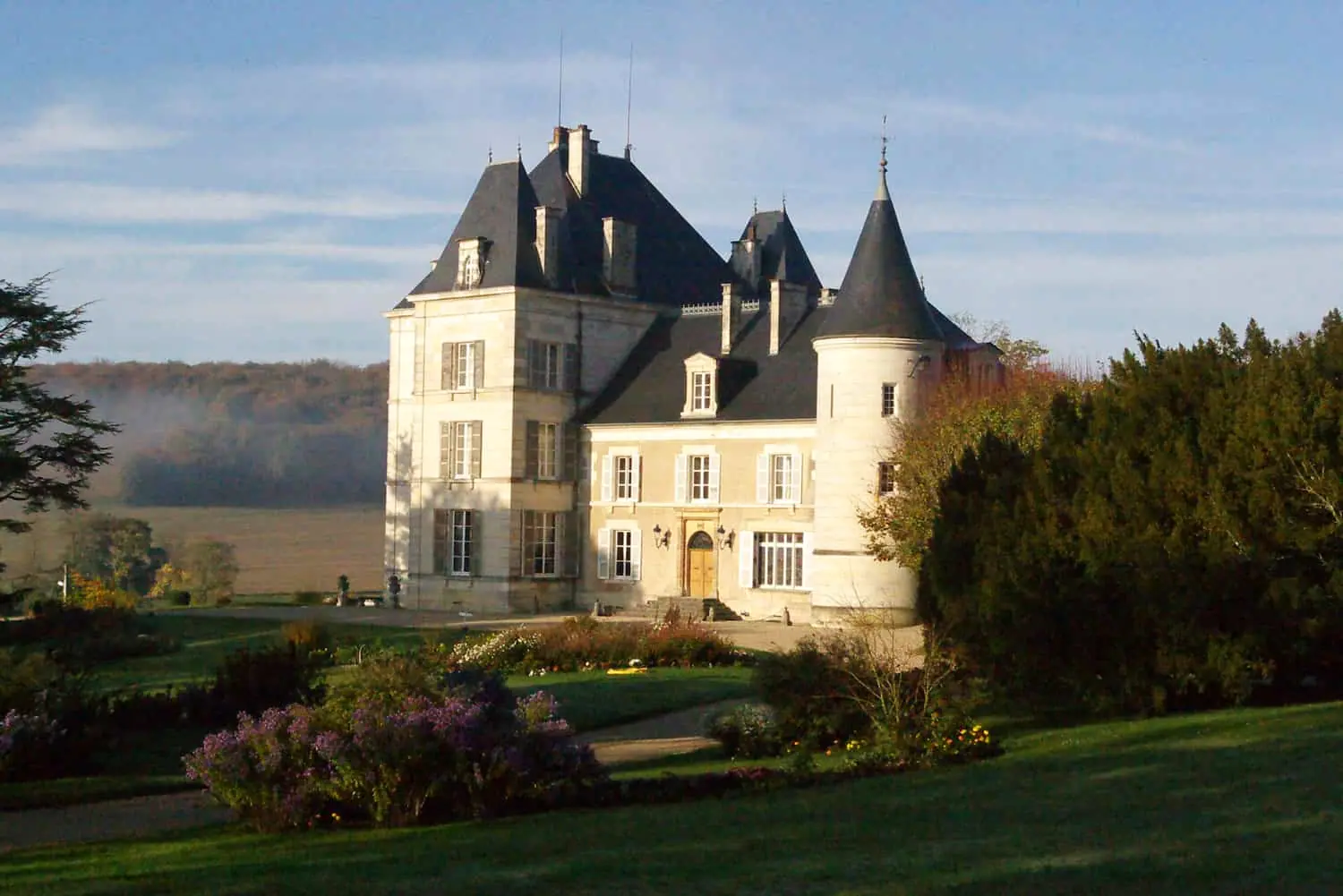
In 1654 the castle, by then in ruins, is recorded as belonging to Charles de Blaisy.
The climate is temperate with fresh summers, the winters are raw, and fog is common in autumn and winter. The clay soils bring risks: they swell and shrink with the moisture, which can cause cracks in house façades. Heavy rain can bring mudflows.
History
According to tradition, Urville was founded by Gallo-Romans, who planted vines there. Wine growing in the village is therefore very old. The village is first mentioned as "Urivilla" in a charter of the priory of Montier-en-l'Île, drawn up between 1077 and 1089.
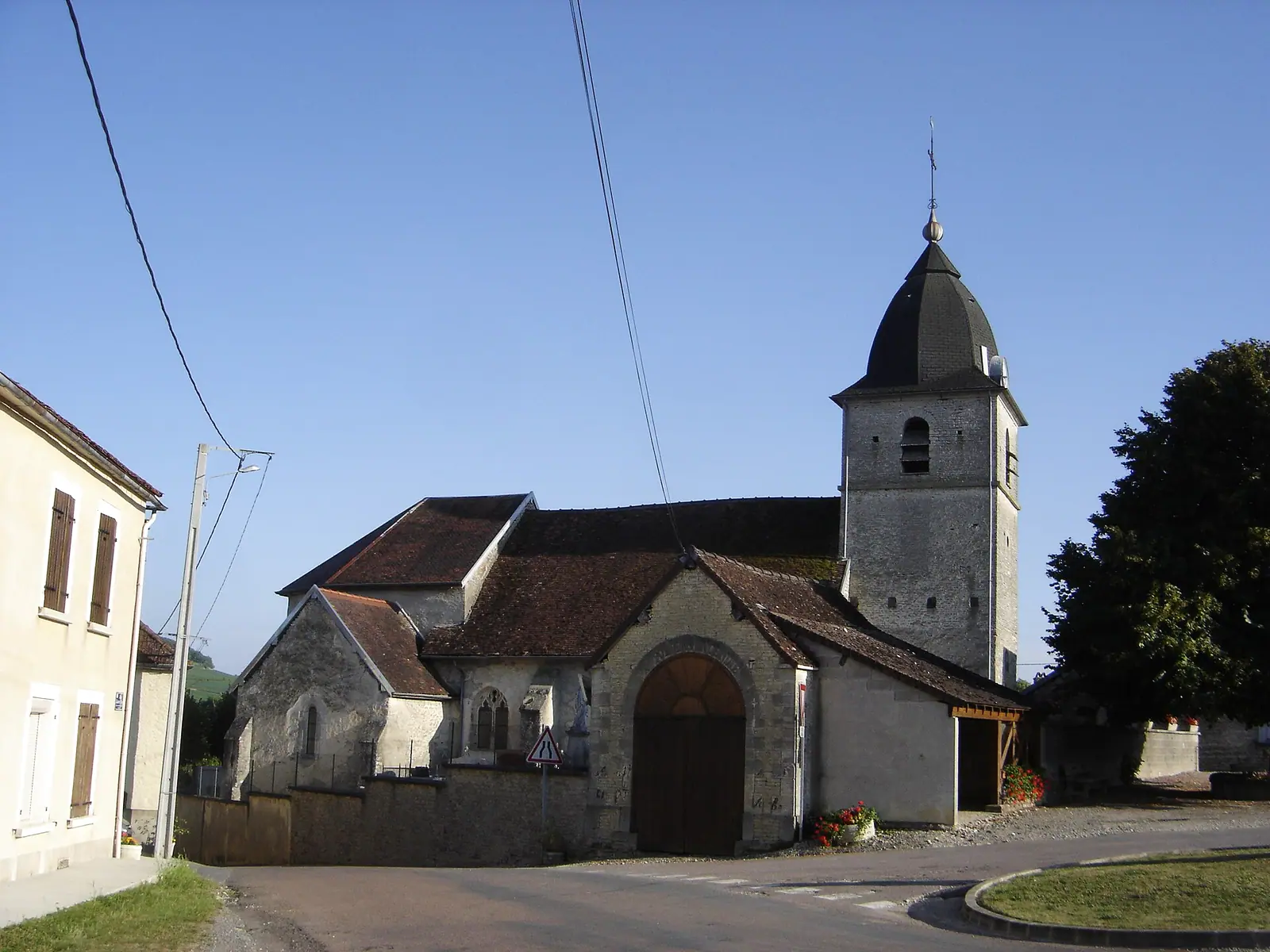
The lordship belonged to the Counts of Champagne and to the castellany of Bar-sur-Aube. A Jobert d'Urville is documented for 1179. In 1259 a Guillaume acquired from the count the motte, which was surrounded by a moat. In 1654 the castle, by then in ruins, is recorded as belonging to Charles de Blaisy. Its moats still supplied power for a mill. In the 13th century the lords of Espagne donated property in Urville to the abbey of Clairvaux. In 1361 the church came under the patronage of the chapter of Bar-sur-Aube.
What to see
- The remains of the Gallo-Roman site in the Val de Millières plot: about 500 m² were excavated, revealing two buildings around a courtyard. They are listed in the inventory of the Monuments historiques.
- A Roman road between Bar-sur-Aube and Essoyes, running north of this villa.
- The slopes and hilltops above the Requin valley, which offer a good view of the Barrois wine landscape.
Urville is a place for anyone who wants to get to know the Aube away from the big names. A visit combines well with Bar-sur-Aube.
Pictures
 0 %
