
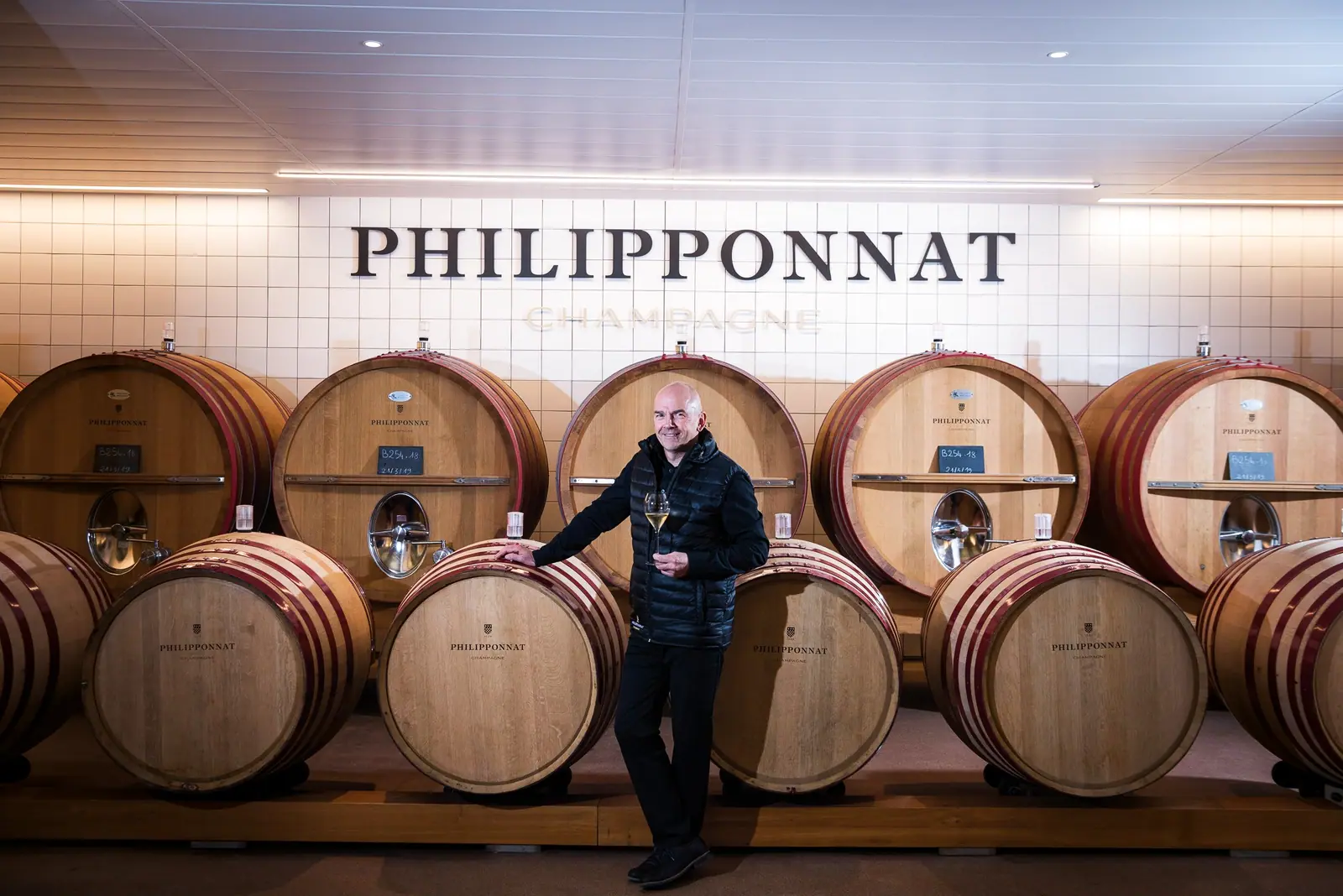
Chai is the French word for a wine cellar or storehouse where wine is kept to mature and rest, often in oak barrels. In Champagne, this is where the bottles lie for several years after the second fermentation.
The Art of Storing Wine in the Chai
In French, the word "chai" refers to the cellars where wine is kept to mature and rest. These are not simply storage rooms: they play a decisive role in how wine and champagne are made and in the quality they eventually reach. The chai is a central part of wine culture and contributes a great deal to the character and individuality of the finished wine.
01History and Significance
The chai has a long tradition that reaches back to antiquity. The Romans already used dedicated storage spaces for their wines. In France, especially in regions such as Bordeaux, Burgundy and Champagne, the art of storing wine has been developed and refined over centuries. The word itself is French and originally meant "hut" or "shed", which says a lot about how simple these storage places once were.
02Architecture and Construction
A chai is often underground, or at least partly sunk into the earth, to guarantee a constant temperature and humidity. The walls are thick and built of stone, which provides natural insulation. A steady temperature, ideally between 10 and 15 degrees Celsius, together with humidity of around 70 to 80 per cent, is essential for letting the wine mature at its best. Modern chais may also have air conditioning so that these conditions can be controlled precisely.
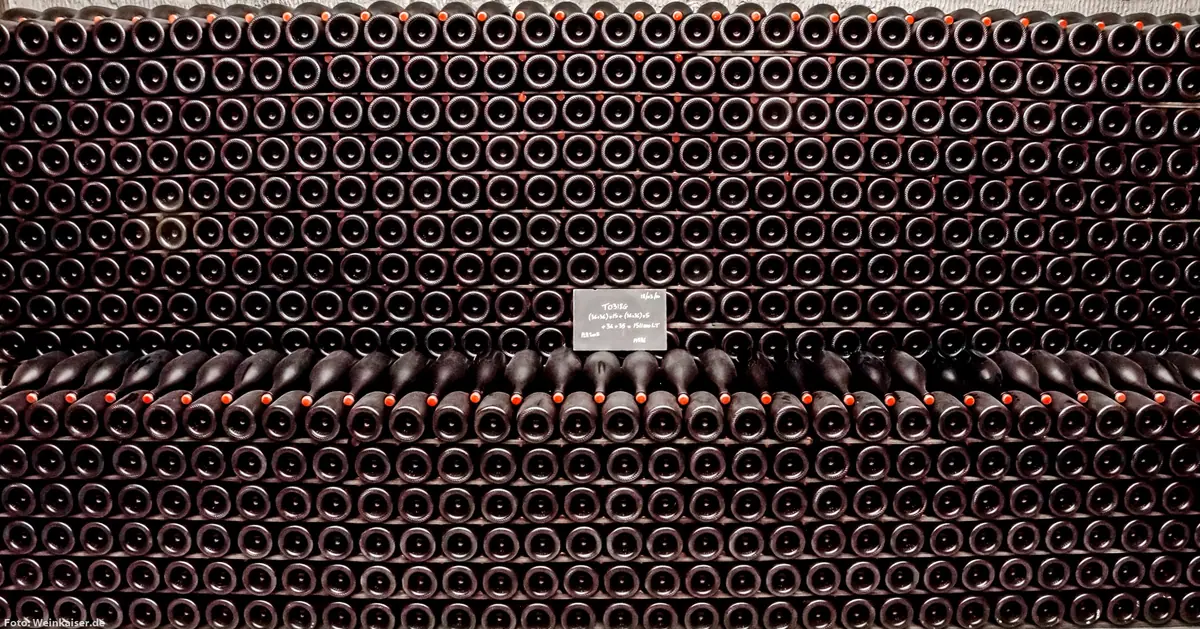 Champagner Keller Malakoff
03Storing Wine in the Chai
In the chai, wines are kept in oak barrels, which play a special part in the maturation process. The wood gives the wine tannins and aromas that refine its flavour and structure. A chai is not just a storeroom but a place of constant watching and care. Winemakers and cellar masters regularly check the state of the barrels and the progress of the maturation. They take samples to make sure the wine is developing as it should.
The oak barrels in a chai often come from particular forests known for the high quality of their timber. Choosing the right barrel is an art in itself and has a major influence on the character of the wine. Another important factor is how long the wine is kept. Some wines mature for only a few months, while others stay in the chai for years or even decades.
 Alfred Gratien Champagner, Trauben und Historische Rebsorten
04Storing Champagne
In Champagne, one of the most famous wine regions in the world, chais play a particularly important role. Here the bottles of champagne rest for several years after the second fermentation, known as the bottle fermentation, before they are disgorged and prepared for sale. The bottles are often stored in cool, damp cellars dug deep into the region's chalk. These natural cellars offer ideal conditions for the slow maturation of champagne.
During this time the bottles are regularly turned and tilted so that the yeast sediment moves down into the neck of the bottle, a process known as remuage, traditionally done on a pupitre. After maturation and riddling, the bottles are disgorged, which means the yeast sediment is removed and the champagne receives its final dosage.
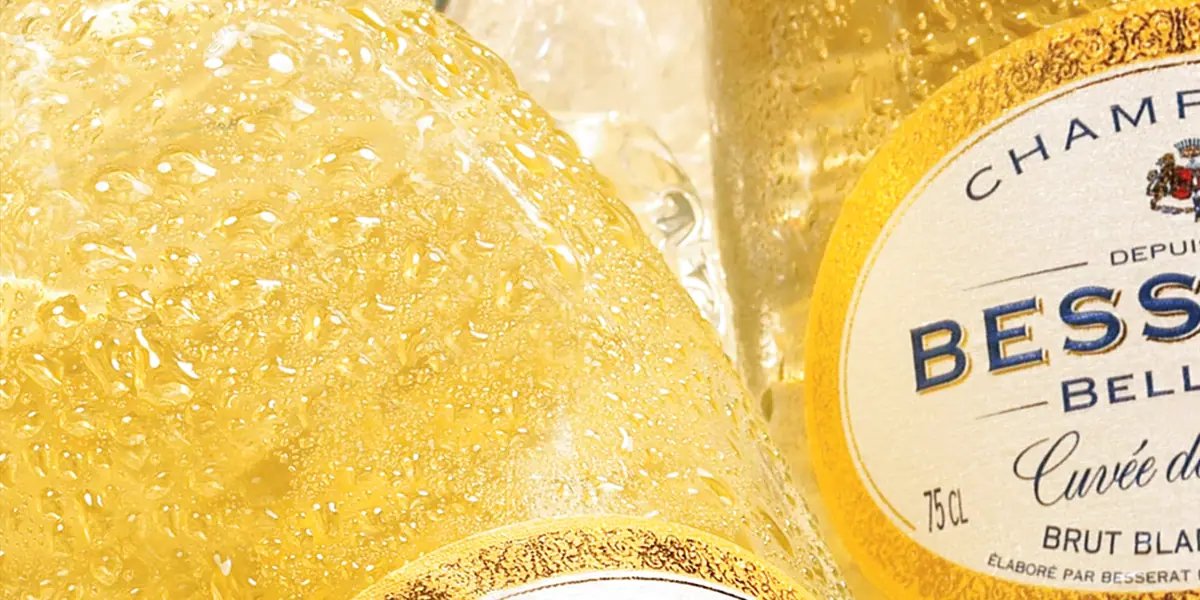 Besserat de Bellefon Champagner
05Influence on Wine Quality
The conditions in the chai have a direct effect on the quality of wine and champagne. A temperature that is too high can speed up maturation and lead to unwanted aromas, while one that is too low slows it down. The right humidity stops the corks from drying out, which would let air in and cause the wine to oxidise.
Beyond that, the surroundings of the chai, including the nature of the soil and the microclimate, can have subtle but significant effects on the wine. These factors add to the distinctive character and complexity that connoisseurs and wine lovers around the world appreciate.
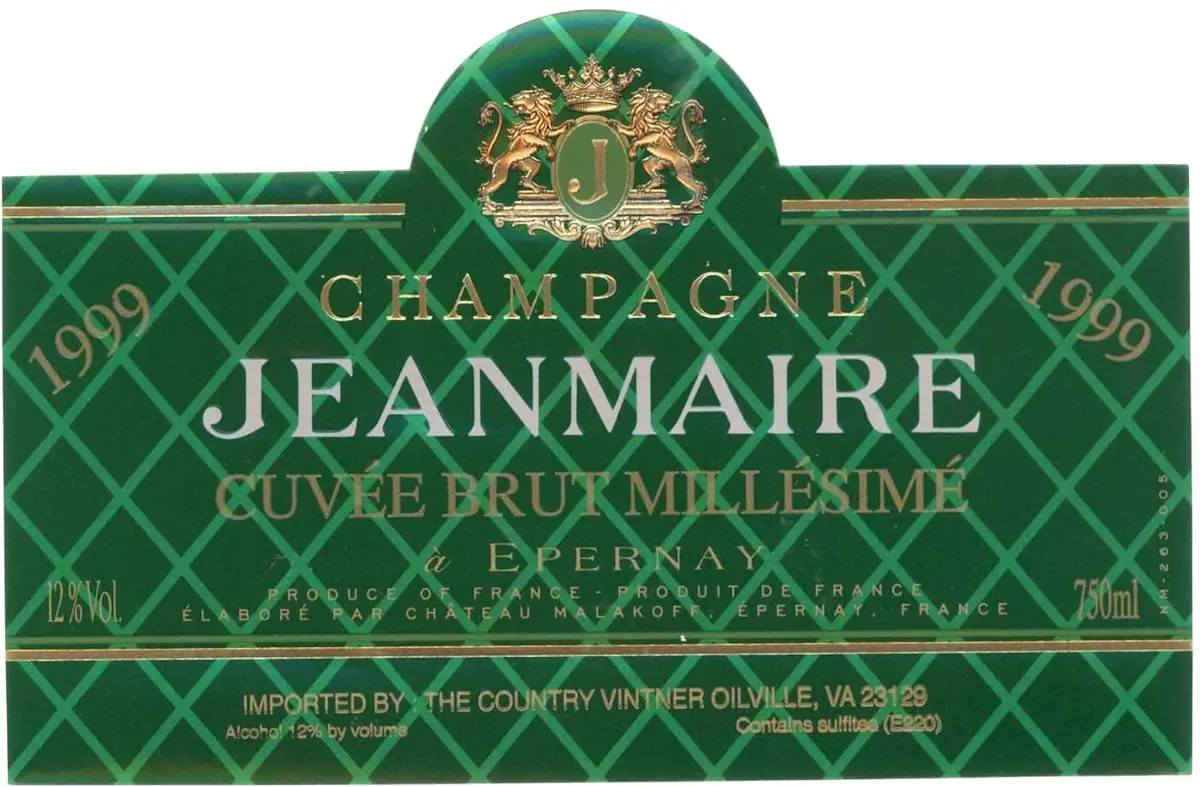 Malakoff Champagner Etikett
06The Future and Innovation
Even though the chai has a long tradition, it is not static. Modern technology and scientific knowledge help to improve the way wine is stored. Climate-controlled rooms, precise humidity control and innovative storage systems improve conditions and allow the maturation process to be tuned even more finely. Even so, the chai remains a symbol of craftsmanship and tradition in winemaking.
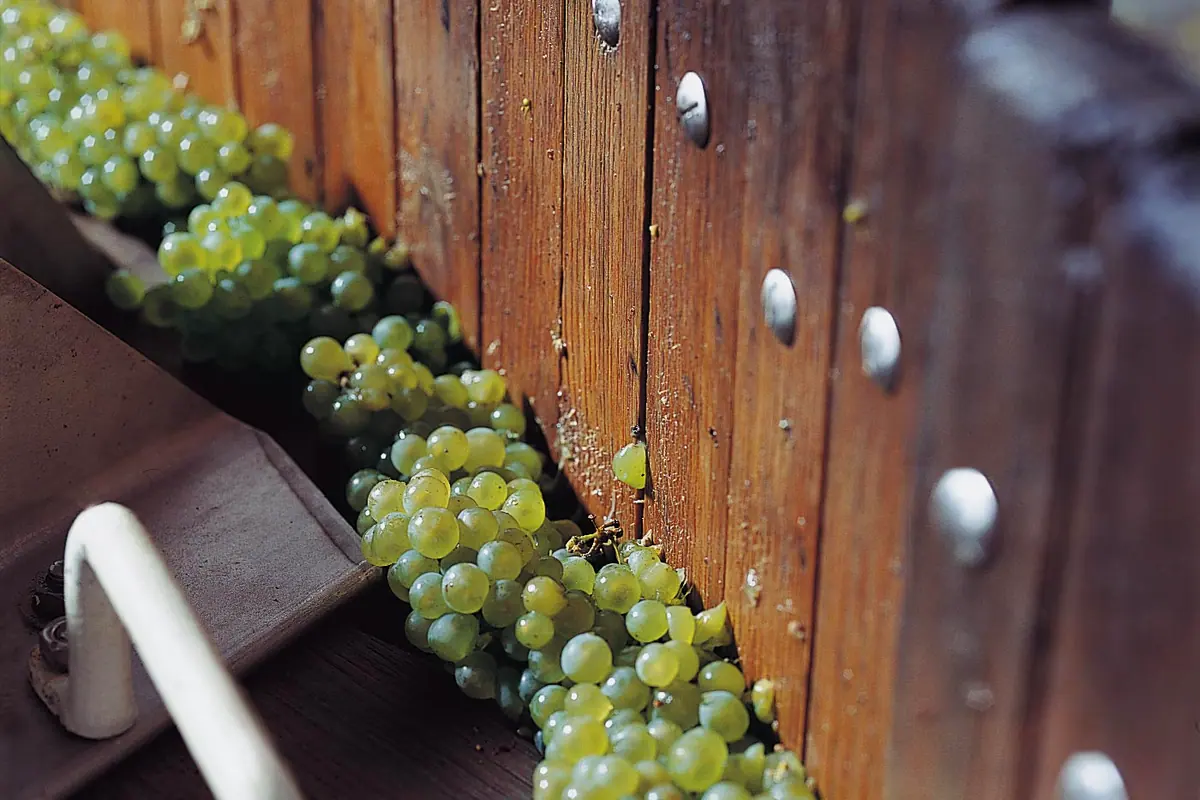 Champagner Trauben, Traubensorten
07In Conclusion
The chai is far more than a storage room. It is the heart of every wine estate, a place where art and science come together to create fine wines and champagnes. The careful tending and monitoring of the wines in the chai contribute enormously to their quality and individuality. In a world that is constantly changing, the chai remains a lasting symbol of the tradition and dedication behind every glass of wine and champagne.
Pictures

 0 %
