
Rebêche is the third and final pressing of the grapes, producing juice of markedly lower quality. Under the AOC rules it may not go into champagne.
Rebêche in champagne
The world of champagne is complex and rich in tradition. One of the lesser-known but still important practices in champagne production is the so-called rebêche. It plays a significant part in the history and making of this celebrated sparkling wine.
What is rebêche?
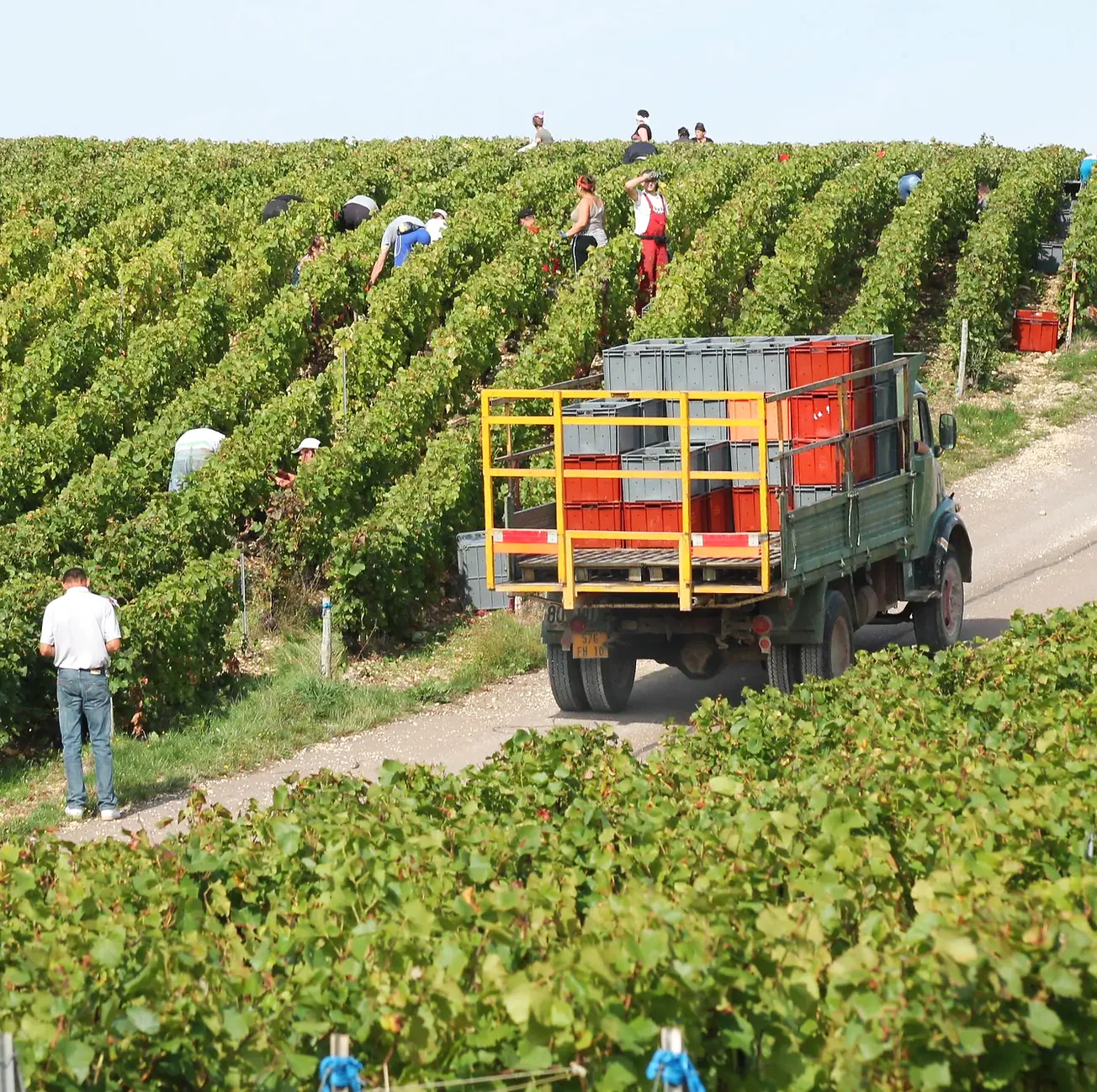
Rebêche is the third and final pressing of the grapes in champagne production. The first pressing, known as the cuvée, yields the finest juice and makes up around 80% of the total yield. The second pressing, called the taille, accounts for roughly 20% and is still of good quality, although it tends to carry a little more tannin and less acidity. The rebêche, which follows these two pressings, contains the remaining juice and is of markedly lower quality. This juice has a higher content of tannins and other unwanted compounds that could harm the flavour and clarity of the champagne.
The history of rebêche
The practice of rebêche has its roots in the need to make use of every possible resource the grapes could offer, especially in times of scarcity. In the past, the rebêche was often used to make simple wines or distilled into brandy. This allowed growers to put even the last of the juice to economic use and waste nothing.
It was once common for smaller growers to keep the rebêche for their own consumption or to sell it locally. In an age when every calorie counted, this was an important part of farming life. It also showed the growers' ability to survive in a demanding climate with limited resources.
Legal aspects
Champagne production is strictly regulated in order to guarantee the quality and authenticity of the product. The Appellation d'Origine Contrôlée (AOC) for champagne stipulates that only the first two pressings may be used to make champagne. The rebêche must therefore not go into champagne. This rule was introduced to protect the high quality standards that set champagne apart.
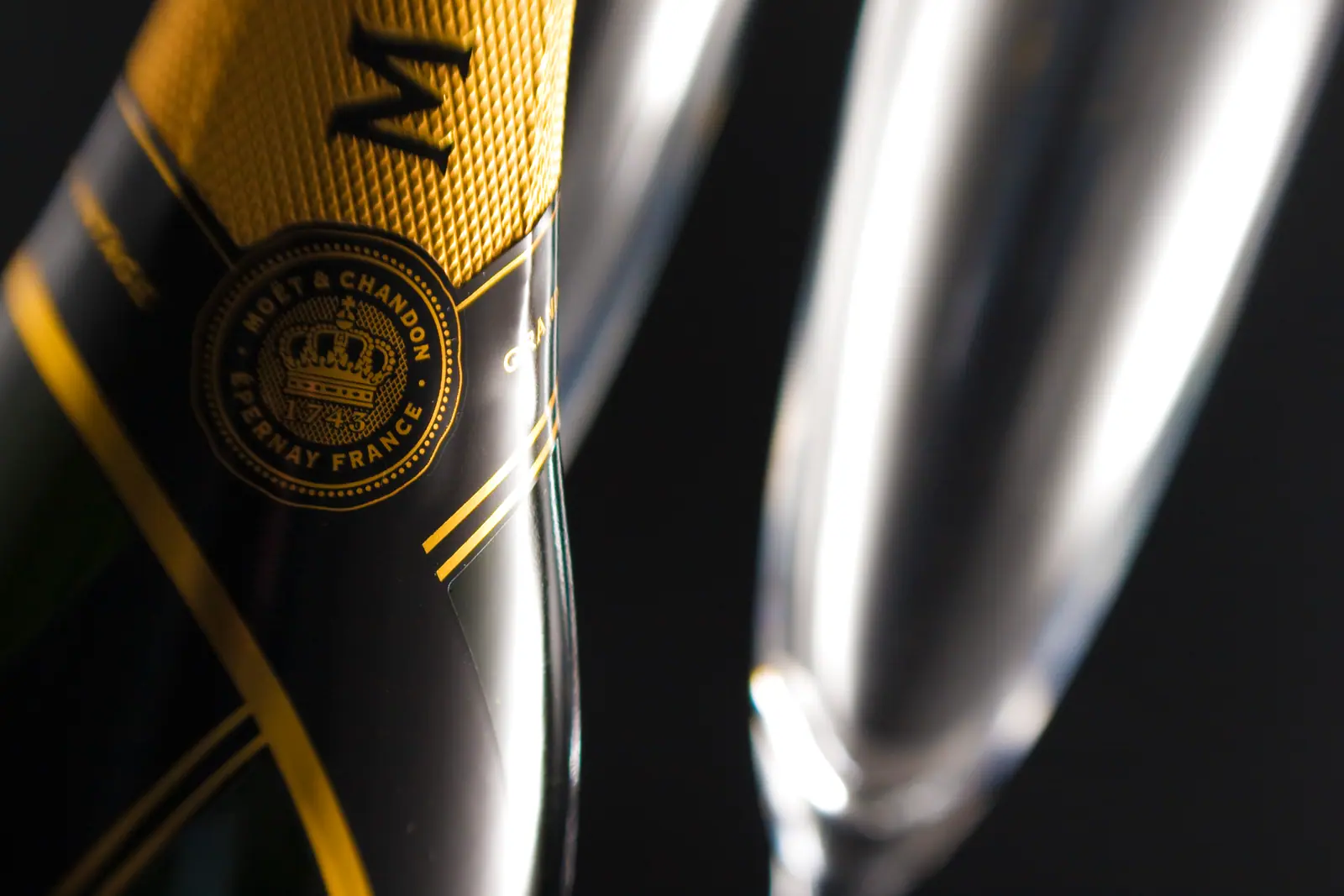
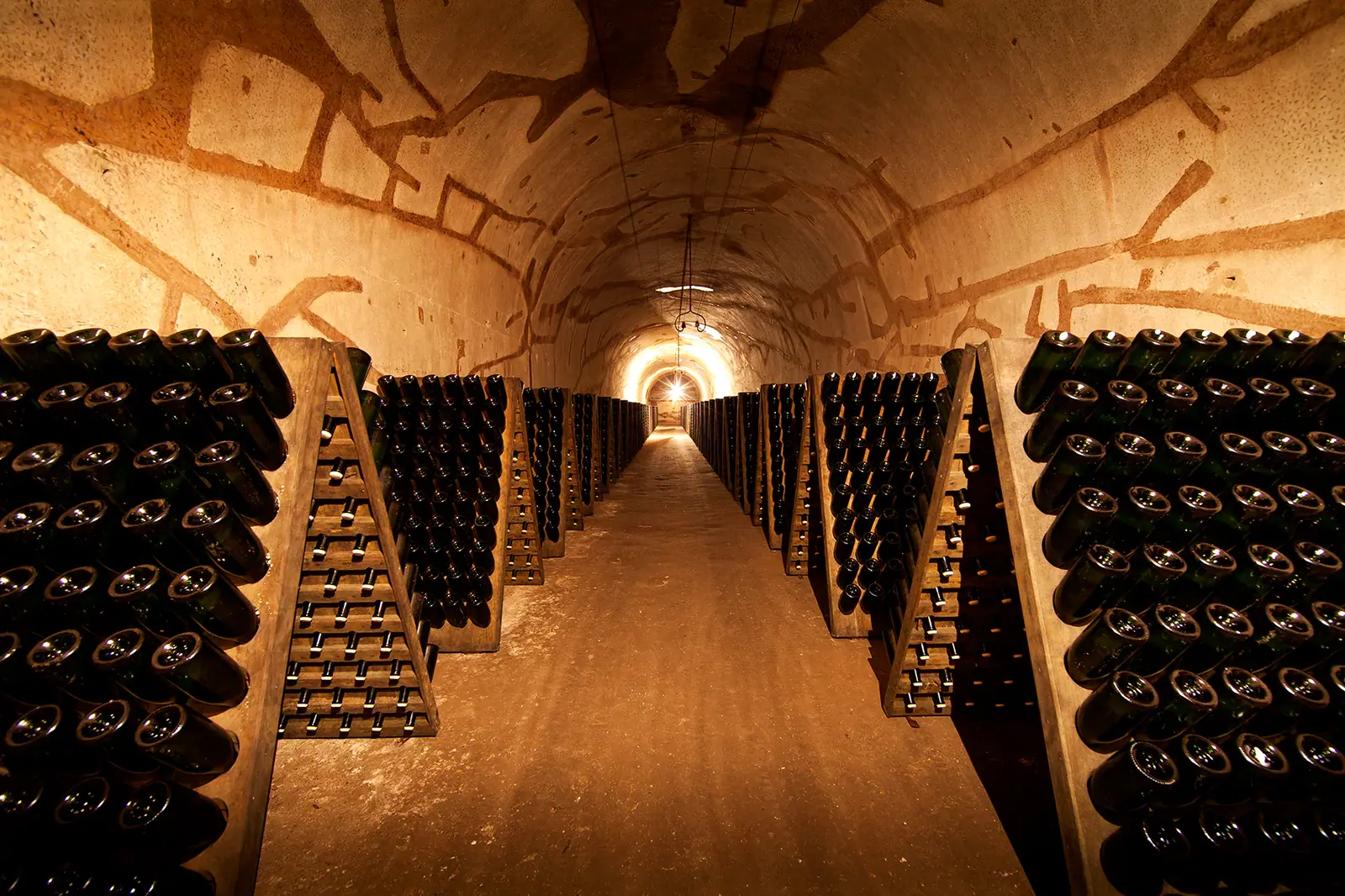
 Moët & Chandon Champagner Haus
Instead, the rebêche is today often sold to industrial distilleries, which use the juice to produce brandy, industrial alcohol or other products. This rule helps ensure that champagne sold under the AOC designation is always of the highest quality and meets the strict standards.
The first pressing, known as the cuvée, yields the finest juice and makes up around 80% of the total yield.
Modern uses of rebêche
In modern champagne production the rebêche still has an important, if often invisible, role. Some growers use it for ecological and sustainable purposes. For example, the juice can serve as a natural fertiliser to nourish the vineyards. This encourages sustainable farming and reduces waste.
There are also innovative approaches to using the rebêche in the food and cosmetics industries. The juice contains polyphenols and other compounds with antioxidant properties. This makes the rebêche an interesting raw material for skincare products and dietary supplements.
Another modern approach is using the rebêche to make vinegar. The higher acidity and the different flavour profile can be used to produce high-quality wine vinegar. This is yet another way of getting the full value out of the grapes and keeping waste to a minimum.
In summary
The practice of rebêche is a fascinating aspect of champagne production, deeply rooted in history and tradition. Although the rebêche itself may not be used to make champagne, it still plays an important part in the sustainable and economical use of the grapes. The legal framework ensures that the quality of champagne is protected, while modern uses of the rebêche open up new and inventive ways to make the most of the grapes.
The history and practice of rebêche show the skill and dedication of champagne producers in refining and honouring every facet of their work. It is further proof that making champagne is not only a science but also an art, one that carries generations of knowledge and tradition within it.
Pictures

 0 %
