
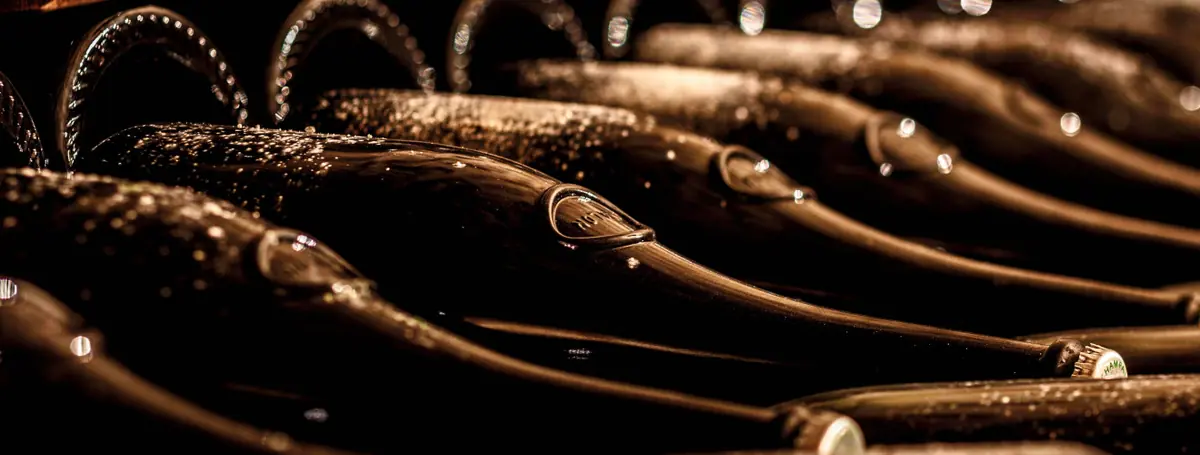
Cellier is the term for a wine cellar, often underground, where wine and champagne are stored and left to mature. At around 10 to 12 °C and high humidity, champagne ages there slowly and evenly.
The term "cellier" refers to a wine cellar or storage room where wine and champagne are kept. These cellars are often underground and offer ideal conditions for storing and maturing still wines and sparkling wines. The cellier plays a central role in the making and storage of champagne, one of the best-known and most prestigious sparkling wines in the world.
 Salon Champagner Old
01History and importance of the cellier
Wine cellars have a long tradition that goes back to antiquity. The Romans were known for their sophisticated cellars, which they built in the regions they conquered. In Champagne, a region in north-eastern France, cellars were used in the Middle Ages by monks and nobles to store their wine. These cellars were often cut into the chalk rock, which gave them the name "crayères".
The cellier is more than just a storage room; it is a place where the wine can breathe and mature. The constant temperatures and the high humidity of the underground cellars create ideal conditions for this process. The art of keeping wine in a cellier lies in looking after it over the years and giving it time to develop its full aroma and flavour.
 Malakoff Champagner Etikett
02The role of the cellier in champagne production
Champagne is made by the traditional method known as the "méthode champenoise". This process involves several steps in which the cellier plays a decisive part. After the grapes are harvested and the first fermentation is complete, the wine is bottled and put through a second fermentation. This takes place in the cellier and is responsible for creating the carbon dioxide in champagne.
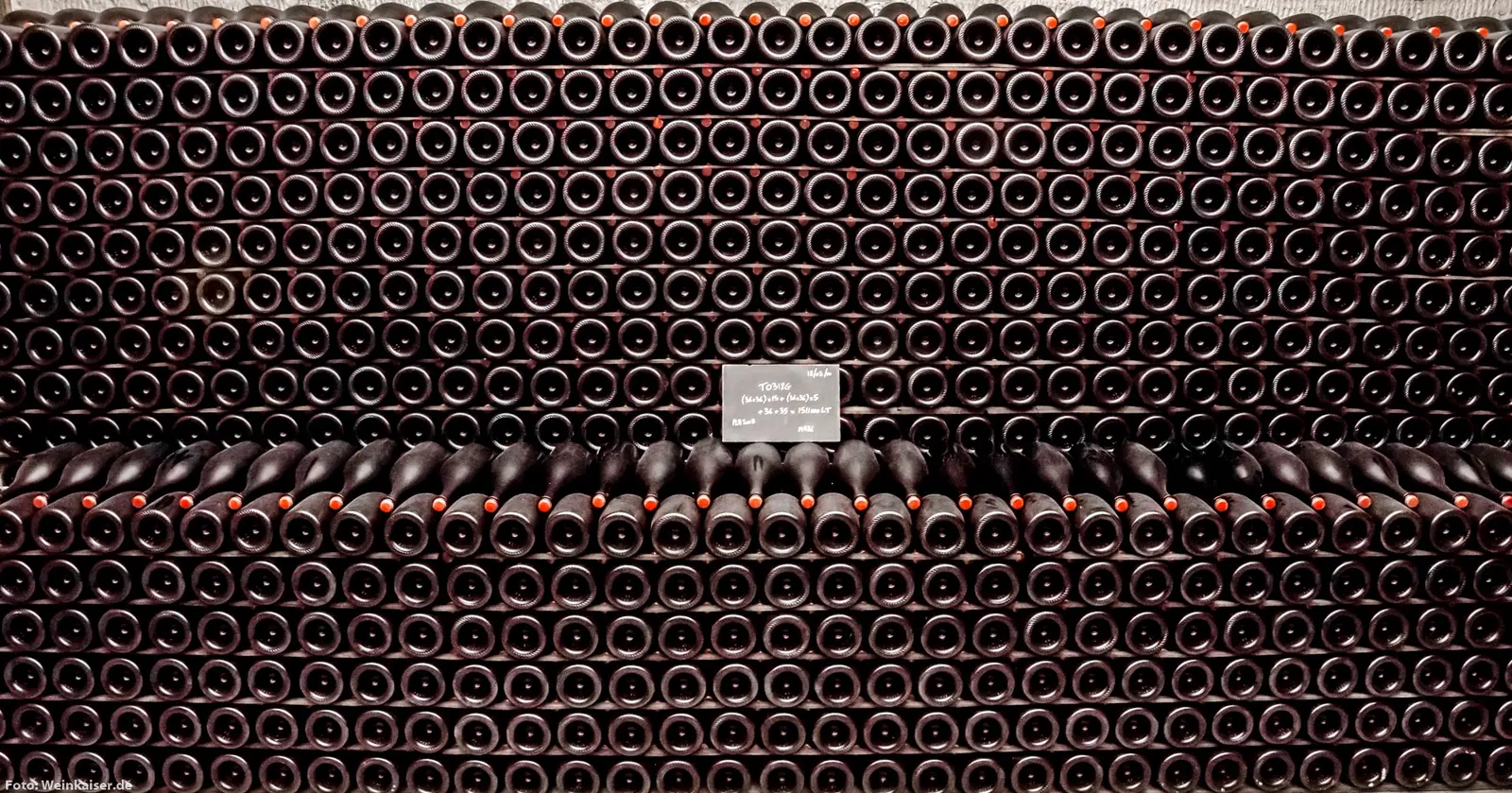
During the second fermentation, known as the "prise de mousse", yeast and sugar are added to the wine before the bottles are sealed with a crown cap. The bottles are then stored horizontally in the cellars, where fermentation proceeds slowly at consistently cool temperatures. This phase can last from several months to several years, depending on the desired style and quality of the champagne.
After the second fermentation, the bottles have to be riddled to move the yeast into the neck of the bottle. This process, known as "remuage", can be done by hand or by machine. The bottles are gradually tilted into a vertical position until the yeast collects in the neck. This too takes place in the cellier, as stable conditions are needed to ensure even maturation.
The next step is "dégorgement", in which the yeast is removed from the bottle. This is done by freezing the neck of the bottle and then removing the plug of yeast. The bottle is then sealed with a cork and an agrafe and returned to the cellier for its final maturation.
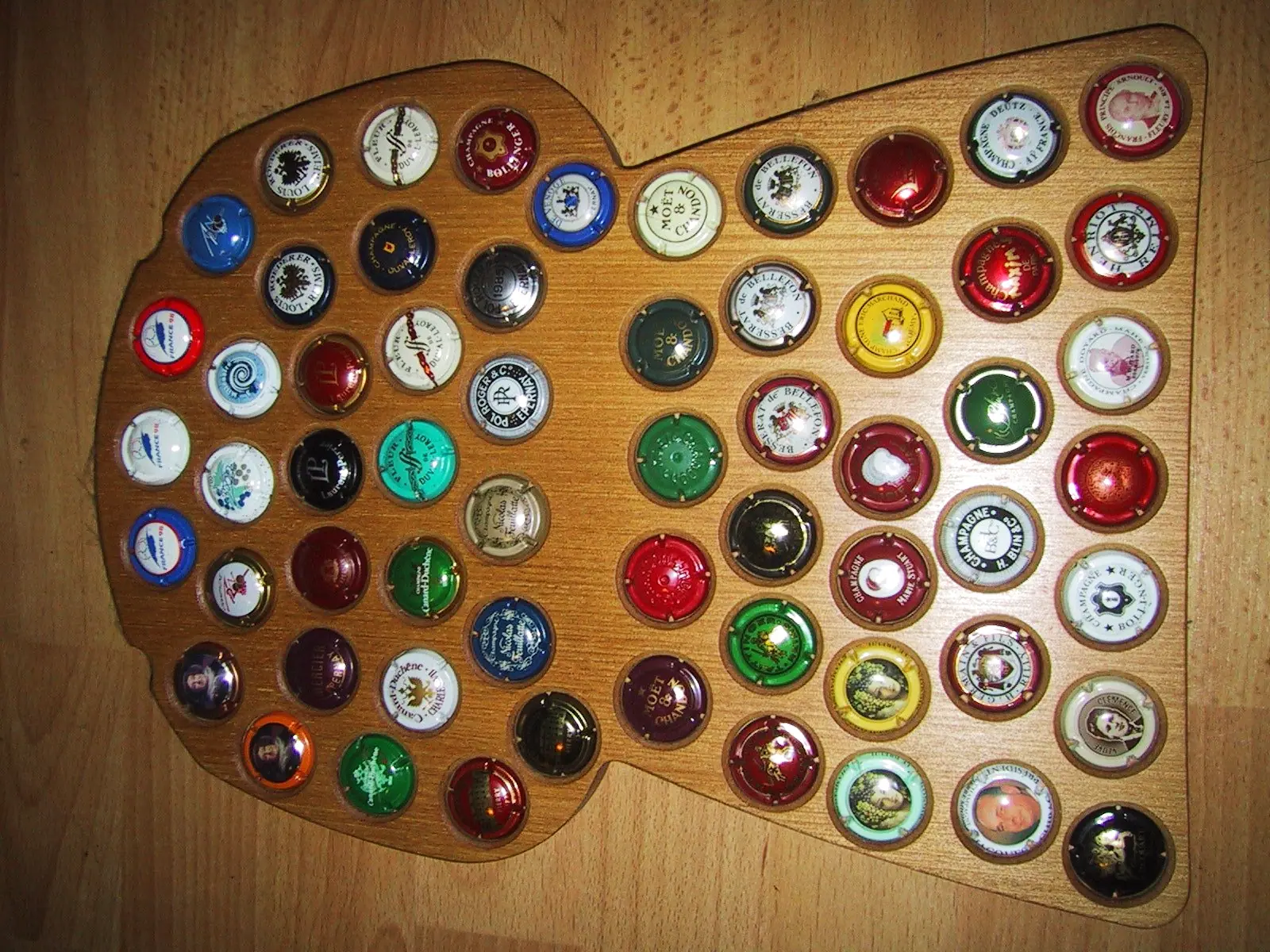
 De Venoge Champagner
03How the cellier influences the quality of champagne
The quality of a champagne depends heavily on the conditions in the cellier. The constant temperatures, which average around 10-12°C, and the high humidity of around 70-90% are crucial for the slow, even maturation of the wine. These conditions stop the wine from ageing too quickly and help to develop the fine aromas and the structure of the champagne.
Another important factor is the cleanliness and upkeep of the cellier. Dust and dirt can affect the quality of the wine, so the cellars are cleaned and maintained regularly. Modern technology such as air conditioning and humidifiers is often used to guarantee optimal conditions, especially in regions or cellars that do not naturally offer the ideal environment.
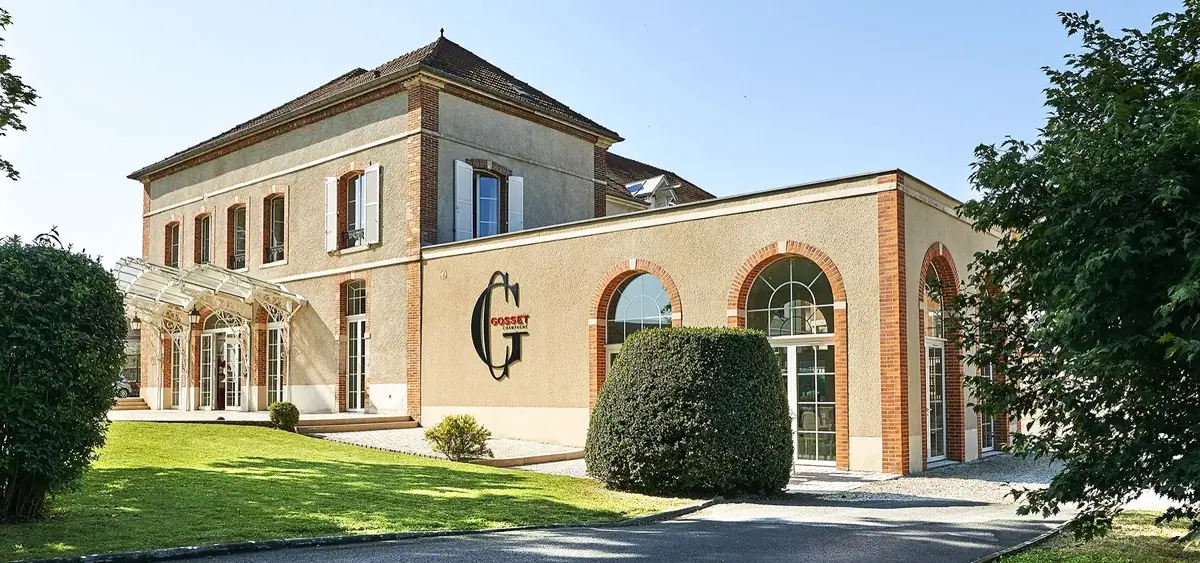 Gosset Champagner
04Examples of famous celliers in Champagne
Champagne has many famous wine cellars that are well worth a visit. The cellars of the great champagne houses such as Moët & Chandon, Veuve Clicquot and Dom Pérignon are known for their impressive underground galleries and centuries of history. These cellars often stretch for several kilometres and hold millions of bottles of champagne at various stages of maturation.
A particularly remarkable cellier is that of Ruinart, the oldest champagne house in the world, founded in 1729. The Ruinart cellars are cut into the chalk of the region and make a stunning setting for the maturation of their fine champagnes.
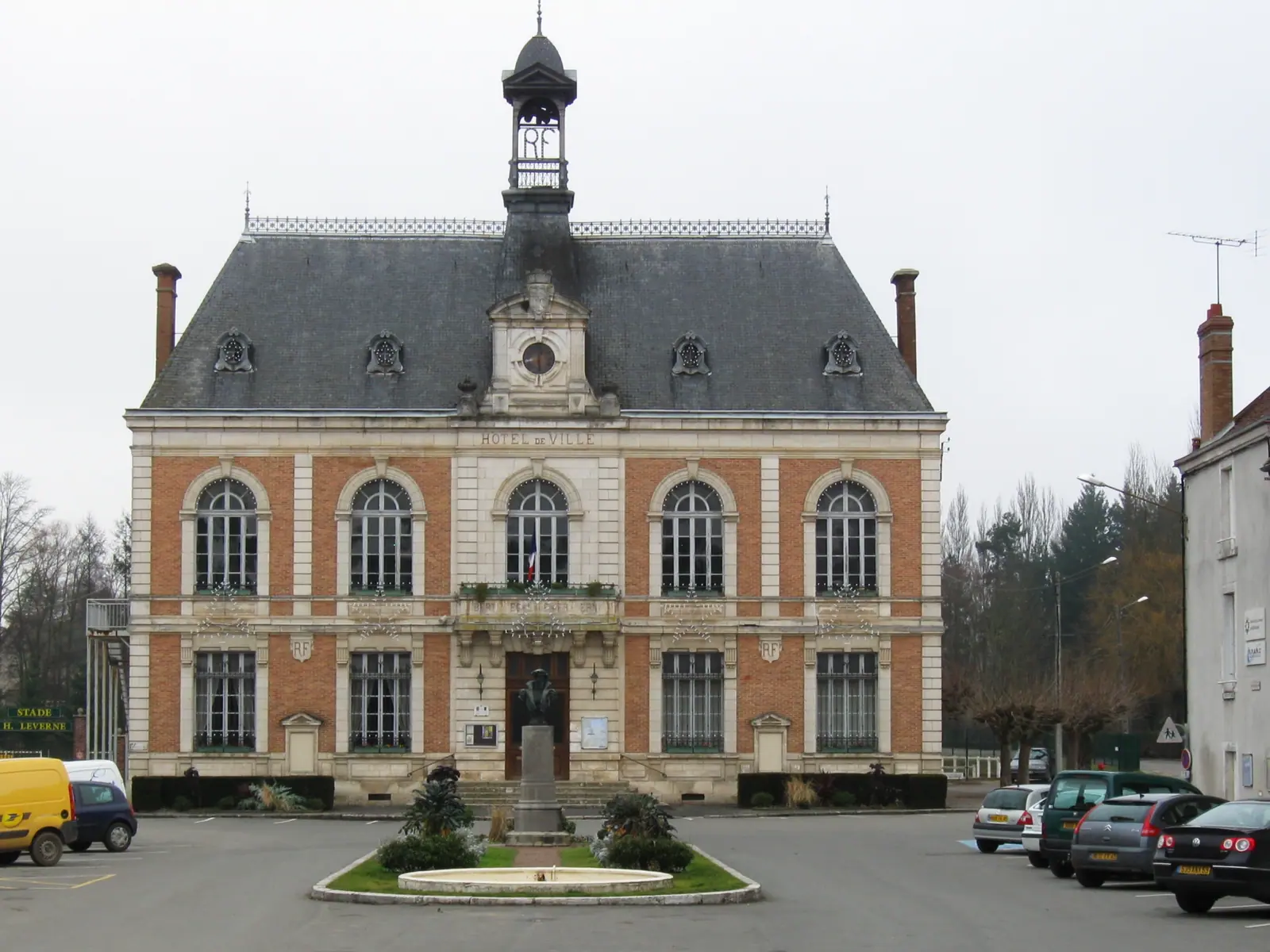
Another example is the house of Taittinger, whose cellars lie beneath the ruins of an old abbey. These historic cellars matter not only for the maturation of champagne but also as part of the region's cultural heritage.
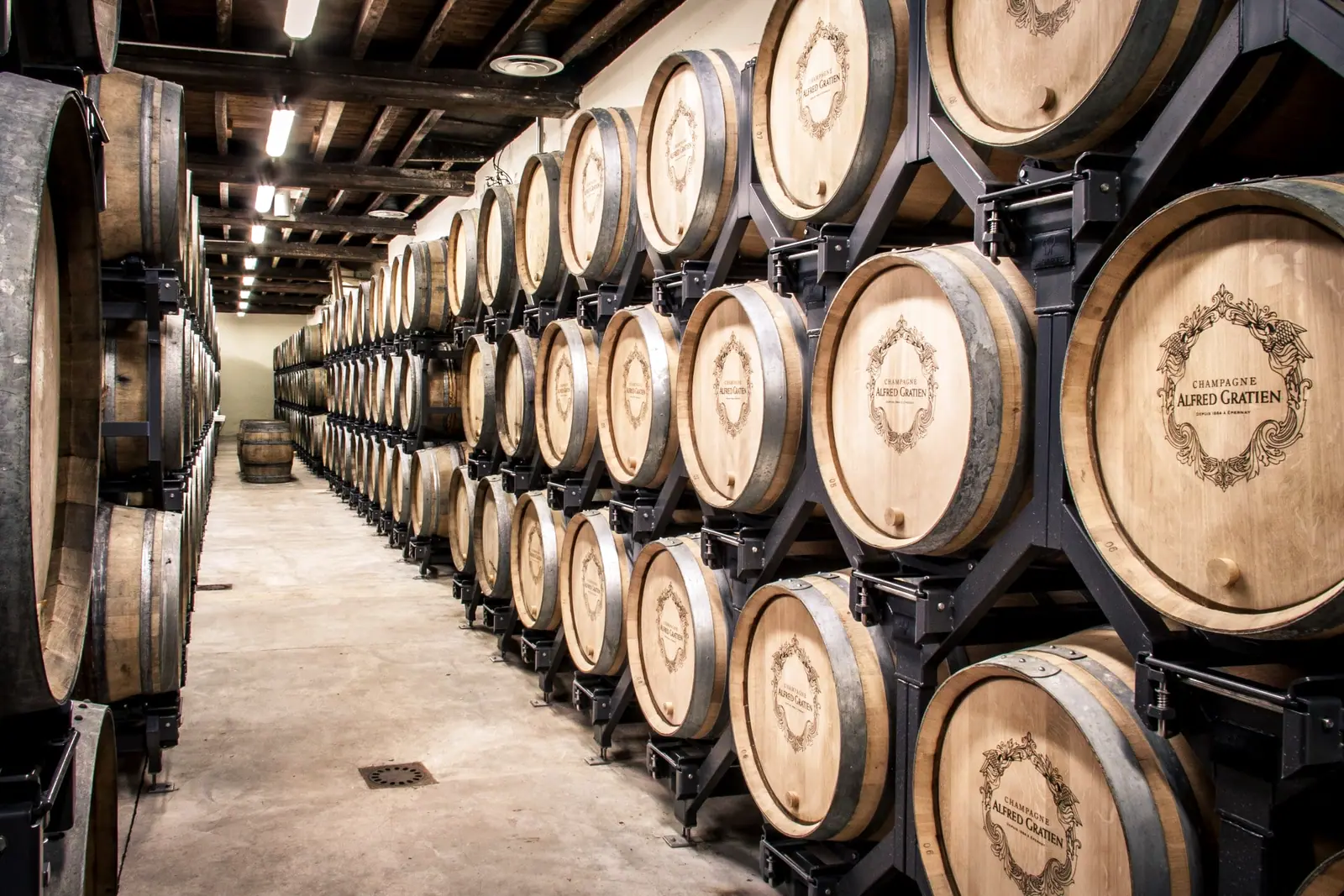
 Alfred Gratien Champagner, Trauben und Historische Rebsorten
05Conclusion
The cellier is an essential part of champagne production and plays a decisive role in developing the distinctive aromas and the quality of the finished wine. The historic and modern cellars of Champagne bear witness to a long winemaking tradition and offer an insight into the art and science of maturing champagne. Careful tending and optimal storage conditions in the cellier help champagne keep its worldwide reputation as the king of sparkling wines.
Pictures
 0 %
