
A carbon footprint measures the greenhouse gases released in growing, making, packaging and transporting a bottle of champagne. The Champagne industry has tracked it systematically for years and has set itself climate targets.
The carbon footprint, usually called the Bilan Carbone in France, adds up all the greenhouse gases linked to a product and expresses them in CO2 equivalents. For champagne, that runs from the vineyard through the cellar and the bottle store to delivery to the customer. Champagne is one of the wine regions that built a shared set of data for this early on.
Who compiles the figures
The trade body Comité Champagne first had the footprint of the entire appellation calculated in the early 2000s and repeats the exercise at intervals. That allows comparisons over time and shows where action pays off. The industry has also set itself the goal of cutting its emissions substantially by the middle of the century.
Where the emissions come from
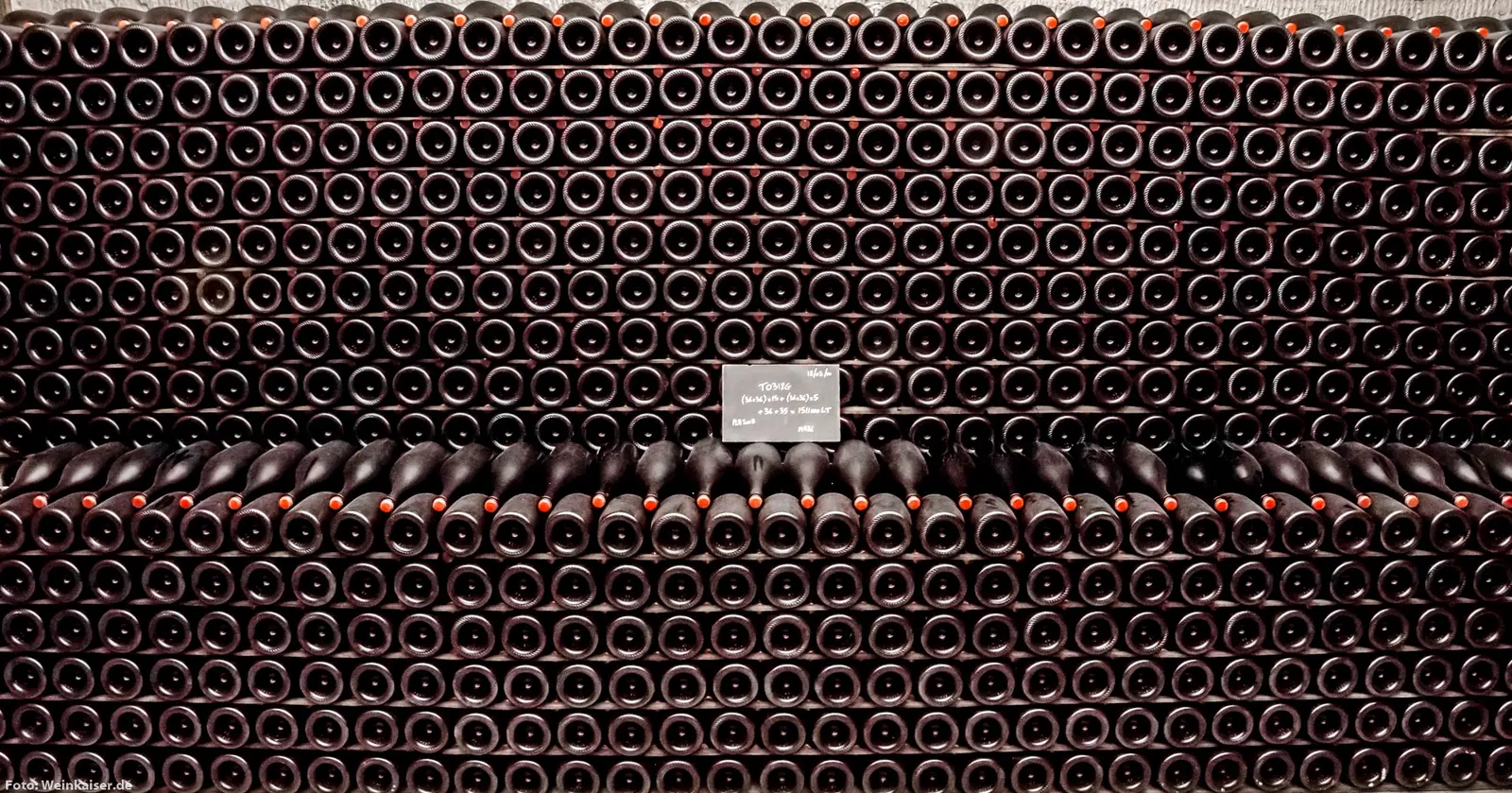
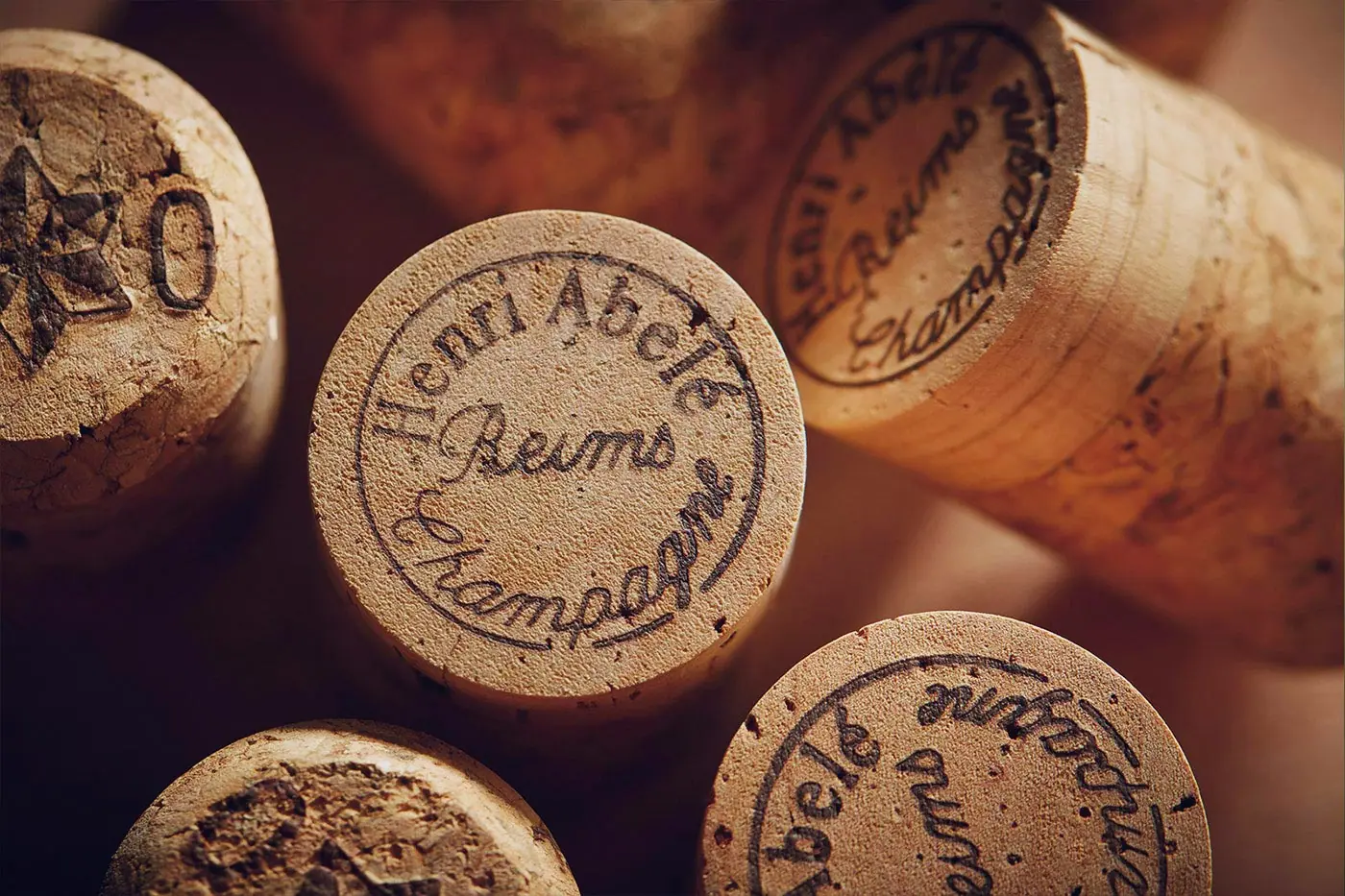
Packaging weighs in most heavily. Champagne bottles have to withstand the pressure of the second fermentation, which amounts to several bar, and are therefore made of thick glass. Producing and transporting that glass is one of the largest single items. Add to that the corks, wire cages (agrafes), labels and cartons.
One visible step was the lighter bottle, introduced since the late 2000s, which needs less glass for the same strength.
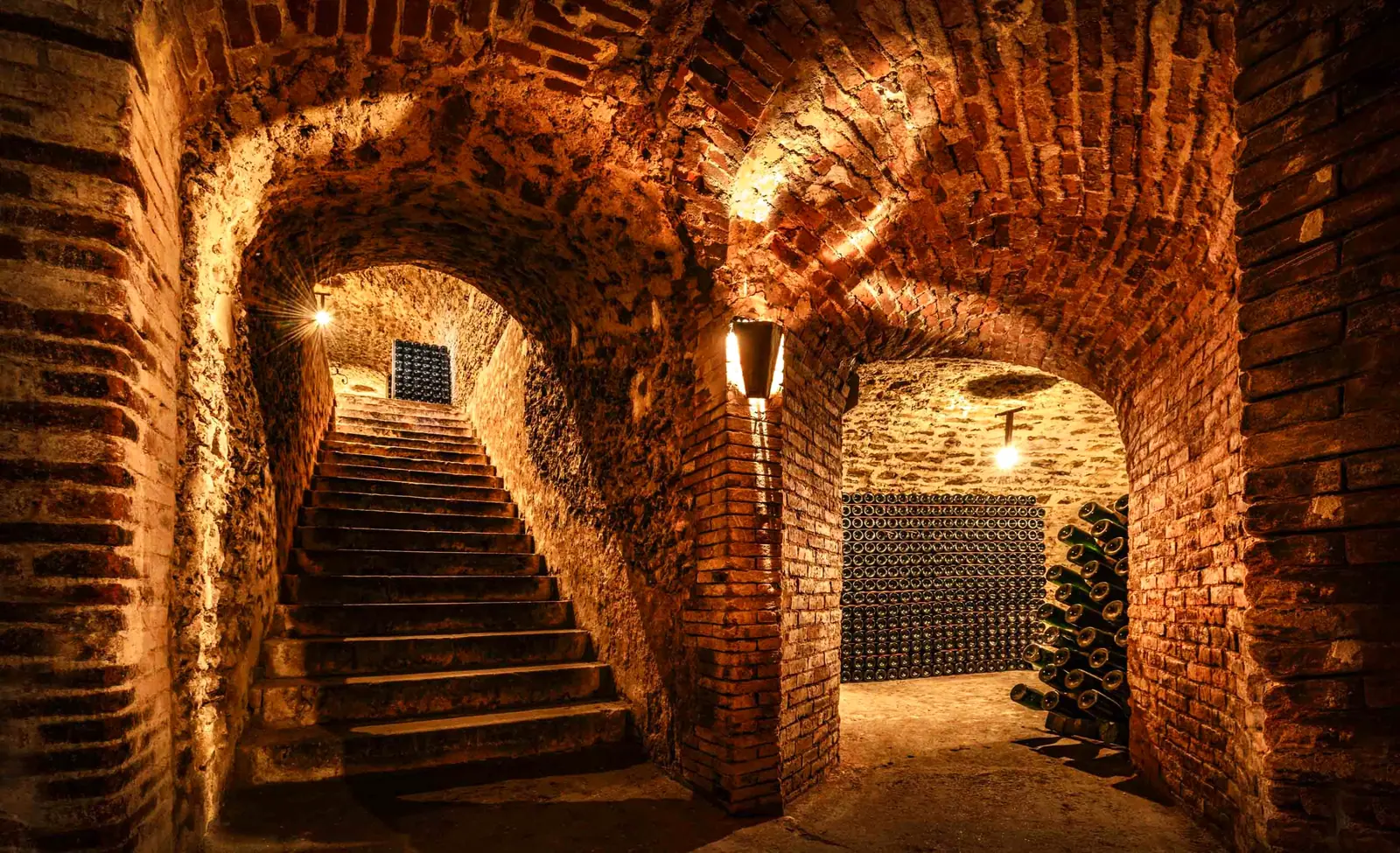
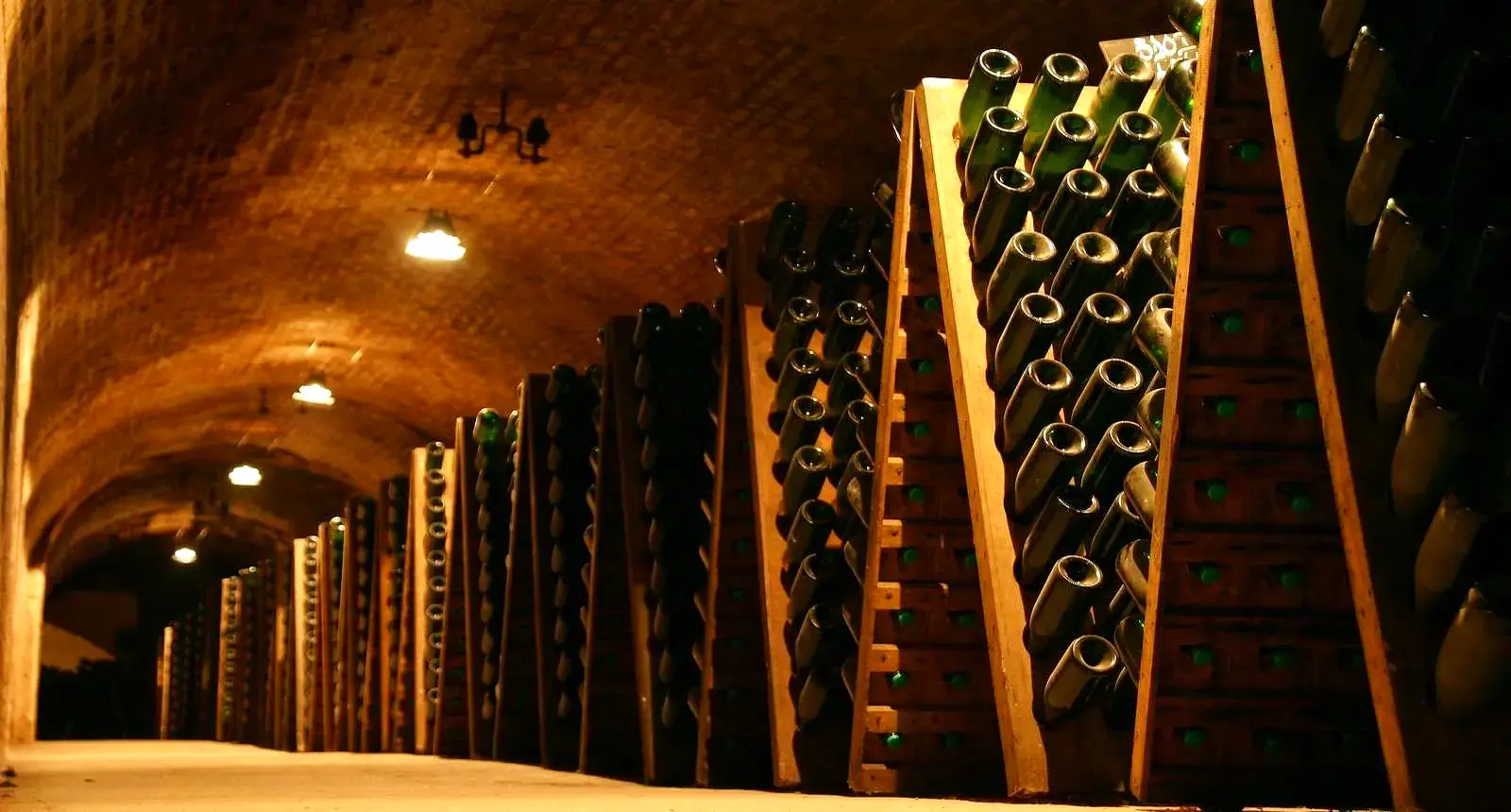
Further shares come from the vineyard and from the movement of goods. In the vines, it is machinery, crop protection and fertiliser. Then there are the journeys made by harvest pickers, the shipping of the bottles and the energy for presses, cooling and heating the buildings. The long ageing on the lees in the cellar, by contrast, uses relatively little energy, because the chalk cellars of Champagne are cool and at a constant temperature anyway.
What the industry is doing
One visible step was the lighter bottle, introduced since the late 2000s, which needs less glass for the same strength. In the vineyard, certifications such as Viticulture Durable en Champagne are meant to reduce the use of inputs and encourage biodiversity. Many houses are also turning to green electricity, insulation, solar panels and better logistics, for instance more transport by ship or rail instead of by lorry or plane.
How to read the claims
A footprint per bottle depends heavily on what goes into the calculation and which method is used. Figures from individual houses are therefore only partly comparable. More telling are transparent details of the method and the boundaries of the calculation, along with reduction steps you can actually follow, for example in bottle weight, energy use or the vineyard.
Pictures


 0 %
