
Destemming (French: égrappage) means removing the grapes from their stems. It matters because the stems contain tannins and bitter compounds that can have a negative effect on the must.
Destemming grapes in champagne production: a detailed look
Destemming, known in French as "égrappage", is an important step in champagne production. It is the process of removing the grapes from their stems to safeguard the quality of the must. In champagne this step matters all the more, because the quality of the grapes directly shapes the taste and finesse of the finished wine.
How destemming works
- Harvesting the grapes
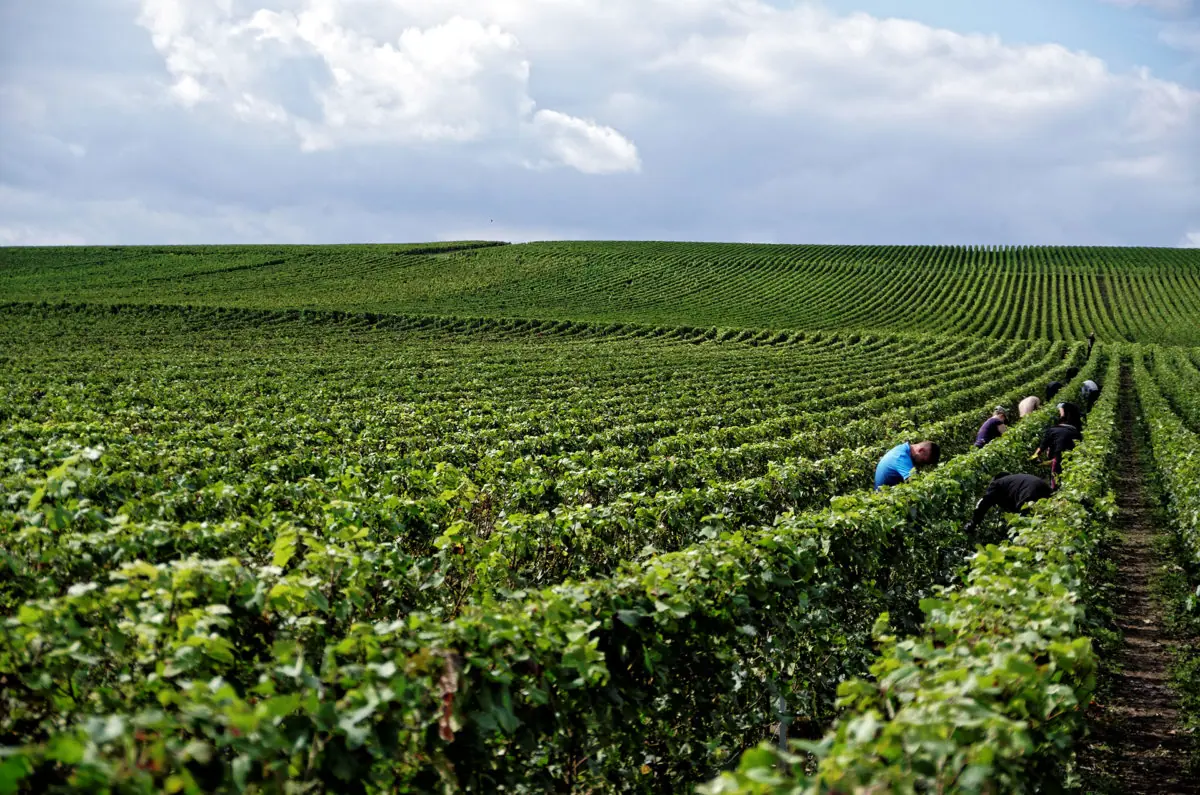
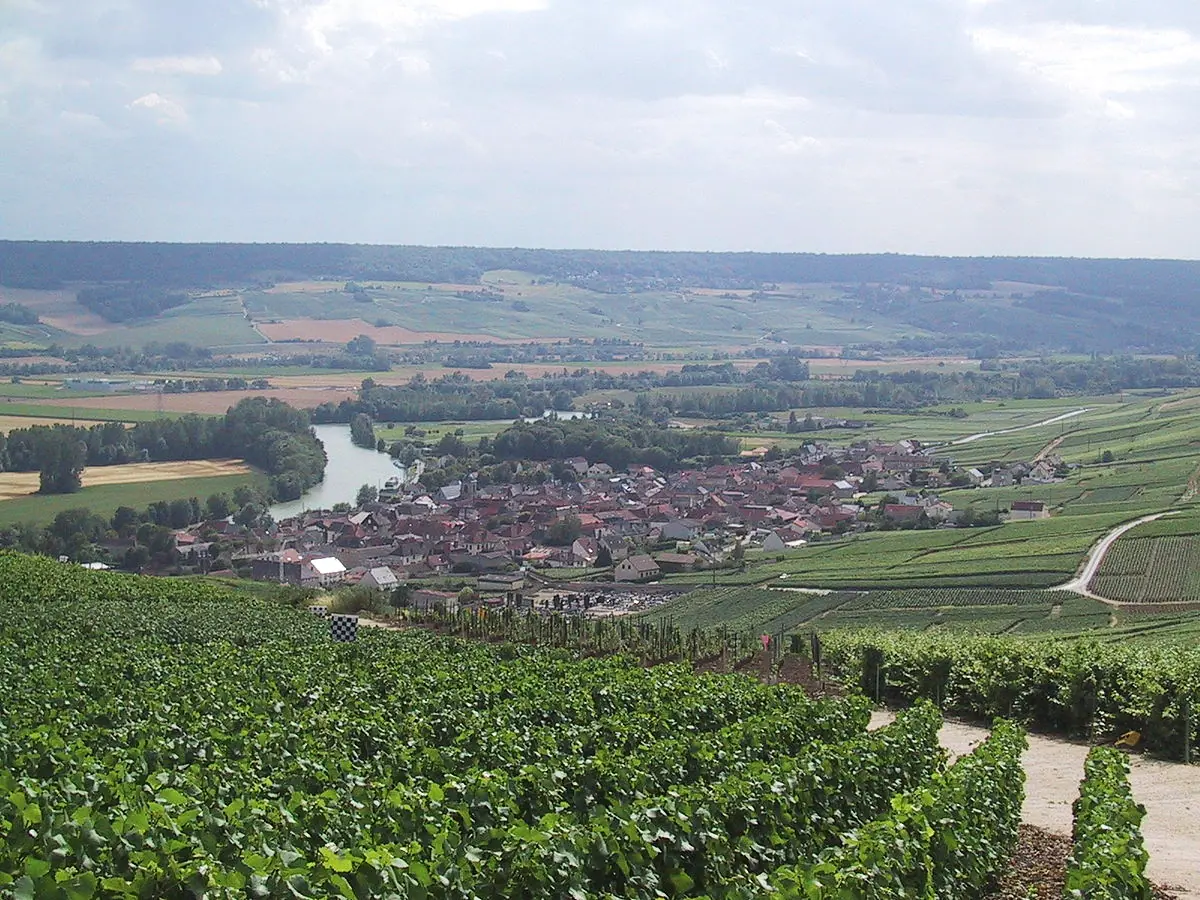
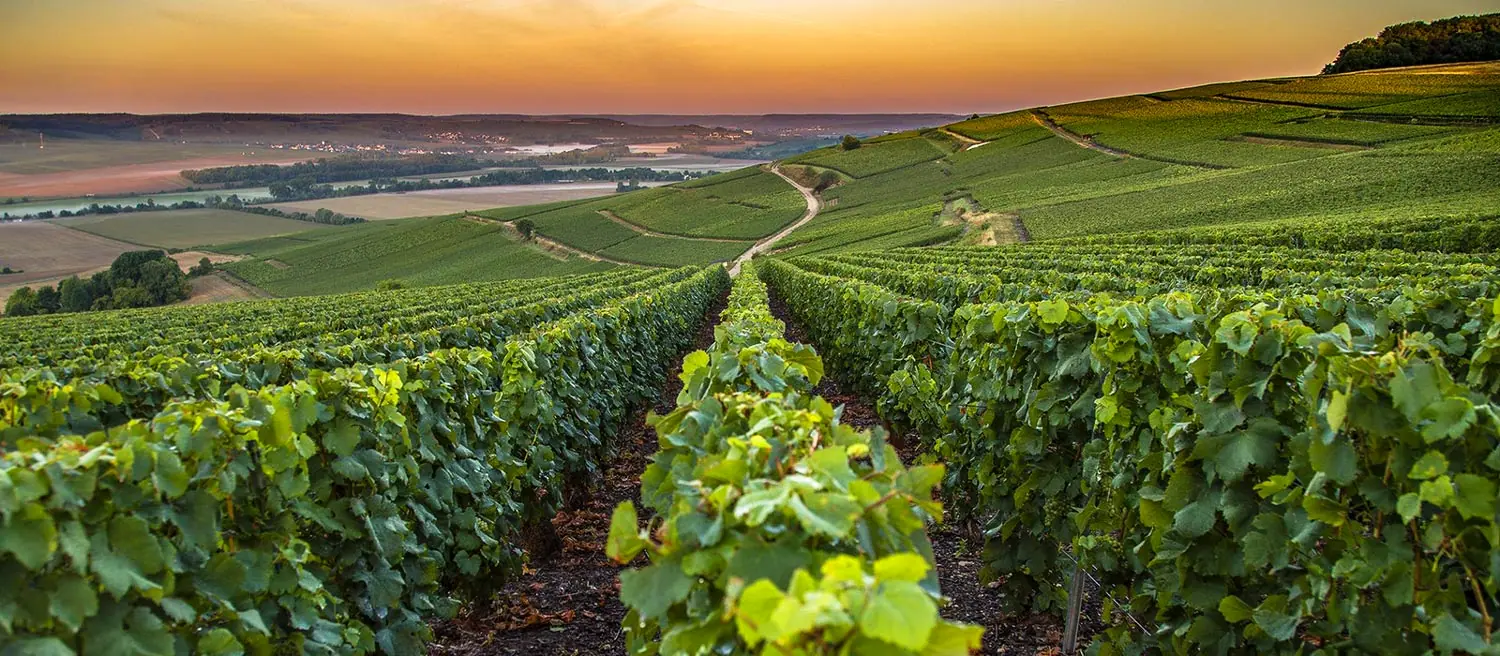
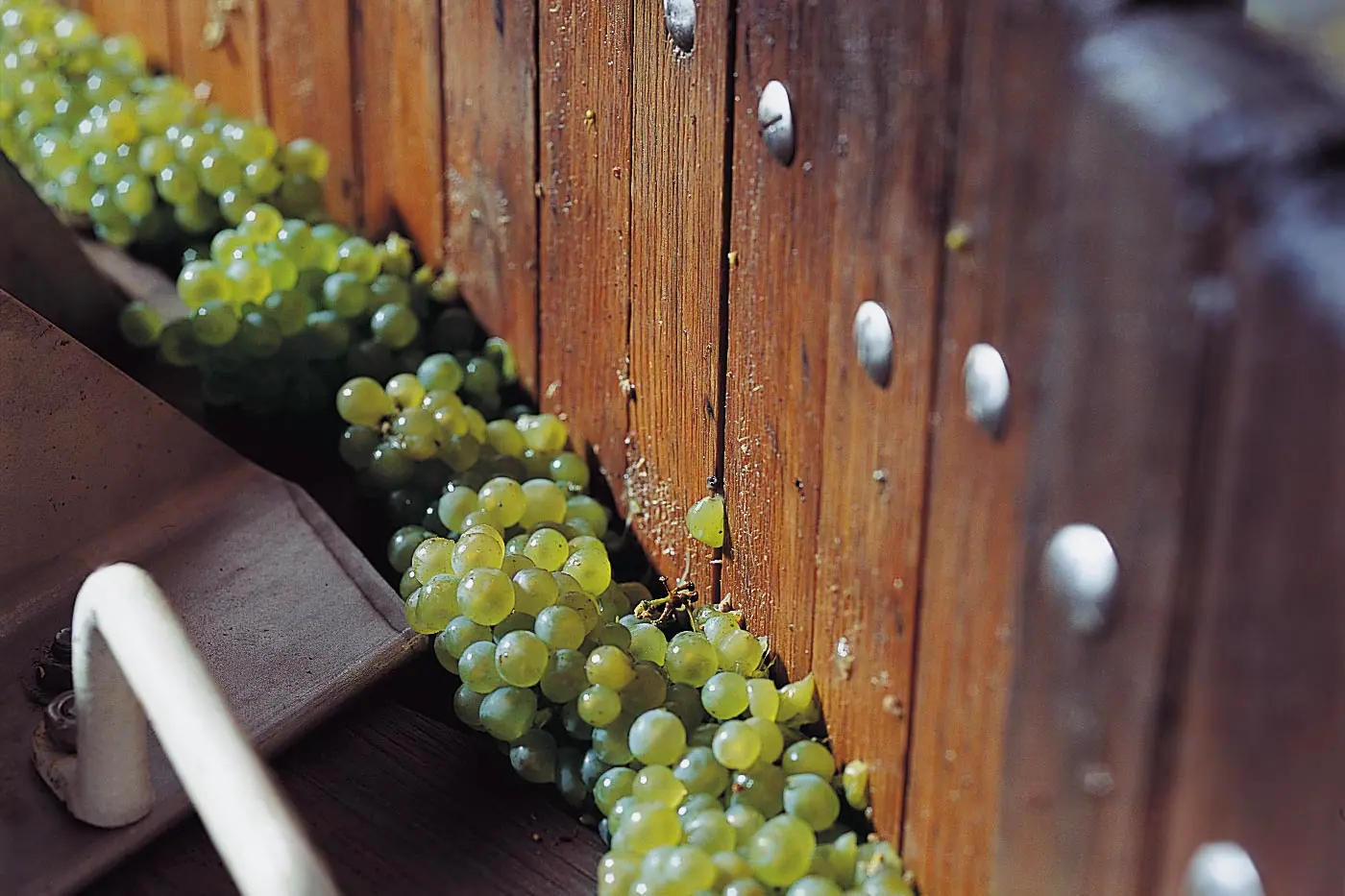
The destemming process begins with the harvest. In the Champagne region in north-eastern France, grapes are traditionally picked between mid-September and early October. Choosing the right moment is crucial, as the grapes must reach ideal ripeness to give the best quality for the champagne. - Transport and processing
After picking, the grapes are carefully taken to the pressing houses to avoid damaging the fruit. Once there, they are processed in so-called "pneumatic presses". These presses are designed to extract the juice gently, without crushing the pips or the stems. - Destemming
Destemming itself is done either by hand or by machine. With the manual method, the grapes are separated from the stems by hand, which allows precise control over quality. This method is generally used for high-quality champagnes. The mechanical method uses modern destemmers, which work efficiently and on a larger scale. The machines remove the stems through mechanical movement while the grapes pass through a sieve or conveyor system. - Effect on wine quality
Removing the stems is very important, because they contain tannins and bitter flavour compounds that could have a negative effect on the must. If the stems are left in during pressing, they can give the wine unwanted aromas and a green note. Destemming ensures that the must is clearer and finer, which leads to a more elegant and better balanced champagne. - Fermentation and ageing
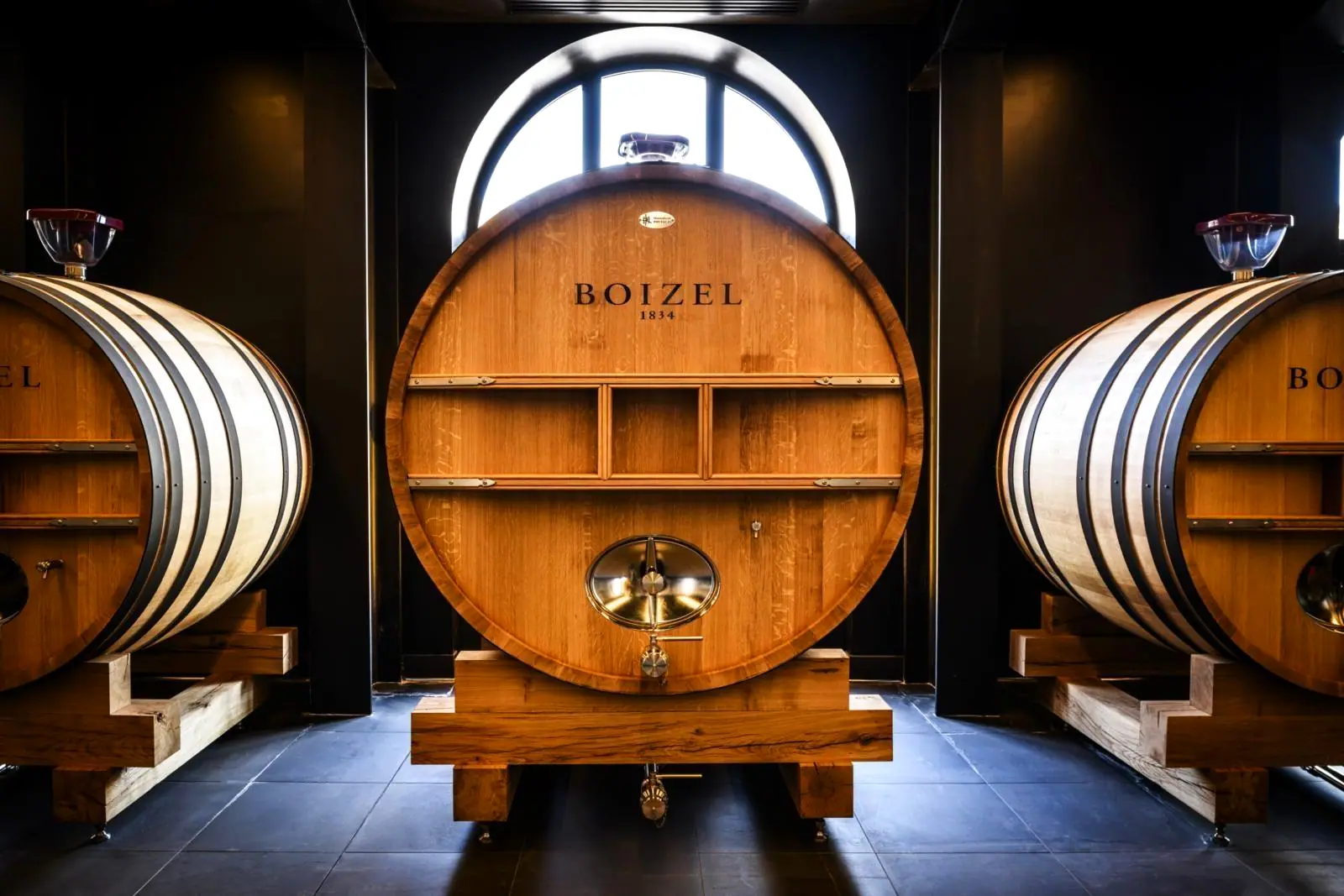
Once the grapes have been destemmed and pressed, the must goes into fermentation vessels to start the first fermentation. This can take place in stainless steel tanks or in oak barrels. The first fermentation usually lasts several weeks and is started by adding yeast. After it, the wine is bottled for the second fermentation, which creates the characteristic bubbles. - Lees ageing and riddling
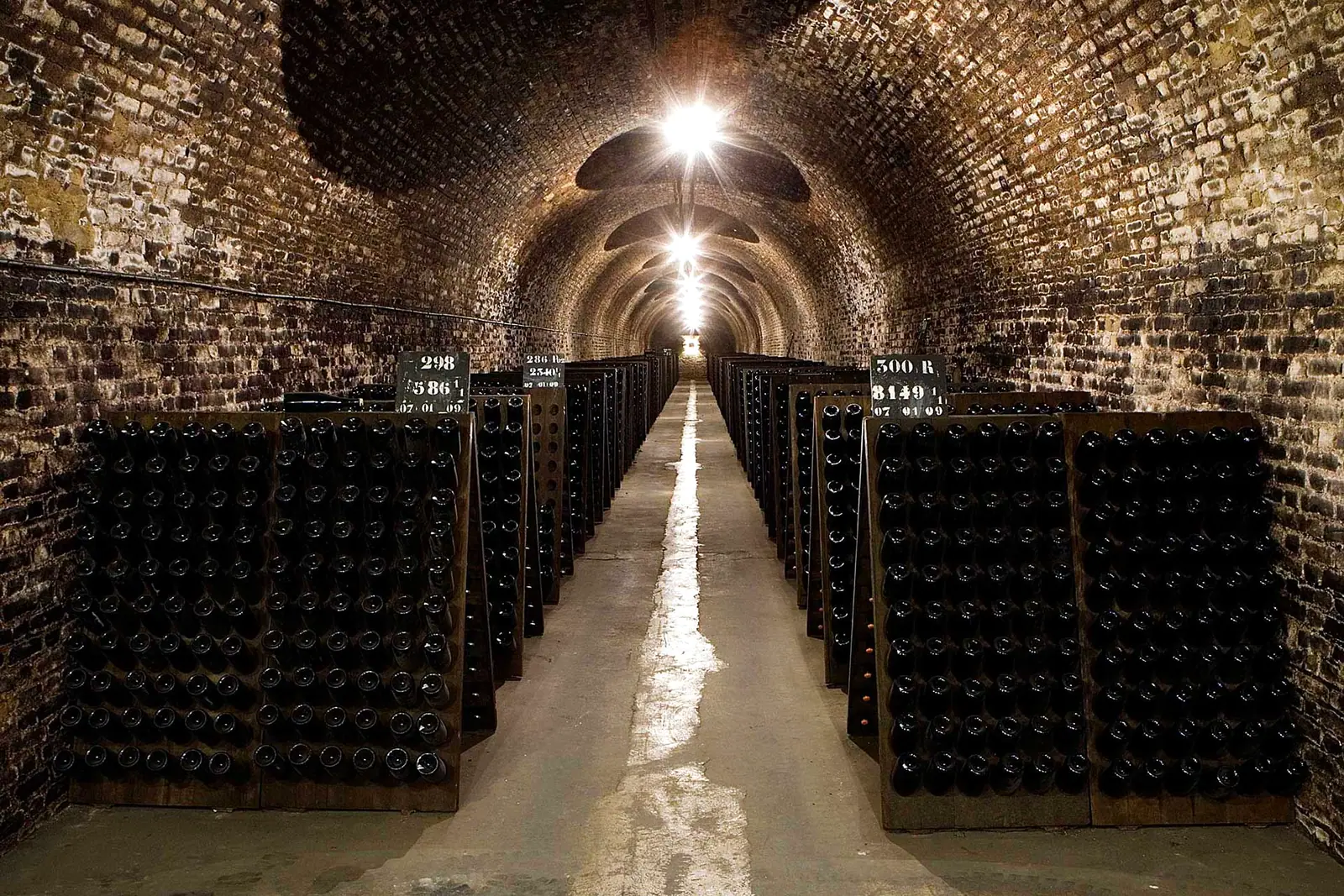
After the second fermentation, the champagne stays for some time on its yeast, the so-called "lees". During this period the champagne develops additional aromas and complexity. The bottles are turned regularly (remuage) to move the yeast into the neck of the bottle, where it is removed later. - Dégorgement and dosage
Dégorgement is the final step, in which the yeast is removed from the bottle neck. A dosage is then added, a mixture of champagne and sugar, to achieve the desired taste and sweetness of the finished wine.
In short
Destemming is an essential step in champagne production and contributes greatly to the quality of the finished wine. By removing the stems precisely, the must is kept free of bitter and tannic components, which gives a fine and elegant champagne. Whether done by hand or by machine, the aim stays the same: an exquisite champagne that impresses with its clarity and complexity.
Pictures


 0 %
