
Récolte is the French word for harvest. In Champagne it is traditionally done by hand, and the timing depends on the sugar level, acidity and pH of the grapes.
The "récolte", the French word for harvest, is a decisive moment in the making of champagne. This process largely determines the quality and character of the finished wine. The whole sequence is an interplay of nature, knowledge and craft that reaches back centuries and keeps evolving. Below, the importance of the récolte is described in detail, including the preparation, the harvest itself and what follows.
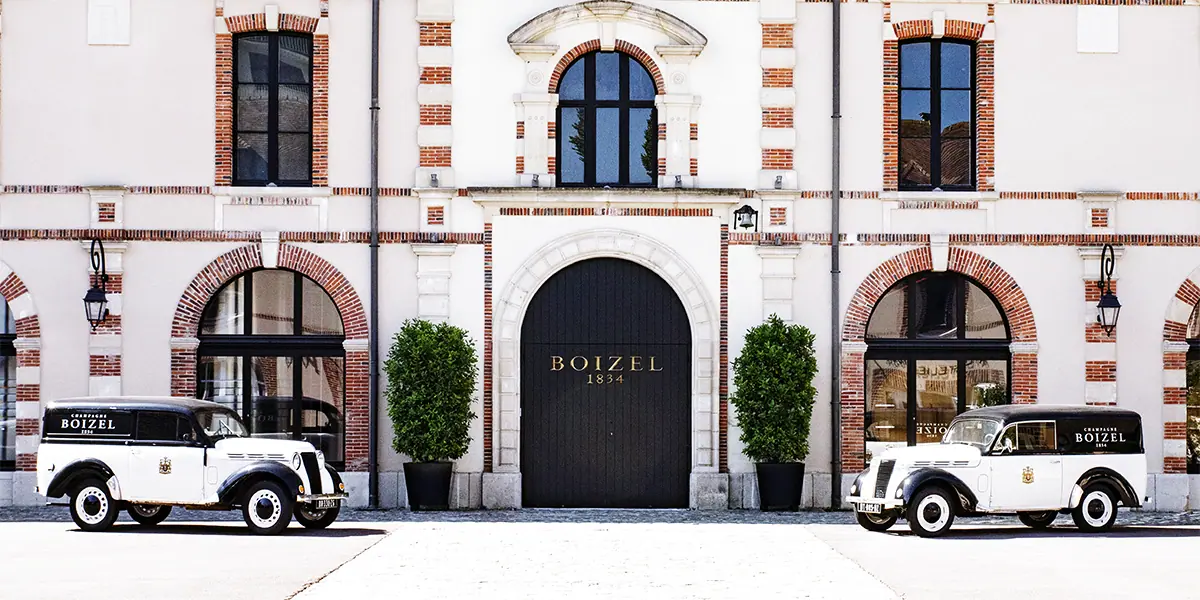
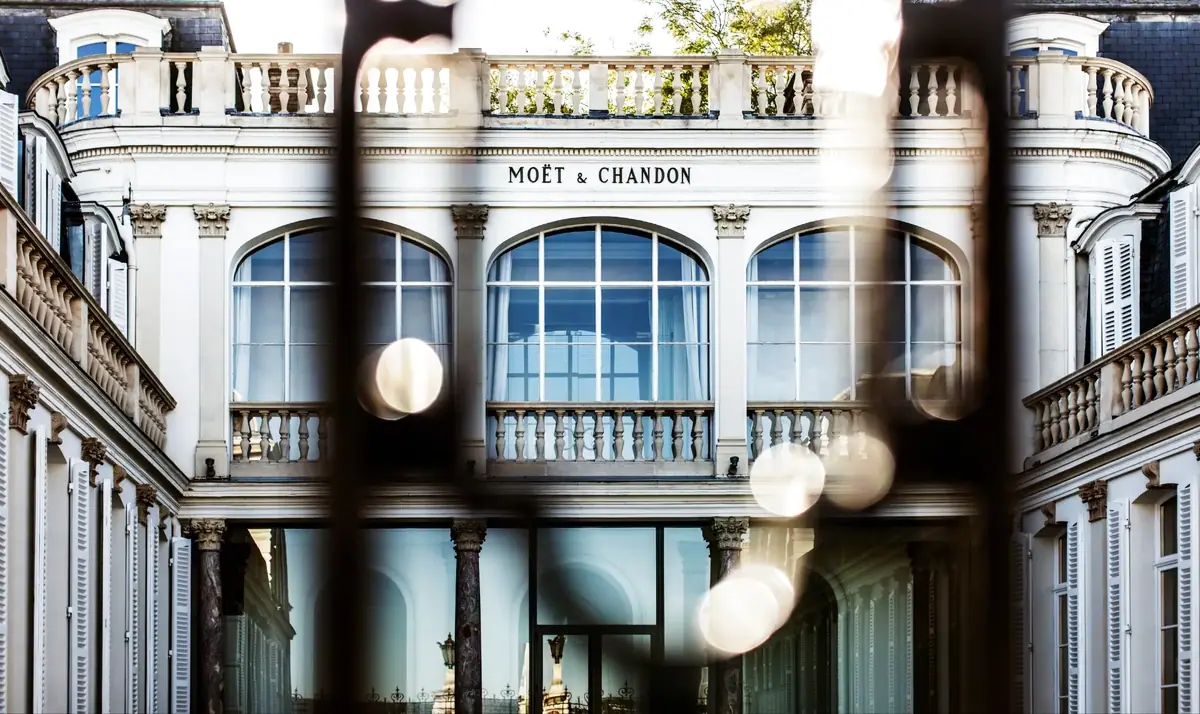 Moët & Chandon Champagner Haus
01Preparing for the récolte
Vineyards and grape varieties
The Champagne region in north-eastern France is home to some of the most famous vineyards in the world. The main grape varieties used for champagne are Pinot Noir, Pinot Meunier and Chardonnay. Each of them brings its own qualities to the wine. Pinot Noir gives structure and body, Pinot Meunier adds fruitiness and Chardonnay brings freshness and elegance.
Weather and ripening
The weather plays a decisive role in preparing for the harvest. Growers watch the climate closely all year round, because spring frost, too much rain in summer or hailstorms in autumn can seriously damage the quality of the grapes. Ideal ripening needs a balanced mix of sun and rain. A summer that is too hot can dry the grapes out, while too much rain can lead to rot.
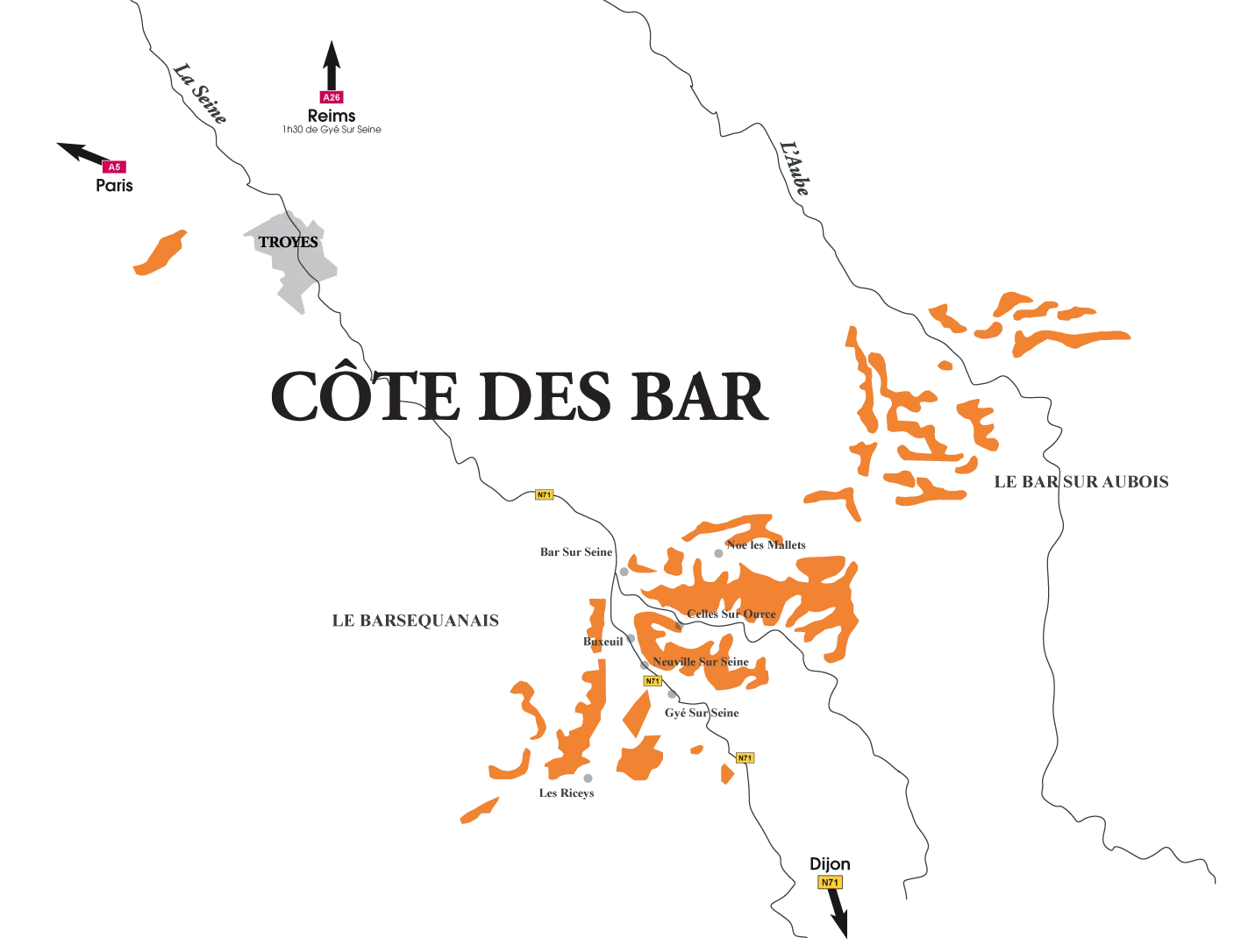
Deciding when to pick
The timing of the harvest is crucial and is set by how ripe the grapes are. Growers run regular tests to check sugar level, acidity and pH. These figures show when the grapes have reached optimal ripeness. The decision to start picking is often taken together with the local growers' associations and on the basis of weather forecasts.
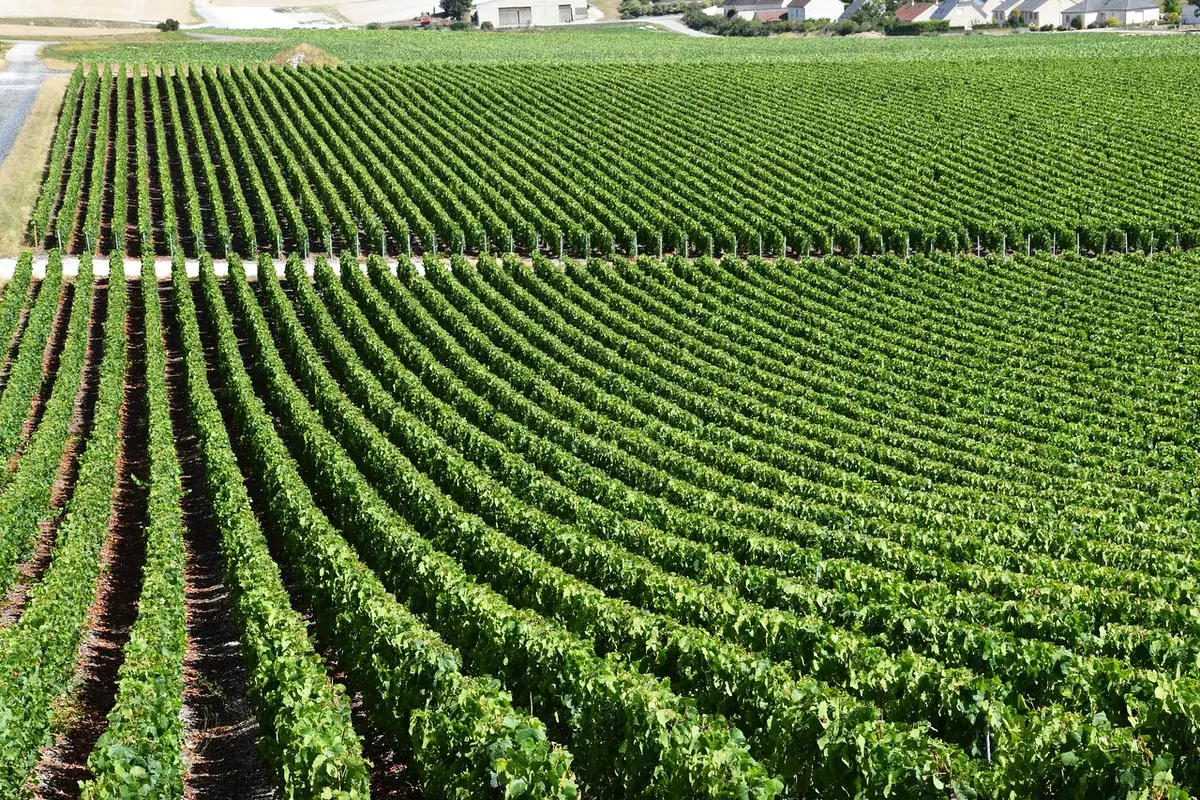 Billy-le-Grand
02Carrying out the récolte
Harvesting by hand
Traditionally, grapes for champagne are picked by hand. It is a labour-intensive method, but it ensures that the grapes are carefully selected and arrive undamaged. Careful hand-picking matters all the more because damaged grapes can bring unwanted flavours into the wine.
Selecting the grapes
During the harvest the grapes are placed in small baskets or crates to avoid bruising and crushing. The pickers, often supported by seasonal workers, take care to pick only the best bunches. This calls for a trained eye and plenty of experience, since overripe or underripe grapes can harm the quality of the champagne.
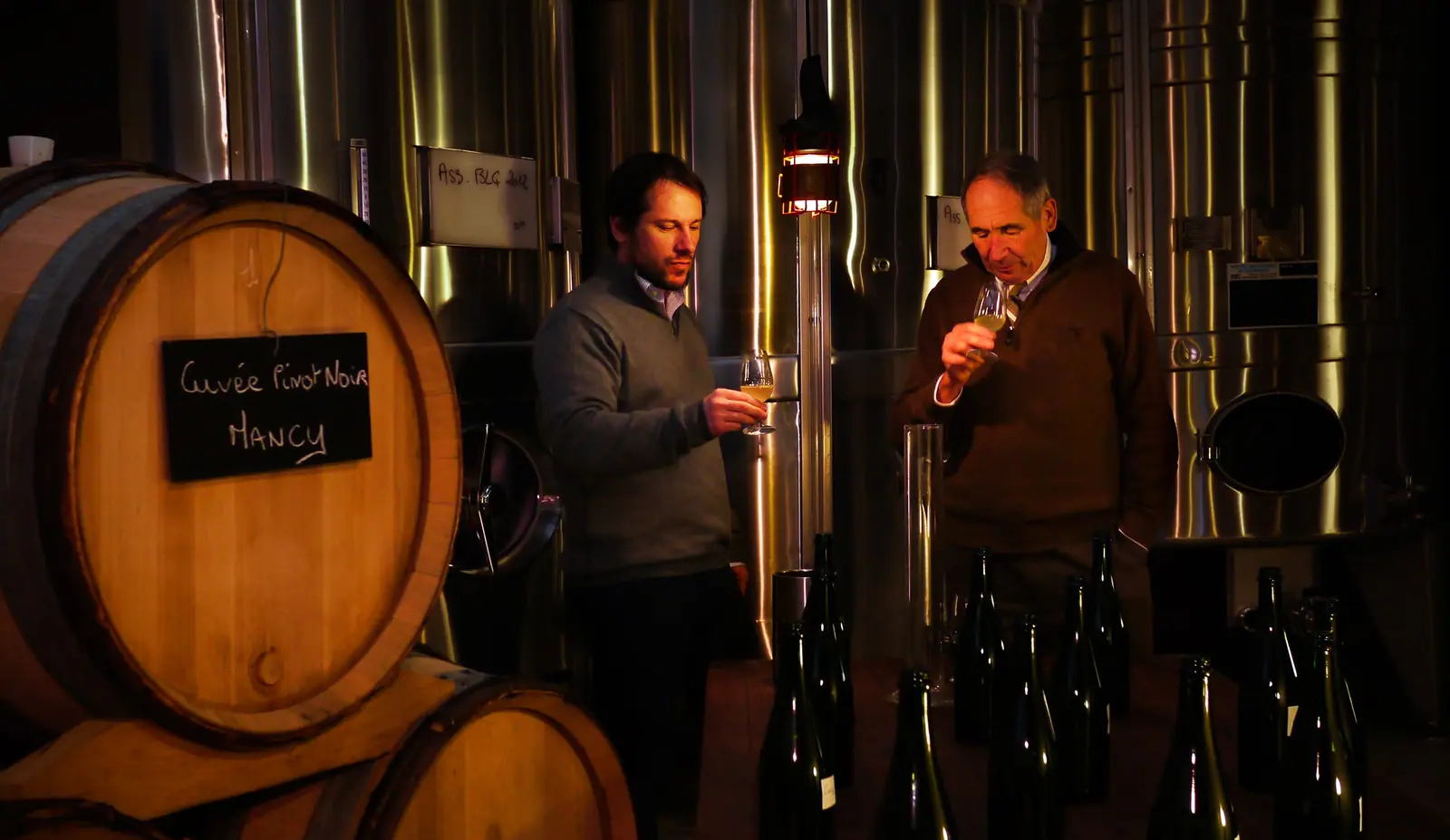
Transport and pressing
After picking, the grapes are taken to the press house as quickly as possible. This is where vinification begins. Fast handling is important to avoid oxidation and keep the grapes fresh. At the press house the grapes are pressed, and the juice is run into barrels or tanks to start fermentation.
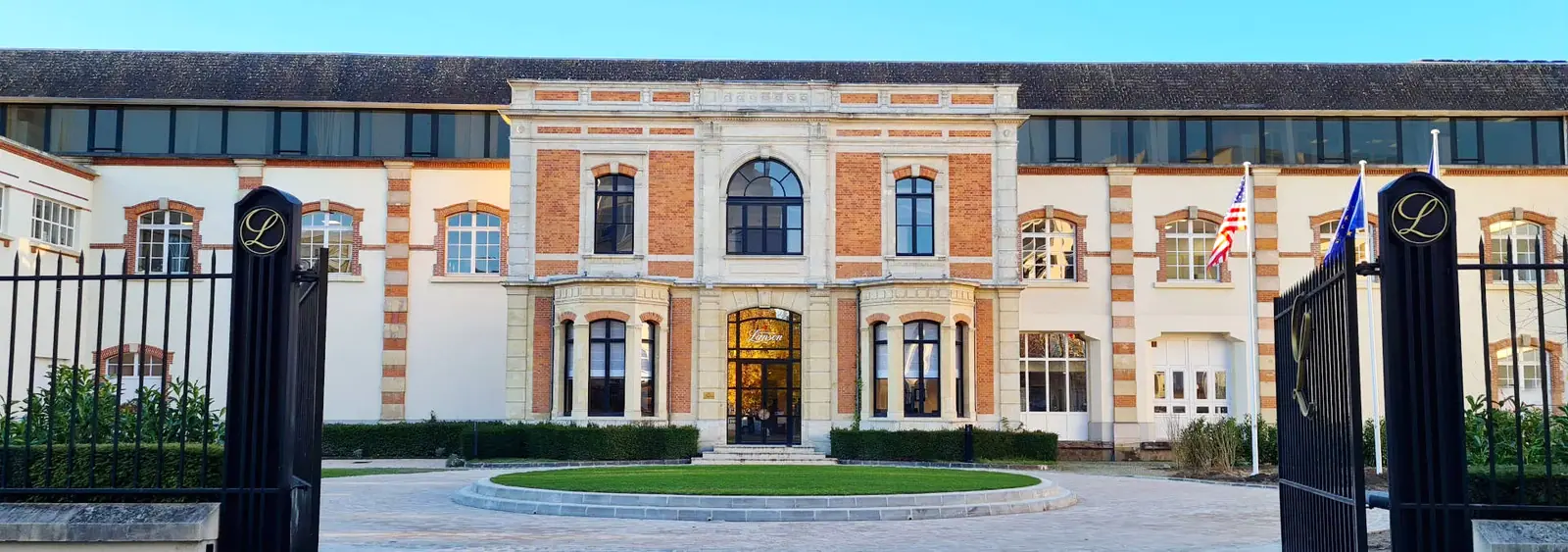
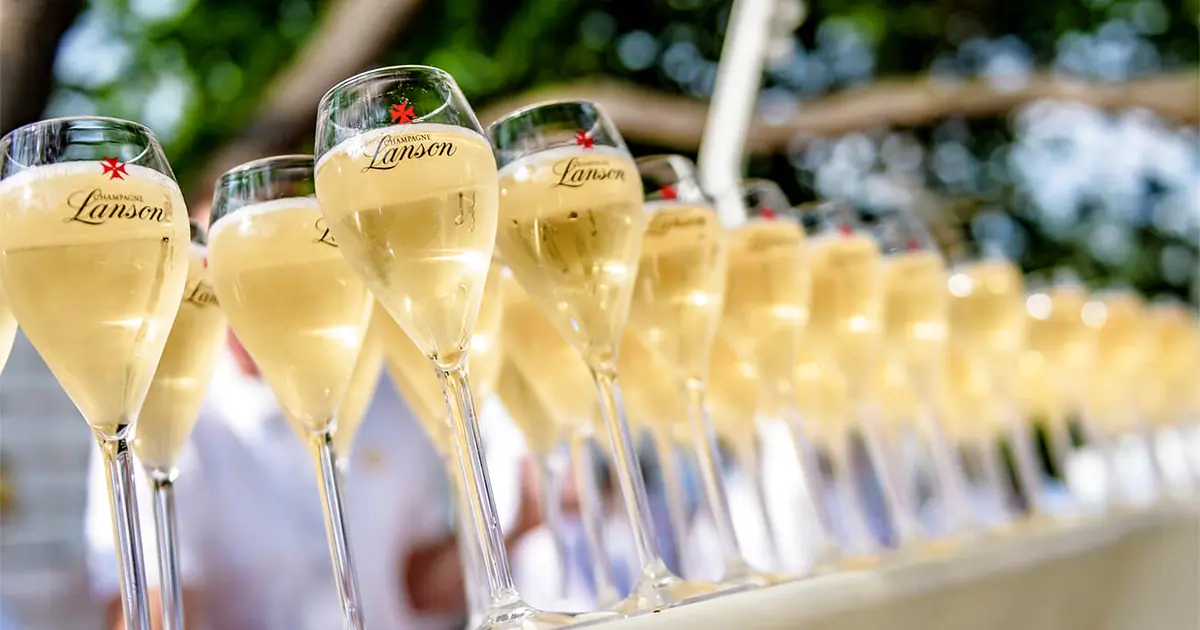 Lanson Champagner Gläser
03After the harvest and quality control
First fermentation
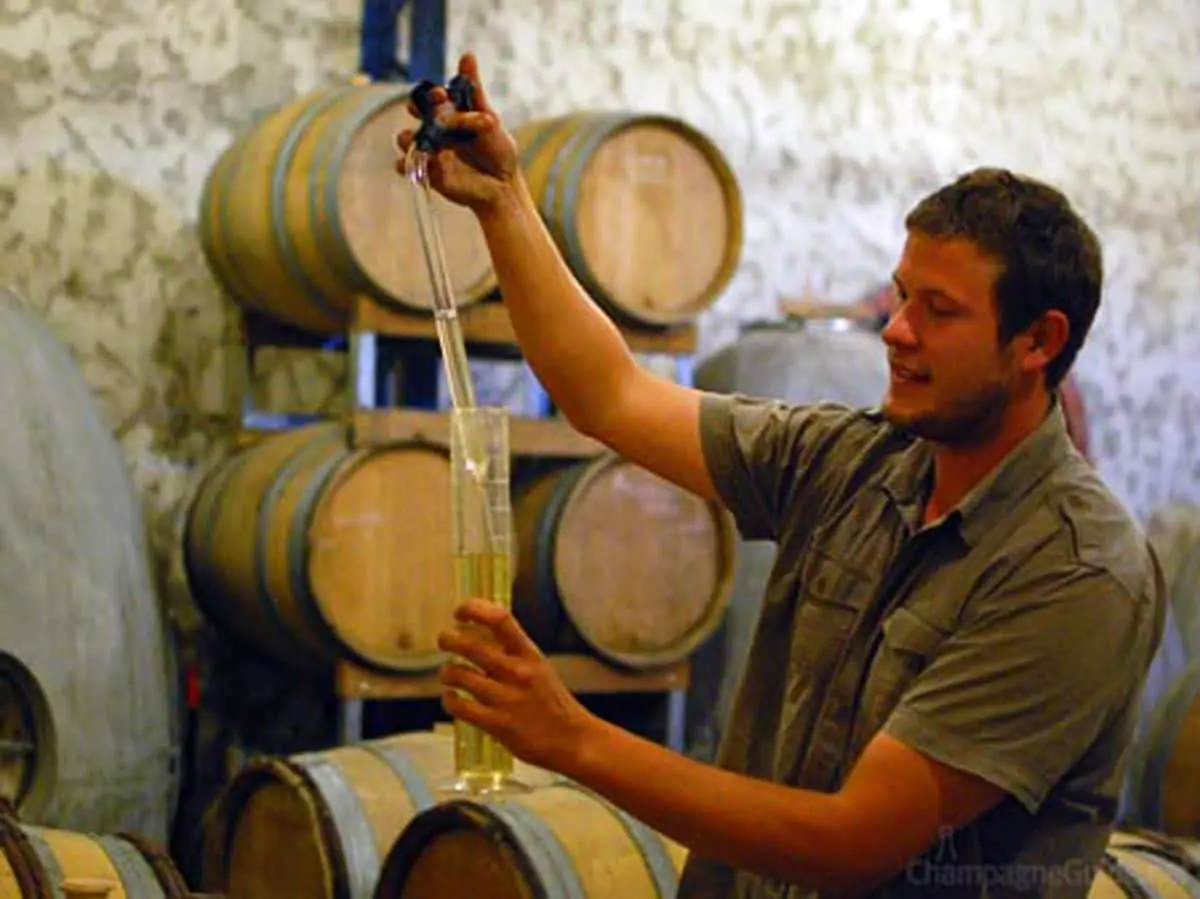
The first fermentation, also called alcoholic fermentation, turns the sugar in the grape juice into alcohol. It takes place in stainless steel tanks or oak barrels and can last several weeks. During this time the cellar masters monitor the temperature and other parameters to make sure fermentation proceeds evenly.
Assemblage
After the first fermentation comes the assemblage, in which different base wines are blended to achieve the desired taste and style of the champagne. It is a creative and complex process that demands a great deal of experience and a fine feel for aromas.
Second fermentation and ageing
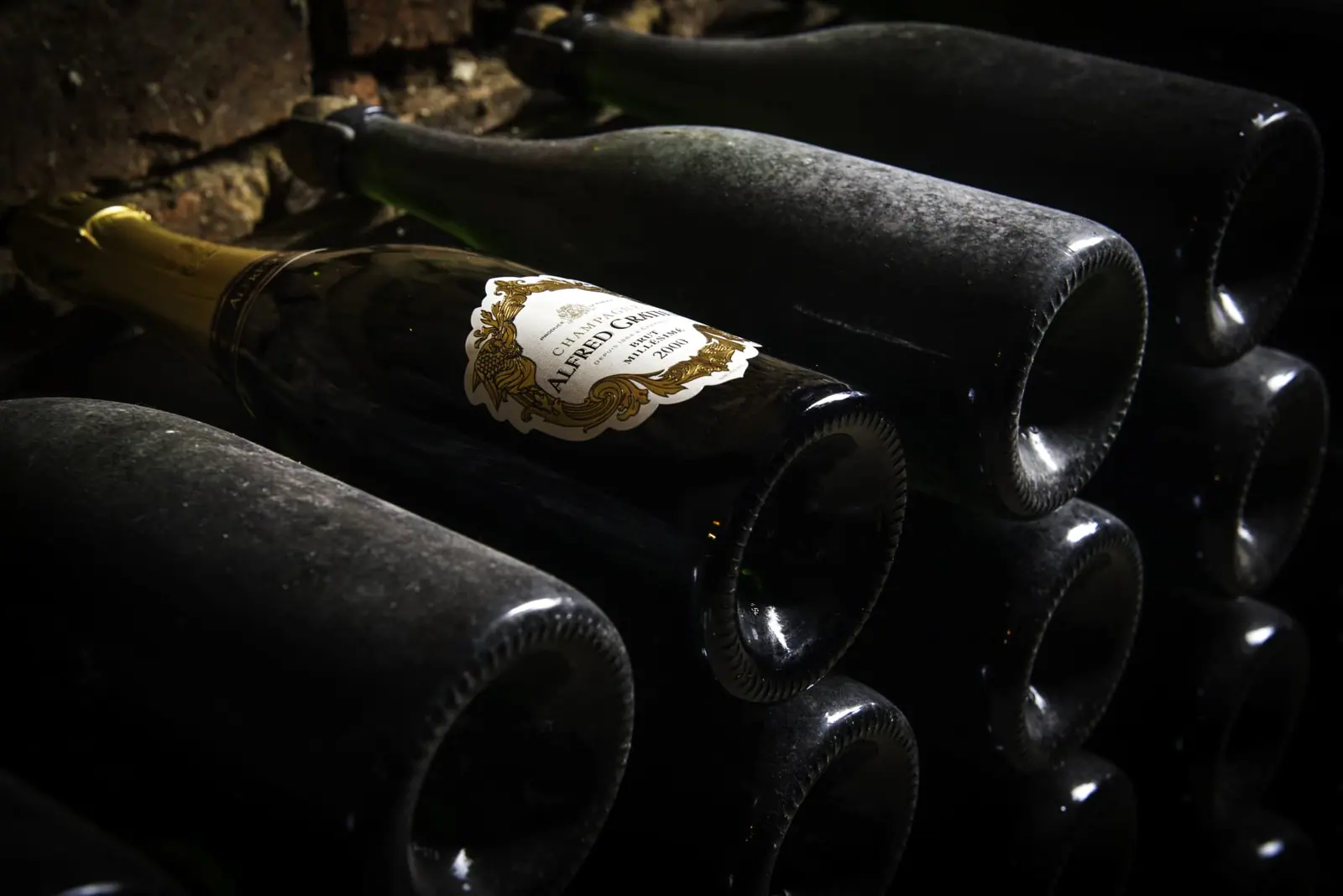
The blended wine is bottled, and with the addition of sugar and yeast the second fermentation begins, known as the fermentation in bottle. It creates the fine bubbles that make champagne so special. The bottles then rest for several years in the cool cellars of Champagne to mature and develop their full flavour.
Dégorgement and dosage
After ageing, the bottles undergo dégorgement to remove the yeast that has collected during the second fermentation. This is done by freezing the neck of the bottle and quickly removing the plug of yeast. Finally the dosage is added, a mixture of wine and sugar that determines the final sweetness of the champagne.
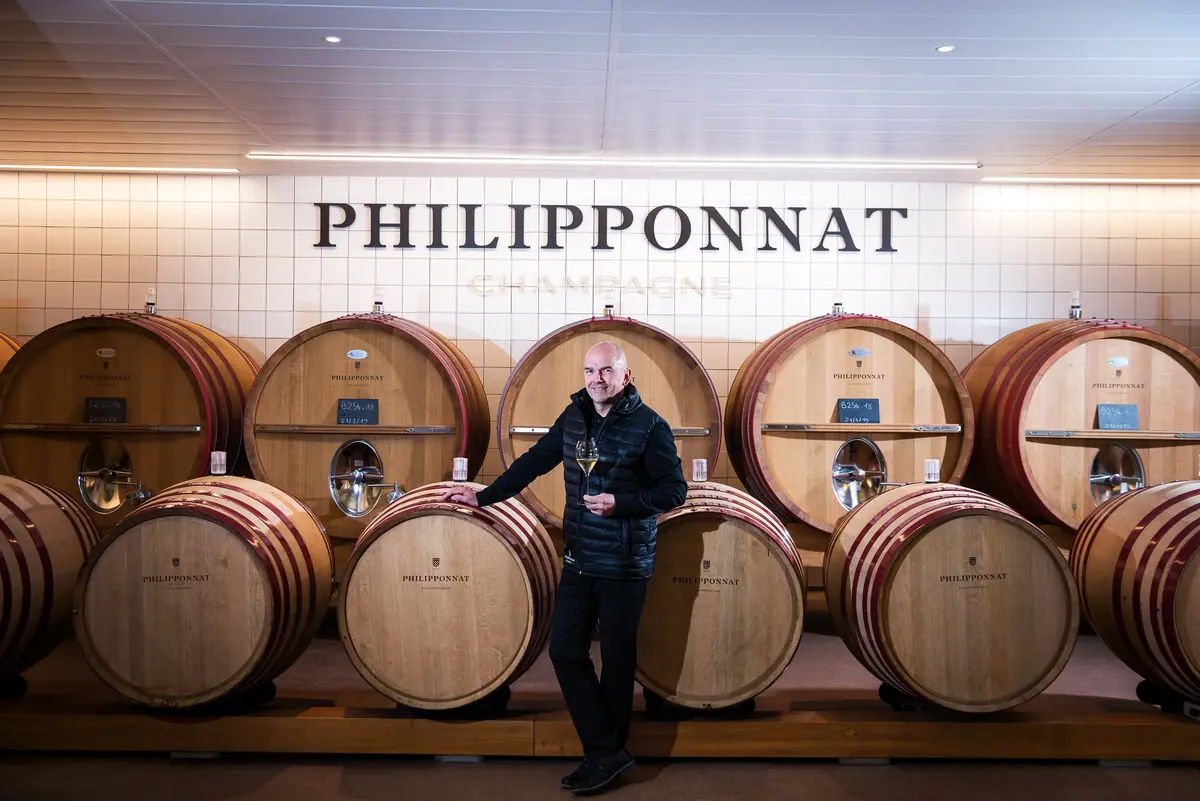 Philipponnat Champagner Inhaber
04Why the récolte matters for the quality of champagne
Vintage versus non-vintage champagne
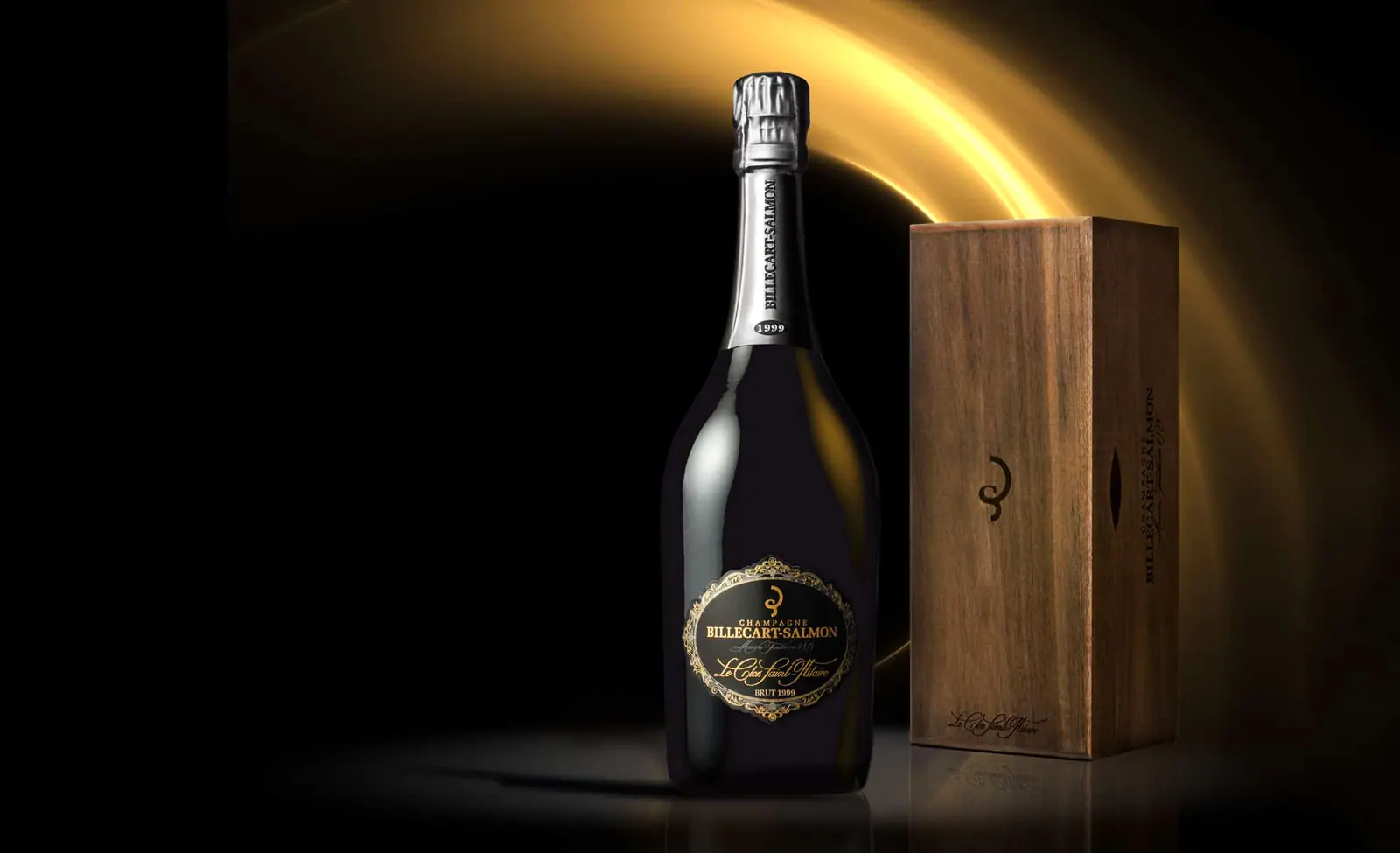
The quality and character of the harvest directly influence whether a champagne is released as a vintage or as a non-vintage wine. In exceptionally good years the harvest is used to make vintage champagnes, which reflect the particular qualities of that year. Non-vintage champagnes, by contrast, are made from a blend of wines from different years to ensure a consistent house style.
Terroir and champagne style
Terroir, meaning the specific geographical and climatic conditions of a vineyard, plays a central role in creating a distinctive champagne style. The récolte in any given year can strengthen or soften the particular features of the terroir. That is why understanding and carefully handling the harvest is essential to preserve the best qualities of the terroir in the champagne.
In short, the récolte is a complex and decisive process in champagne making. From watching the grapes ripen closely, through choosing the picking date with precision, to the skilled handling at the press house, every stage of the harvest helps shape the unique character and quality of champagne. It is an interplay of nature and human skill that makes champagne one of the finest and most sought-after wines in the world.
Pictures
 0 %
