
Stems, also known as stalks or rachis, are the woody parts of the grape bunch that hold the berries together. They are rich in tannin and can raise acidity, which is why many growers remove them before fermentation.
01The role of stems in making champagne
Introduction
Making champagne is a complex and fascinating journey that involves far more than choosing the grapes. One essential but often overlooked part of the process is how the stems, the woody stalks of the grape bunch, are handled.
What are stems?
Stems, also called stalks or the rachis, are the woody parts of the grape bunch that hold the berries together. They consist mainly of cellulose, lignin and other plant compounds, and are usually green and woody. During winemaking they can have both positive and negative effects on the finished wine, depending on how they are treated.
Historical use
Traditionally, stems were left in with the grapes in many winemaking processes, because removing them by hand was laborious. In Champagne, as in other wine regions, stems were often left in during fermentation. This frequently produced wines with higher tannin and acidity, which was seen as characteristic of some champagne styles.
Modern techniques and stem management
Today, the handling of stems has developed considerably, thanks to modern techniques and a better understanding of their chemistry. Many growers choose to remove the stems before fermentation to make the wines softer and more approachable. This is especially true in champagne production, where the aim is a harmonious balance of acidity, fruit and structure.
Advantages of destemming
- Reduced tannins: Stems contain a high concentration of tannins, which can give a wine a bitter edge. By removing the stems, growers can make a gentler wine with a more balanced structure.
- Better development of aromas: Without the influence of the stems, the fruity aromas of the grapes come through more clearly. This matters particularly for champagne, which is known for its fine and complex aromas.
- Controlled acidity: Stems can raise the acidity of a wine. Removing them gives the winemaker better control over acidity and a more harmonious result.
Challenges and compromises
Despite the benefits of destemming, some growers deliberately leave the stems in during fermentation. There are several possible reasons:
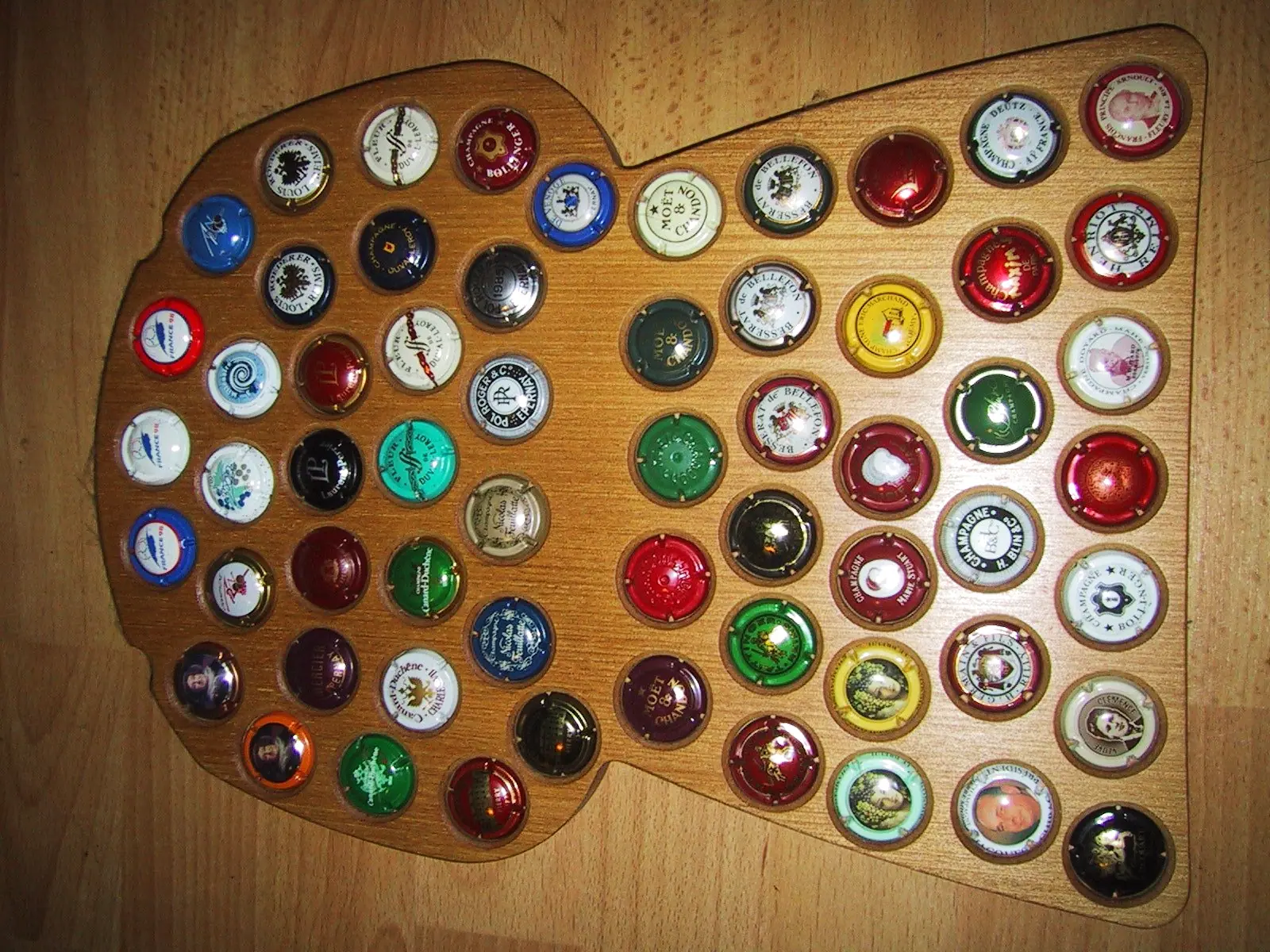
 Pol Roger Champagner
- Traditional methods: Some champagne houses stick to traditional methods in which the stems are an integral part of fermentation. This can give the wines a distinctive structure and complexity, which admirers of these styles appreciate.
- Texture and complexity: Stems can add another dimension of texture and complexity to a wine. Some growers use this to give their champagnes more depth.
- Microbial balance: Stems can also help create a favourable microbial environment that supports fermentation and stabilises the wine.
Case studies: growers and their approaches
To understand the different approaches and philosophies behind stem handling, let us look at a few renowned champagne houses and their methods:
- Krug: Known for its complex and profound champagnes, Krug has traditionally used a proportion of stems during fermentation. This contributes to the characteristic structure and longevity of its wines.
- Bollinger: Another house known for working with stems. Bollinger uses a mix of destemmed and whole-bunch grapes to strike a balance between freshness and complexity.
- Dom Pérignon: By contrast, Dom Pérignon prefers complete destemming to emphasise the purity and elegance of its champagnes.
The scientific perspective
The decision to use stems or not rests not only on tradition and personal preference but also on scientific findings. Studies have shown that stems contain a wide range of phenolic compounds that can influence a wine in many ways. They can affect, for example, the colour, flavour and ageing potential of the wine.
Chemical composition
Stems contain a variety of compounds, including:
- Tannins: These provide the astringency and structure of the wine.
- Acids: Stems can raise the acidity of a wine, which affects its freshness and longevity.
- Aromas: Some volatile compounds in the stems can contribute to the complex aromas of the wine.
In practice and looking ahead
In practice, the decision to keep or remove stems depends on many factors, including the intended style of the wine, the grape variety and the particular conditions of the vintage. Technological developments allow growers to keep refining and adjusting their methods.

Technological advances
Modern destemming machines and analytical tools allow growers to make precise decisions. They can, for example, pinpoint the best moment to harvest, balancing acidity and sugar to achieve the structure they want in the wine.
Conclusion
The role of stems in champagne production is a fascinating subject, and it shows how complex and varied winemaking can be. Whether made traditionally with stems or in a modern style without them, each approach has its advantages and drawbacks. In the end, it is the skill and knowledge of the winemaker that make the difference and shape the distinctive character of every champagne.
Pictures







 0 %
