
- Département
- Marne
- Site
- Massif de Saint-Thierry, north of Reims
- Inhabitants
- 1,419 (as of 1 January 2023)
- Source
- Wikipedia, eigene Zusammenfassung
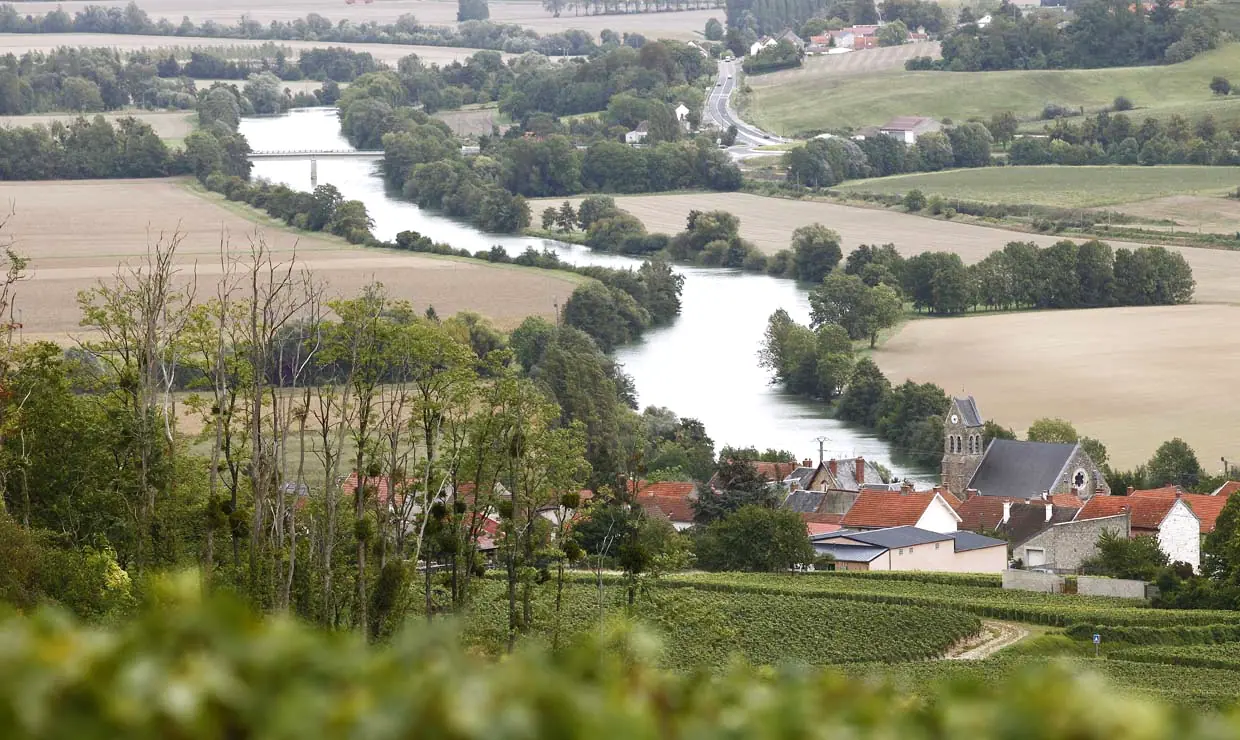
Hermonville is a wine village in the Massif de Saint-Thierry, about 12 kilometres north-north-west of Reims. It is known for its limestone quarries, vines along the Route touristique du Champagne and the church of Saint-Sauveur.

Location
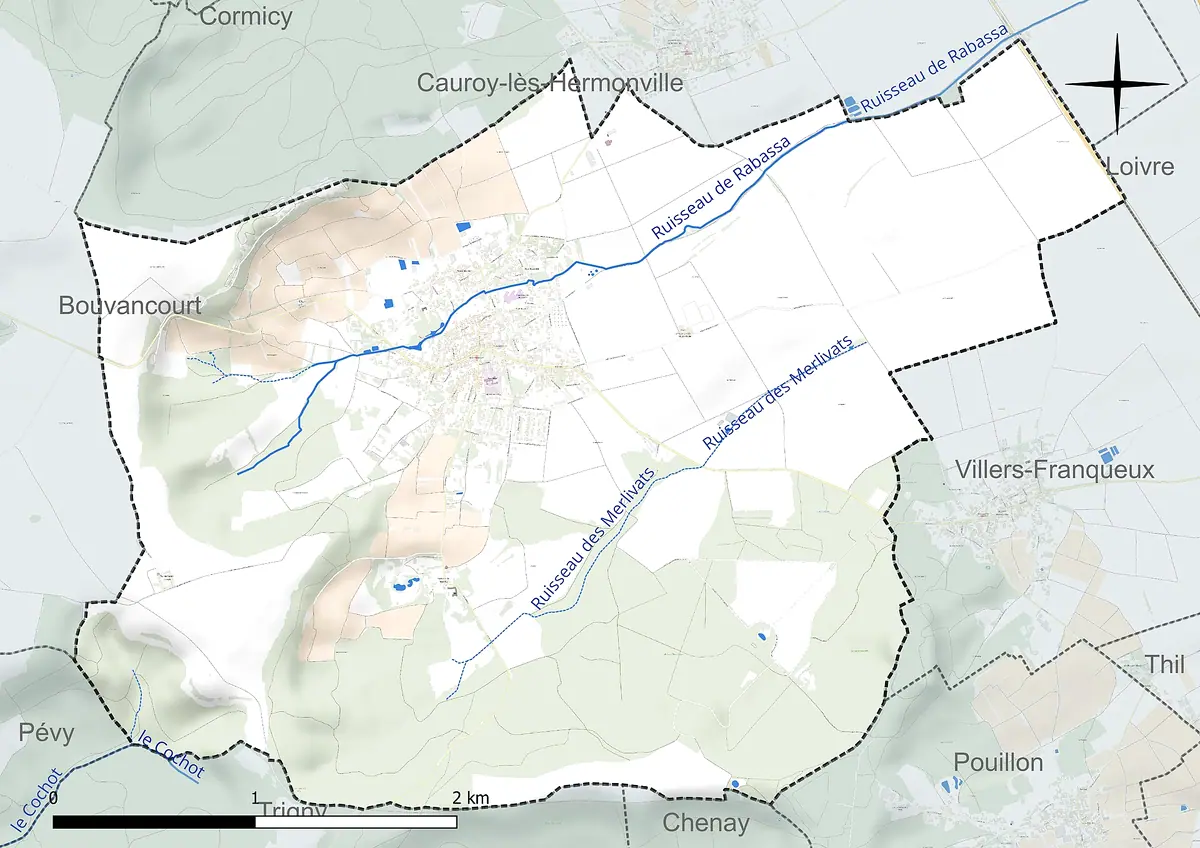
Hermonville lies in the north of the Marne département, about 12 kilometres north-north-west of Reims. The village sits at the foot of the Massif de Saint-Thierry, which rises above it to the south and west. The commune covers 1,330 hectares and climbs from 73 to 217 metres. The village centre lies at around 105 metres. Hermonville is part of the Route touristique du Champagne, away from the main traffic routes. A bus line connects the village with Reims.
Viticulture and soil
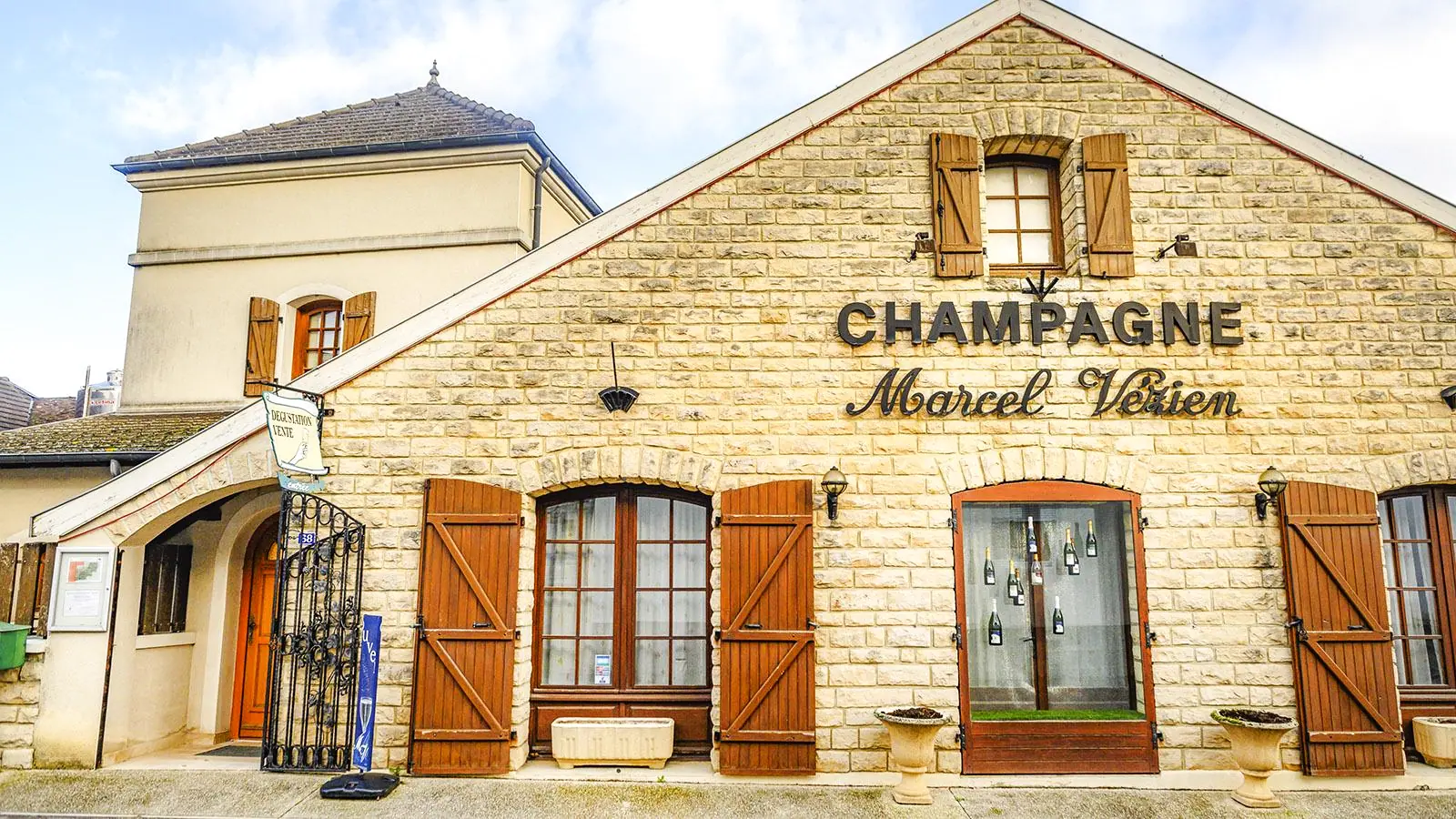
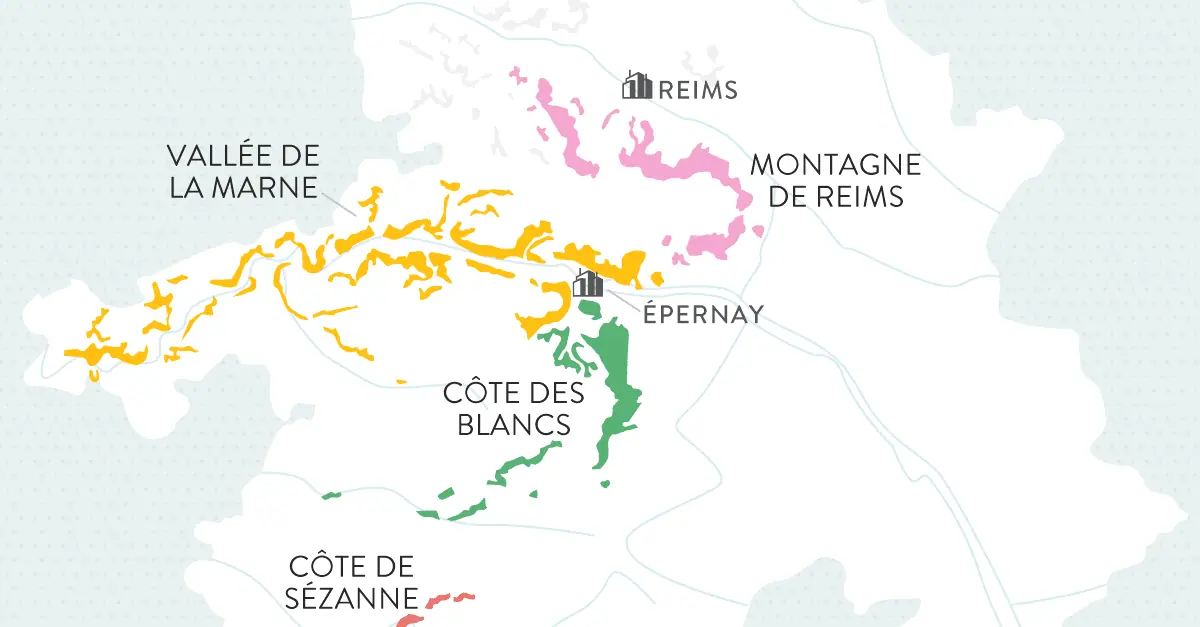
Vines for champagne grow in the Massif de Saint-Thierry, including around Hermonville. The commune is not classified as Grand Cru or Premier Cru. It is one of the quieter places in the wine region. A look at how the land is used shows the character of the village:
- Agriculture: about 62 per cent of the area
- Woodland: about 33 per cent, mainly in the south
- Built-up area: about 5 per cent
- Permanent crops: 13 per cent, which in this area includes the vines
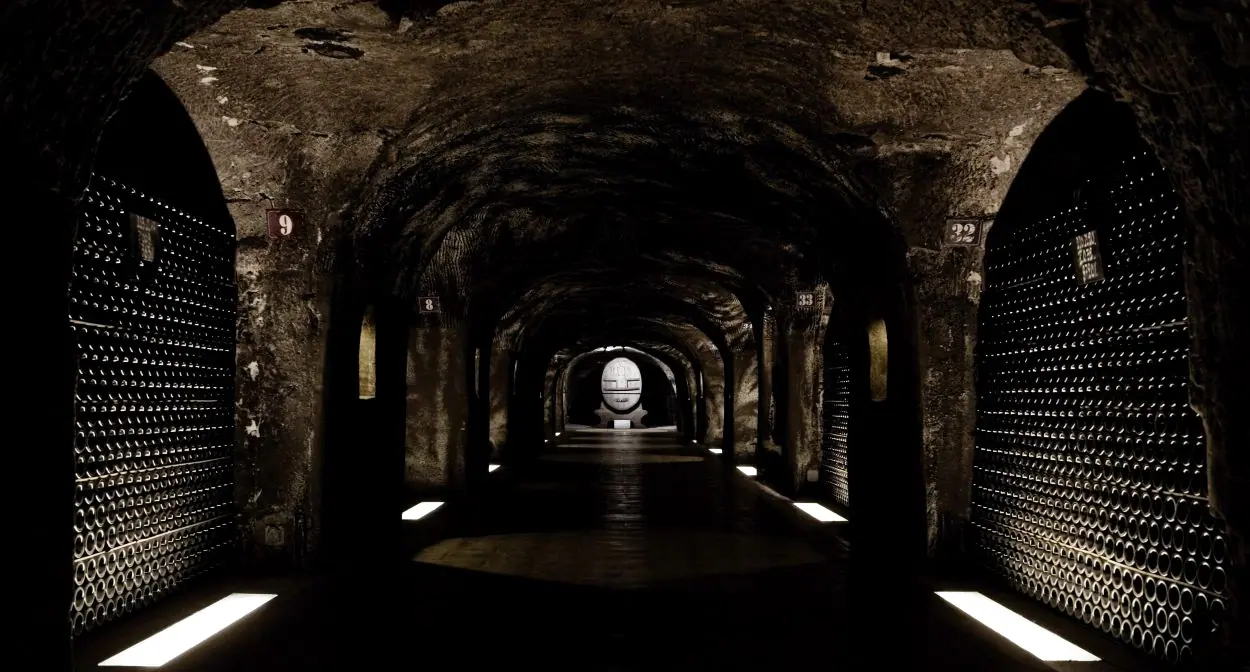
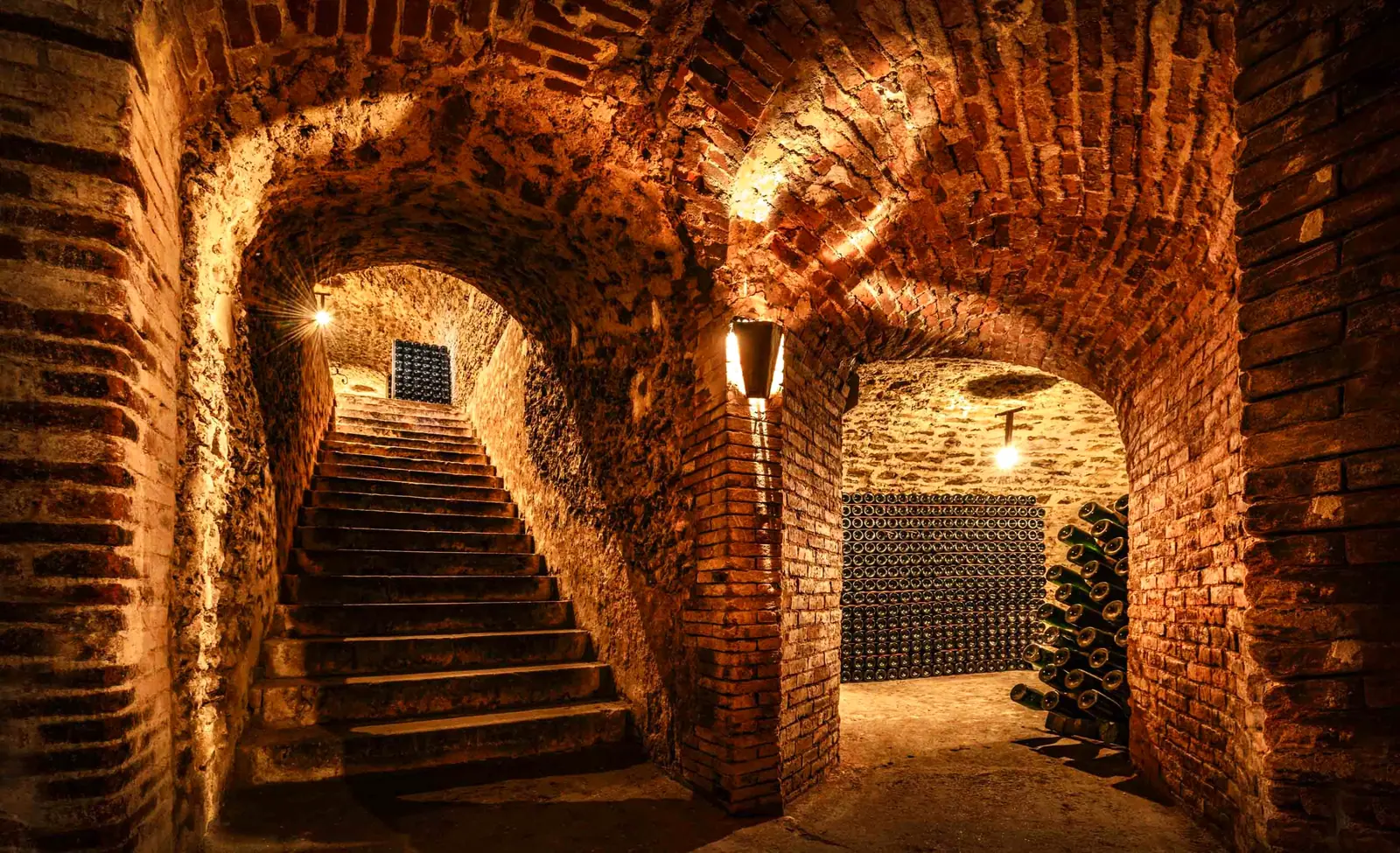
The subsoil consists of alternating layers of clay and limestone. The Lutetian limestone was quarried at Hermonville. The hard stone from Hermonville was used, among other things, in the building of Reims Cathedral. Later, the underground galleries, documented from 1882 onwards, were used for growing mushrooms. Their area is about fifty hectares.
Later, the underground galleries, documented from 1882 onwards, were used for growing mushrooms.
History
The name goes back to the Latin Herimundi Villa, the estate of a man called Herimund. The village is mentioned in this form as early as the 6th century. Around 1825, villagers digging over their vineyards repeatedly came across stone tombs. A Merovingian cemetery was discovered on the plot known as Croix de Ringlet. In the Middle Ages the land belonged to several lordships, including the Abbey of Saint-Remi in Reims and the Abbey of Saint-Thierry. A charter from King Philippe-Auguste allowed the village to constitute itself as a commune and granted it annual fairs and weekly markets. In the First World War Hermonville served as a base for soldiers, and several of the former châteaux were destroyed.
 Abgang
Sights
- Church of Saint-Sauveur, dating from the 12th and 13th centuries and protected as a Monument historique since 1919
- Château d'Avesnes on the town hall square, now a retirement home
- Houses with bas-reliefs, stone figures and old gatehouses
- British military cemetery and a memorial to those who fell in the two World Wars
In 2023 the commune received the "three flowers" award in the flower-decorated villages competition. Among the village's well-known names is the Titanic survivor Eugénie Elise Lurette, who was born here. The writer Maurice Renard spent part of his childhood in his grandparents' château in Hermonville.
For those who enjoy a quiet corner of the region, Hermonville makes a peaceful stop along the way. The area combines well with a visit to Reims, which is less than a quarter of an hour away by car.
Pictures


 0 %
