
The maie is a classic oak grape press used in champagne production to extract the juice from the grapes. It holds 4,000 kg of grapes.
The maie: a classic oak grape press with a capacity of 4,000 kg of grapes
The maie grape press plays a decisive role in the making of champagne, above all in extracting the juice from the grapes that goes into the noble sparkling wine. This overview looks in detail at why the maie matters in this context.
The maie grape press: an overview
The maie is a traditional piece of equipment used to extract grape juice. In champagne production this step is especially important, because the quality of the juice directly shapes the character of the finished wine. The press is central to the very first stage of winemaking, when the grapes are harvested and pressed to obtain the juice.

The role of the maie in champagne production
Champagne begins with the careful selection of grapes, mainly Chardonnay, Pinot Noir and Pinot Meunier. They are usually picked in September, and the timing of the harvest is decisive for the quality of the champagne to come. The grapes have to be picked at the optimum moment to give the ideal levels of sugar and acidity.
After the harvest the grapes are taken to the maie, where the first stage of pressing takes place. The press is built to treat the grapes gently, extracting the juice without harming their delicate aromas and flavour.
The pressing
The grapes are loaded into the maie and the pressing begins. The press applies pressure to the grapes to release the juice. It is important to control that pressure carefully, to avoid over-extracting tannins and phenols from the skins and pips, which could make the wine taste bitter.
Different pressing methods can be used depending on the style and quality of champagne wanted. The traditional method in champagne is the so-called "Coquard press", a vertical press that allows a gentle and even extraction of the juice.
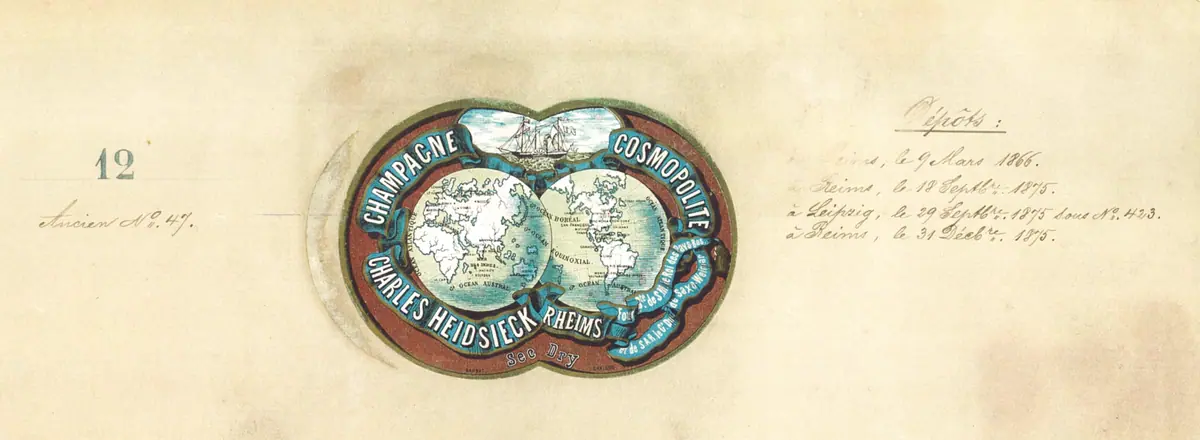 Charles Heidsieck Champagner
The juice and why it matters
The juice obtained is divided into different categories according to the way the pressing is carried out and the quality of the juice. In champagne production it is split into three fractions: "cuvée", "tête de cuvée" and "taille". The first fraction, the cuvée, is the finest juice and is used for premium champagne. The second fraction, the taille, goes into less prestigious wines, while the tête de cuvée is regarded as the most highly prized fraction.
Why the maie matters for the taste of champagne
The quality of the grape juice has a direct effect on the flavour and character of the champagne. A gentle, even pressing helps the juice keep the aromas and flavour notes of the grapes. The maie helps to strike a balance between the sweet and acidic components of the juice, which leads to a balanced and harmonious champagne.
What happens to the juice next
After pressing, the juice is transferred to barrels or stainless steel tanks for fermentation. At this stage the yeasts begin to convert the sugar in the juice into alcohol, and the base of the champagne takes shape. The wine then goes through several phases of fermentation and ageing, during which the typical aromas and bubbles of champagne develop.
In conclusion
To sum up, the maie plays an indispensable role in champagne production. It ensures that the grape juice is obtained gently and efficiently, which is decisive for the quality of the champagne. The pressing has a major influence on the flavour and aroma profile of the finished wine and helps to secure the characteristic qualities of a fine champagne. The skill and precision with which the maie is used are therefore essential to making an outstanding champagne.
Pictures



 0 %
