
- Département
- Marne (Grand Est region)
- Site
- Northern flank of the Montagne de Reims
- Inhabitants
- 617 (2023)
- Source
- Wikipedia, eigene Zusammenfassung
- Classification
- Grand Cru
A small village in the Marne département on the northern flank of the Montagne de Reims, with 617 inhabitants. The vineyards are grand cru, pinot noir dominates, and the champagnes are often powerful and structured.
Location
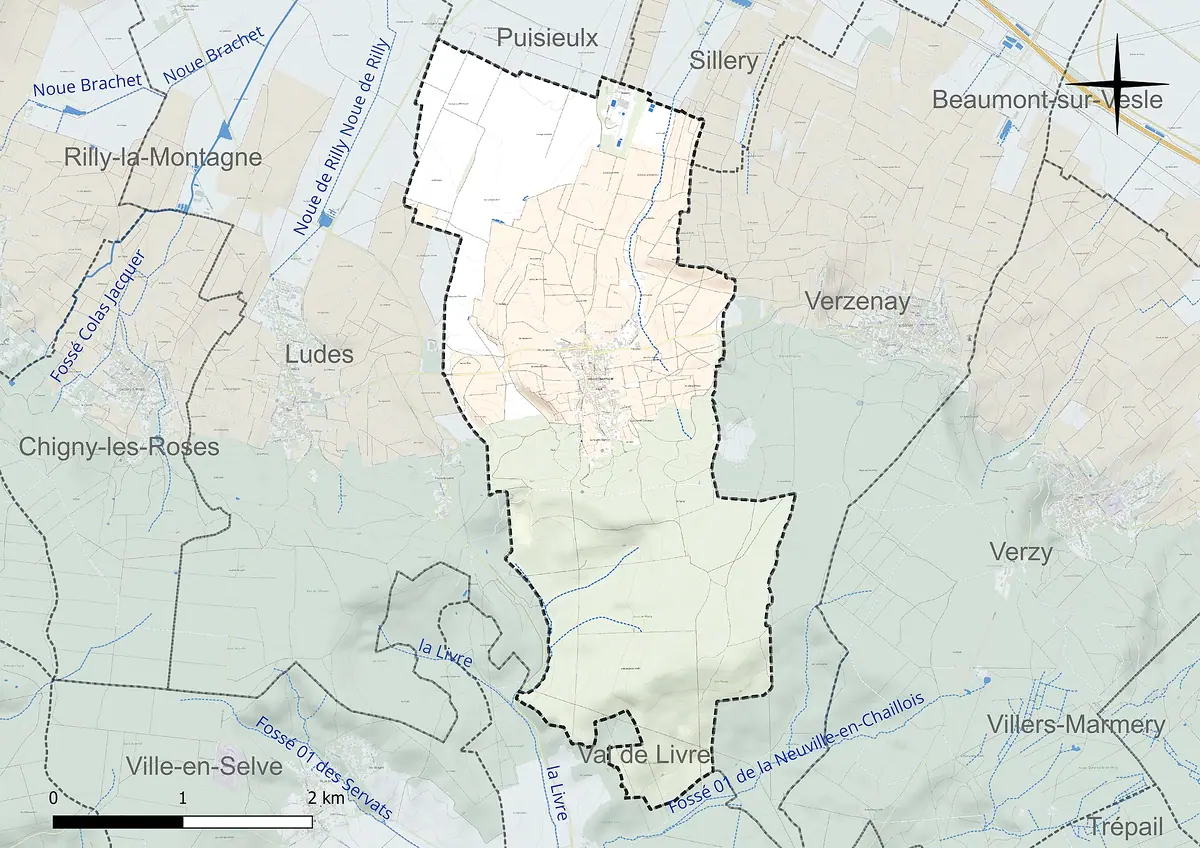
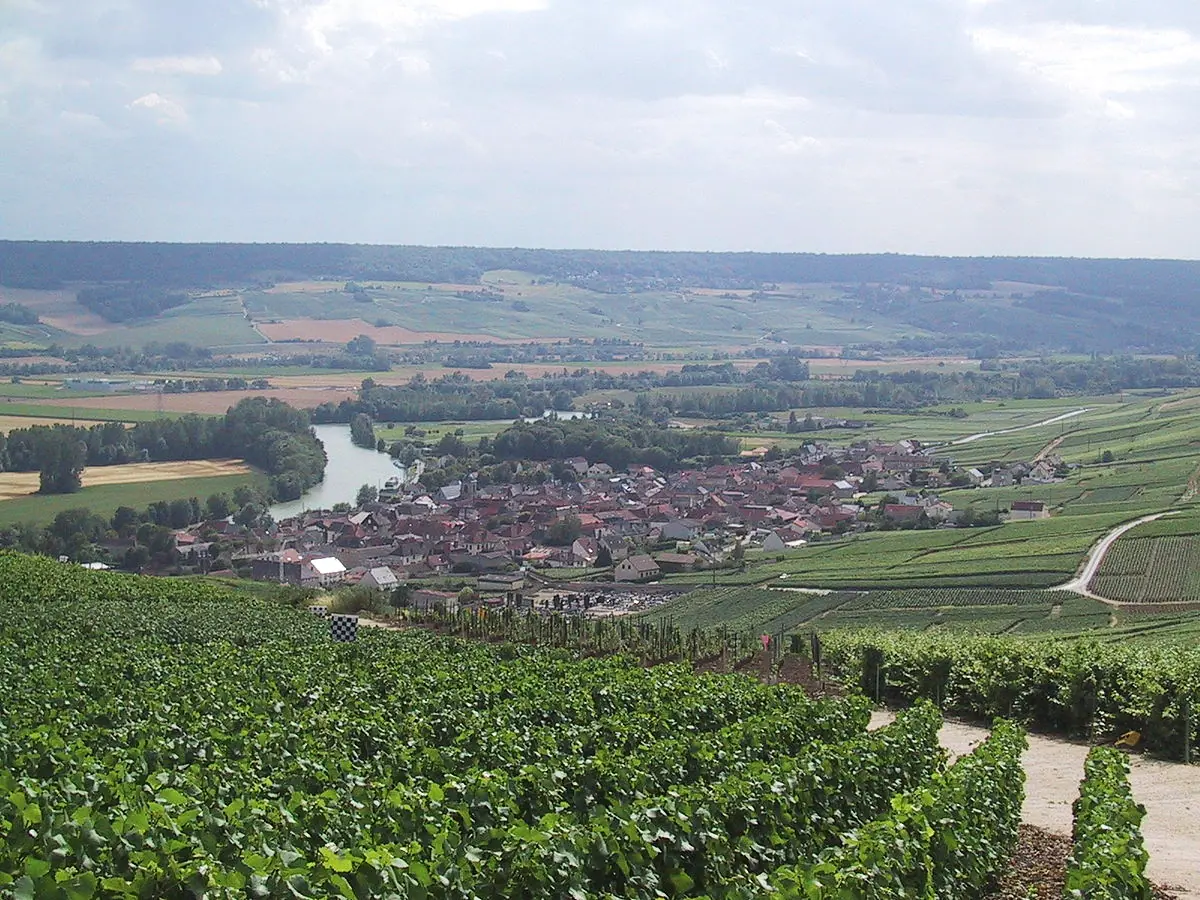
Mailly-Champagne lies in the Marne département in the Grand Est region, on the northern flank of the Montagne de Reims. Reims is only a few kilometres away, while Épernay sits to the south of the massif. The neighbouring communes are Puisieulx to the north, Verzenay to the east, Val de Livre to the south and Ludes to the west. With 617 inhabitants (2023), it is a small place. The villagers are known as Maillotins.
The landscape is shaped by forest and vines. According to Corine Land Cover, around 45.5% of the commune's area was woodland in 2018 and 30.6% permanent crops, mainly vineyards. Only 3.6% is built up.

Viticulture and climate
Mailly-Champagne is classified grand cru and reaches the full 100% on the Échelle des Crus. If you like the wines of the Montagne de Reims, you will know the style: pinot noir dominates here, and the champagnes are often powerful and structured.
The climate is oceanic and rather cool. Between 1991 and 2020, the mean annual temperature at the village's weather station was 11.2 °C, with average rainfall of 755.5 mm a year. The extremes show what growers have to live with: 39.8 °C on 25 July 2019 and minus 20 °C on 16 January 1985.
According to Corine Land Cover, around 45.5% of the commune's area was woodland in 2018 and 30.6% permanent crops, mainly vineyards.
History
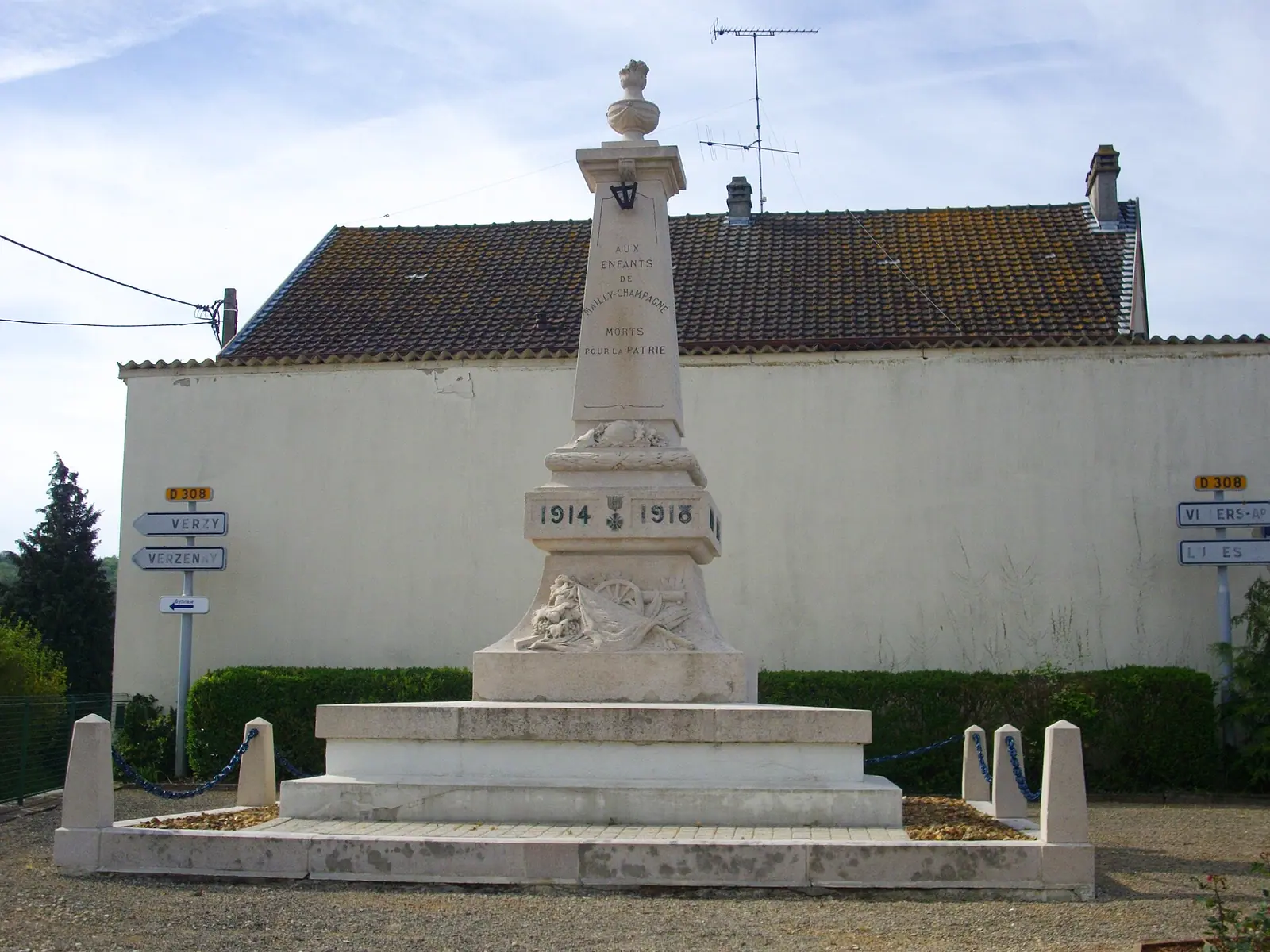
Excavations from the early 20th century show that the village already existed in Gallic times. The name derives from the Latin Mallius with the suffix Acum. In the First World War, the French 42nd Infantry Division fought north of the village on 23 September 1914. On 30 May 1921, the village was awarded the Croix de guerre 1914-1918.
What to see
A visit is worthwhile even for travellers who want more than tastings:
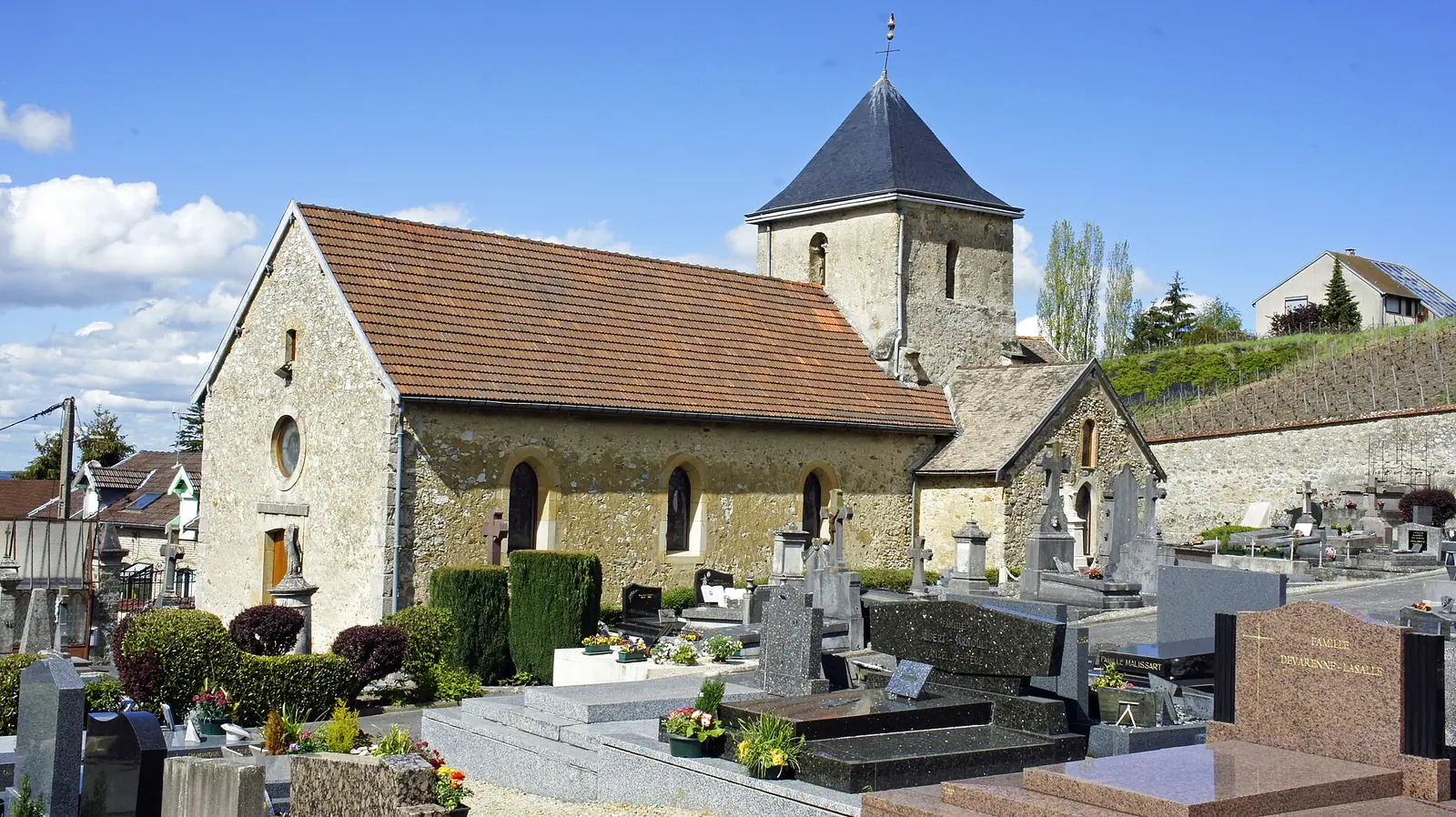
- The Romanesque church of Saint-Calixte from the 11th century. After the roof collapsed, it is currently being rebuilt.
- The "Vierge à la grappe", a 16th-century sculpture in the chapel, protected as a Monument historique since 1908.
- The 1985 sculpture by Bernard Pagès, a tribute to Gaston Bachelard. It stands on a rise among the vines, towards Ludes, and represents the element earth.
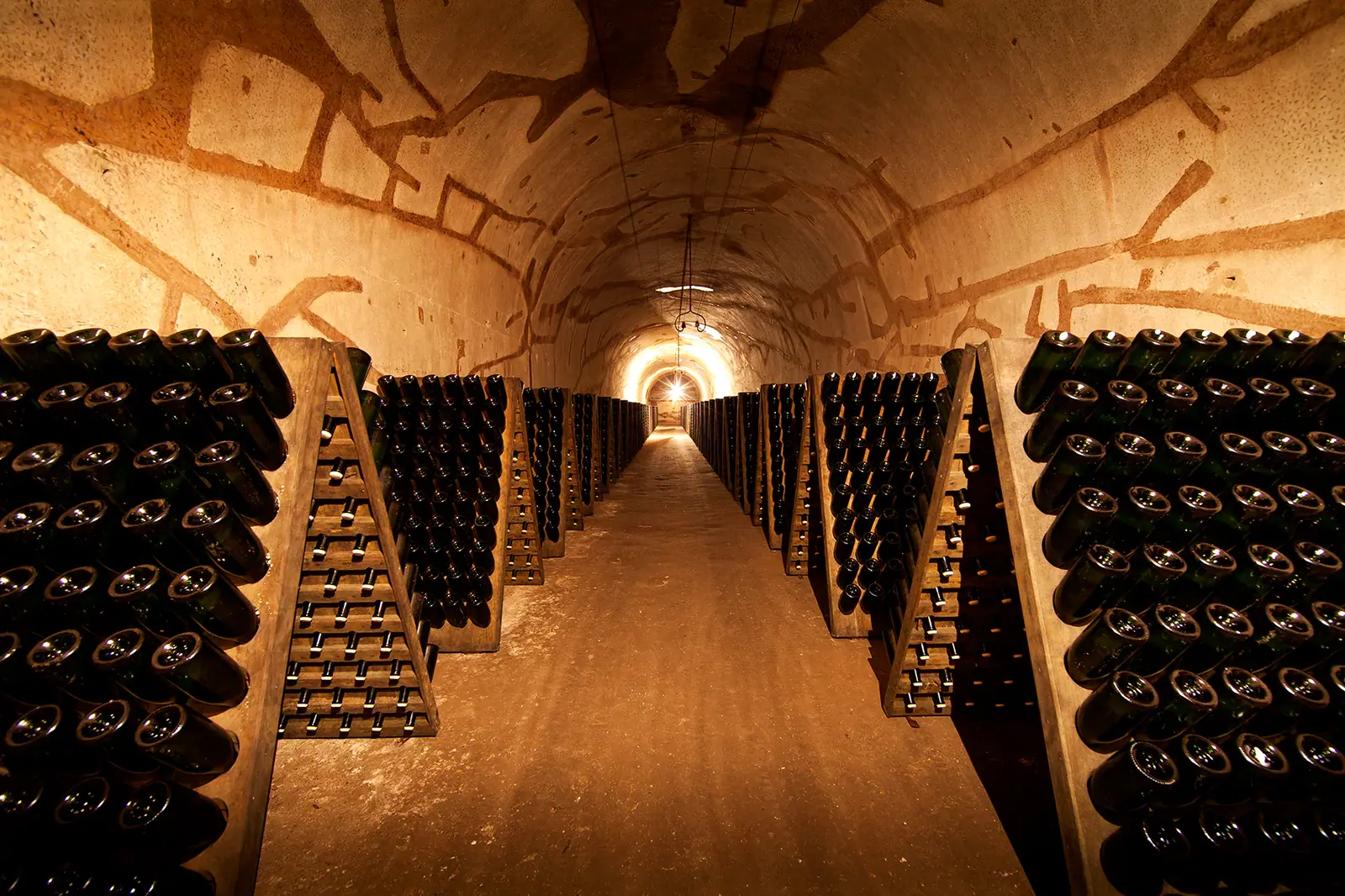
- Historic press houses (pressoirs) and cellars.
- The Château de Romont, where Jean-Rémy Moët (1758 to 1841) died.
- A teaching quarry (carrière pédagogique), which also helps put the village on the map.
Practical tip
The village lies off the main roads, in the middle of the vineyards. It is best to plan your visits to growers in advance, as many estates receive visitors by appointment only. A visit combines well with the neighbouring grand cru villages of Verzenay and Ludes.
Pictures




 0 %
