
Oxhoft is an old-fashioned liquid measure of roughly 200 to 240 litres. It is sometimes also called a hogshead (about 238 litres).
Oxhoft - an old-fashioned liquid measure (approx. 200 to 240 litres).
Sometimes also called a hogshead (approx. 238 litres)
The oxhoft as a liquid measure is a fascinating concept in the world of champagne, although it is not as well known as other terms in the wine and champagne world. To give a detailed overview of the oxhoft and how it relates to champagne, we need to understand a few basics, including the definition, the historical relevance and the practical meaning today.
Definition and background
The oxhoft is a traditional unit of measurement that was historically used in the wine and spirits trade. It is one example of the many specific units that were used in different regions and at different times to measure liquids such as wine and champagne. The term "oxhoft" refers to a particular unit used to quantify amounts of liquid, and its size could vary depending on the region and the period.
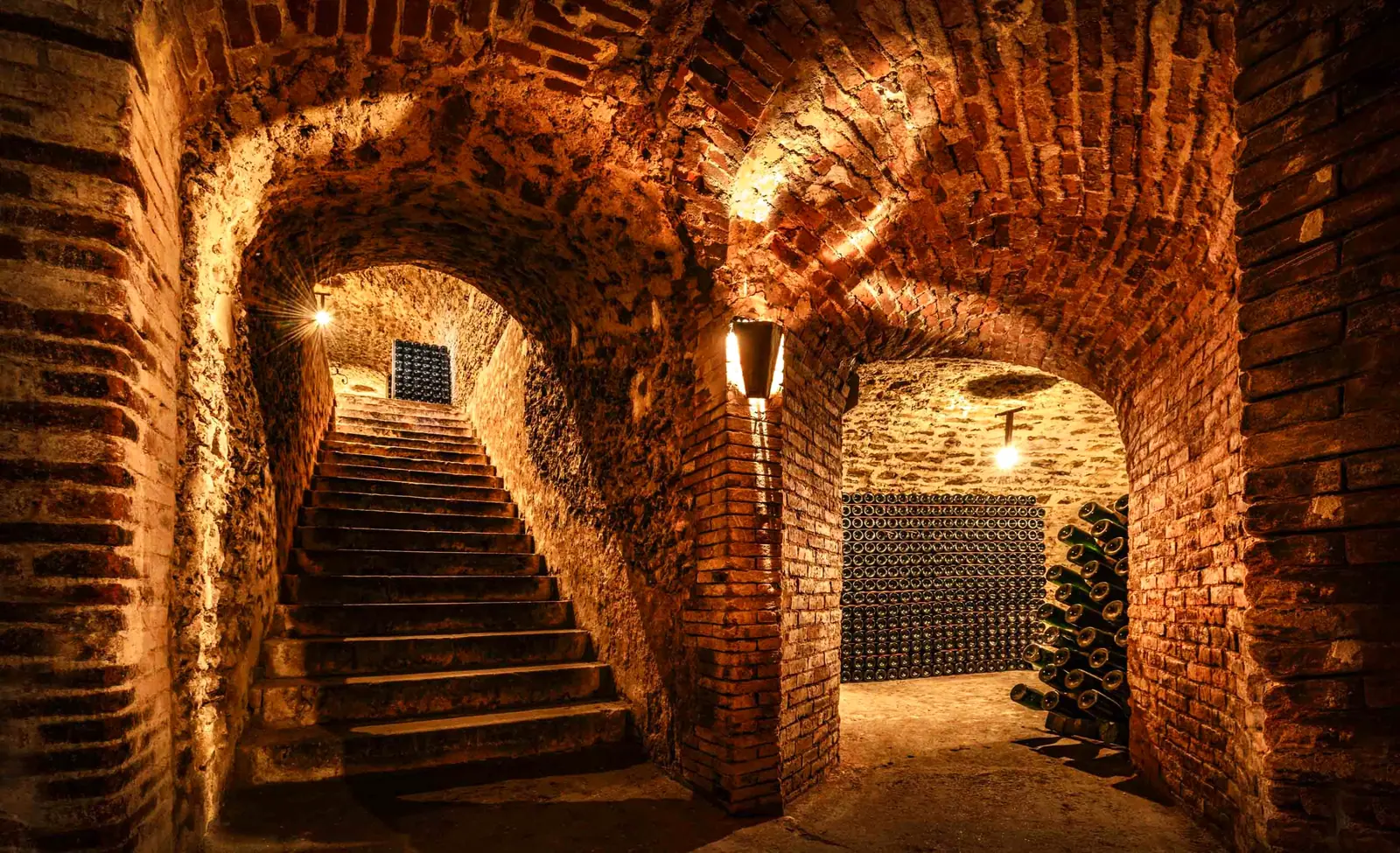
In champagne production, which originated in the Champagne region of France, precise measurement plays a decisive role. Making champagne involves several steps, including the harvest, fermentation, ageing and final bottling. Throughout the process, accurate measurements are important to ensure the quality and consistency of the finished wine.
Historical relevance
Historically, various liquid measures, including the oxhoft, were used in different regions and countries. In Champagne, where the wine has its origins, traditional units were used to measure the quantities of grapes, of wine and ultimately of champagne. These units varied over the centuries and contributed to the development of specific production methods and practices.
Over time, many of these traditional units were replaced by standardised measures to guarantee the consistency and quality of the products. Even so, these historical units hold an important place in the history of champagne production and give us an insight into how the wine and champagne trade developed.
 Côte des Blancs
Hogshead
The hogshead is a traditional liquid measure that plays a significant role in the world of wine and champagne. The term originally comes from English and described a large cask used for various liquids. Today the hogshead matters mainly in the wine and spirits trade, particularly for maturing and storing high-quality drinks such as champagne.
A hogshead cask typically holds about 250 to 300 litres, although the exact size can vary by region and tradition. This cask size is often used for storing and maturing spirits such as whisky, but it has also found its place in the world of champagne. In champagne production, casks play a less prominent role than they do for spirits, as champagne usually matures in stainless steel tanks or in the bottle itself. Even so, there are cases where champagne producers use historic casks such as the hogshead for ageing, in order to achieve particular nuances of flavour.
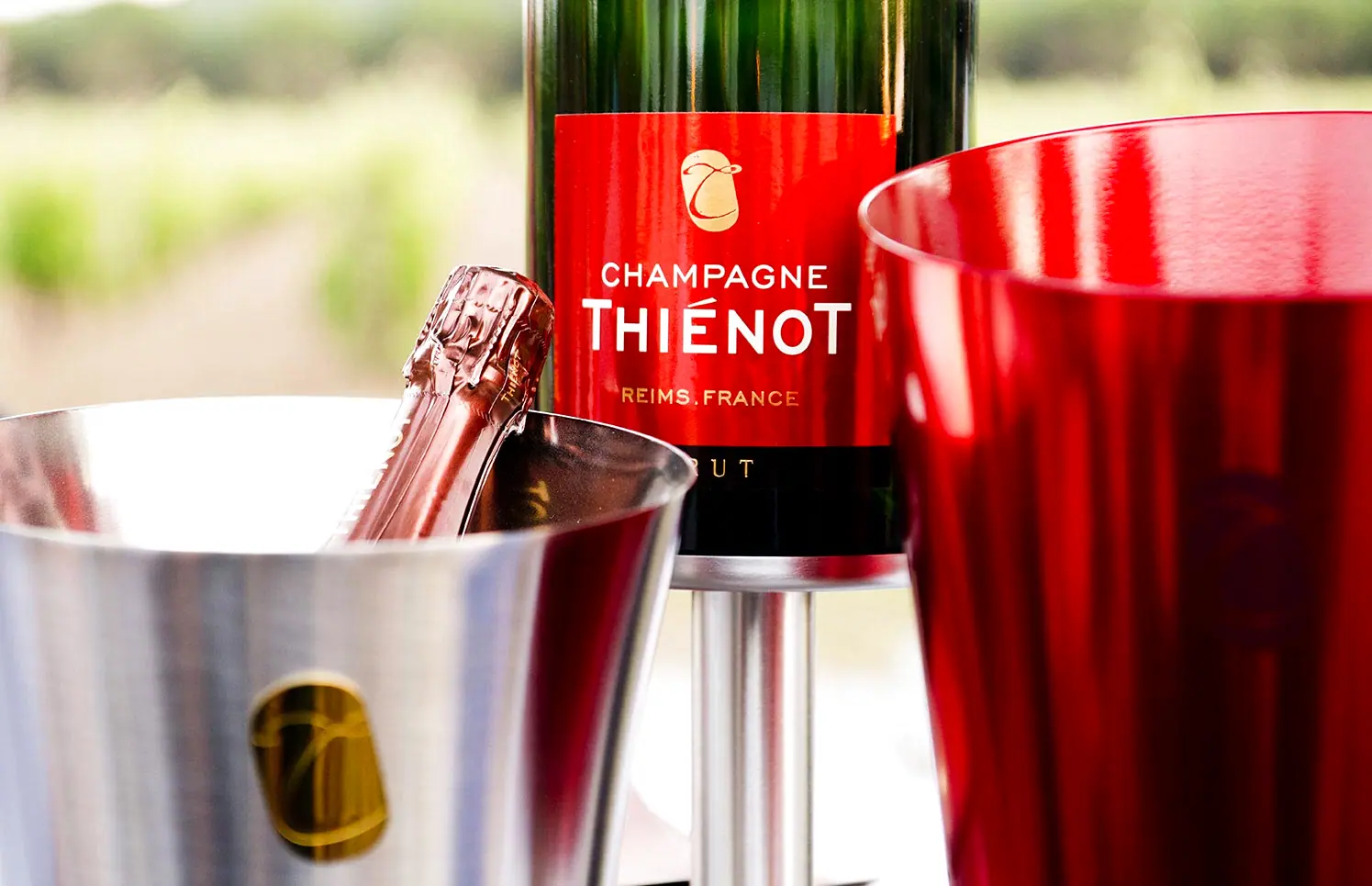
Using hogshead casks for champagne is not very common, but they offer some advantages, especially when it comes to developing complex aromas. The influence of a hogshead on the champagne depends heavily on the condition of the cask, what it held before and how long the wine is aged in it. The type of wood can also play a part, since different woods release different aroma compounds into the wine. In most cases, however, the influence on the champagne is kept to a minimum, as most producers rely on stainless steel tanks to preserve the typical character and freshness of champagne.
Another interesting detail about the hogshead is its history. The measure was originally used for storing wine and other liquids and had different sizes and capacities in different regions. Over time the hogshead became more and more associated with the storage of spirits such as whisky. This historical link gives the hogshead cask a certain charm and makes it a prized object for collectors and connoisseurs.
Practical meaning for champagne today
In modern champagne production, the oxhoft is no longer widely used. Today growers and champagne producers use standardised units to measure and assess their products. These standardised units make it easier to keep tight control over production and ensure the consistency of the finished wine.
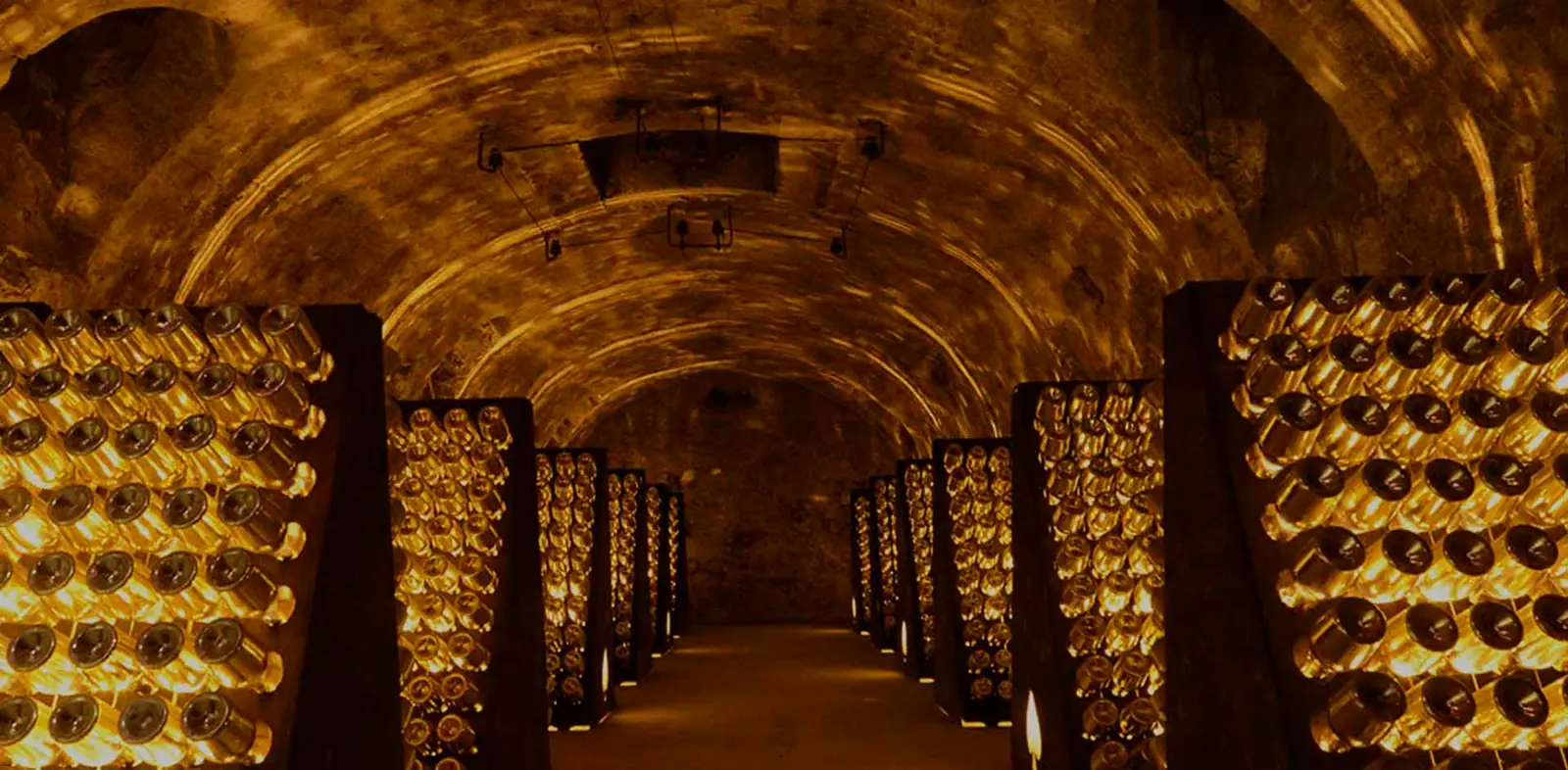
Nevertheless, there are a few areas where historical units such as the oxhoft are still of interest. Collectors and historians interested in the history of champagne can use these units to better understand historical documents and production methods. They can also play a role when restoring historic champagne bottles or analysing archive material.
Conclusion
In summary, the oxhoft is a fascinating historical concept in connection with champagne production. Although it is no longer widely used in modern practice, it offers valuable insights into how the wine and champagne trade developed. Understanding such historical units can help us gain a deeper appreciation of the traditions and techniques that went into making this luxurious drink. Today standardised units are central to ensuring the quality and consistency of champagne, but the history and origin of units such as the oxhoft remain an intriguing chapter in the story of champagne.
Pictures




 0 %
