
Riddling (French: remuage) is the step in which bottles are regularly turned and tilted ever more steeply in the pupitre, so that the yeast sediment slides down into the neck of the bottle and can be removed at disgorgement.
Riddling: A Decisive Step in the Making of Champagne
Making champagne is a complex and time-consuming process made up of many carefully executed steps. One of the most decisive and most fascinating is riddling, known in French as "remuage". It is essential for achieving the highest quality and clarity in the finished wine. In the sections below we look at the history, the techniques and the importance of riddling in detail.
 Besserat de Bellefon Champagner, rose Champagner Rezepte & Kochen
01The History of Riddling
Riddling was developed in the early 19th century by Madame Clicquot, the famous widow of François Clicquot and founder of the champagne house Veuve Clicquot. She was looking for a way to remove efficiently the yeast deposits that remain in the bottle after the second fermentation, without clouding the champagne. Her solution was simple but ingenious: the bottles were placed in a sloping board with holes, the so-called "pupitre", and were regularly turned and tilted slightly, so that the sediment slowly travelled down into the neck of the bottle. This method revolutionised champagne production and is still used today.
 Lanson Champagner Haus
02The Technique of Riddling
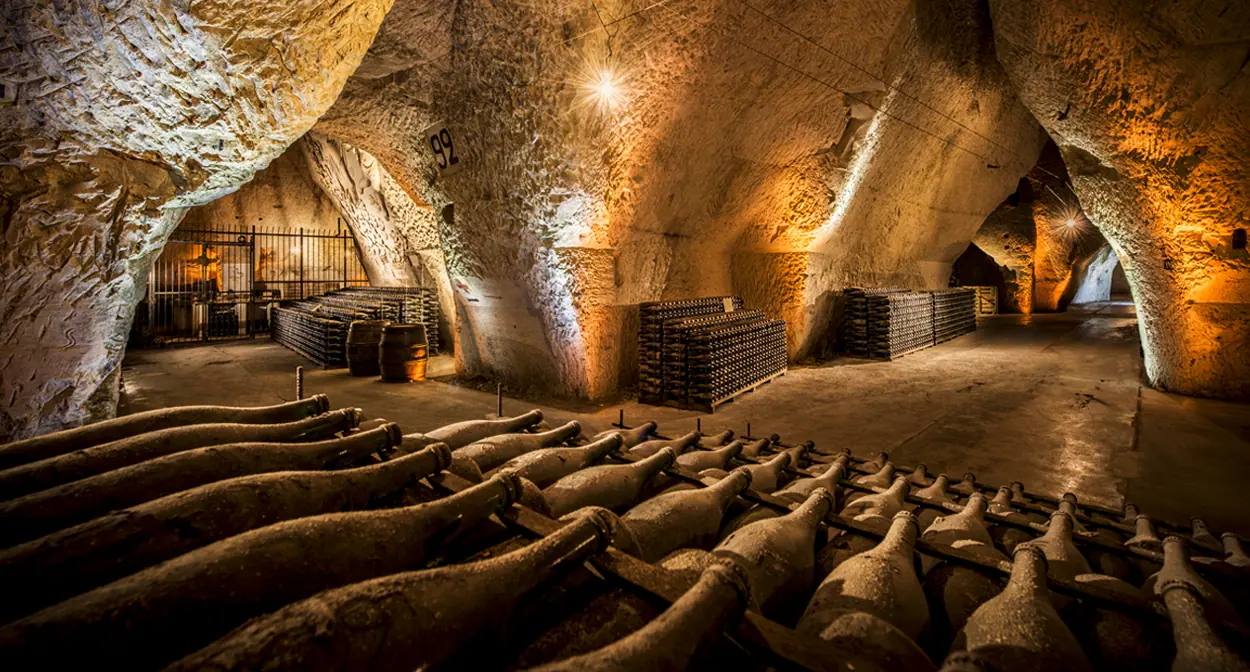
Riddling is a demanding craft that calls for patience, precision and experience. Traditionally it is carried out by hand by a "remueur" (riddler). A typical pupitre consists of two wooden boards set at an angle of roughly 60 degrees and pierced with holes into which the bottles are placed. The riddler turns each bottle through a small angle, usually about an eighth or a quarter of a turn, and at the same time gradually tilts it more steeply, until the bottle finally stands almost upside down. This takes place over a period of several weeks to several months, and the exact duration and the angles of the turns can vary according to the style and requirements of the champagne house.
Today, in many large champagne houses, the process is assisted or replaced by mechanical riddling, also known as the "gyropalette". These automated machines can riddle several hundred bottles at once and offer a consistent, efficient way of removing the yeast deposits. Despite increasing technology, traditional handwork is still highly valued, especially among smaller producers and for top-quality cuvées.
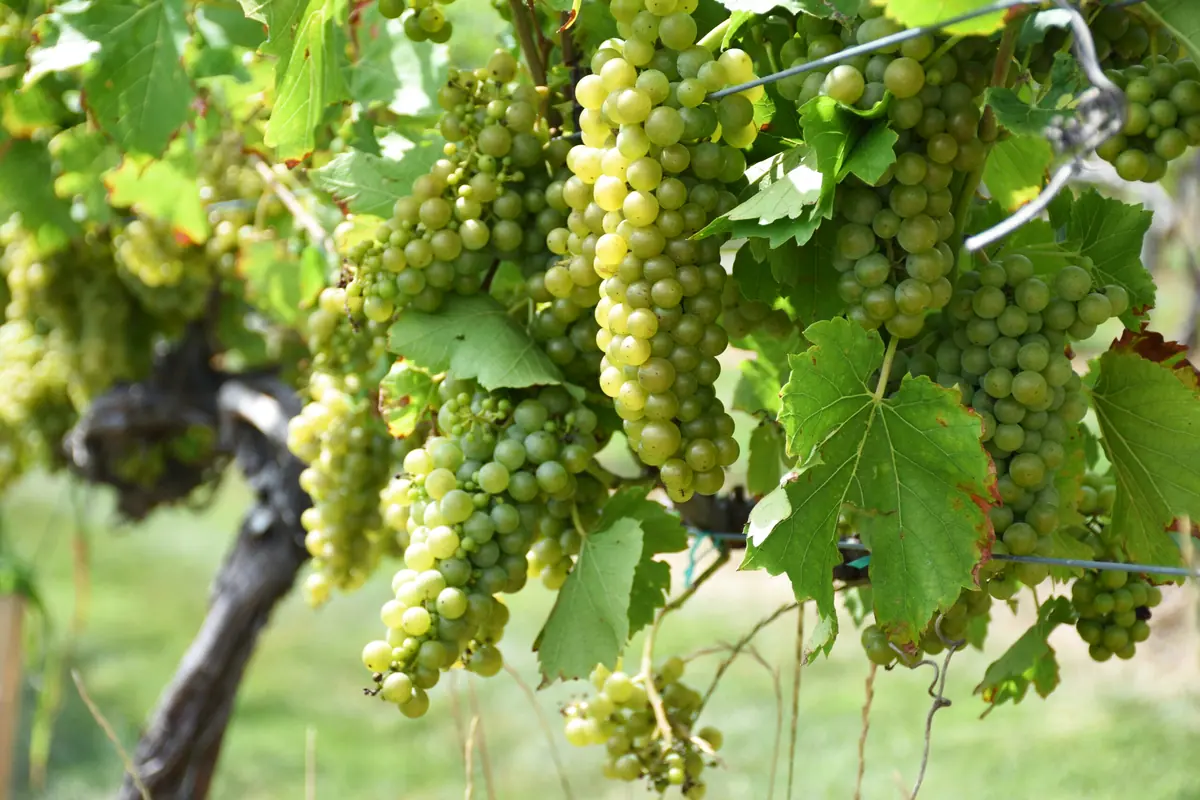 Viticulture
03The Importance of Riddling
Riddling is a critical step in making champagne, because it ensures the clarity and purity of the final wine. After the second fermentation in the bottle, yeast deposits remain which would cloud the wine if they were not removed. Riddling slowly moves these deposits into the neck of the bottle, where they are finally removed by "dégorgement" (disgorgement). At disgorgement the neck of the bottle is frozen and the plug of yeast is shot out, leaving the champagne clear and sparkling.
Riddling also has an influence on the flavour and texture of the champagne. Contact with the yeast during the second fermentation and the ageing that follows gives the champagne complex aromas and a creamy texture. Careful riddling ensures that these qualities show at their best, without being impaired by cloudiness.
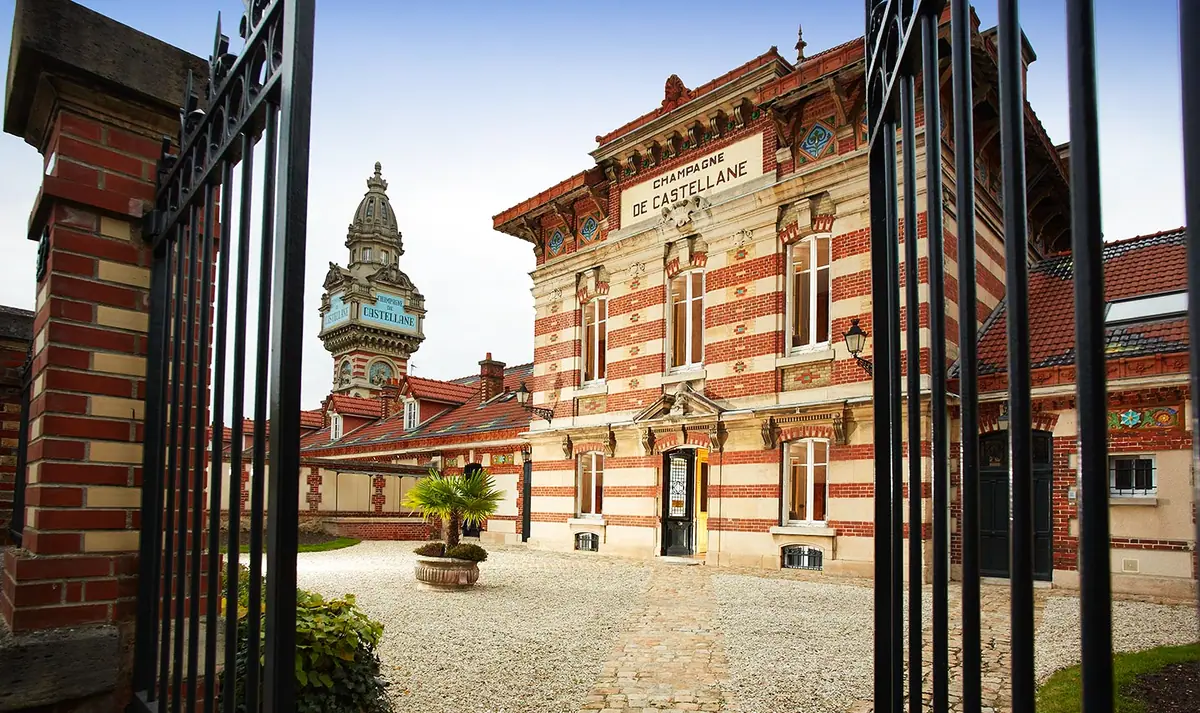 De Castellane Champagner
04Challenges and the Future of Riddling
Although riddling is a proven and indispensable step in champagne production, it faces challenges. The manual process is labour-intensive and requires skilled workers, who are becoming ever rarer. At the same time, mechanical riddling systems offer efficiency and consistency, but cannot always match the care and precision of an experienced riddler.
Forward-looking champagne houses are investing in research and innovation to optimise the riddling process further. This includes improvements to gyropalette technology as well as the training of new generations of riddlers, who will preserve and develop the traditional craft.
Conclusion
Riddling is an indispensable part of champagne production, combining craftsmanship with modern technology. It not only guarantees the clarity of the champagne but also contributes significantly to its flavour and texture. Despite technological advances, the traditional method of riddling remains a symbol of the dedication and precision that go into every drop of this noble drink. The future of riddling will be shaped by a balancing act between tradition and innovation, preserving the high quality standards of champagne while meeting the challenges of modern production.
Pictures

 0 %
