
- Département
- Marne (Grand Est region)
- Site
- Côte de Sézanne, bordering Sézanne to the north-east
- Inhabitants
- 65 (2023)
- Source
- Wikipedia, eigene Zusammenfassung
Péas is a small wine village in the Marne département, north-east of Sézanne in the Côte de Sézanne. It lies within the Champagne and Coteaux champenois appellations.
Location
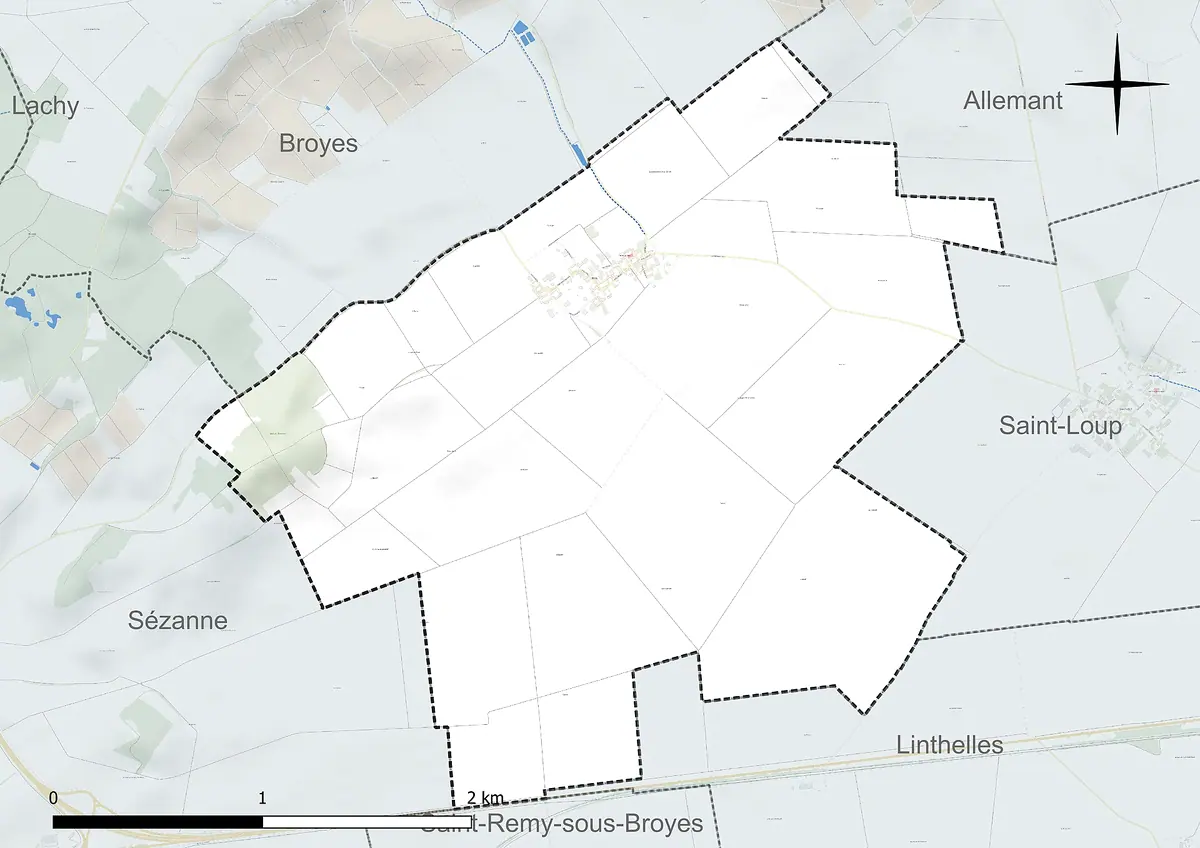
Péas lies in the Marne département in the Grand Est region, around 80 kilometres east-south-east of Paris. To the north-east the village borders Sézanne, the main town of the wine region of the same name. Neighbouring communes include Broyes, Allemant, Saint-Loup, Linthelles and Saint-Remy-sous-Broyes. The commune covers 7.69 square kilometres, with the land rising from 108 to 202 metres. There is no watercourse within its boundaries.
With 65 inhabitants (2023), Péas is one of the very smallest places in Champagne. All 39 dwellings are detached houses, and the settlement is loosely scattered.
Viticulture and landscape
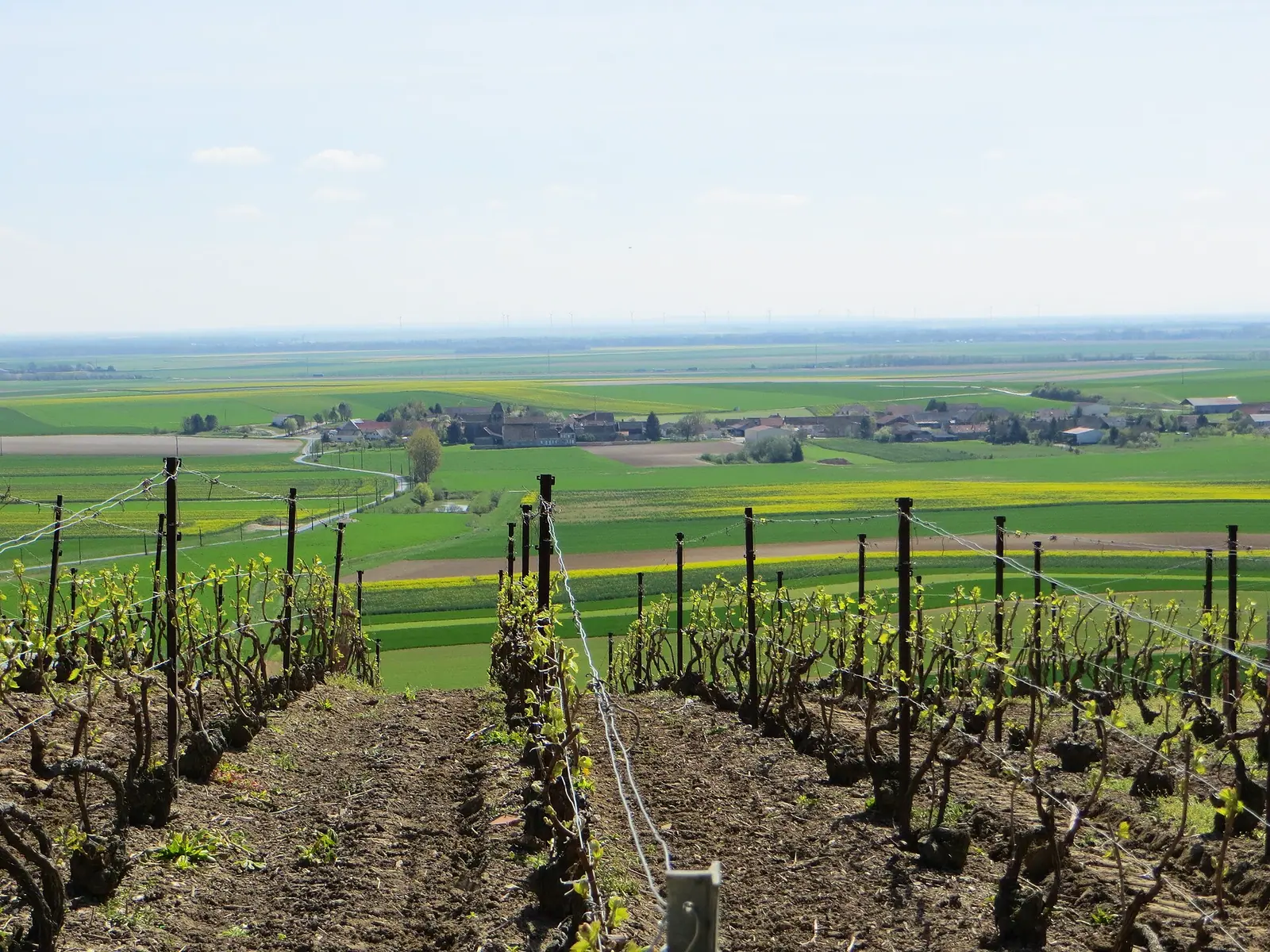
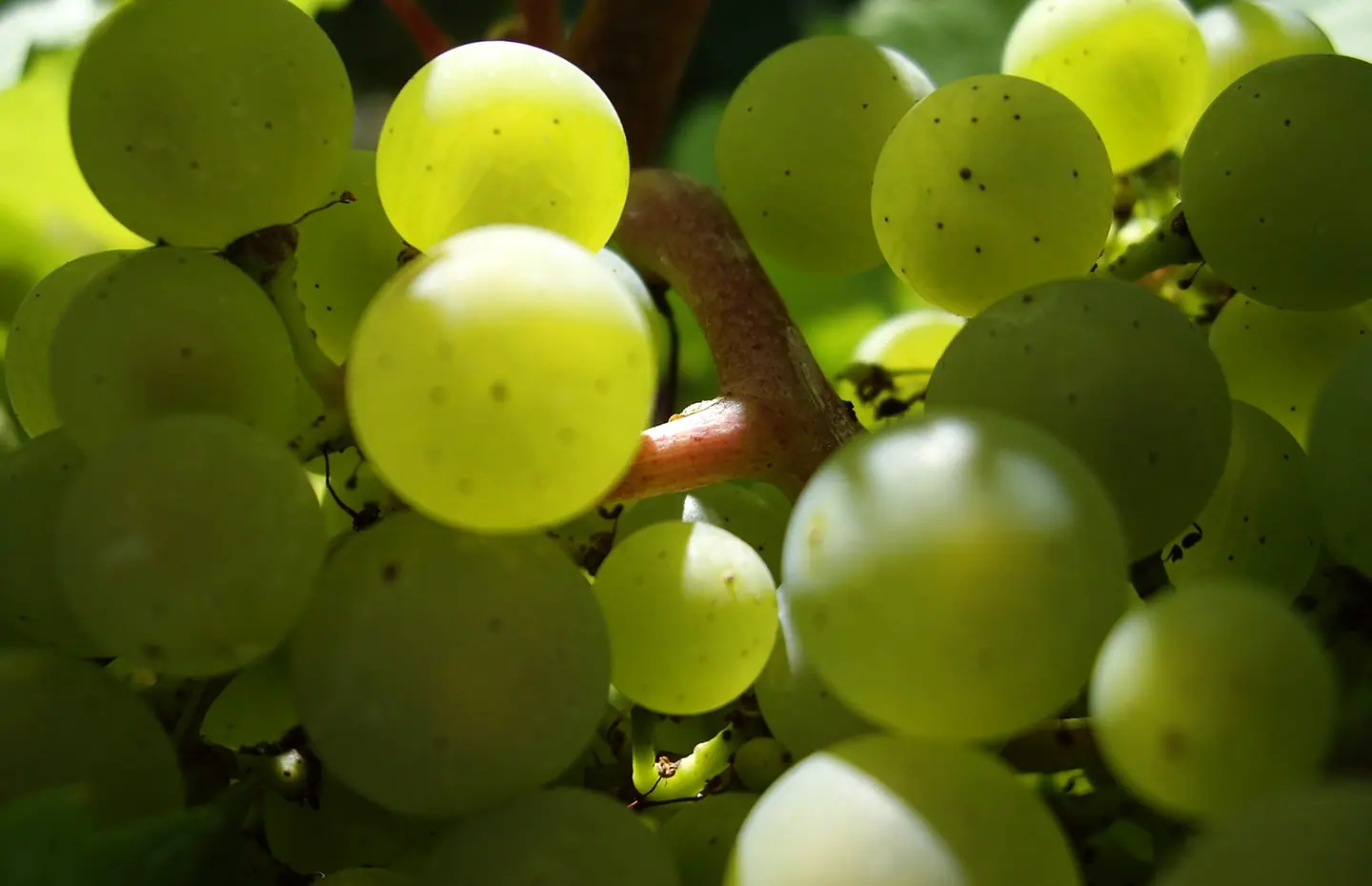
Péas is a wine village within the Champagne and Coteaux champenois appellations, so it covers both sparkling wine and the still wines of the region. The village has no Grand Cru or Premier Cru classification. It sits in the Côte de Sézanne, which lies south of the Côte des Blancs, away from the well-known Champagne routes, and is known for its high proportion of Chardonnay.
The landscape is shaped above all by arable farming: a good 93 per cent of the commune's area is farmland, just over 3 per cent is woodland, and the rest is built up. The climate is temperate with an oceanic influence. At the nearest weather station in Esternay, 16 kilometres away, the mean annual temperature is 11.0 °C and annual rainfall is around 700 millimetres. Late frosts and hot years, documented there with 41.4 °C in July 2019 and minus 16 °C in January 2010, show the range the growers have to cope with.
There is no watercourse within its boundaries.With 65 inhabitants (2023), Péas is one of the very smallest places in Champagne.
History
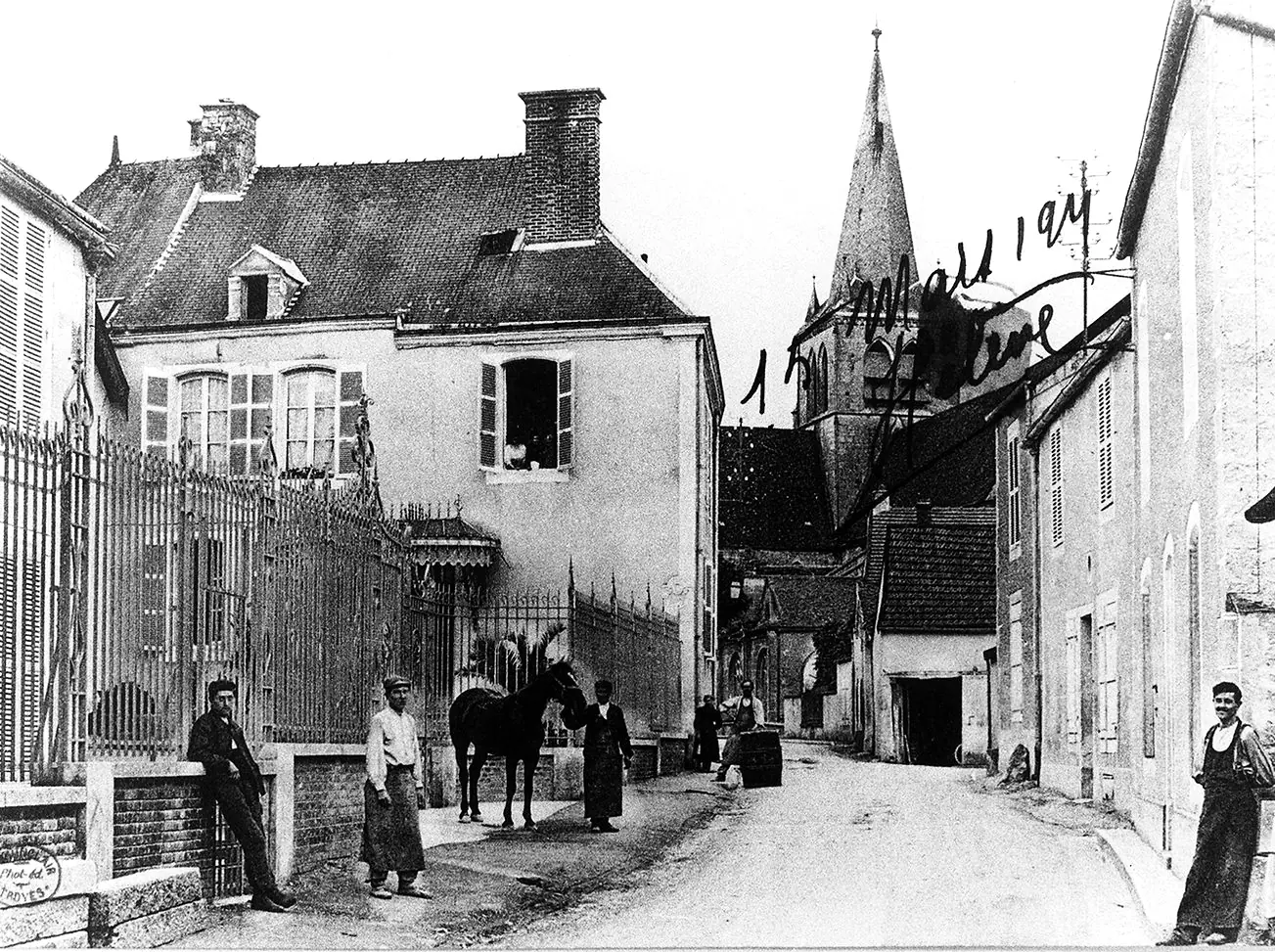
The name of the village is recorded as Payacum from the early 12th century. Around 1104 a priory was founded here, answerable to the Abbey of Molesme, living by the Rule of Saint Benedict and dedicated to Saint Didier. Before the French Revolution the monastery became a farm. Traces of earlier settlement can be found in circular ditches on the plots of Mortevaches, La Potence and Ogeants, which probably date from prehistoric times.
 Alfred Gratien Champagner, Trauben und Historische Rebsorten
What to see
The focal point of the village is the church of Saint-Didier. It has an unusual history of use: in the 19th century the southern part of the nave was cut off to make room for a school, and the main nave became the town hall.
- Church of Saint-Didier, with its history as a priory and later town hall
- Vineyards and fields around the village
- Sézanne close by as a base for excursions
If you are looking for champagne away from the big names, Péas combines well with a visit to Sézanne and its growers. It is advisable to book ahead before visiting small estates.
Pictures
 0 %
