

Perlant refers to the fine bubbles that form as champagne is poured. They come from the carbon dioxide of the second fermentation in the bottle, and fine, even bubbles are regarded as a sign of quality.
Perlant and champagne: a closer look
The term "perlant" matters a great deal in the world of champagne. It describes the fine, gentle bubbles, or pearls, that form when champagne is poured into a glass. These pearls are not just a visual feature, they are also an indicator of the quality of the champagne and of how it was made.
How the bubbles form
The bubbles in champagne come from the natural carbon dioxide produced during the second fermentation in the bottle. This process, known as the "méthode champenoise" or "méthode traditionnelle", is an essential part of making champagne. For the second fermentation, which takes place in the bottle, sugar and yeast are added. The yeast converts the sugar into alcohol and carbon dioxide. Because the carbon dioxide cannot escape, it dissolves in the liquid and forms the fine bubbles that rise when the wine is poured.
How the bubbles affect taste and texture
The bubbles have a considerable influence on how champagne tastes and feels. The fine bubbles add to the impression of freshness and liveliness, as they carry the aromas of the wine up to the surface. In the mouth, the bubbles help build a "mousse", a foamy texture that makes the champagne feel silky and elegant. The size and number of bubbles can vary. Finer, more even bubbles are seen as a sign of high-quality champagne production.
Judging the bubbles
The bubbles are not only a visual and sensory feature, they are also a quality criterion. A well-made champagne should show an even, fine perlage. Irregular or large bubbles can point to poor winemaking or poor storage. Growers and cellar masters take great care over how the bubbles develop, because they shape the whole drinking experience.
 Veuve Clicquot Champagner
Storage and perlage
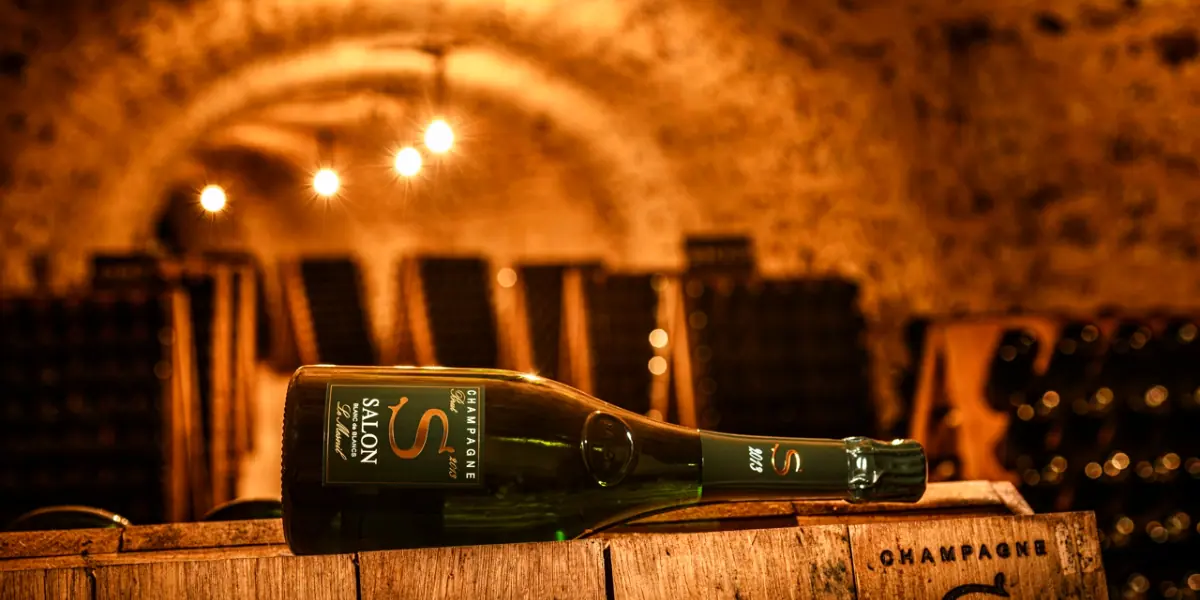
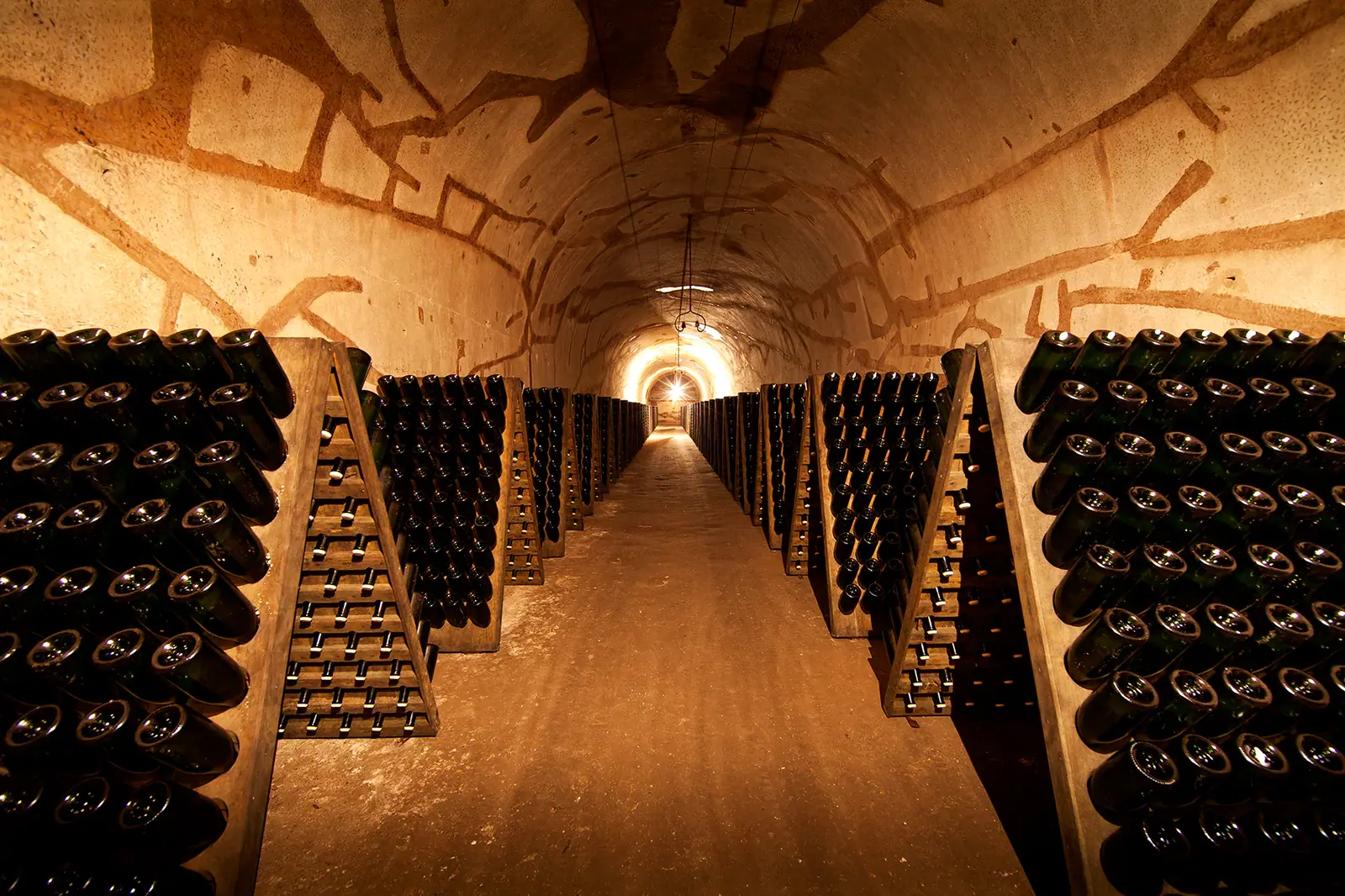
Storage plays an important part in developing and preserving the bubbles. Champagne is ideally stored lying down, so that the cork stays in contact with the wine and the bottle stays sealed tight. This helps keep the perlage stable and fine. Storing a bottle for too long, or in the wrong conditions, can harm the perlage and lower the quality of the champagne.
Perlage and styles of champagne
There are different styles of champagne, each with its own characteristics. A brut champagne, for example, can be very dry with a particularly lively perlage, while a demi-sec is sweeter and may show a less pronounced perlage. The style of the champagne has a marked effect on texture and on the whole tasting experience.
The influence of terroir
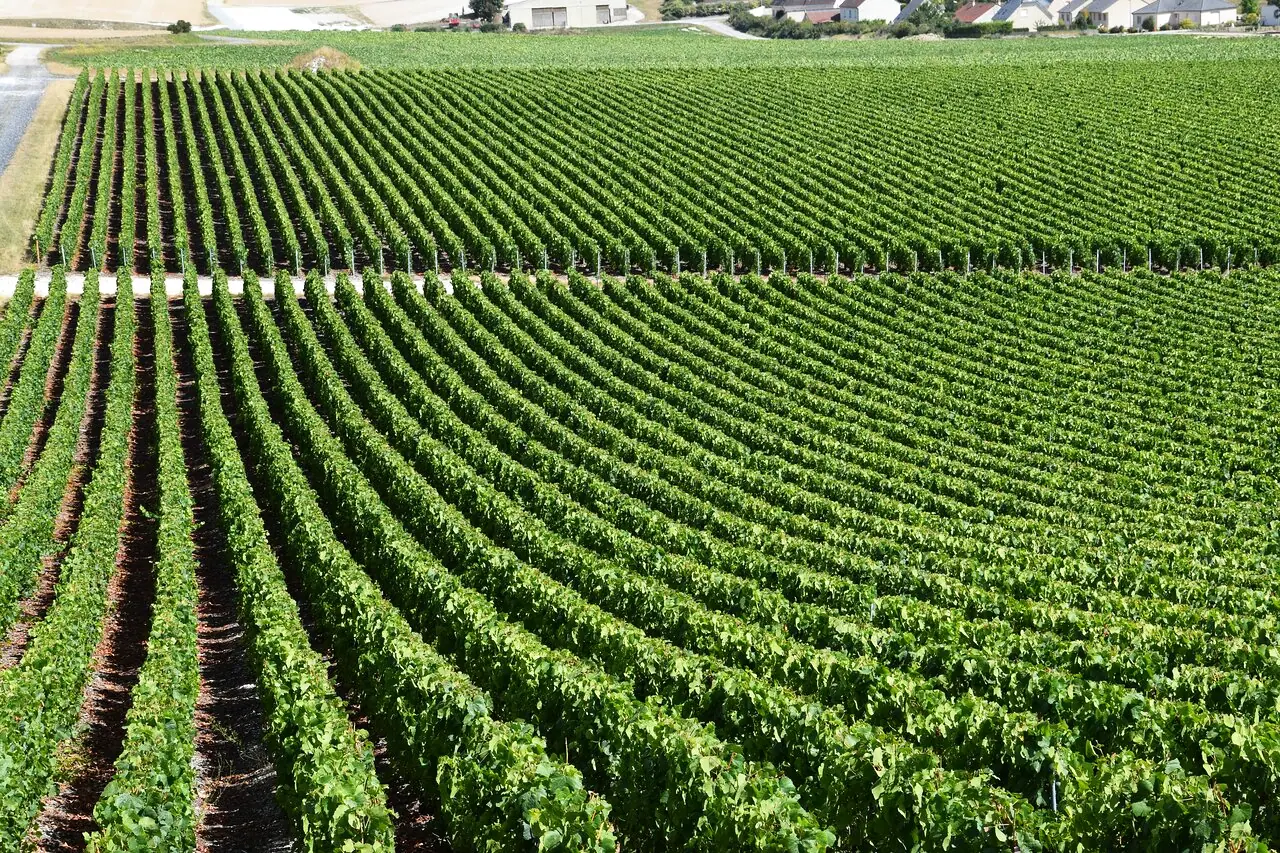
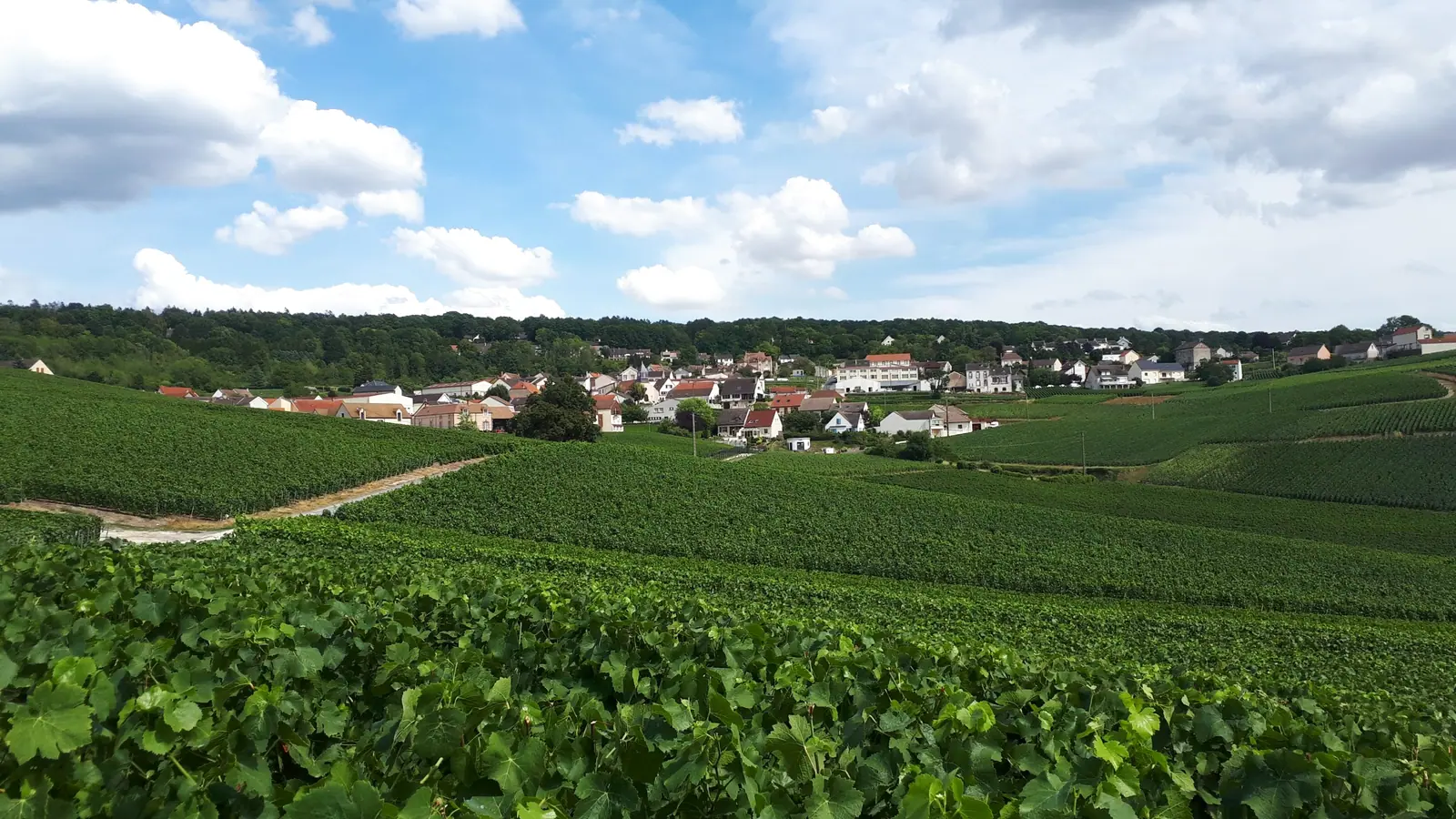
Terroir, the combination of soil, climate and viticultural practice, also affects the perlage of a champagne. A champagne from a particularly mineral-rich soil may develop a more intense and finer perlage, while other terroirs can lead to a different texture and bubble formation.
In short
Perlant, or the perlage, is a central element of champagne. It shapes not only how the wine looks but also what you experience when you drink it. The fine bubbles add to the freshness, elegance and complexity of the champagne. The quality of the perlage tells you about the skill and care that went into making it. The bubbles are therefore far more than a visual detail: they are an essential part of the pleasure and quality that make champagne so special.
Pictures


 0 %
