
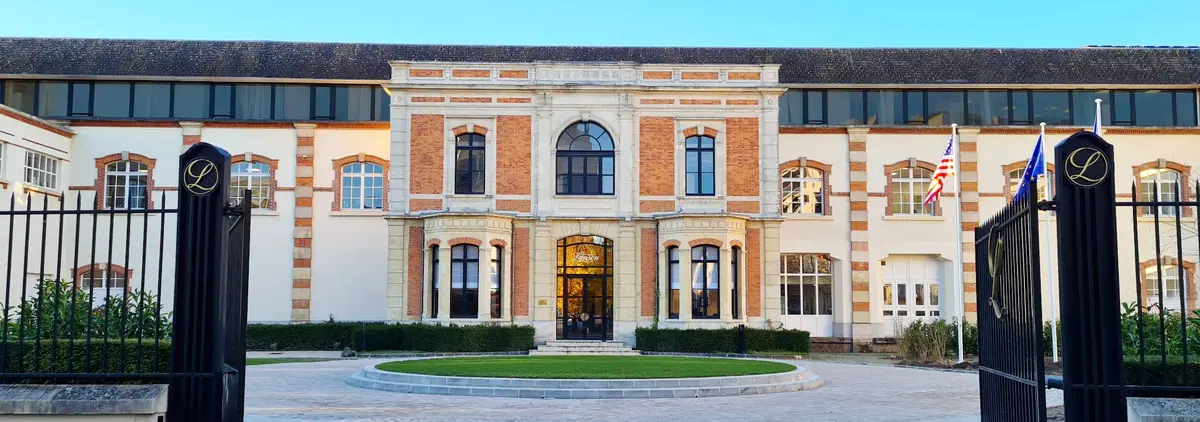
Premier Cru in Champagne refers to villages whose grapes are rated between 90 and 99 per cent on the <em>Échelle des crus</em> classification system. It is an origin rank one step below Grand Cru, and it applies to the village, not to the individual vineyard plot.
A classification by village
If you know Burgundy, you probably think of specific vineyard sites when you hear Premier Cru. Champagne works differently. Here the rating applies to an entire village, the commune. The basis is the Échelle des crus, the "ladder of crus". It gives every wine-growing village a percentage value, running from 80 to 100 per cent. Villages rated 100 per cent are the Grand Cru villages, while those rated 90 to 99 per cent carry the title Premier Cru.
Where the ladder comes from
Originally, the Échelle des crus had nothing to do with marketing. It was a tool for setting prices. The percentage determined what share of the grape price, negotiated each year, a grower received. A village rated 100 per cent got the full price, a village rated 90 per cent correspondingly less. The rigid link between grape price and the ladder was abolished long ago. The ratings themselves remained, however, and today they appear on labels.
Examples and styles
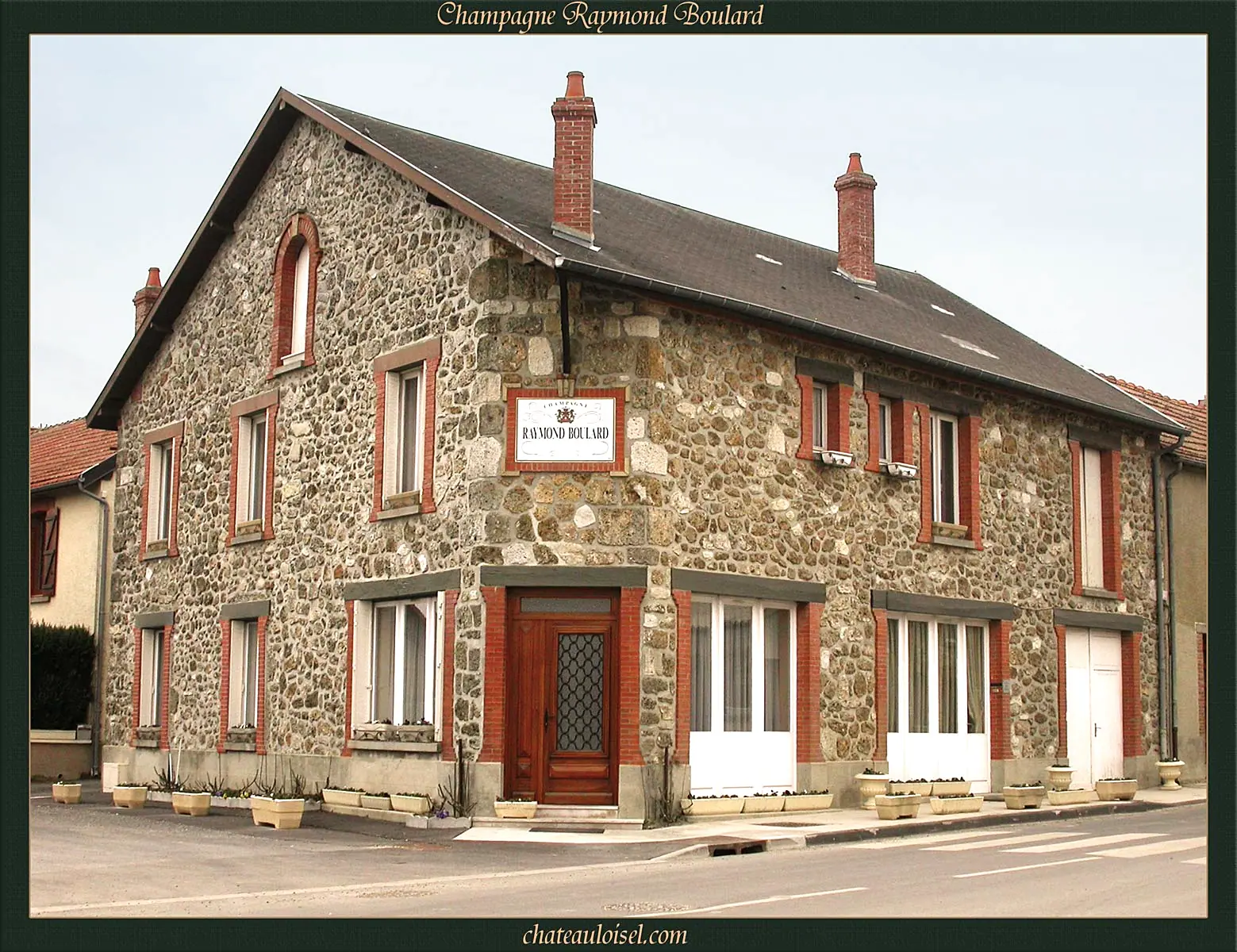
Premier Cru villages are found in all the major sub-regions. On the Montagne de Reims, they include Ludes and Chigny-les-Roses. In the Marne Valley lies Hautvillers, the village of the famous abbey. Around Aÿ, Mareuil-sur-Aÿ holds the rank. The range of styles is correspondingly broad: sometimes Pinot Noir shapes the wine with richness and structure, sometimes Chardonnay with freshness and drive, sometimes Pinot Meunier with fruit and approachability.
What matters most for quality is still the producer. Many growers and houses turn Premier Cru grapes into wines that are every bit the equal of a Grand Cru. The rating tells you about origin, not about vinification, dosage or time spent ageing on the lees.
What the label says
The term Premier Cru may only appear if the grapes come entirely from villages rated at least 90 per cent. A champagne made from a single village will usually name it explicitly. More common is a blend of several Premier Cru villages, often topped up with reserve wines. For drinkers, the designation is a reliable sign that the grapes come from well-rated sites, often at a somewhat friendlier price than Grand Cru.
The sweetness scale
Choose a level. You will see the sugar content, the taste and what goes with it.
Bone dry, pure and mineral
Pairs with: Oysters, mussels, sashimi
More in the glossaryVery dry, taut and clear
Pairs with: Raw fish dishes, ceviche
More in the glossaryDry, the classic
Pairs with: Aperitif, seafood, Parmesan
More in the glossaryMedium dry, soft
Pairs with: Asian cuisine with a little heat
More in the glossarySweet, fruity
Pairs with: Foie gras, fruit desserts
More in the glossarySweet, now rare
Pairs with: Cakes, tarts, patisserie
More in the glossaryPictures

 0 %
