
- Département
- Marne (Grand Est region)
- Site
- Montagne de Reims, etwa 9 km südöstlich von Reims
- Inhabitants
- 466 (Stand 1. Januar 2023)
- Classification
- Grand Cru
- Source
- Wikipedia, eigene Zusammenfassung
- Classification
- Grand Cru
A small commune in the Marne département, about nine kilometres south-east of Reims. As a grand cru village of the Montagne de Reims, it belongs to an area known for powerful champagnes built on Pinot Noir.
Location
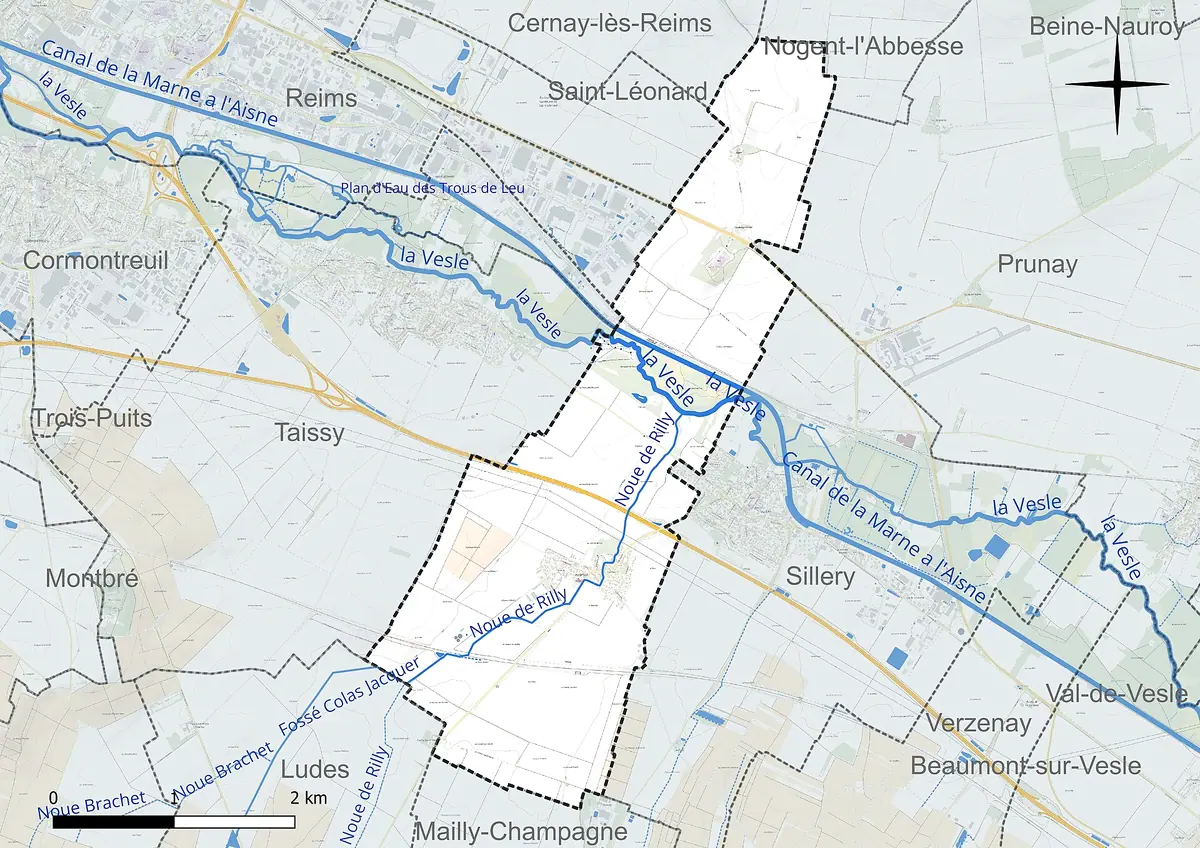
Puisieulx lies about nine kilometres south-east of the centre of Reims, in the Marne département. With 466 inhabitants (as of 1 January 2023) the commune is small, but it falls within the city's catchment area. Its neighbours include Sillery to the east, Mailly-Champagne to the south and Ludes to the south-west, all names familiar to champagne lovers. To the north it borders Saint-Léonard, Cernay-lès-Reims, Nogent-l'Abbesse and Prunay, and to the west Taissy. The A4 motorway runs through the commune, and an on-demand bus service links the village with Reims.

Viticulture and climate
Puisieulx is classified as grand cru and belongs to the Montagne de Reims. This corner of Champagne is best known for powerful, structured champagnes based on Pinot Noir. According to the European land-use survey (Corine Land Cover, 2018), 92.6 per cent of the commune's land is agricultural, with the data showing mainly arable land.
With 466 inhabitants (as of 1 January 2023) the commune is small, but it falls within the city's catchment area.
For climate, the nearest Météo-France station, in Mailly-Champagne about four kilometres away, gives useful figures for 1991 to 2020:
- Mean annual temperature: 11.2 °C
- Annual rainfall: 755.5 mm
- Highest recorded: 39.8 °C on 25 July 2019
- Lowest recorded: minus 20 °C on 16 January 1985
Extremes like these show how much growers here have to contend with frost and heat.
History
For centuries the archbishops of Reims were the lords of the village. The first known family was the Cauchon family. Through a marriage in 1543 the line passed to the Brûlart family. From it came Nicolas Brûlart (1544 to 1624), Marquis de Sillery, who signed the Treaty of Vervins on behalf of Henri IV in 1598.
The name goes back to the Latin puteus and means, roughly, small wells or pits. The village is mentioned in the early 11th century as Putioli.
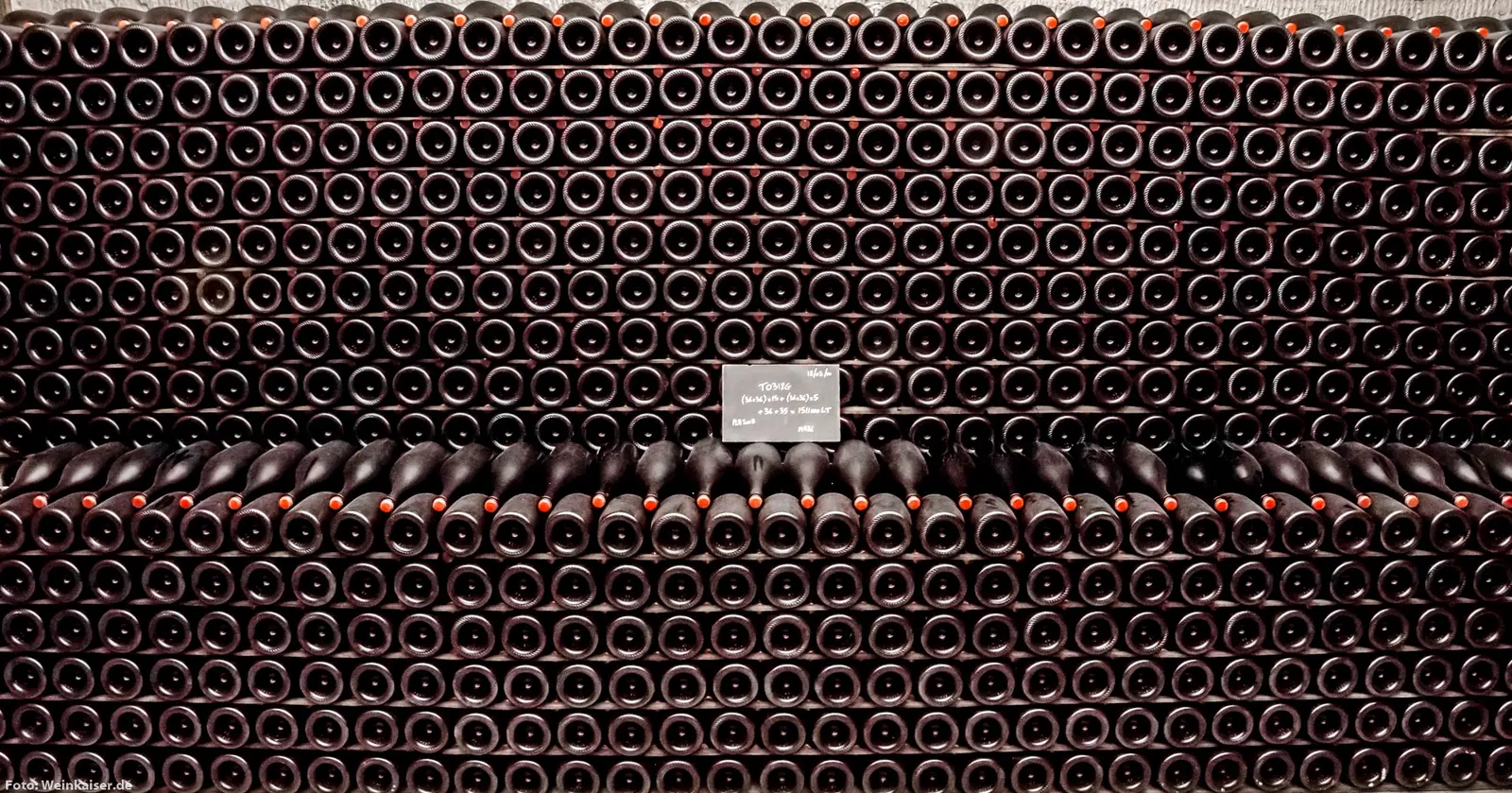
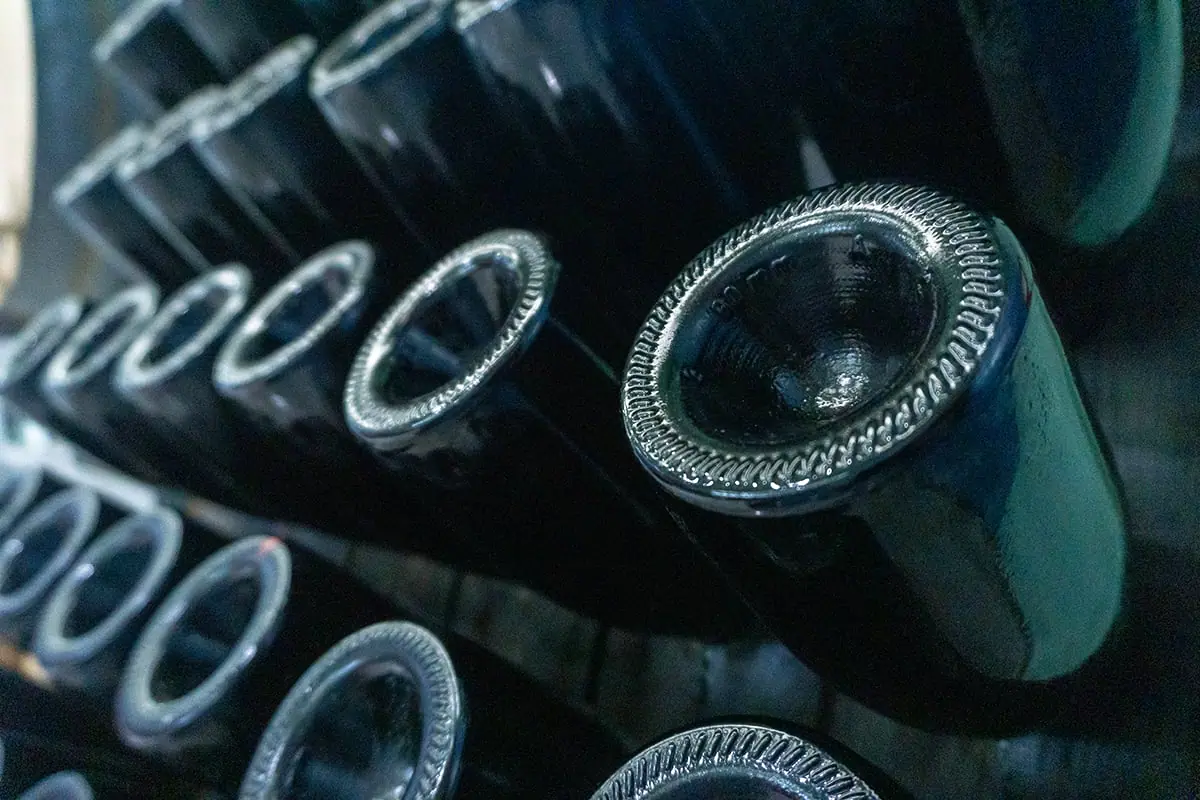 Flaschengärung
In the First World War the commune played an important part in the defence of Reims. On 1 October 1920 it was awarded the Croix de guerre 1914 to 1918.
What to see
- Fort de la Pompelle: the fortress within the commune was one of the key points in the defence of Reims during the First World War.
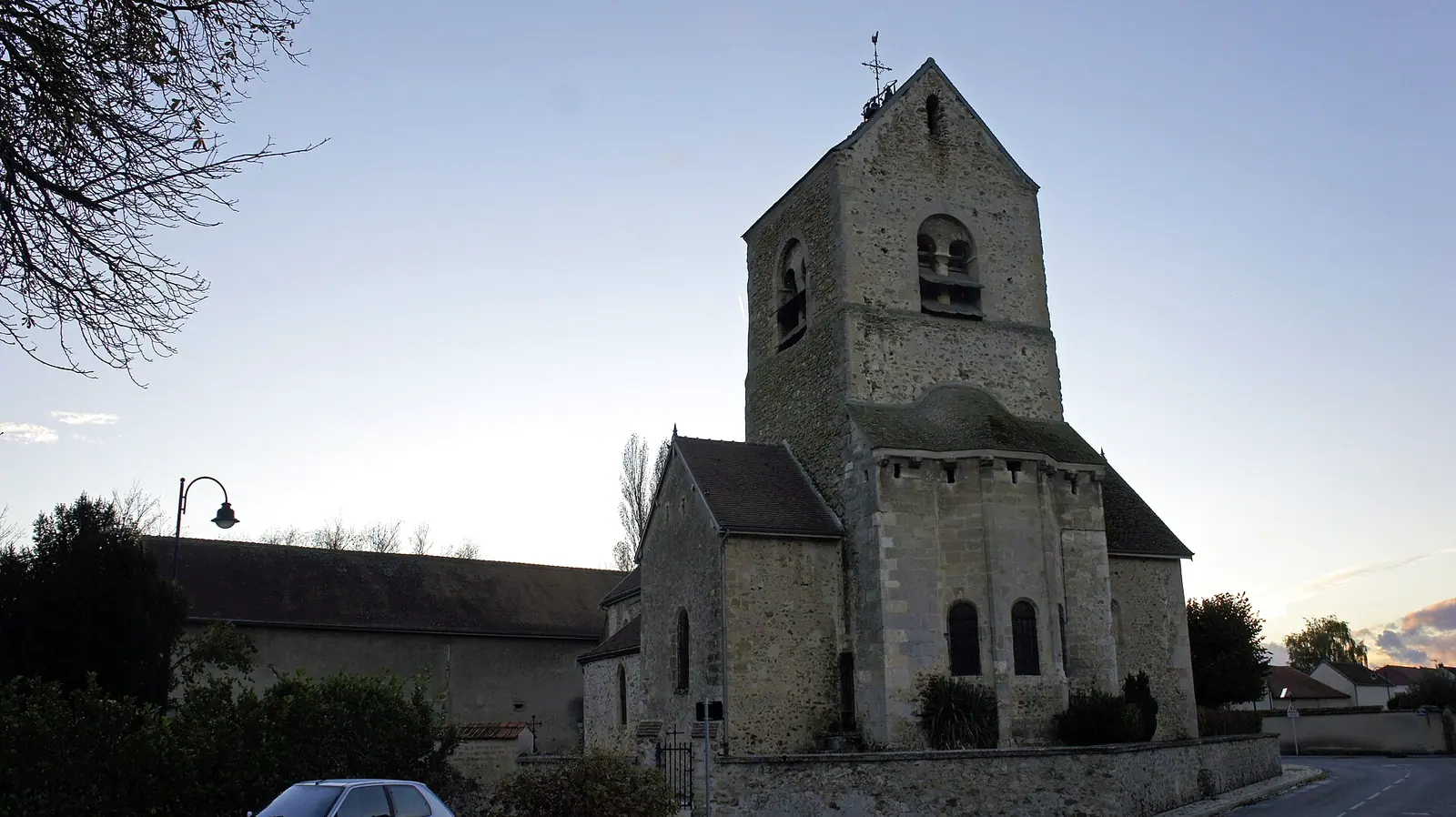
- Église Saint-Pierre: the village church in the centre of the village.
If you are visiting the area, both fit easily into a trip that also takes in the neighbouring villages of the Montagne de Reims and a visit to Reims itself.
Pictures
 0 %
