
Récoltant-Manipulant (R.M.) describes a grower who makes and sells champagne from their own grapes. Large houses and cooperatives, by contrast, buy grapes from a range of growers.
A grower who makes and sells their own champagne independently.
Récoltant-Manipulant (R.M.) is a term used in the champagne trade for producers who make their wine from their own grapes. This sets them apart from the larger houses and cooperatives, which buy grapes from various growers to produce their champagne. The R.M. designation is a sign of authenticity and often of high quality in the finished wine, because the producers have full control over the entire production process, from tending the vines to bottling the champagne.
History and significance of R.M. status
The origins of Récoltant-Manipulant status go back to the early days of champagne production, when growers in the Champagne region of France began cultivating their own grapes and making their own wine. Over time, methods and technology evolved, but the basic approach of controlling the wine from vine to bottle remained.
The term R.M. stands not only for a particular way of producing wine but also for a philosophy. Récoltant-Manipulants place great importance on terroir, that is, the specific geographical and climatic conditions that shape their grapes. They believe that the best champagne can only come about if these conditions are respected and allowed to flow into the wine.
The production process
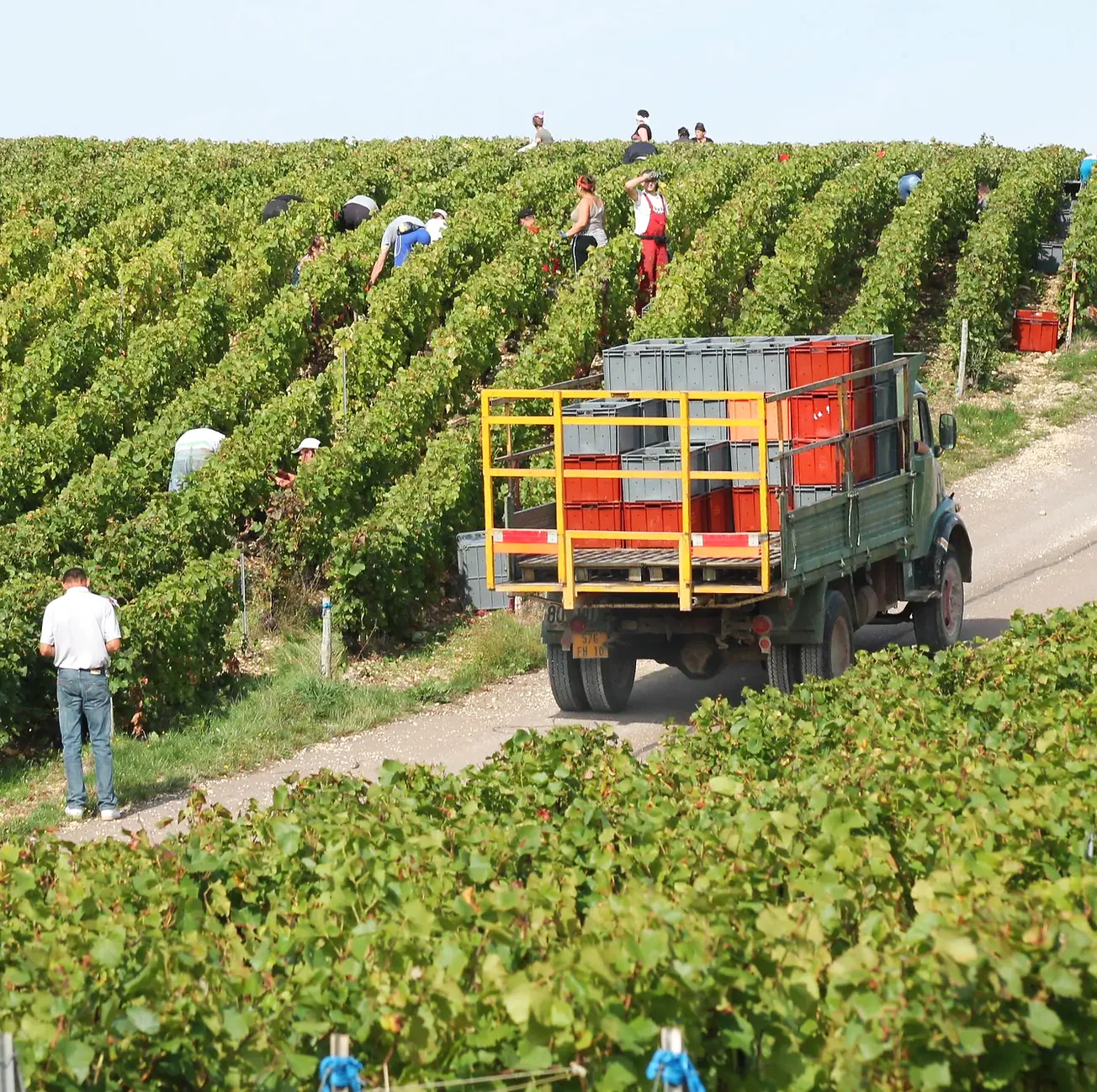
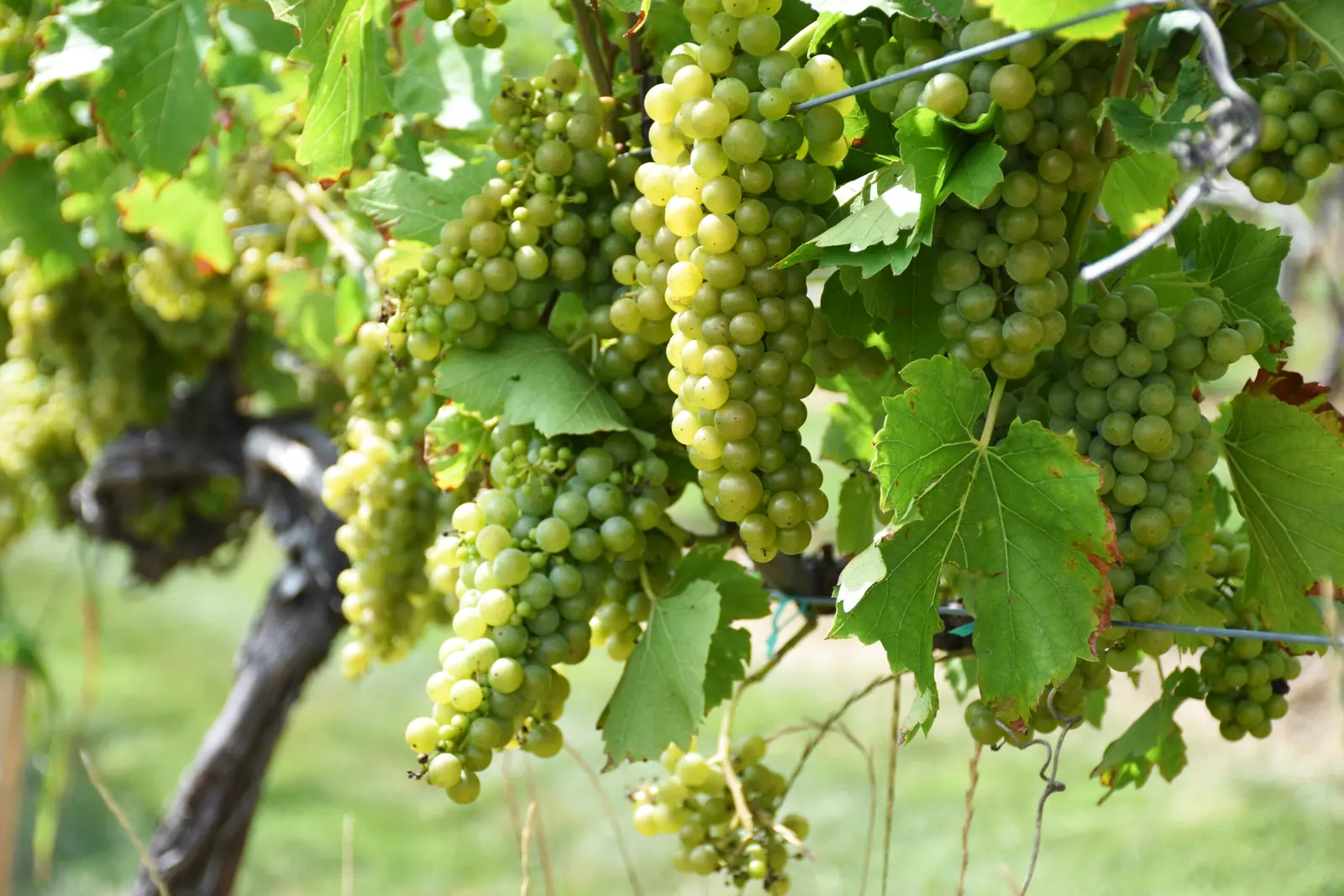
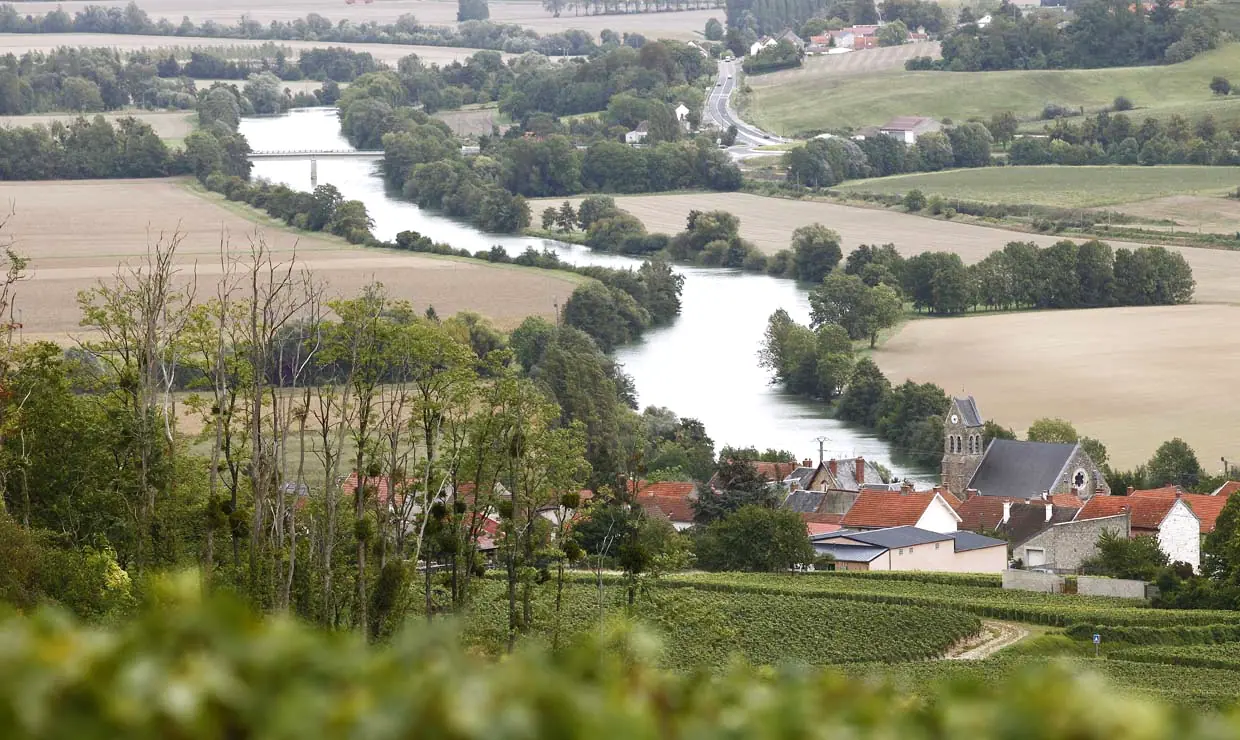
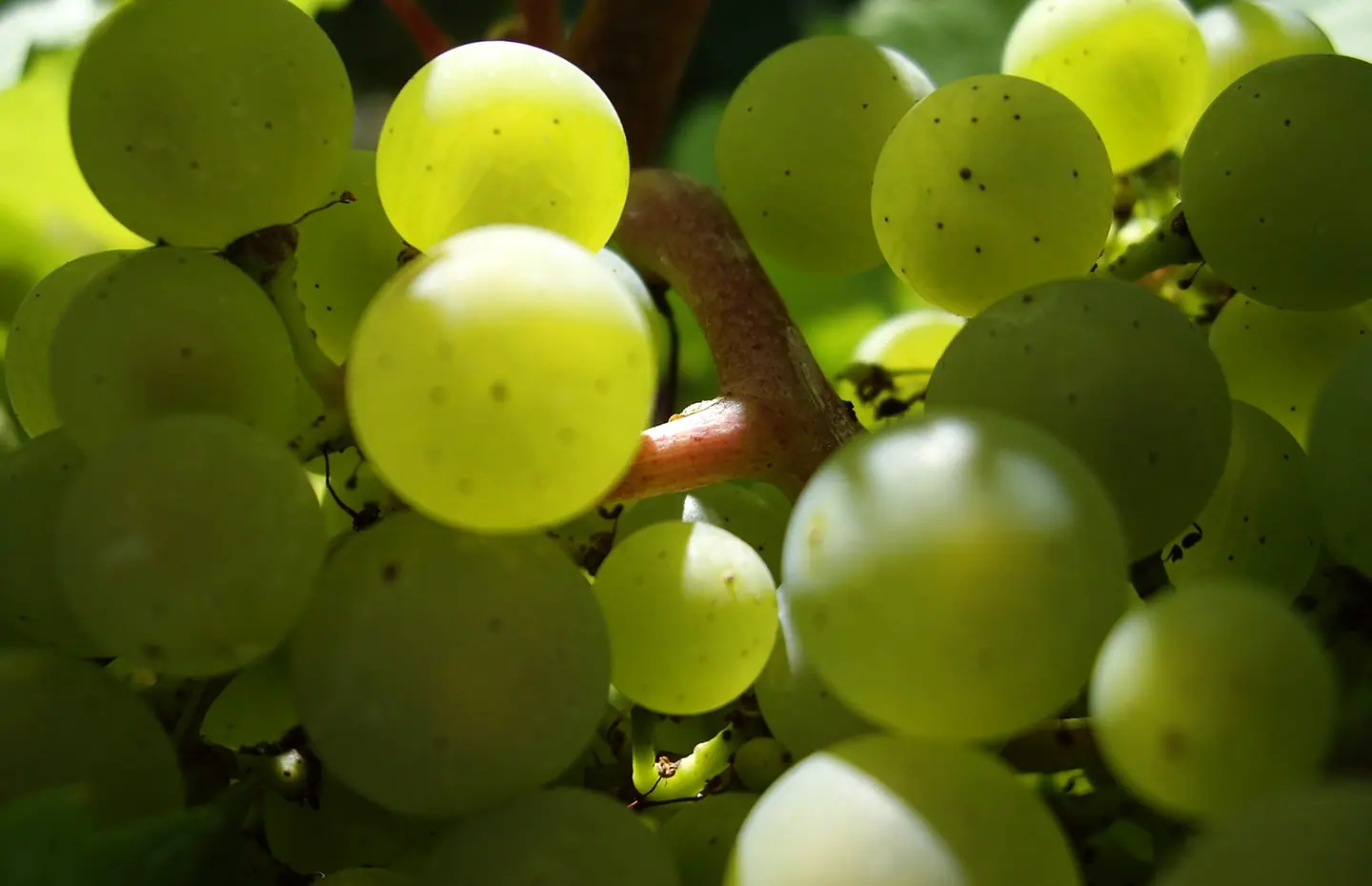
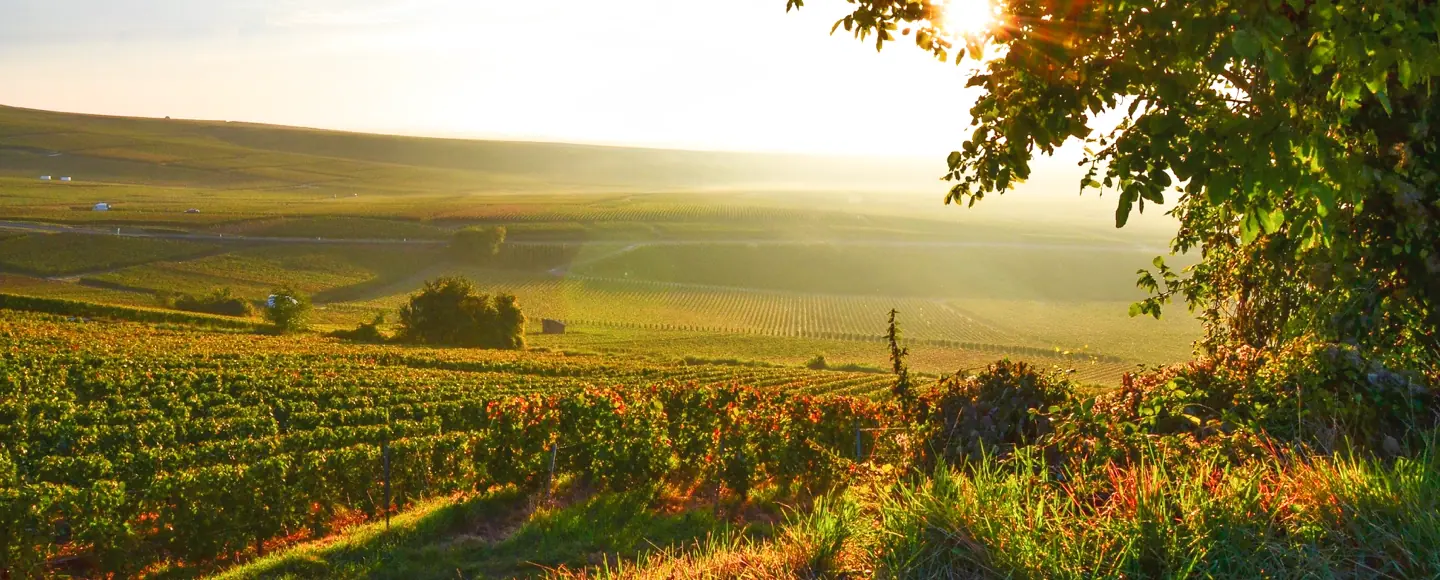
An R.M. is responsible for every step of champagne making. This begins in the vineyard. Most R.M.s own their vineyards, which they often work across generations. They know their vines and soils intimately and can therefore make the best decisions for cultivation. Pruning, vine care and harvesting are carefully overseen to ensure the best possible grapes.
After the harvest, the grapes are pressed and the must is fermented. Here R.M.s often use traditional methods and techniques that they have perfected over many years. They monitor fermentation closely and make adjustments where needed to make sure the wine reaches the quality they are aiming for.
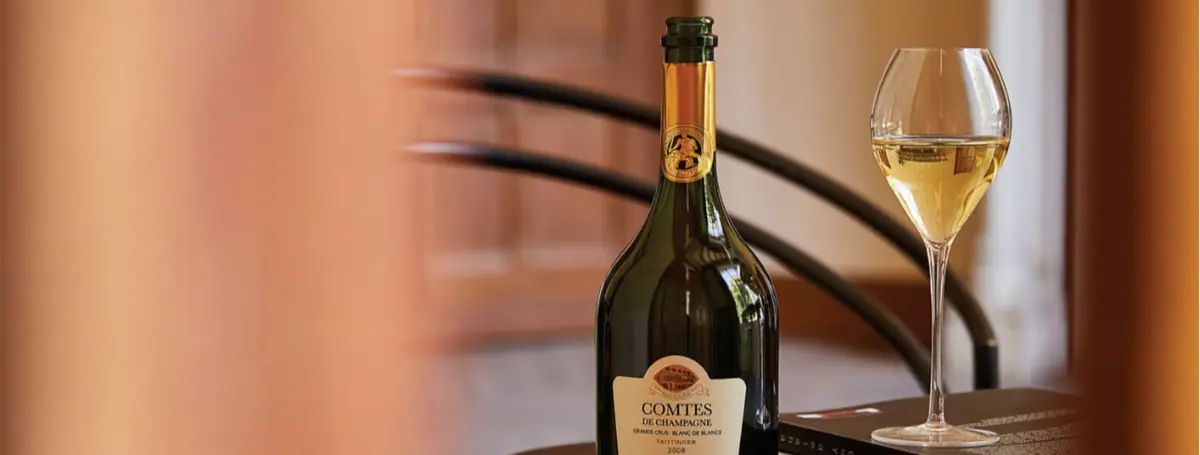 Taittinger Champagner
Another important step is the assemblage, in which different base wines are blended to create the final champagne. This is where R.M.s can bring their individual style and the character of their terroir into the champagne. After the assemblage, the wine is bottled and the second fermentation follows, which gives the champagne its bubbles.
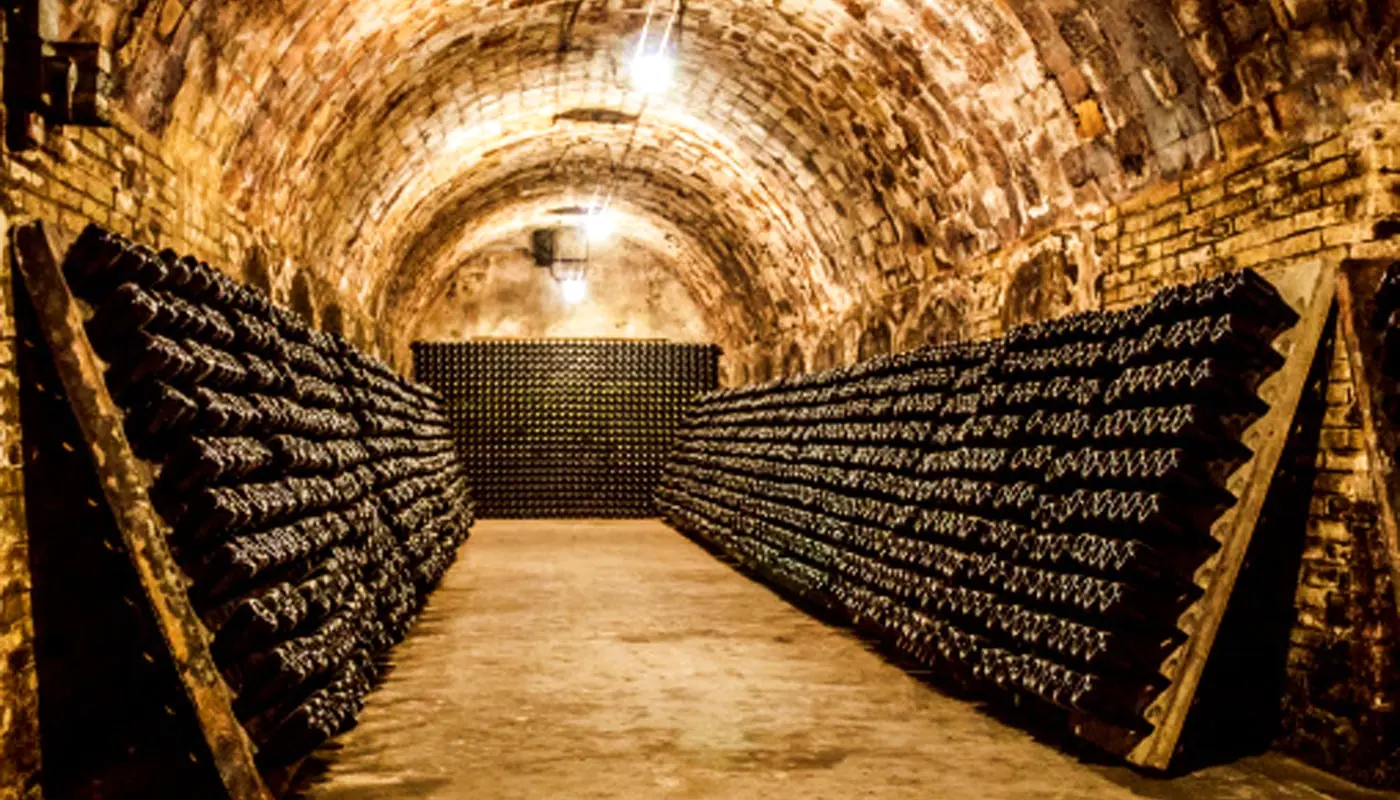
Ageing is a decisive factor in the quality of a champagne. R.M.s often age their champagne for longer than the legal minimum, in order to achieve more complex aromas and a finer mousse. During this time the bottles are riddled regularly (remuage) and finally disgorged (dégorgement) to remove the yeast sediment. The dosage is then added, which determines the final level of sweetness of the champagne.
Advantages of R.M. status
One of the greatest advantages of R.M. status is complete control over the production process. This allows producers to maintain high quality standards and create distinctive champagnes that reflect the character of their terroir. Anyone buying an R.M. champagne can be confident of getting a wine made with great care and craftsmanship.

Another advantage is transparency. R.M.s are often small estates that keep a close relationship with their customers. They can explain the origin and production of their champagne in detail, building a greater degree of trust and appreciation.
Challenges and market position
Despite the advantages, R.M.s also face considerable challenges. The champagne market is dominated by large houses with enormous resources and marketing budgets. For smaller R.M.s it can be hard to hold their own in such a competitive environment.
One of the biggest challenges is distribution. While the large houses can market their champagnes worldwide, R.M.s often depend on local markets and direct sales. This can limit their reach and make it harder to win new customers. Even so, many R.M.s have loyal customers who value the quality and authenticity of their wines.
Another issue is scale. Because R.M.s grow their own grapes and make their champagne in small quantities, they cannot simply increase production to meet demand. This can make their champagnes hard to find, which at the same time lends them a certain exclusivity.
Future prospects
The future looks promising for R.M.s, as more and more consumers are looking for authentic, high-quality products. The trend towards artisan food and drink has meant that R.M. champagne is increasingly appreciated. Many R.M.s use the internet and social media to tell their stories and sell their wines directly to consumers.
Another positive trend is the growing appreciation of sustainable and organic viticulture. Many R.M.s have joined this movement and rely on environmentally friendly practices to improve the health of their vineyards and the quality of their grapes. This appeals in particular to environmentally conscious consumers, who are willing to pay a higher price for sustainable products.
In summary, Récoltant-Manipulants play an important role in the champagne industry and, through their dedication and craftsmanship, produce some of the best champagnes in the world. Despite the challenges they face, their authenticity, quality and transparency give them a strong market position and a promising future.
Pictures

 0 %
