
- Département
- Marne (Grand Est region)
- Site
- Champagne crayeuse, east of Châlons-en-Champagne, at the source of the Vesle
- Inhabitants
- 342 (as at 1 January 2023)
- Source
- Wikipedia, eigene Zusammenfassung
Somme-Vesle is a village in the Champagne crayeuse in the Marne département, and it is where the River Vesle rises. It is not a wine village, but it belongs to the chalky farmland that makes up much of the Champagne region.
If you only know Champagne as a succession of vine-covered slopes, you miss a large part of the region: the wide, open chalk plain. Somme-Vesle lies right in the middle of it. It is neither a Grand Cru nor a Premier Cru village, and it is not a champagne village in the strict sense either. Even so, it offers wine lovers a view of the landscape that forms the backdrop to Champagne's winegrowing.
Location
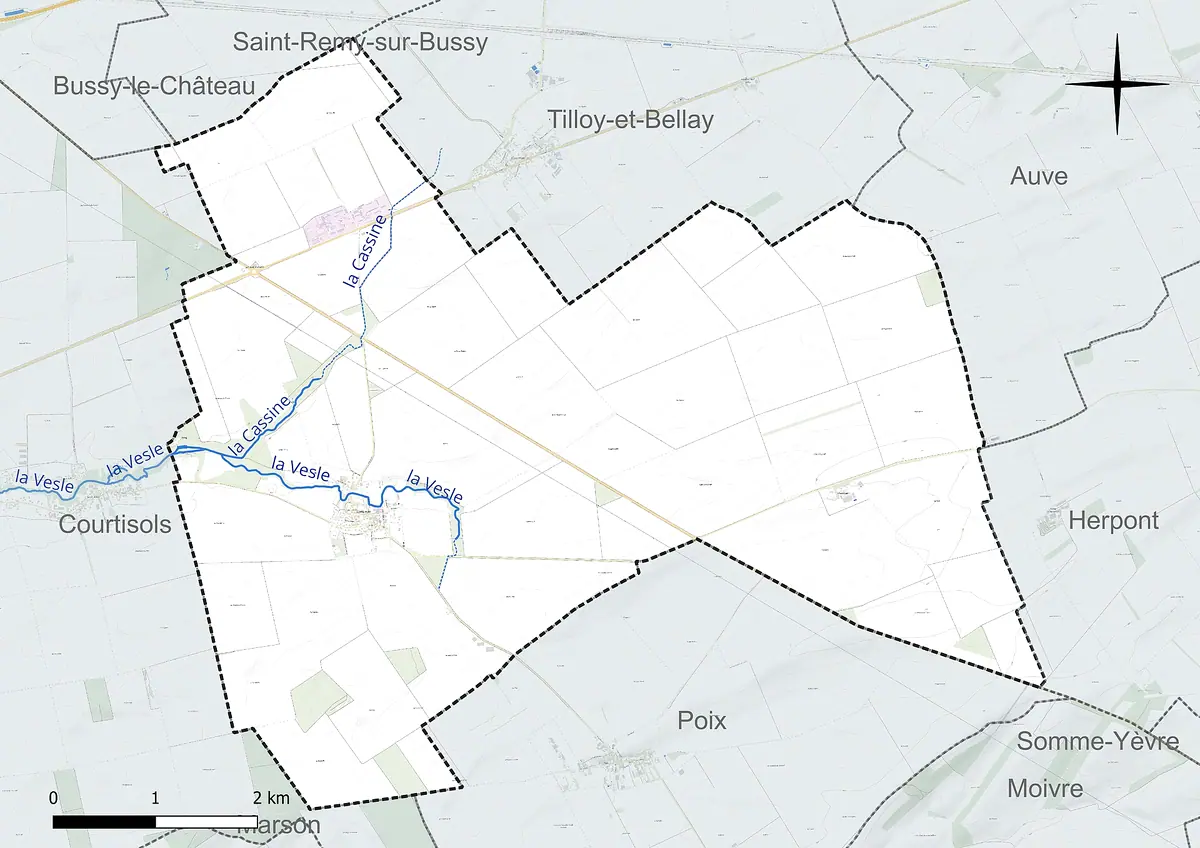
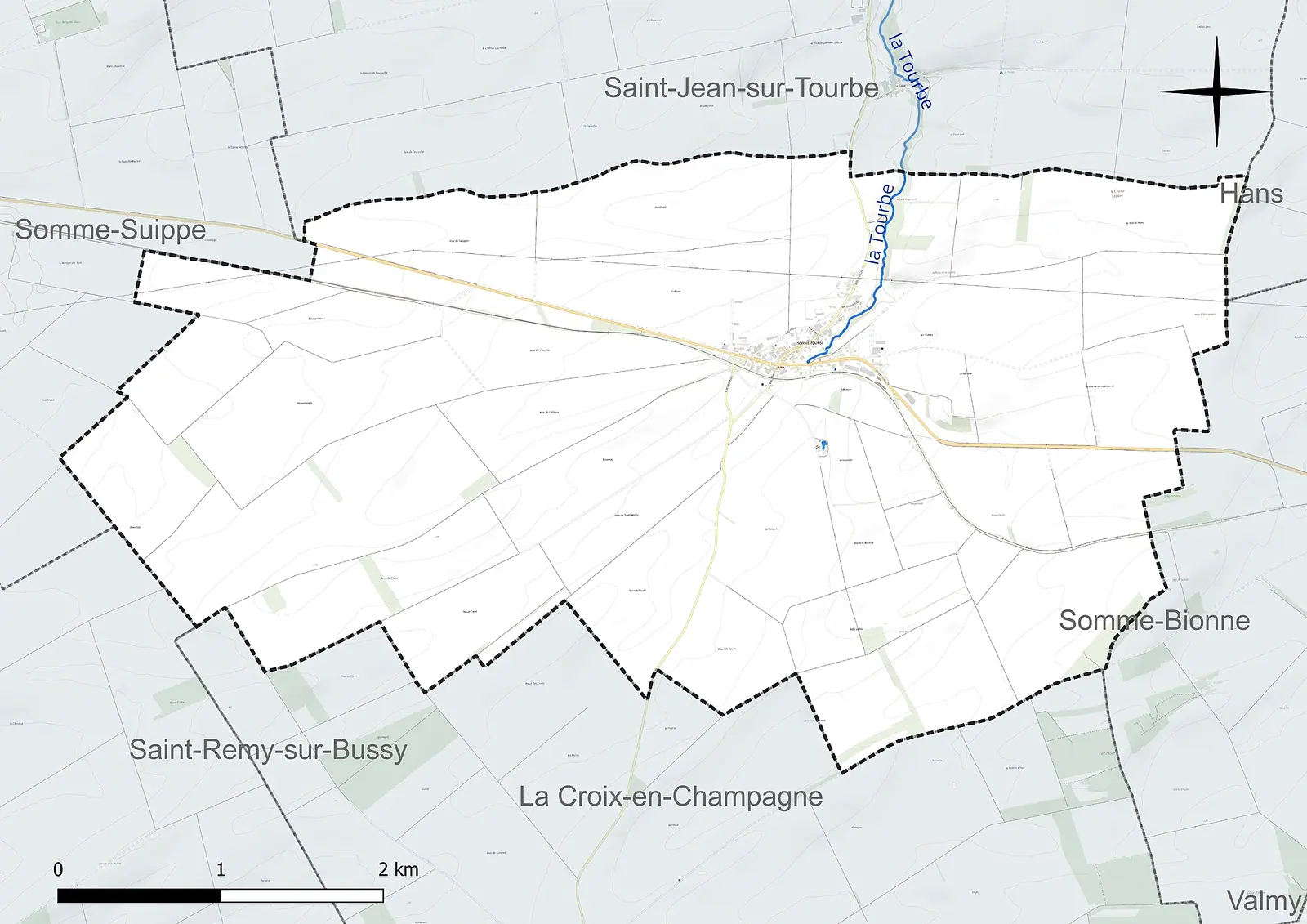
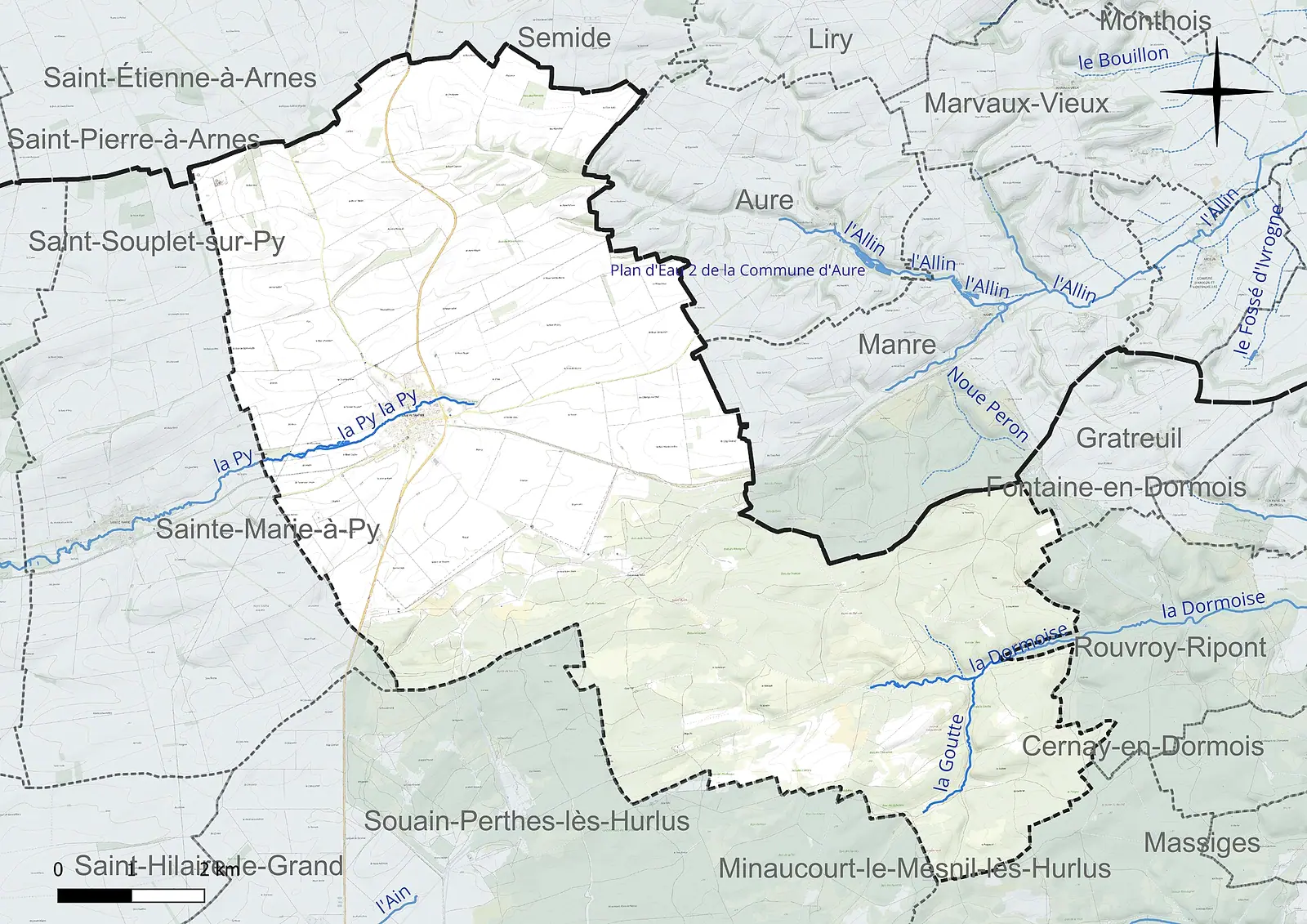
Somme-Vesle belongs to the Marne département in the Grand Est region and to the arrondissement of Châlons-en-Champagne. It is 21 kilometres by road to the prefecture, Châlons-en-Champagne, and 61 kilometres to Reims. The commune covers 3,531 hectares, and the land rises from 146 metres on the western bank of the Vesle to 209 metres in the east, at the Blanche Côte. Neighbouring communes include Courtisols, Poix, Herpont and Auve.
Two important roads cross at Grande Romanie: the D3 between Châlons and Sainte-Menehould, and the D994, which follows a Roman road from Reims to Metz. The village itself lies a little off to one side.
The source of the Vesle
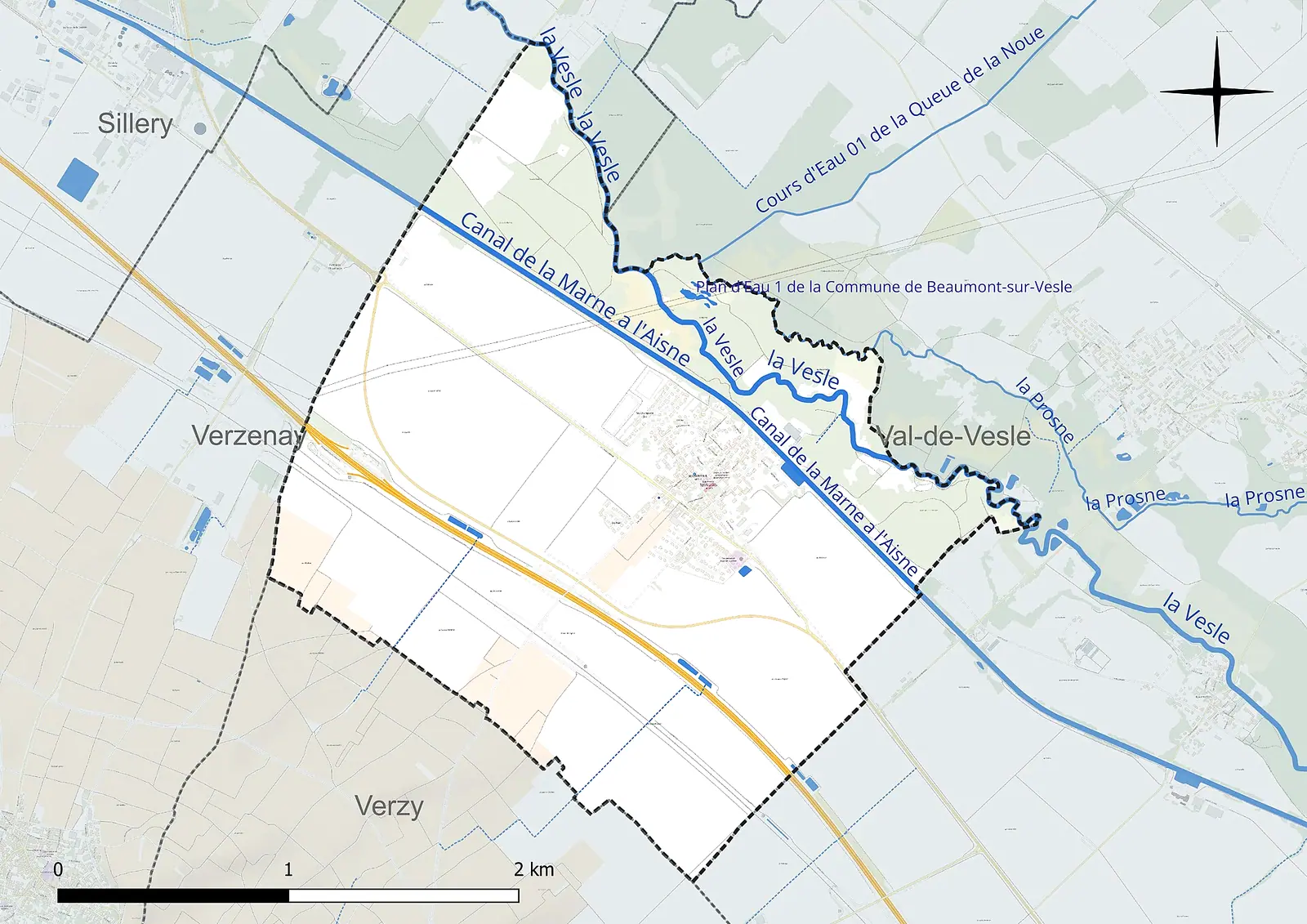
The name gives it away: in local place-name lore, "Somme" means "source", derived from the Latin "summus", the highest point. Somme-Vesle therefore means the source of the Vesle. The river is 139 kilometres long, flows through 52 communes and joins the Aisne at Ciry-Salsogne. A watershed within the Seine basin also runs through the commune.
The spelling "Somme-Vesle" has been documented since 1860.The one sight named by the source is the church of Saint-Martin.
Champagne without vines
Somme-Vesle lies in the Champagne crayeuse, the chalk Champagne. Arable farming dominates here: 96.4 per cent of the land is cultivated fields and only 1.9 per cent is woodland. The commune is not known as a wine-growing village. The chalk bedrock, however, is the same one that gives the wines of Champagne their mineral character.
The climate is temperate with cool summers. The nearest weather station, at Fagnières about 20 kilometres away, recorded an average of 11.2 °C and 632 millimetres of rainfall a year for 1991 to 2020. In the south of the commune there is a protected area with stands of pine, one of the last remaining savarts of the chalk Champagne, the poor, dry chalk grasslands.
History and things to see
The village name is already recorded in 1043 as "Summa Vidula". After 1440, Antoine de Bournonville became lord of Somme-Vesle, inheriting it through his wife Jeanne de Thourotte. The spelling "Somme-Vesle" has been documented since 1860.
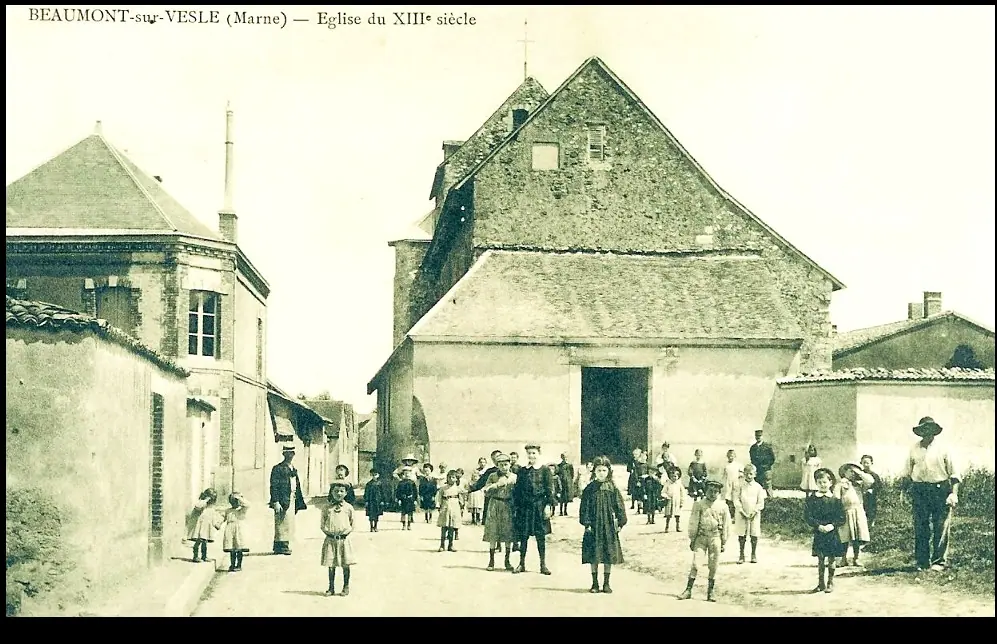
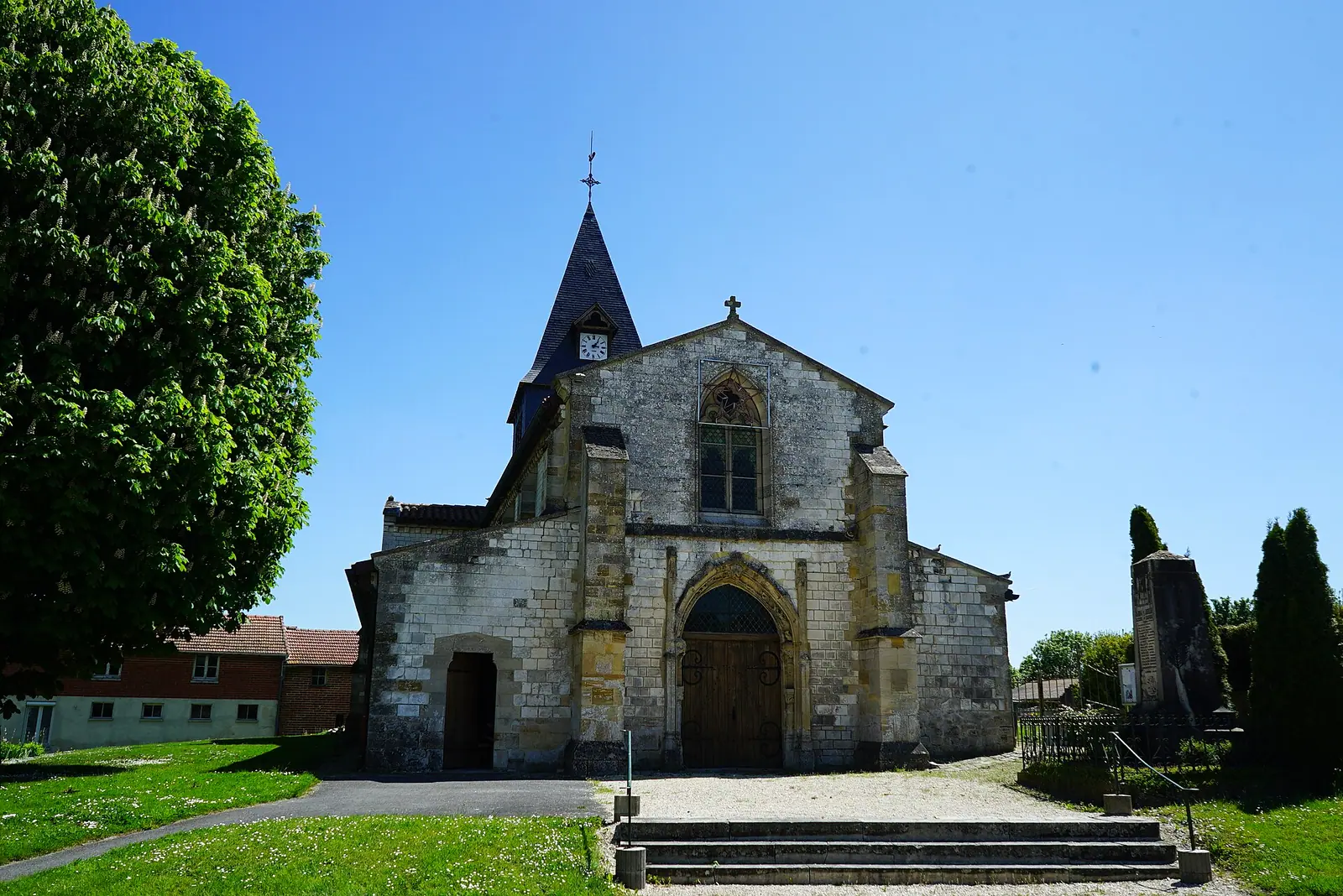
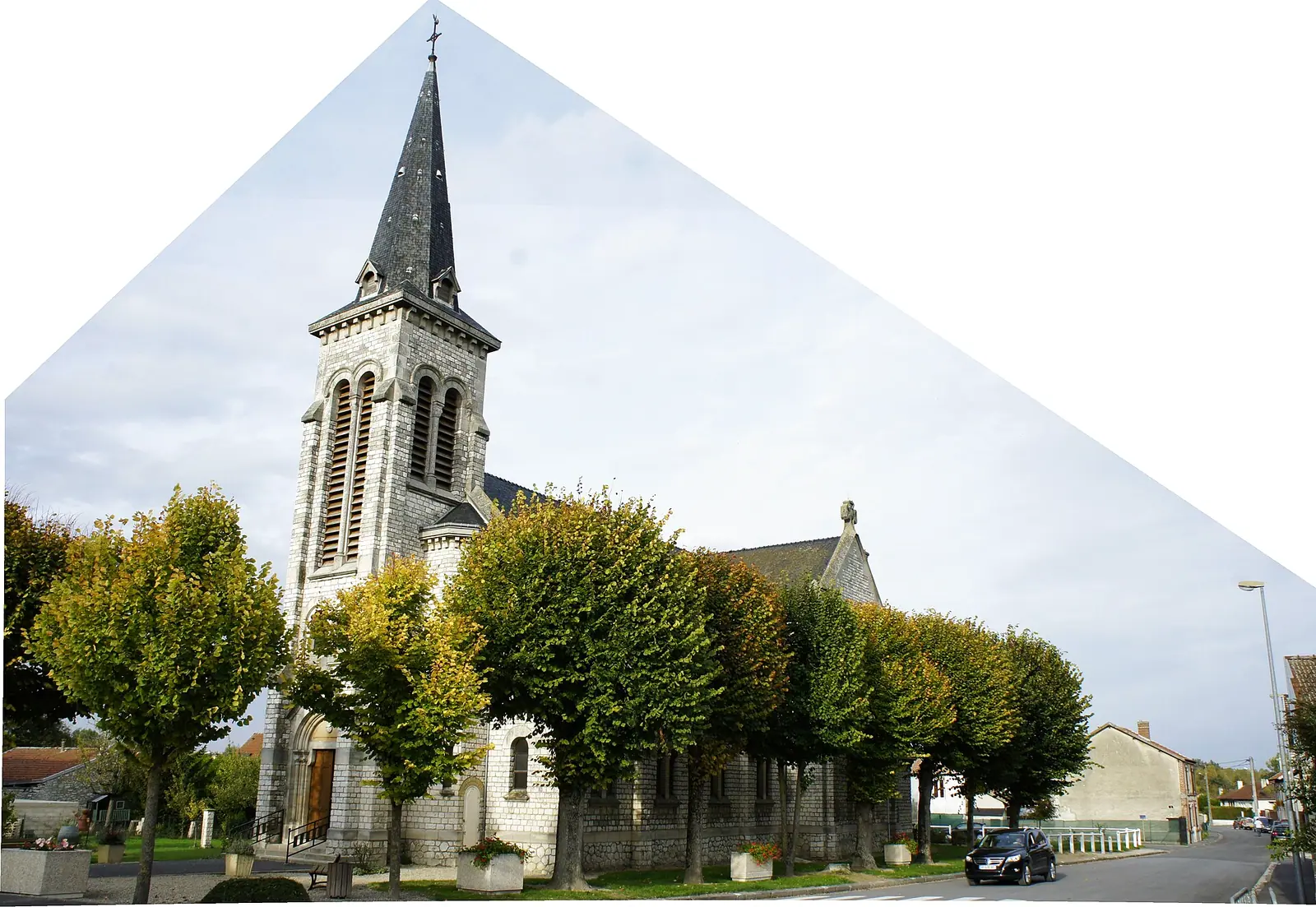
The one sight named by the source is the church of Saint-Martin. The commune also includes a few hamlets and districts:
- l'Étang in the west, on the Vesle
- Grande Romanie in the north-west, at the crossing of the two main roads
- Sébastopol in the east, on the D65
Today 342 people live in Somme-Vesle (as at 1 January 2023). If you drive from Châlons-en-Champagne towards the Argonne, you pass through a part of the country where Champagne means, above all, wide open space.
Pictures
 0 %
