
- Département
- Marne (Grand Est region)
- Site
- Dry Champagne, between Reims and Verdun, on the edge of the Argonne
- Inhabitants
- 141 (2023)
- Source
- Wikipedia, eigene Zusammenfassung
A small village in Dry Champagne in the Marne département, at the source of the Tourbe. It has little to do with champagne, but is known for a Celtic warrior's grave from the 5th century BC.
Location
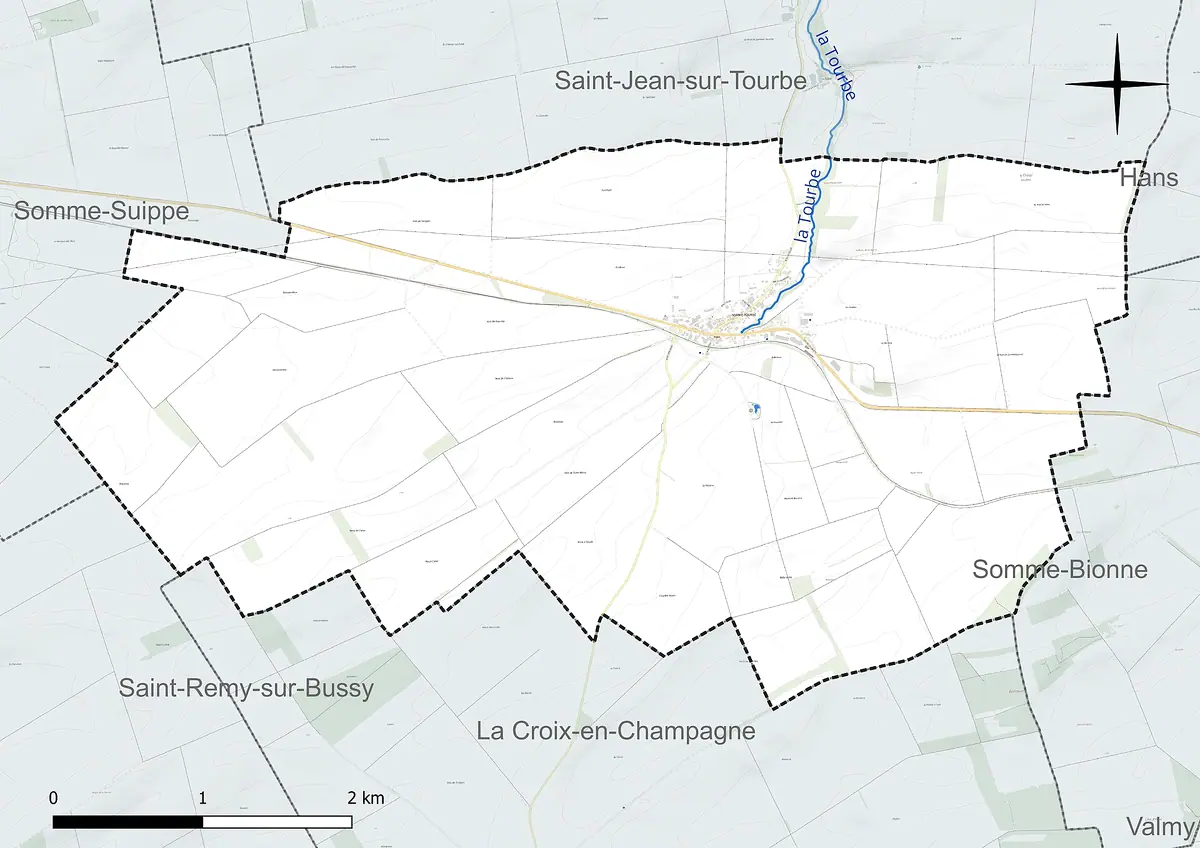
Somme-Tourbe lies in the Marne département in the Grand Est region, in Dry Champagne, roughly halfway between Reims and Verdun. The village sits east of the Champagne plain on the road linking Reims and Sainte-Menehould, on the edge of the Argonne massif. Since 31 March 2017 the commune has belonged to the arrondissement of Châlons-en-Champagne, and its canton is called Argonne Suippe et Vesle. In 2023 it had 141 inhabitants.
Name, spring and landscape
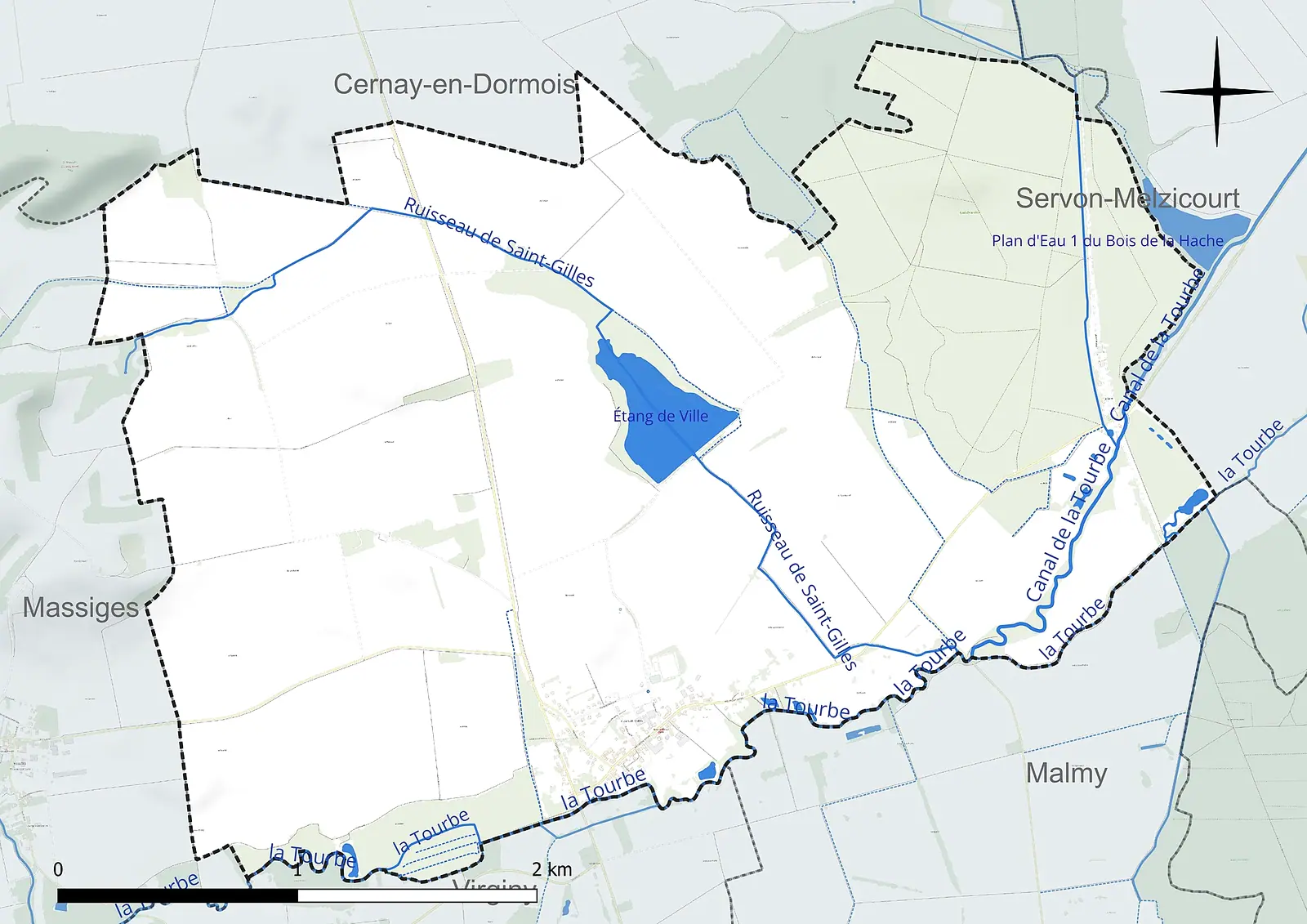
The name gives away the most important thing: the Tourbe, a tributary of the Aisne, rises here. In local place-name studies the word "Somme" stands for "spring" and derives from the Latin "summa", the highest point. The spring lies, quite fittingly, at the highest point of the valley. The Tourbe is 21 kilometres long, flows through ten communes and splits into several channels at Servon-Melzicourt.
The village lies in a hollow. The climate is temperate with cool summers. For the period 1971 to 2000, the source gives an average annual temperature of 10.1 °C and around 817 millimetres of rainfall.
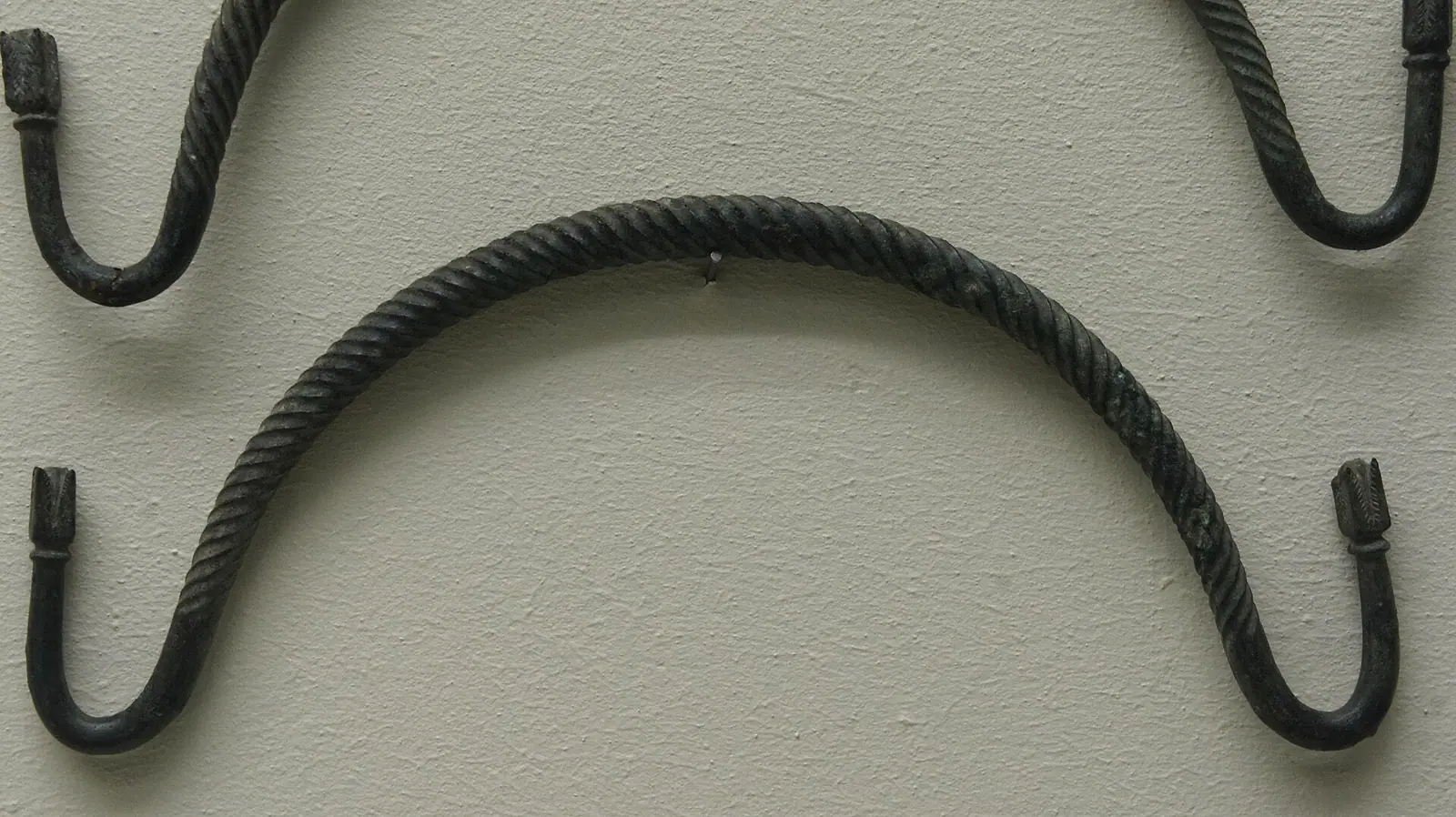
In the Gorge-Meillet field, a double burial with a two-wheeled chariot of the La Tène period was found in 1875 and 1876.
Champagne and agriculture
Somme-Tourbe does not feature as a champagne origin, and the village is neither grand cru nor premier cru. 98.6 per cent of the commune's area is farmland, mostly arable fields. Anyone travelling here sees fields and wide horizons rather than rows of vines. For wine lovers that is a useful counterpoint: Dry Champagne shows just how varied the landscapes of the region are.
History
Somme-Tourbe is archaeologically significant. In the Gorge-Meillet field, a double burial with a two-wheeled chariot of the La Tène period was found in 1875 and 1876. The upper body was a warrior with a plain iron weapon, the lower a nobleman with a long sword, spear and javelin heads, a bronze helmet and a gold arm ring. The grave goods also included pottery, a bronze beaked flagon of Etruscan origin and rich horse trappings. The grave is dated to the 5th century BC and is now displayed in the Musée d'Archéologie nationale in Saint-Germain-en-Laye.
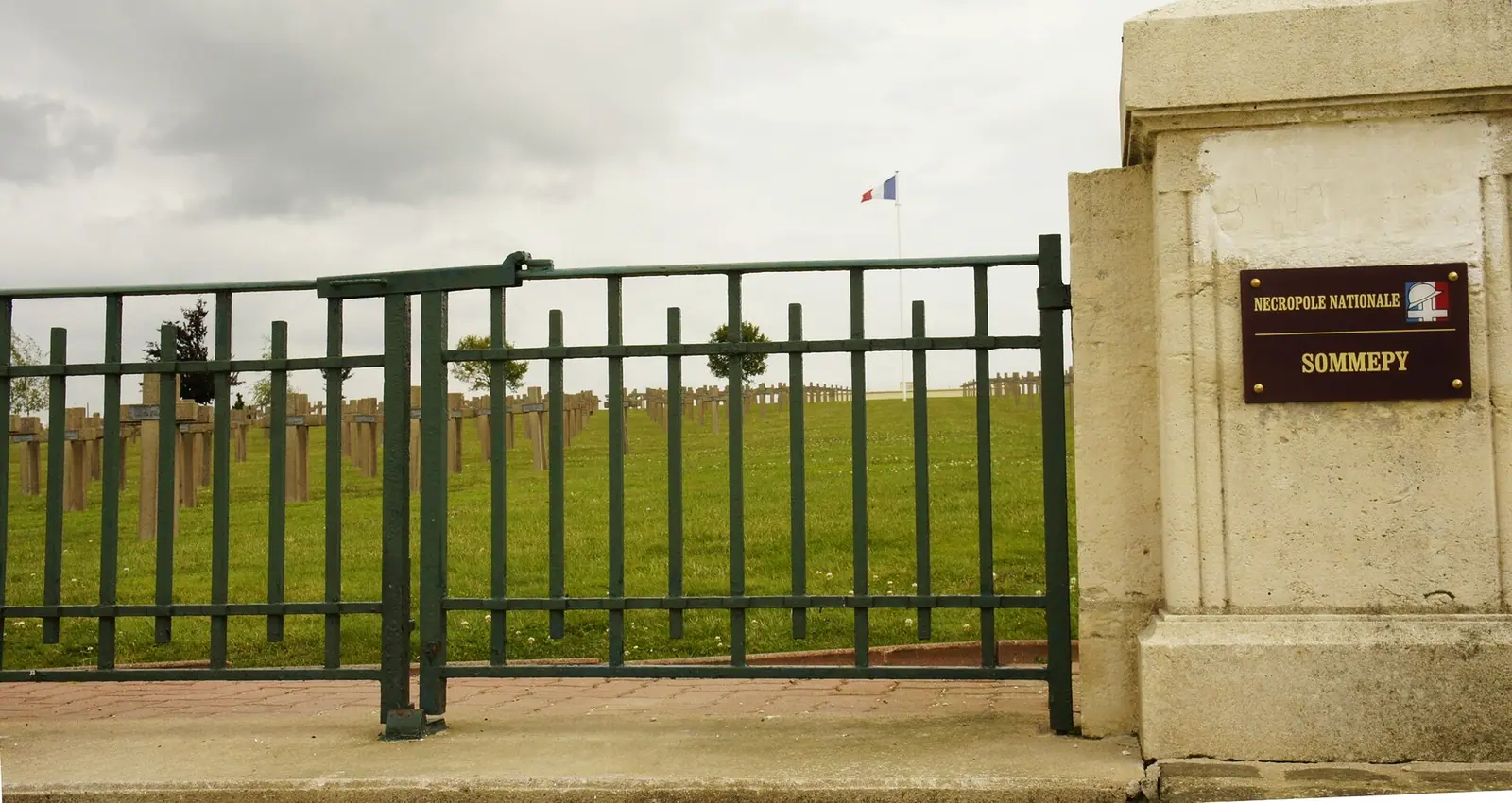
On 17 February 1813 a tornado stripped the roofs from several houses in the village. In the First World War, Somme-Tourbe was completely destroyed in 1914, with only the church and the school left standing.
Sights
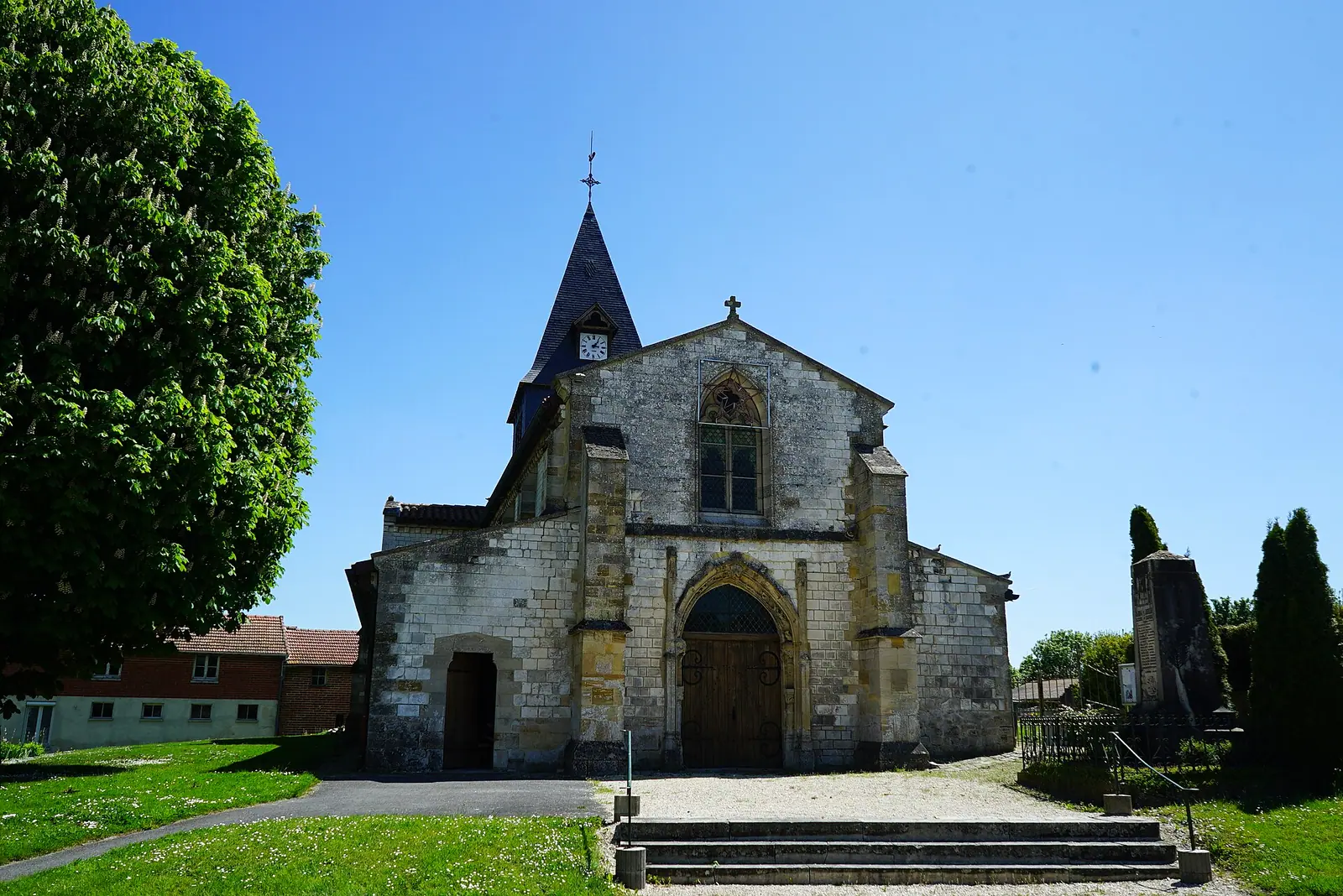
The most important building is the Romanesque church from the 12th century. It preserves:
- wooden statues of Saint Martin and Saint Eligius from the 17th century
- a Madonna and Child from the 14th century
- a rood beam (Arche de Gloire) from the 12th century
As a stop on the drive towards the Argonne, the village fits well into a route away from the better-known champagne sites.
Pictures

 0 %
