
- Département
- Aube (Grand Est region)
- Site
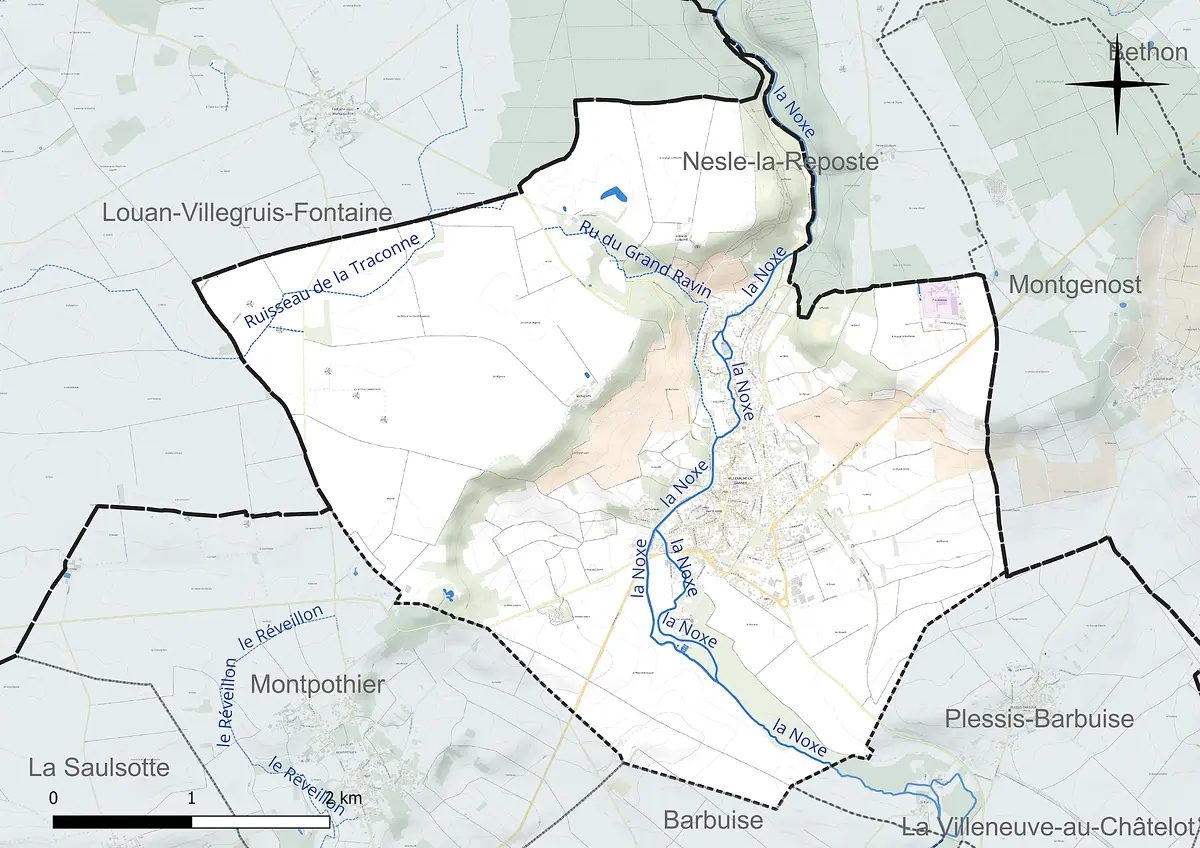
- Western Aube, on the border with the Marne and Seine-et-Marne, on the Noxe
- Inhabitants
- 2,605 (as at 1 January 2023)
- Source
- Wikipedia, eigene Zusammenfassung
Villenauxe-la-Grande is a commune in the Aube département, on the border with the Marne. The village sits on the Noxe, on clay over chalk, and has a monastic past with a press house and cellars.
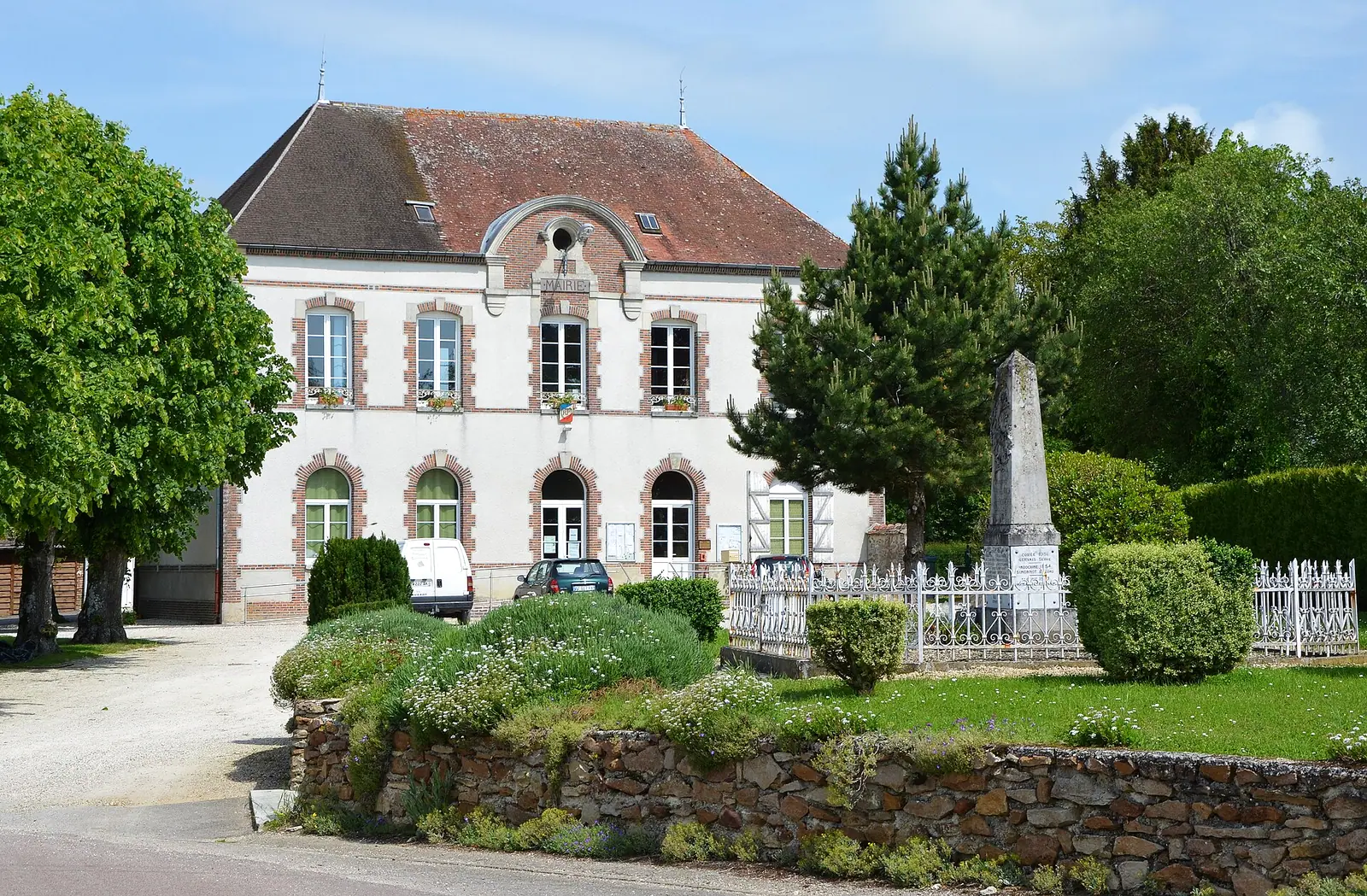
Location
Villenauxe-la-Grande lies in the west of the Aube département, roughly halfway between Troyes and Paris. About 15 kilometres north-east of Nogent-sur-Seine, three départements meet here: Aube, Marne and Seine-et-Marne. The Seine flows about five kilometres to the south, while the village itself sits in a hollow on the small river Noxe. Neighbouring communes include Nesle-la-Reposte, Montgenost, Plessis-Barbuise, Barbuise, Montpothier and Louan-Villegruis-Fontaine. On 1 January 2023 the commune had 2,605 inhabitants. It is not classified as grand cru or premier cru.

Soil and viticulture
The village stands on layers of clay that run from Sézanne in the Marne to Montereau-Fault-Yonne in Seine-et-Marne, over a chalk subsoil. Wine lovers will know this combination well: chalk stores water and releases it to the vine in dry spells, while clay gives body and substance. The landscape, however, is shaped above all by arable farming. According to Corine Land Cover (2018), around 79 per cent of the commune's area is farmland, most of it arable. Permanent crops, which can include vineyards, account for 6.9 per cent, and woodland for just under 13 per cent.
According to Corine Land Cover (2018), around 79 per cent of the commune's area is farmland, most of it arable.
History
The village goes back to an ancient settlement called Villonisa. It has carried its present suffix since 1957, after it had grown together with neighbouring Dival. In 1537 King Francis I allowed the inhabitants to fortify the town. The fortifications had four gates:
- Saint-Jean
- Saint-Martin
- the gate towards Provins
- the gate of the Nesle suburb
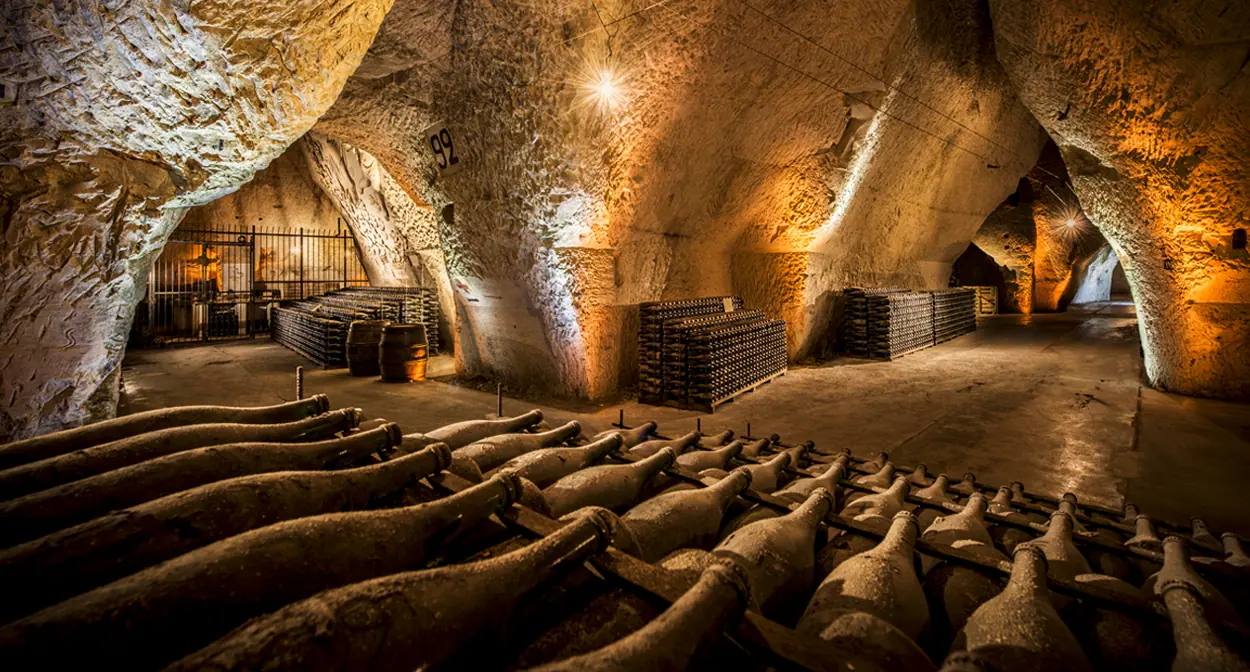
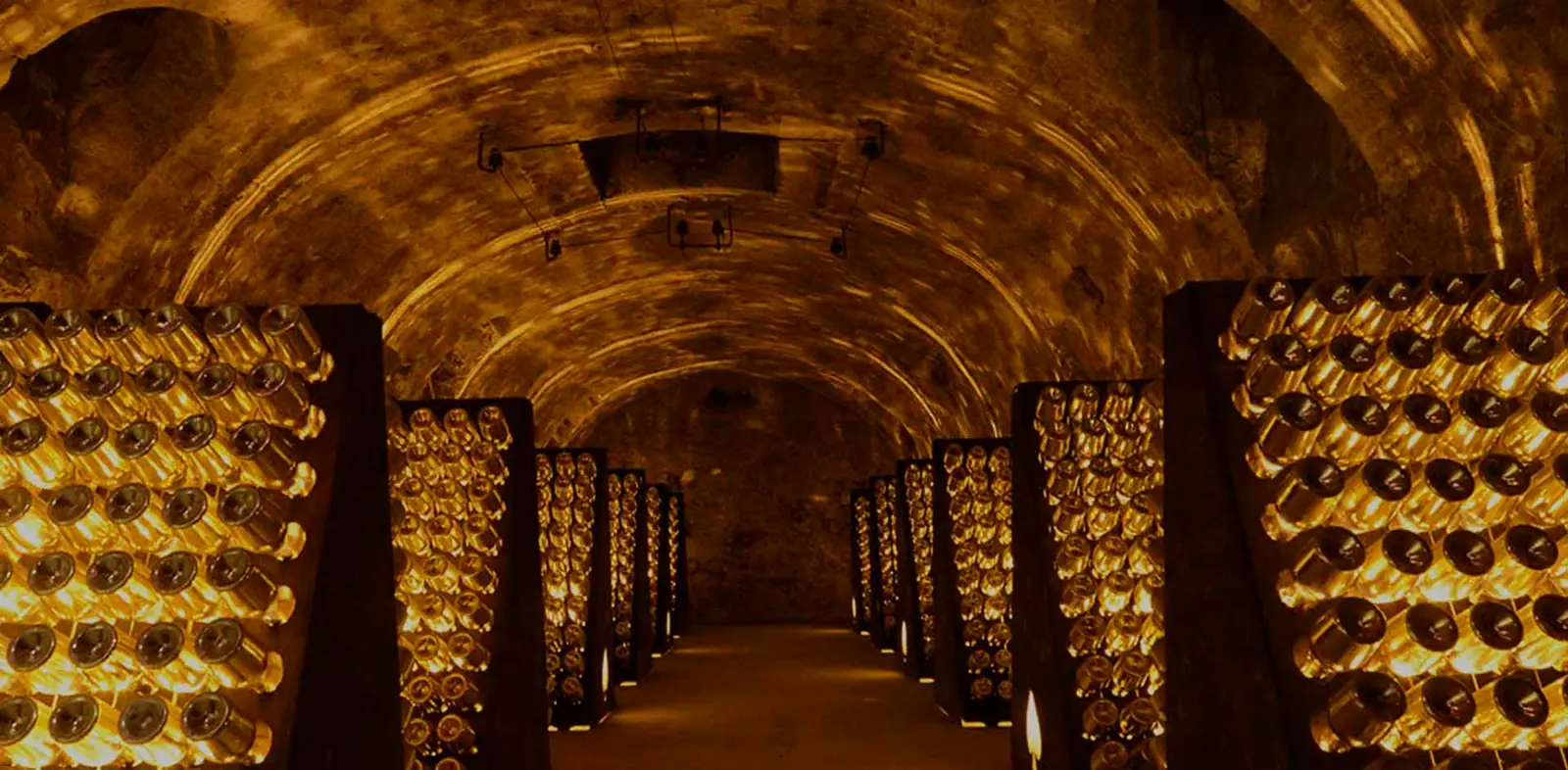
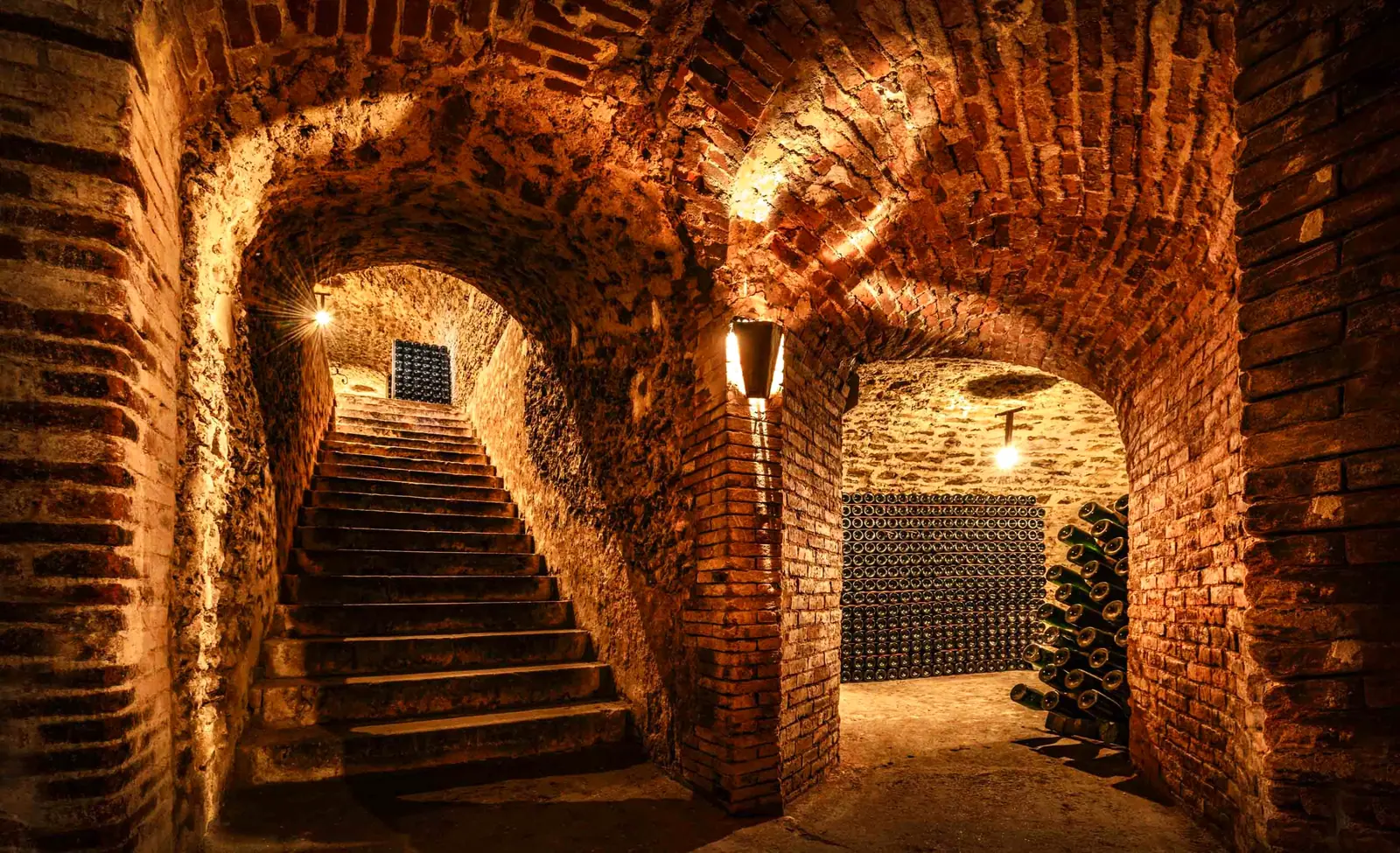
A trace of real interest for wine history was left by the monks of the abbey of Nesle-la-Reposte. They found refuge in Villenauxe and from 1674 were housed in their property on the Rue du Perey. They brought a Romanesque portal from Nesle with them and set up stables, a bakery, cellars, a cuvier and a press. The village also had a seigneurial press, along with a prison, a market hall and a gallows in front of the church. In the 19th century, clay extraction turned up a variety suited to making faience.
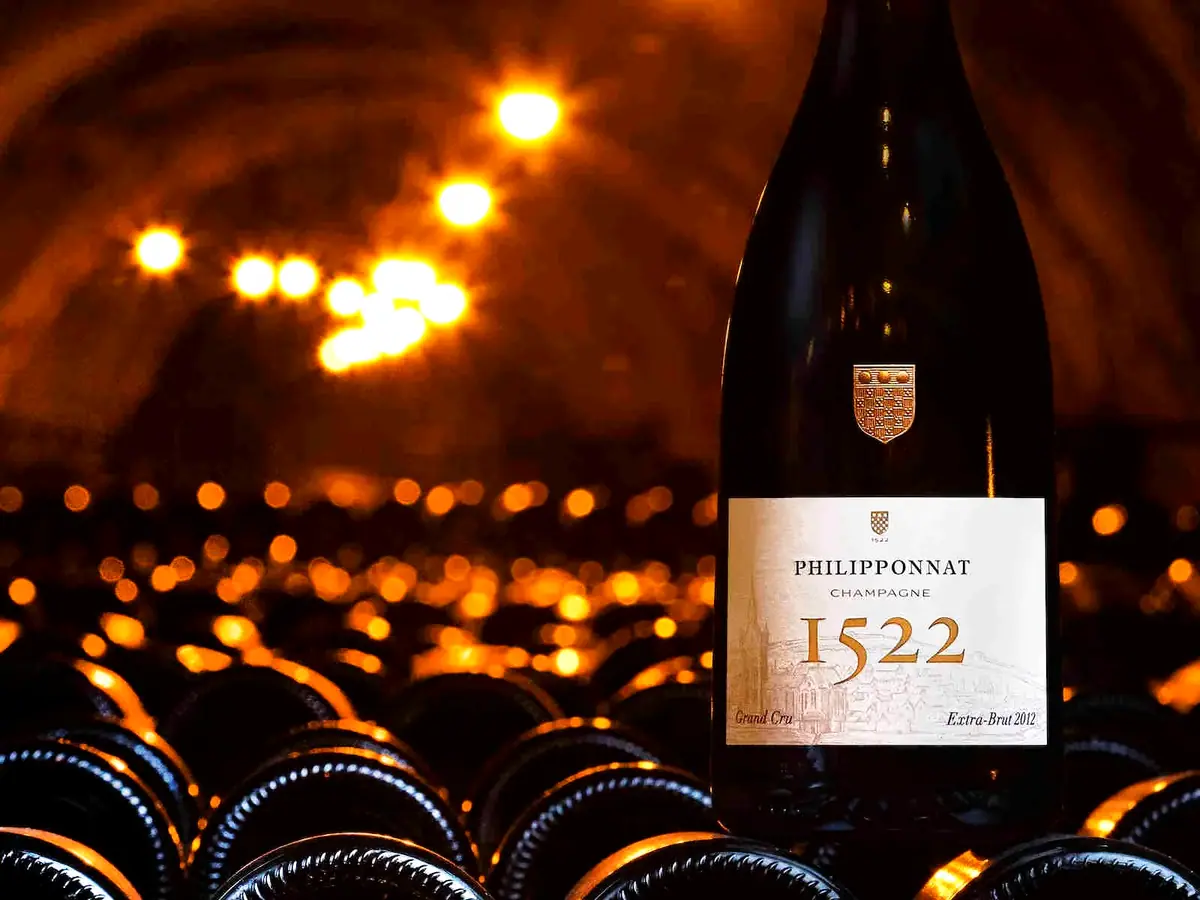 Philipponnat Champagner
The village today
Villenauxe-la-Grande is a market town that lives off the everyday life of the region. One unusual feature is the prison, opened in 1991 and holding 600 places since 2009. On its own it accounts for a quarter of the population. In 2015 residents rejected a merger with the neighbouring village of Nesle-la-Reposte in the Marne. The village is twinned with Flonheim in Rheinhessen, a German wine-growing region.
If you want to get to know Champagne away from the big names, this is a quiet base between the Aube and the Marne, with monastic history, Renaissance town gates and chalky subsoil.
Pictures


 0 %
