
Familienbetrieb in Chavot-Courcourt bei Épernay: seit 1931 Champagner von rund 5,4 ha, heute in dritter Generation von Jacques Tissier geführt.
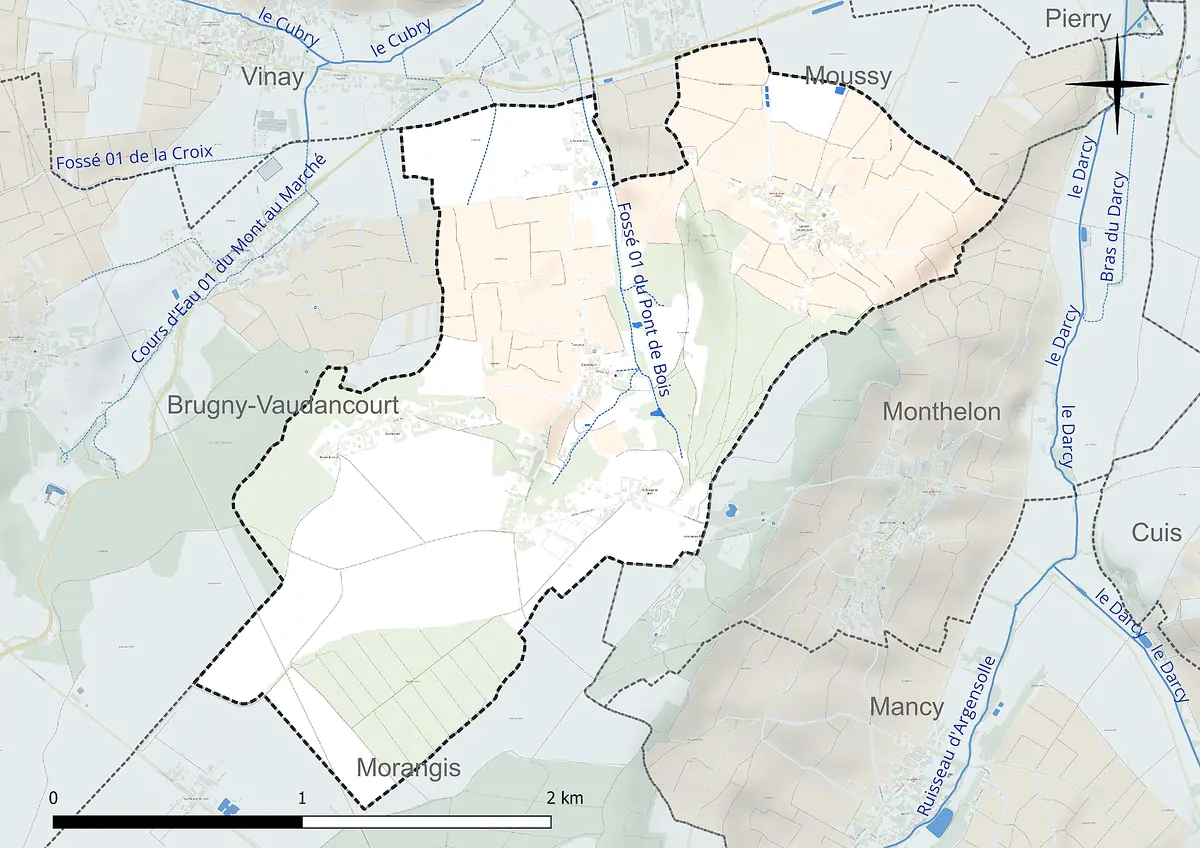
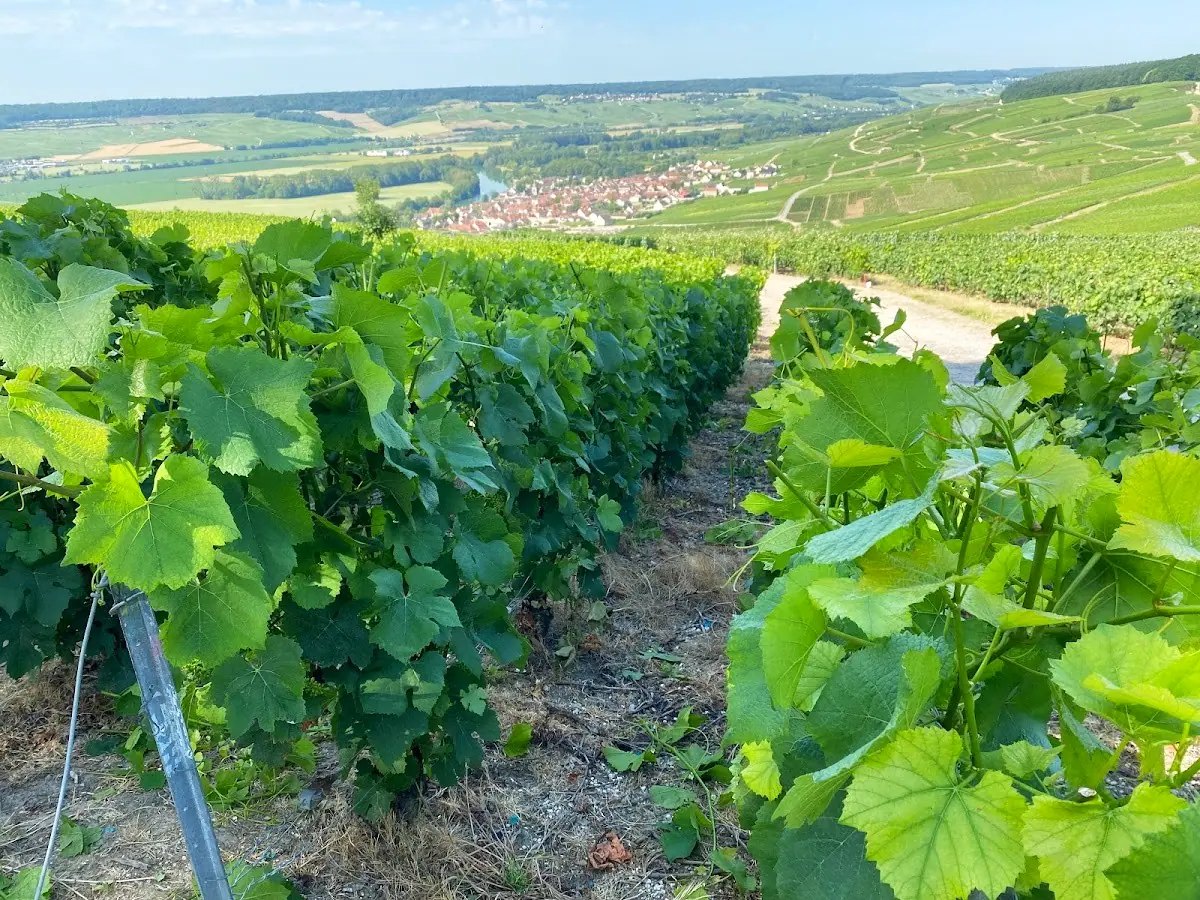
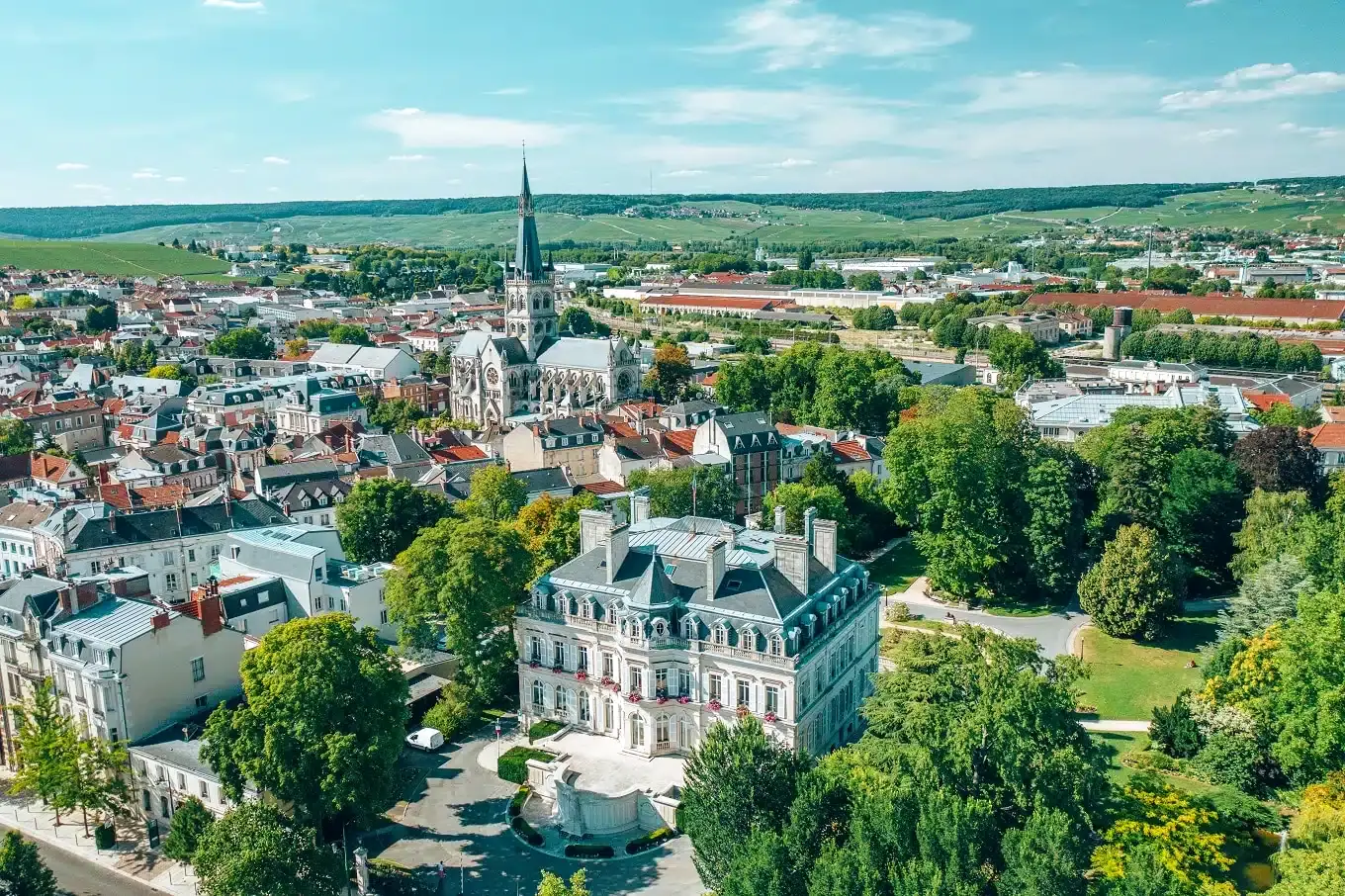
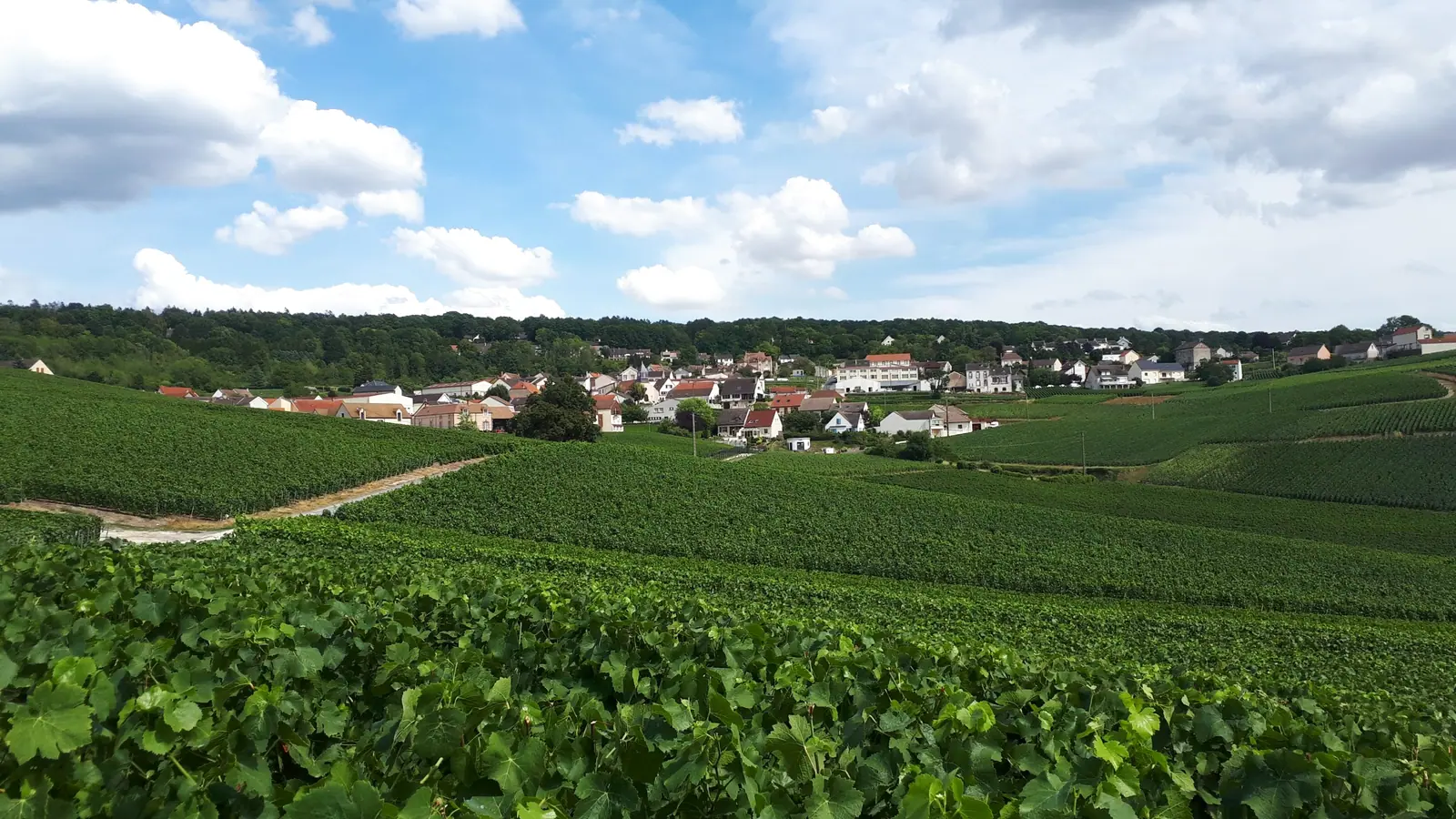
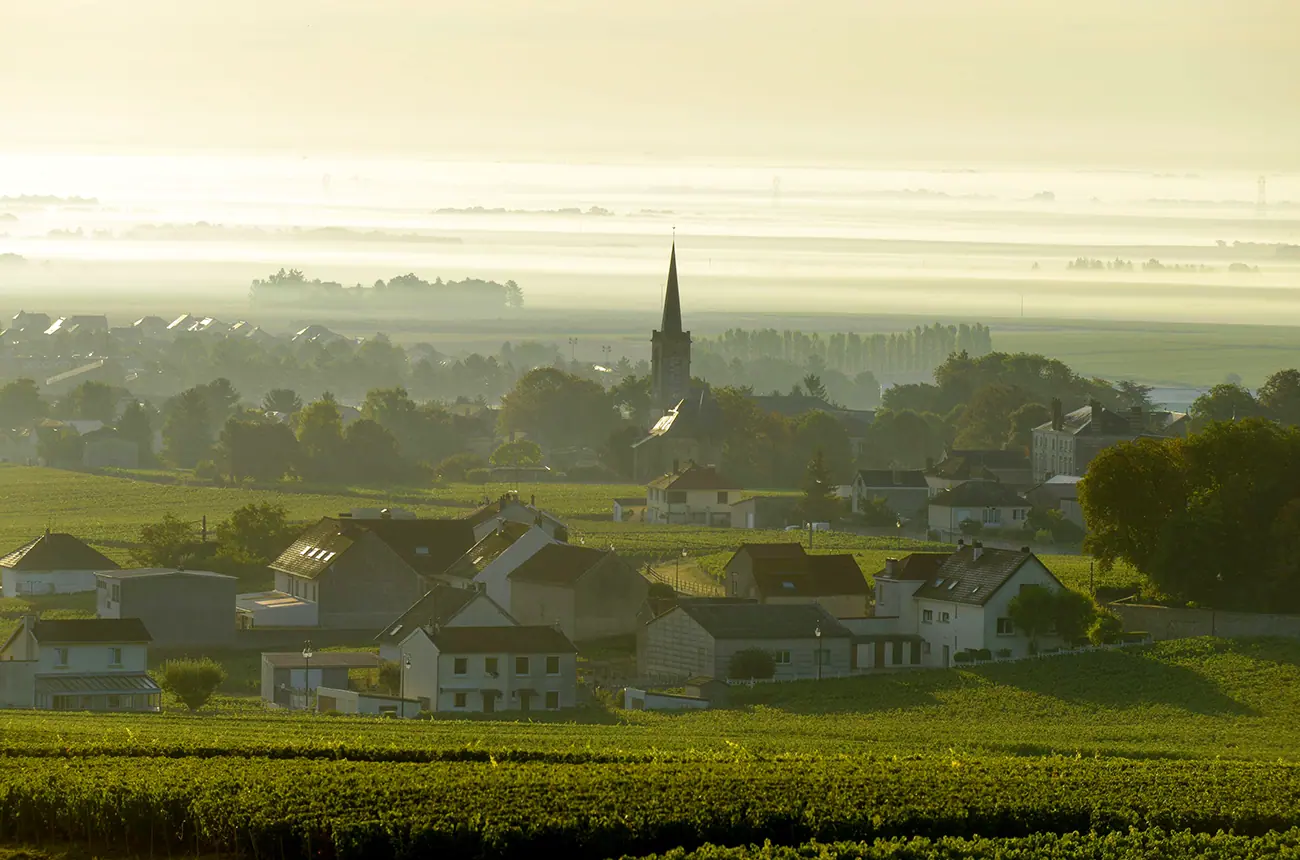
Chavot-Courcourt lies on the south-facing slopes above Épernay. The village has a church from the 12th and 16th centuries. This is the home of Champagne J.M. Tissier, a family estate with an unusual founding story.
From Diogène to Jacques
In 1931 Diogène Tissier could not find buyers for his wine, so he decided to make it himself and sell his own champagne. In the village at that time, growers otherwise sold their grapes and wines to the big houses. According to one profile, his champagne won its first award in Paris just six months later.
The estate has been handed down from father to son for three generations: Diogène, then Jean-Marie, now Jacques. Jacques Tissier took over the estate from his father in 1993. The J.M. Tissier brand has existed since 1998. Today Jacques, his wife Marie-Christine and their son Anthony look after the vines. Anthony won the audience prize at the "Jeunes Talents du Champagne" competition with the Diogénis Vintage 2015.
Vines and way of working
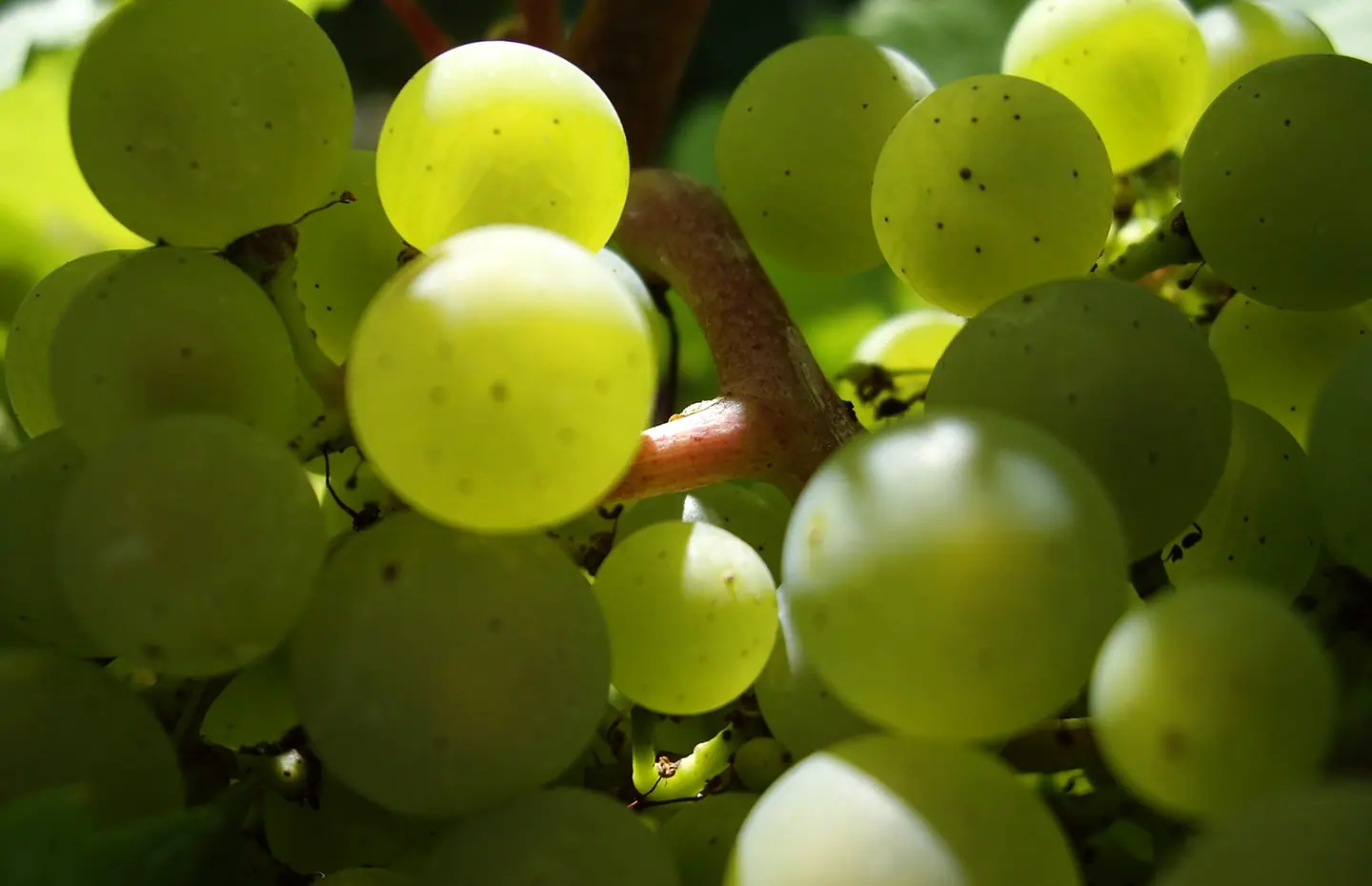
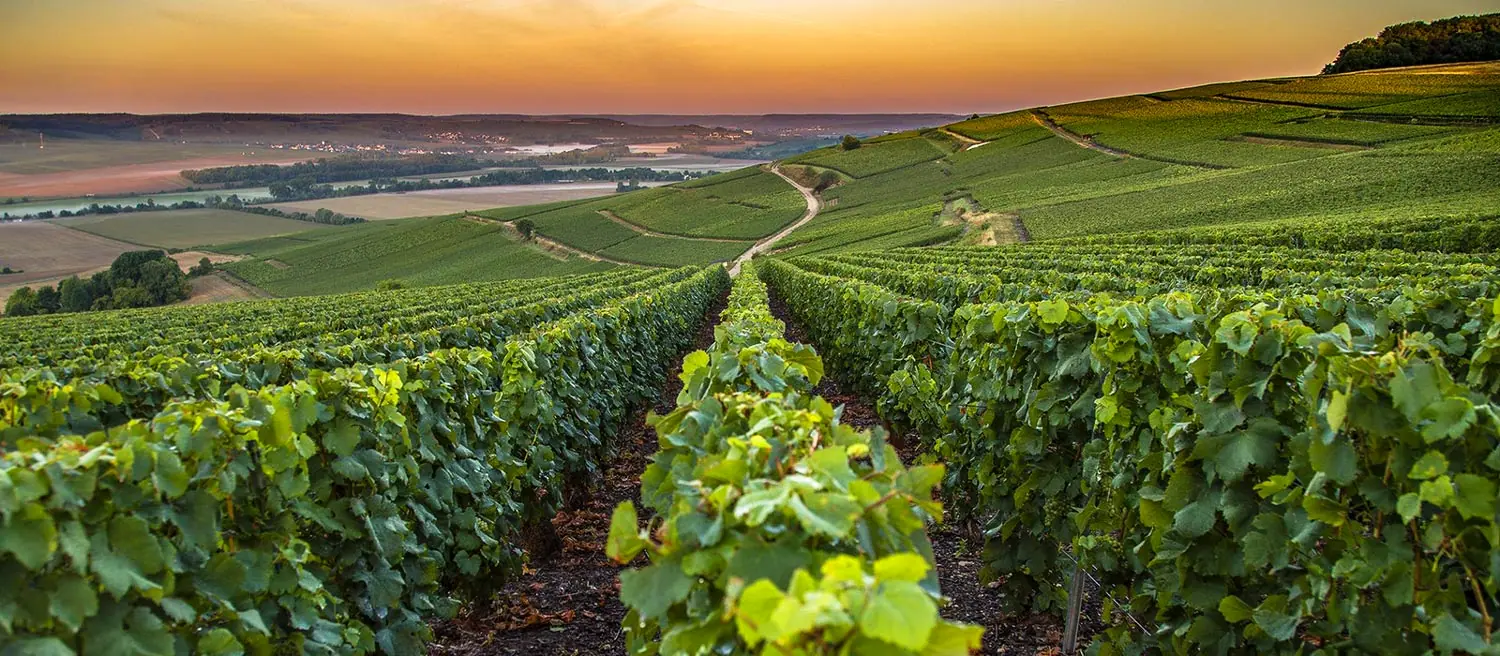
The vineyard plots are spread across Chavot-Courcourt, Moussy, Pierry, Épernay and the Sézannais. Figures for the size of the estate vary depending on the source: the website gives 5.95 hectares planted with Chardonnay, Pinot Meunier and Pinot Noir. The variety of sites allows for distinctive blends.
In the 2000s Jacques Tissier switched to sustainable vineyard protection. He also treats the vines with Norwegian seaweed, which has allowed him to cut the use of plant protection products by 30 per cent. The house's website also lists HVE and VDC certification.
The cuvées
The range comprises seven cuvées: Reflet de Terre, Éclat de Terre, Éden de Rosélis, Brut Nature, Ancestrale, Délicatessence (a rosé de saignée) and Diogénis (a blanc de blancs). According to the Guide des Vins, Reflet de Terre is made up of 50 per cent Meunier, 40 per cent Chardonnay and 10 per cent Pinot Noir. One blanc de blancs was partly vinified in oak barrels. There is also a ratafia and a marc de Champagne.
Visitors are welcome: tours and tastings are possible, but you should get in touch beforehand. The visit is said to be convivial and full of anecdotes.
Pictures

Sources: www.pagesjaunes.fr, www.tripadvisor.com, www.118712.fr, www.societe.com, www.visite.fr, www.vin-vigne.com, www.1001degustations.com, www.champagnedevignerons.fr